StylopediaStylopedia

Portraits styles on Stylopedia

A visual encyclopedia of Portraits styles – use as prompt inspiration for Midjourney, Gemini, or ChatGPT AI when making Portraits images

Example of visual style of Albrecht Durer

Albrecht Durer

Albrecht Durer, a German artist of the Renaissance period, was known for his meticulous attention to detail and technical skill. Active in the late 15th and early 16th centuries, Durer's work became famous for its realistic and precise portrayal of the natural world. His style is characterized by intricate linework, rich textures, and a strong sense of composition. Durer's prints, engravings, and paintings often featured religious and mythological subjects, as well as landscapes and portraits. His exceptional talent and innovative techniques made him one of the most influential artists of his time.

View StyleExplore Style
Example of visual style of Amedeo Modigliani

Amedeo Modigliani

Amedeo Modigliani's visual style, which flourished during the early 20th century, is known for its distinctive elongated figures and simplified forms. His signature portraits portray subjects with elongated faces, almond-shaped eyes, and exaggerated necks. Modigliani's use of stylized and elegant lines, as well as his emphasis on the human form, gave his artwork a sense of elegance and sophistication. His famous works include 'Reclining Nude' and 'Portrait of Jeanne Hébuterne'. Modigliani's unique style became famous for its ability to capture the essence of his subjects with a sense of mystery and emotional depth.

View StyleExplore Style
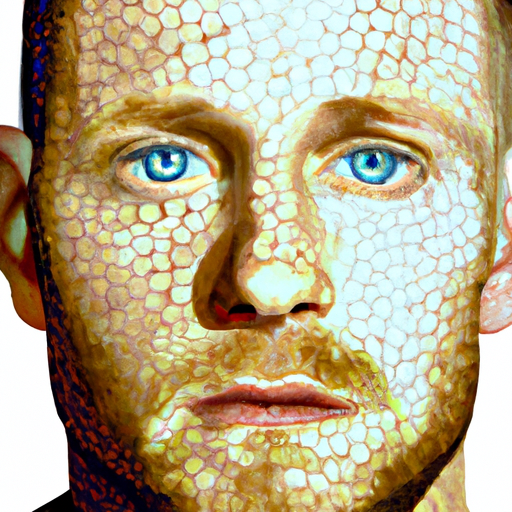
Example of visual style of Chuck Close

Chuck Close

Chuck Close is an American painter known for his photorealistic portraits. His style emerged in the late 1960s and gained significant recognition in the 1970s. Close became famous for his large-scale portraits, which are composed of grids of small cells. Each cell, often a square, contains a small section of the overall image. His meticulous rendering and attention to detail create highly detailed and lifelike depictions. Close's use of grid-based abstraction, combined with his innovative techniques, revolutionized the concept of portraiture.

View StyleExplore Style
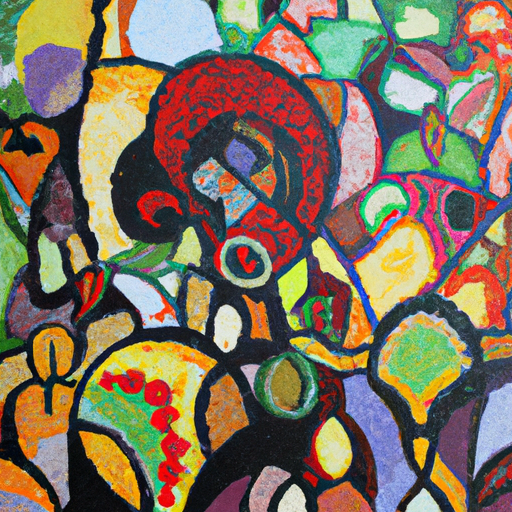
Example of visual style of David Burliuk

David Burliuk

David Burliuk was a Russian avant-garde artist and writer who co-founded the Cubo-Futurist movement. He was active in the early 20th century, particularly between 1910 and 1920. Burliuk's style is characterized by abstract and geometric forms, vibrant colors, and a sense of dynamism and movement. He gained fame for his experimental approach to art, incorporating elements of both Cubism and Futurism. His works often depicted urban scenes, landscapes, and portraits, capturing the energy and modernity of the time.

View StyleExplore Style
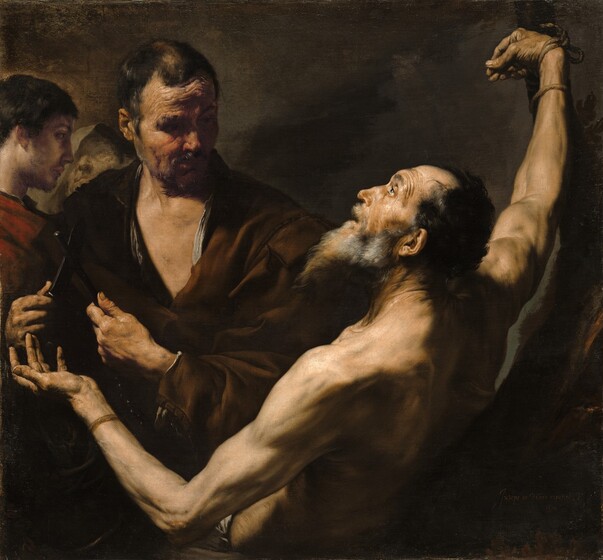
Example of visual style of Diego Velazquez

Diego Velazquez

Diego Velazquez was a Spanish painter who was active during the Baroque period in the 17th century. He is known for his realistic and detailed paintings that captured the essence of his subjects. Velazquez is particularly famous for his portraits, including the iconic 'Las Meninas' painted in 1656. His style was characterized by his masterful use of light and shadow, the ability to create depth and perspective, and his attention to detail in rendering textures and fabrics. Velazquez's works were highly praised for their naturalism and influenced generations of artists after him.

View StyleExplore Style
Example of visual style of Dutch Genre Painting

Dutch Genre Painting

Dutch Genre Painting, also known as Dutch Golden Age painting, emerged in the 17th century in the Netherlands. Characterized by realistic depictions of everyday life, it gained popularity during the Dutch Golden Age. The style flourished from approximately 1600 to 1700 and captured scenes from domestic life, landscapes, still lifes, and portraits. Dutch Genre Painting became famous for its attention to detail, lighting effects, and the ability to capture the essence of daily activities.

View StyleExplore Style
Example of visual style of Dutch Golden Age Painting

Dutch Golden Age Painting

Dutch Golden Age Painting flourished during the 17th century in the Dutch Republic, particularly in cities such as Amsterdam, Haarlem, and Delft. This period is renowned for its realism, detailed observation of everyday life, and mastery of light and shadows. Dutch Golden Age painters were often associated with guilds and produced a wide range of subjects, including portraits, landscapes, still lifes, genre scenes, and historical and biblical themes. The style became famous for its meticulous attention to detail, atmospheric perspective, and use of vibrant colors.

View StyleExplore Style
Example of visual style of Early Netherlandish Painting

Early Netherlandish Painting

Early Netherlandish Painting refers to the art movement that emerged in the Low Countries (current-day Netherlands and Belgium) during the 15th and 16th centuries. Characterized by meticulous attention to detail, rich colors, and naturalistic representation, this style revolutionized painting techniques of the time. It gained fame for its innovative use of oil paint, which allowed for greater depth and luminosity in the artworks. The artists of this period often depicted religious subjects, landscapes, and portraits, portraying them with a high level of realism.

View StyleExplore Style
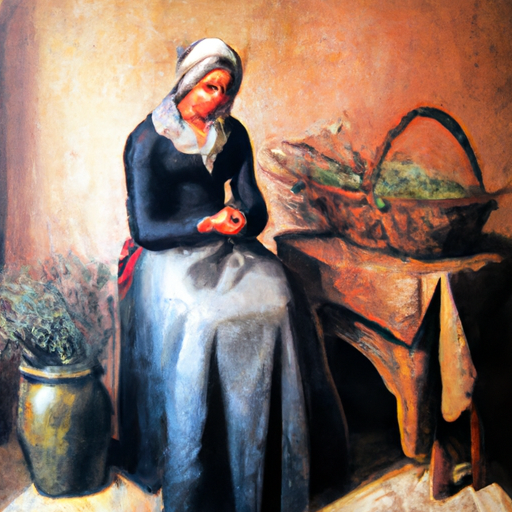
Example of visual style of Eduardo Kobra

Eduardo Kobra

Eduardo Kobra is known for his vibrant and colorful graffiti murals that blend realism with abstract patterns. His style emerged in the early 2010s and gained widespread recognition for its use of bold colors, intricate designs, and larger-than-life portraits. Kobra became famous for his monumental murals which often depict historical figures, cultural icons, and global issues. He is particularly acclaimed for his ability to capture the essence and emotion of his subjects, creating visually stunning and thought-provoking artworks. Kobra's unique style has brought a fresh and contemporary approach to street art, transforming urban landscapes with his iconic and visually striking murals.

View StyleExplore Style
Example of visual style of Felix Vallotton

Felix Vallotton

Felix Vallotton was a Swiss-French painter and printmaker who was active during the late 19th and early 20th centuries. He is known for his distinctive visual style characterized by sharp lines, bold colors, and simplified forms. Vallotton became famous for his woodcuts, which he used to depict scenes of everyday life, portraits, and landscapes. His work is known for its strong compositions, emotional intensity, and a sense of mystery. Vallotton's style was deeply influential, bridging the gap between the traditional academic art of the 19th century and the emerging modernist movements of the early 20th century.

View StyleExplore Style
Example of visual style of French Painters

French Painters

French Painters is a visual style that emerged in the 19th century and gained prominence in the early 20th century. This style is characterized by its emphasis on naturalistic representation, vibrant colors, and a focus on capturing the play of light and shadow. French Painters are known for their innovative techniques and exploration of various subject matters, including landscapes, portraits, still life, and historical scenes. This style became famous through the works of renowned artists such as Claude Monet, Pierre-Auguste Renoir, and Paul Cézanne.

View StyleExplore Style
Example of visual style of Heian Period

Heian Period

Heian Period, from 794 to 1185, was a distinctive visual style in Japanese art and culture known for its elegance and refinement. It was a time of peace and prosperity, allowing for the flourishing of art, literature, and architecture. This period is particularly famous for its courtly aesthetics, characterized by graceful, delicate depictions and a love for beauty. The art of this era often featured aristocratic themes, including scenes from court life, exquisite landscapes, and refined portraits of nobles. The meticulous attention to detail and the emphasis on the spiritual and ethereal qualities of the subjects were central to the Heian Period style.

View StyleExplore Style
Example of visual style of Herb Ritts

Herb Ritts

Herb Ritts (1952-2002) was an American fashion photographer known for his clean, elegant, and sensual black and white portraits. Ritts became famous in the 1980s and 1990s for his iconic photographs of celebrities and models, which often featured bold contrasts, strong lighting, and a focus on the human form. His work showcased a unique blend of art, fashion, and celebrity culture, and his minimalistic approach and use of natural elements created timeless and captivating images.

View StyleExplore Style
Example of visual style of Irving Penn

Irving Penn

Irving Penn was an American photographer known for his minimalist and elegant style. He rose to prominence in the mid-20th century, particularly in the 1950s, through his work for Vogue magazine. Penn's style was characterized by his exceptional attention to detail and his ability to capture the essence of his subjects. He used simple backgrounds and experimented with lighting techniques, creating striking images that emphasized form, texture, and composition. His iconic photographs, such as his portraits of cultural figures and his fashion spreads, became famous for their timeless and artistic quality.

View StyleExplore Style
Example of visual style of Jean Auguste Dominique Ingres

Jean Auguste Dominique Ingres

Jean Auguste Dominique Ingres was a 19th-century French neoclassical painter known for his precise draftsmanship and meticulous attention to detail. His style is characterized by its smooth, polished surfaces, idealized figures, and crisp lines. Ingres's work became famous for its sensual and refined depictions of the human form, particularly in his portraits. He established himself as a prominent figure in the art world during the early 19th century and his style had a significant influence on later artists.

View StyleExplore Style
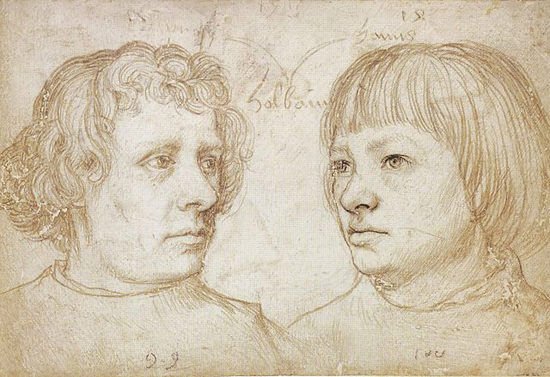
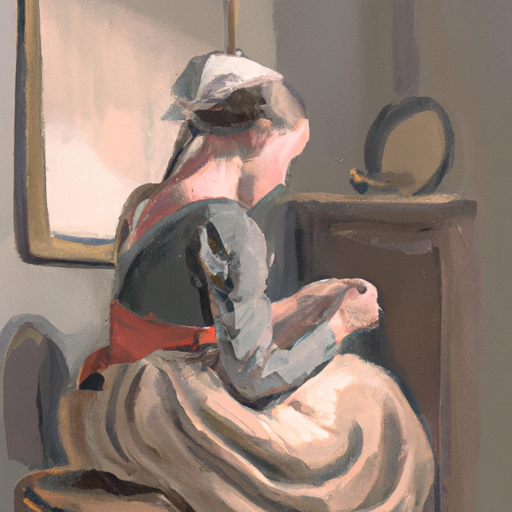
Example of visual style of Johannes Vermeer

Johannes Vermeer

Johannes Vermeer was a Dutch painter known for his realistic and intimate genre scenes. Active during the Dutch Golden Age in the 17th century, Vermeer's style is characterized by his use of light, color, and perspective to create meticulously detailed and atmospheric compositions. His works often feature domestic interiors, portraits, and landscapes, capturing everyday moments with remarkable precision and a sense of quiet beauty. Vermeer's realistic technique and ability to capture the play of light and shadow in his paintings have made him one of the most celebrated artists of his time.

View StyleExplore Style
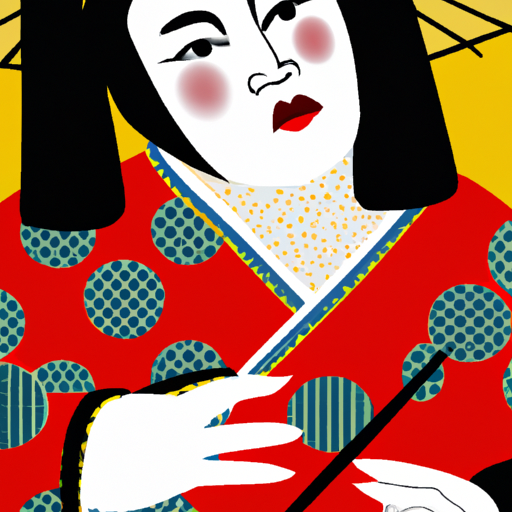
Example of visual style of Kitagawa Utamaro

Kitagawa Utamaro

Kitagawa Utamaro was a Japanese ukiyo-e woodblock print artist who was active during the late 18th century. He is known for his exquisite portrayal of beautiful women, especially geishas and courtesans. Utamaro's prints became famous for their delicate lines, intricate patterns, and vibrant colors, which captured the grace, charm, and eroticism of the subjects. He rose to prominence during the Edo period and his distinct style marked a shift towards more intimate and sensual portraits of women.

View StyleExplore Style
Example of visual style of Lucas Cranach The Elder

Lucas Cranach The Elder

Lucas Cranach the Elder (1472-1553) was a German Renaissance painter and printmaker. He is famous for his detailed and vibrant paintings, characterized by their meticulous execution and rich colors. Cranach's style combines elements of the Northern Renaissance with influences from Italian art. His works often depict religious subjects, mythological scenes, and portraits of nobility. Cranach's unique visual style became popular during the 16th century and continues to be admired for its decorative qualities and expressive compositions.

View StyleExplore Style

Example of visual style of Ludwig Richter

Ludwig Richter

Ludwig Richter was a German painter and illustrator known for his detailed and realistic style. Active during the 19th century, he gained fame for his landscape paintings, portraits, and illustrations for fairy tales, folk stories, and literature. Richter's work is characterized by its meticulous attention to detail, vibrant colors, and strong emphasis on capturing the essence of everyday life. He often depicted scenes from rural settings, capturing the charm and beauty of the German countryside. Ludwig Richter's art became famous for its ability to transport viewers to the depicted time and place, evoking emotions and nostalgia.

View StyleExplore Style
Example of visual style of Paul Strand

Paul Strand

Paul Strand was an American photographer and filmmaker known for his modernist approach to photography. His work revolutionized the medium in the early 20th century and is considered one of the pioneers of modern photography. His influential years were between 1909 and the mid-1950s. Strand's photographs were characterized by their sharp focus, dramatic compositions, and emphasis on form and structure. He was famous for his portraits, cityscapes, and landscapes, capturing everyday life and the beauty found in ordinary objects. His innovative use of straight photography and abstraction helped establish photography as a respected art form.

View StyleExplore Style

Example of visual style of Robert Mapplethorpe

Robert Mapplethorpe

Robert Mapplethorpe was an American photographer known for his black-and-white portraits, still lifes, and homoerotic nudes. He rose to fame in the 1970s and 1980s, and became notorious for pushing the boundaries of explicit content in his work. Mapplethorpe's photographs often exhibited a stark, classical aesthetic, characterized by strong contrasts, meticulous lighting, and a focus on composition and form. His artistic exploration of taboo subjects challenged societal norms and sparked an intense debate on the boundaries of art and pornography. Mapplethorpe's work continues to inspire and provoke discussion to this day.

View StyleExplore Style
Example of visual style of Sebastian Kruger

Sebastian Kruger

Sebastian Kruger is a German artist known for his hyperrealistic and caricatured portraits of celebrities, musicians, and political figures. Kruger's style gained recognition and fame in the late 1980s and early 1990s, particularly for his depictions of rock and roll icons like Mick Jagger, Keith Richards, and Elvis Presley. He became known for his exaggerated facial expressions and bold use of color, capturing the essence and personality of his subjects. Kruger's attention to detail and ability to convey emotion through his paintings have made his work highly sought after by collectors and fans worldwide.

View StyleExplore Style
Example of visual style of Thomas Eakins

Thomas Eakins

Thomas Eakins was an American realist painter known for his meticulous attention to detail and his ability to capture the human form in a realistic and intimate manner. He was active in the late 19th century and his paintings often depicted everyday life, particularly in the city of Philadelphia. Eakins became famous for his portraits, which were characterized by their psychological depth and the sense of realism he achieved through his use of light and shadow. His work challenged traditional conventions and his dedication to accuracy and authenticity made him one of the most influential American artists of his time.

View StyleExplore Style
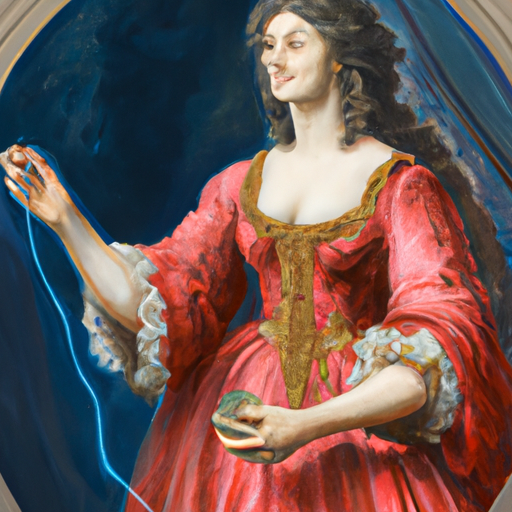
Example of visual style of Traditional Realism

Traditional Realism

Traditional Realism is an art style that emerged in the late 19th century and gained prominence in the early 20th century. It is characterized by its meticulous attention to detail, precise representation of subjects, and adherence to traditional artistic techniques. Traditional Realism reached its peak of popularity between the 1940s and 1950s. This style gained fame for its ability to create lifelike and highly detailed artworks, often depicting scenes from everyday life, portraits, or landscapes.

View StyleExplore Style
Home