StylopediaStylopedia

Japanese styles on Stylopedia

A visual encyclopedia of Japanese styles – use as prompt inspiration for Midjourney, Gemini, or ChatGPT AI when making Japanese images

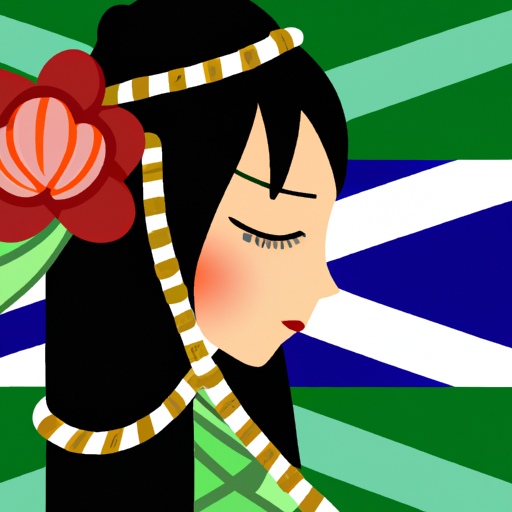
Example of visual style of Edo Period

Edo Period

The Edo Period (1603-1868) in Japan is characterized by a rich visual style influenced by traditional Japanese art forms and culture. It is famous for its woodblock prints, known as ukiyo-e, which depicted scenes from everyday life, landscapes, and kabuki theater. The style is known for its intricate detail, vibrant colors, and elegant compositions. The Edo Period also saw the emergence of distinct art forms such as lacquerware, porcelain, and textile designs. It was a period of relative peace and prosperity, which allowed for a flourishing of artistic expression.

View StyleExplore Style
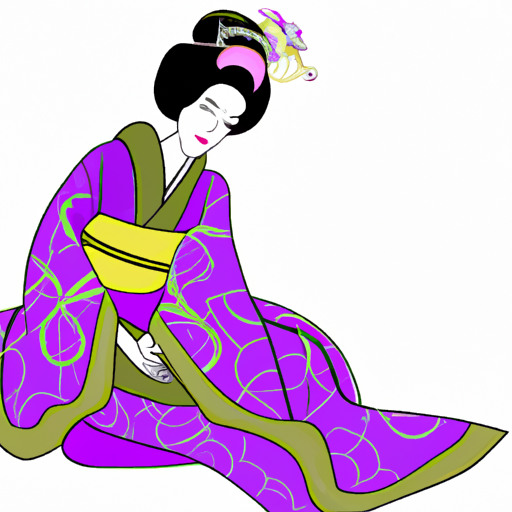
Example of visual style of George Nakashima

George Nakashima

George Nakashima was a Japanese-American woodworker and furniture designer. He is known for his unique style of furniture, which blended elements of traditional Japanese design with modernist influences. Nakashima's work became particularly famous in the 1950s and 1960s. What made him famous was his mastery of craftsmanship and his emphasis on the natural beauty of the wood. He utilized the natural edges and imperfections of the wood to create organic, flowing forms that celebrated the material's natural essence and revealed its history.

View StyleExplore Style
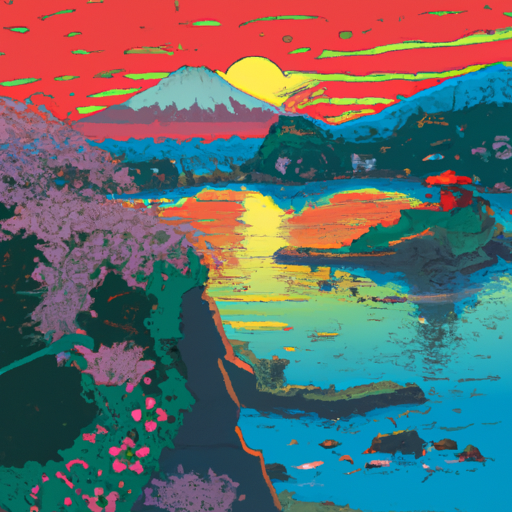
Example of visual style of Hidemaro Fujibayashi

Hidemaro Fujibayashi

Hidemaro Fujibayashi is a visual style developed by Japanese video game director Hidemaro Fujibayashi. This style emerged in the late 2000s and became particularly famous through the critically acclaimed video game 'The Legend of Zelda: Breath of the Wild'. Fujibayashi's visual style blends rich and vibrant open-world environments with a sense of serenity and tranquility. The attention to detail, dynamic lighting, and unique art direction create a visually stunning experience for players, immersing them in a vast and breathtaking world.

View StyleExplore Style
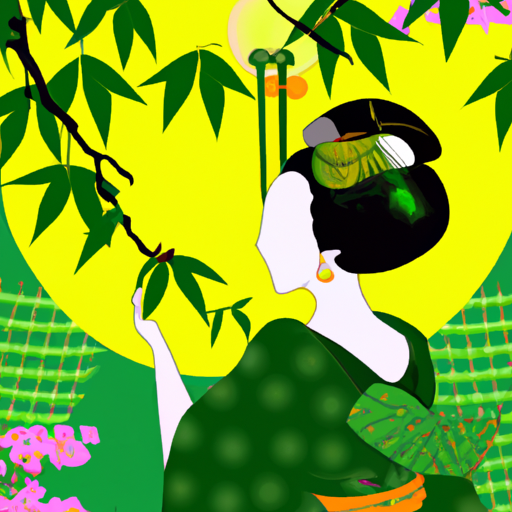
Example of visual style of Hina Aoyama

Hina Aoyama

Hina Aoyama is a Japanese visual style that emerged in the late 1980s and gained popularity in the 1990s. It is characterized by vibrant colors, delicate and intricate patterns, and a fusion of traditional Japanese motifs with contemporary elements. Hina Aoyama became famous for its unique combination of traditional and modern aesthetics, creating a visually captivating and harmonious style. The style gained recognition for its influence on fashion, art, and graphic design in Japan.

View StyleExplore Style
Example of visual style of Hokusai

Hokusai

Hokusai is a Japanese visual style that emerged during the Edo period in the early 19th century. It is primarily known for the woodblock prints created by the artist Katsushika Hokusai. With its vivid colors, intricate details, and delicate lines, Hokusai's work portrayed landscapes, nature, and everyday life scenes. One of his most famous works is 'The Great Wave off Kanagawa' from the series 'Thirty-Six Views of Mount Fuji'. This style gained international recognition, influencing both Western and Japanese art.

View StyleExplore Style
Example of visual style of Hokusai Katsushika

Hokusai Katsushika

Hokusai Katsushika is a Japanese ukiyo-e artist who lived from 1760 to 1849. His unique and influential art style became famous during the Edo period in Japan. Hokusai's most famous work is the series of woodblock prints titled 'Thirty-Six Views of Mount Fuji', which includes the iconic print 'The Great Wave off Kanagawa'. Hokusai's style is characterized by vivid colors, bold lines, and intricate details, capturing the beauty of nature and everyday life in Japan.

View StyleExplore Style
Example of visual style of Japanese Artists

Japanese Artists

Japanese Artists is a visual style that emerged from the art and culture of Japan. It encompasses a wide range of artistic traditions and techniques that have evolved over centuries. The style became famous internationally during the late 19th and early 20th centuries, during a period known as the Japonism movement. Japanese Artists are renowned for their exquisite attention to detail, vibrant colors, and symbolic imagery. Important years for this style include the Edo period (1603-1868) and the Meiji period (1868-1912). The influence of Japanese Artists can be seen in various art forms such as ukiyo-e prints, traditional paintings, anime, manga, and contemporary art.

View StyleExplore Style
Example of visual style of Japanese Cultural Heritage

Japanese Cultural Heritage

Japanese Cultural Heritage is a style that encompasses various artistic and design elements deeply rooted in the traditions and history of Japan. It encompasses a wide range of mediums including painting, sculpture, architecture, textiles, and ceramics. This style is known for its attention to detail, refined aesthetics, and a deep respect for nature. It is influenced by important artistic periods in Japanese history such as the Heian period (794-1185) and Edo period (1603-1868). The use of traditional materials and techniques, such as ink painting, woodblock printing, and origami, contribute to its distinctiveness and cultural significance.

View StyleExplore Style
Example of visual style of Keisai Eisen

Keisai Eisen

Keisai Eisen was a Japanese ukiyo-e artist who worked during the late Edo period. He was active from the late 1820s to the 1840s and is known for his captivating depictions of courtesans, actors, and beautiful women. His prints often showcased the fashion, beauty, and lifestyle of Edo (present-day Tokyo) during that time. Eisen's works became famous for their intricate details, refined composition, and exquisite use of color, which captured the elegance and grace of his subjects.

View StyleExplore Style
Example of visual style of Kenya Hara

Kenya Hara

Kenya Hara is a minimalist Japanese graphic designer known for his influential work in art direction and design. He rose to fame in the late 1990s as the art director for Muji, a renowned Japanese retail company. Hara's visual style is characterized by simplicity, minimalism, and an emphasis on empty space. His designs often feature clean lines, subtle textures, and a limited color palette. Hara is known for his ability to create visually striking and meaningful designs using a minimalist approach.

View StyleExplore Style
Example of visual style of Kikumaro Torii

Kikumaro Torii

Kikumaro Torii was a Japanese ukiyo-e artist known for his dynamic and vibrant prints during the late Edo period (1804-1868). He rose to fame in the early 19th century, primarily creating prints depicting sumo wrestlers, famous kabuki actors, and historical scenes. Torii's prints were notable for their bold lines, bright colors, and exaggerated poses, which captured the energetic spirit of the subjects. His work played a significant role in popularizing ukiyo-e prints as a mass medium in Japan and gaining international recognition for the art form.

View StyleExplore Style
Example of visual style of Kiyomasu Ii Torii

Kiyomasu Ii Torii

Kiyomasu Ii Torii is a Japanese visual style that emerged in the early 18th century, during the Edo period. It is primarily associated with woodblock prints and ukiyo-e art. The style gained prominence during the reign of the Tokugawa shogunate, particularly in the city of Edo (modern-day Tokyo). Kiyomasu Ii Torii is known for its intricate details, vibrant colors, and imaginative depictions of daily life, landscapes, actors, and beautiful women. This style contributed significantly to the popularity of ukiyo-e art, which became highly sought after by both the urban populace and samurai class. Kiyomasu Ii Torii prints are prized for their artistic quality, cultural significance, and portrayal of the essence of Edo society.

View StyleExplore Style
Example of visual style of Makoto Aida

Makoto Aida

Makoto Aida is a contemporary Japanese artist known for his provocative and satirical artworks. His style emerged in the 1990s and gained fame for its bold, often disturbing, and socially critical visual language. Aida's works are characterized by their intricate detail, vibrant colors, and a combination of traditional Japanese techniques and modern pop culture references. His art often explores themes of war, consumerism, sexuality, and the darker aspects of society. Aida gained international recognition with his series 'Monument for Nothing,' exhibited in 2000 at the Yokohama Triennale. This series depicted disturbing scenes of war, violence, and destruction, challenging traditional notions of history and power.

View StyleExplore Style

Home