StylopediaStylopedia

Geometric forms styles on Stylopedia

A visual encyclopedia of Geometric forms styles – use as prompt inspiration for Midjourney, Gemini, or ChatGPT AI when making Geometric forms images

Example of visual style of Bart Van Der Leck

Bart Van Der Leck

Bart Van Der Leck was a Dutch painter and designer known for co-founding the art movement 'De Stijl' (The Style) in 1917. His style is characterized by the use of bold, geometric forms and primary colors. He played a significant role in the development of abstract art and shaped the visual language of the De Stijl movement. Van Der Leck's work became famous for its simplicity and emphasis on basic elements, portraying a harmonious balance between color and form.

View StyleExplore Style
Example of visual style of Bauhaus School

Bauhaus School

The Bauhaus School was a renowned German art and design school that operated from 1919 to 1933. It became famous for its innovative approach to art, craft, and design education. Founded by architect Walter Gropius, the school aimed to unify art, craftsmanship, and technology. The style emphasized functionalism, simplicity, geometric forms, and the use of industrial materials. The integration of art and industry was a key principle of the Bauhaus, impacting architecture, typography, furniture design, and more.

View StyleExplore Style
Example of visual style of Bridgmans Constructive Anatomy

Bridgmans Constructive Anatomy

Bridgmans Constructive Anatomy is a style of drawing human anatomy developed by George Bridgman in the early 20th century. This style became famous for its emphasis on understanding and rendering the underlying structure of the human body. Bridgman introduced simplified geometric forms and detailed skeletal diagrams to aid artists in accurately portraying human figures. His systematic approach to anatomy study revolutionized the way artists approached figure drawing.

View StyleExplore Style
Example of visual style of Charles Rennie Mackintosh

Charles Rennie Mackintosh

Charles Rennie Mackintosh was a Scottish architect, artist, and designer who was active in the late 19th and early 20th centuries. He is well-known for his unique and influential style that combined elements of Art Nouveau and Japanese design with Scottish architecture. Mackintosh's style became famous for its emphasis on simplicity, geometric forms, and incorporation of natural motifs. His works, which included buildings, furniture, and decorative objects, were highly innovative and often featured clean lines, floral patterns, and the use of materials such as glass and iron. Mackintosh's designs had a lasting impact and helped shape the development of modern architecture and design.

View StyleExplore Style
Example of visual style of David Burliuk

David Burliuk

David Burliuk was a Russian avant-garde artist and writer who co-founded the Cubo-Futurist movement. He was active in the early 20th century, particularly between 1910 and 1920. Burliuk's style is characterized by abstract and geometric forms, vibrant colors, and a sense of dynamism and movement. He gained fame for his experimental approach to art, incorporating elements of both Cubism and Futurism. His works often depicted urban scenes, landscapes, and portraits, capturing the energy and modernity of the time.

View StyleExplore Style
Example of visual style of El Lissitzky

El Lissitzky

El Lissitzky, also known as Lazar Markovich Lissitzky, was a Russian artist, designer, and architect. Active during the early 20th century, Lissitzky was a prominent figure in the Russian avant-garde movement. He is known for his unique and influential style that combined geometric forms, bold colors, and dynamic compositions. Lissitzky's work in various mediums such as painting, typography, photomontage, and architecture played a significant role in the development of modern art and design. His innovative use of abstract shapes, asymmetry, and the integration of typography into visual compositions brought a fresh and dynamic approach to visual communication and had a lasting impact on graphic design and the Constructivist movement.

View StyleExplore Style
Example of visual style of Enrico Prampolini

Enrico Prampolini

Enrico Prampolini was an Italian artist and set designer who played a significant role in the development of modern visual art in the early 20th century. He was renowned for his avant-garde and futuristic style, which combined elements of cubism, futurism, and constructivism. Prampolini's work became famous during the 1920s and 1930s, when he created innovative stage sets for ballet and theater productions. His use of geometric forms, bold colors, and dynamic compositions made him a pioneer of modern stage design. Prampolini's designs were characterized by a sense of movement, abstraction, and a futuristic aesthetic, which greatly influenced the visual language of the time.

View StyleExplore Style
Example of visual style of Herbert Bayer

Herbert Bayer

Herbert Bayer was a prominent figure in the Bauhaus movement, a significant art and design school in the 1920s and 1930s. Known for his innovative and versatile style, Bayer's work spanned various mediums including graphic design, typography, photography, and painting. His work during this time is characterized by geometric forms, bold colors, clean lines, and a strong focus on visual communication. Bayer's influential contributions to the field of graphic design and typography helped shape the modernist aesthetic. He became particularly famous for his use of sans-serif typefaces and his experimentation with photomontage techniques. His work laid the foundation for the development of a modern and functional design language in the 20th century.

View StyleExplore Style
Example of visual style of Hildegard Of Bingen

Hildegard Of Bingen

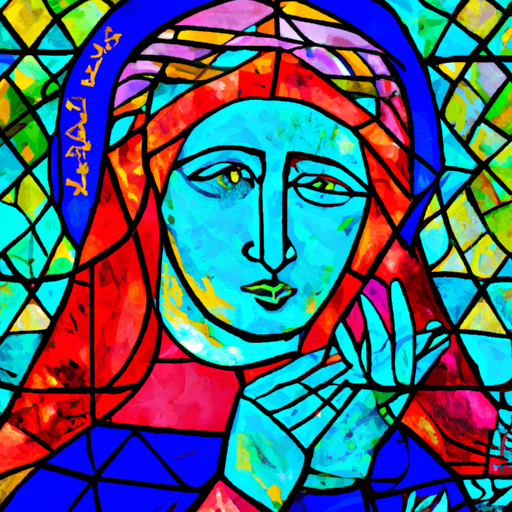
Hildegard of Bingen was a 12th-century German mystic, composer, and writer who is renowned for her illuminated manuscripts. Her visual style was characterized by intricate and detailed illustrations, vibrant colors, and a harmonious blend of organic and geometric forms. Hildegard's famous works include 'Scivias' and 'Liber Divinorum Operum', which showcased her visionary experiences and theological teachings through stunning artwork. Her use of gold leaf, natural motifs, and ethereal figures became iconic in the medieval period and continue to influence artists today.

View StyleExplore Style
Example of visual style of Jan Tschichold

Jan Tschichold

Jan Tschichold was a graphic designer, typographer, and book designer known for his influential work in the early 20th century. He played a key role in the development of modern typography, particularly in the field of book design. Tschichold's most famous work, 'Die neue Typographie', published in 1928, laid out his vision for a new and rational approach to typography. This book became a manifesto for the modernist movement in graphic design and typography. Tschichold's style emphasized clean lines, geometric forms, asymmetry, and functionalism.

View StyleExplore Style
Example of visual style of Josef Albers

Josef Albers

Josef Albers was a German-born artist known for his iconic series 'Homage to the Square'. This style, popularized in the mid-20th century, focused on the exploration of color and optical illusions. Albers meticulously studied the interactions of different color combinations and geometric forms, creating abstract compositions that played with perception and depth. His work became famous for its ability to create visual tension and evoke emotional responses through precise color relationships.

View StyleExplore Style
Example of visual style of Josef Hoffmann

Josef Hoffmann

Josef Hoffmann was an Austrian architect and designer who was a key figure in the development of the Vienna Secession and Wiener Werkstätte movements. Active in the late 19th and early 20th centuries, Hoffmann's visual style is characterized by its clean lines, geometric forms, and emphasis on functionality. His designs are often considered a fusion of modernism and traditional craftsmanship. Hoffmann's work became famous for its innovative use of materials and his attention to detail. His style gained popularity in the early 1900s and continues to influence modern design today.

View StyleExplore Style
Example of visual style of Juan Gris

Juan Gris

Juan Gris was a Spanish painter and sculptor who was a leading figure in the art movement known as Cubism. He was active from around 1910 until his death in 1927. Gris is famous for his innovative approach to composition and his use of geometric forms and bright, bold colors. His works often feature everyday objects and musical instruments, and he was known for his meticulous attention to detail. Gris' style brought a new level of abstraction to Cubism, creating a sense of order and harmony in his paintings.

View StyleExplore Style
Example of visual style of Leon Battista Alberti

Leon Battista Alberti

Leon Battista Alberti was an Italian Renaissance architect, art theorist, and humanist. He is best known for his book 'De re aedificatoria' (On the Art of Building), which outlined the principles of architecture and influenced the development of Renaissance architecture. The style associated with Alberti is characterized by balance, symmetry, and classical proportions. It emphasizes the use of geometric forms, such as arches, columns, and domes. Alberti's ideas and writings played a significant role in the revival of classical architecture during the Renaissance.

View StyleExplore Style
Example of visual style of Liubov Popova

Liubov Popova

Liubov Popova was a Russian avant-garde artist known for her suprematism and constructivist works. She emerged in the early 20th century and became famous for her exploration of geometric forms and abstract compositions. Popova's style is characterized by dynamic shapes, bold colors, and the use of simple geometric elements. She experimented with a variety of mediums including painting, textile design, architecture, and stage design. Her works often conveyed a sense of movement and energy, reflecting the spirit of the time. Popova was a key figure in the Russian avant-garde movement and her contributions to abstract art continue to be influential.

View StyleExplore Style
Example of visual style of Max Bill

Max Bill

The Max Bill visual style emerged in the 1950s and is characterized by its simplicity, precision, and mathematical influence. Max Bill, a Swiss architect, artist, and designer, played a pivotal role in popularizing this style. He believed in the integration of art, design, and technology, often combining geometric forms with clean lines and harmonious proportions. The style gained fame through Bill's groundbreaking work in product design, typography, and graphic design.

View StyleExplore Style

Example of visual style of Orphism

Orphism

Orphism was an abstract art movement that emerged in the early 20th century, particularly between 1912 and 1914. It was developed by a group of artists including Robert Delaunay and Sonia Delaunay-Terk. Orphism is characterized by its use of vibrant colors, geometric forms, and abstract compositions, inspired by the theories of Analytical Cubism. It aimed to convey the dynamism and energy of the modern world through the interaction of colors. Orphism is famous for its optical effects, such as the use of simultaneous contrast and the creation of a harmonious visual rhythm.

View StyleExplore Style
Example of visual style of Paul Cezanne

Paul Cezanne

Paul Cezanne was a French post-impressionist painter who lived from 1839 to 1906. He is known for his unconventional perspective and use of geometric forms. Cezanne's work laid the foundation for the transition from 19th-century art to a new and radically different 20th-century art. He is famous for his still-life paintings, landscapes, and portraits, where he explored the relationship between color, form, and space. Cezanne's unique approach to composition and his emphasis on structure and volume greatly influenced modern art.

View StyleExplore Style
Example of visual style of Richard Meier

Richard Meier

Richard Meier is an American architect known for his sleek and modernist designs. His style emerged in the 1960s and gained prominence in the following decades. Meier is famous for his use of light, white surfaces, and geometric forms. His buildings are characterized by their clean lines, open spaces, and emphasis on natural light. Meier's designs often incorporate glass and white materials, creating a sense of transparency and purity. His work reflects a minimalist aesthetic that emphasizes simplicity and clarity.

View StyleExplore Style

Example of visual style of Robert Morris

Robert Morris

Robert Morris is a visual artist associated with the Minimalist movement of the 1960s. His work, particularly between 1961 and 1970, helped redefine the boundaries of sculpture by emphasizing simplicity, geometric forms, and industrial materials. Morris's use of sculptural installations and geometric shapes, such as cubes and rectangular prisms, challenged traditional notions of art and explored ideas of space, time, and perception. His work in the 1960s, along with other Minimalist artists, gained international recognition and established him as a key figure in contemporary art.

View StyleExplore Style
Example of visual style of Theo Van Doesburg

Theo Van Doesburg

Theo Van Doesburg was a Dutch artist and founder of De Stijl, a major art movement in the early 20th century. His style, known as Neoplasticism, emerged in the 1910s and gained fame for its emphasis on geometric forms, primary colors, and the reduction of art to its fundamental elements. Van Doesburg's style became famous for its bold and abstract compositions, which sought to achieve a universal visual language. It was a response to the chaos of World War I and aimed to create a harmonious and balanced world through art.

View StyleExplore Style
Home