
Amarna Period
A distinct artistic style during the reign of Pharaoh Akhenaten in ancient Egypt (1353-1336 BC). Known for its naturalistic, elongated figures, exaggerated features, and intimate portrayals of royal family life.
View StyleExplore Style Stylopedia
A visual encyclopedia of Exaggerated features styles – use as prompt inspiration for Midjourney, Gemini, or ChatGPT AI when making Exaggerated features images
A distinct artistic style during the reign of Pharaoh Akhenaten in ancient Egypt (1353-1336 BC). Known for its naturalistic, elongated figures, exaggerated features, and intimate portrayals of royal family life.
View StyleExplore Style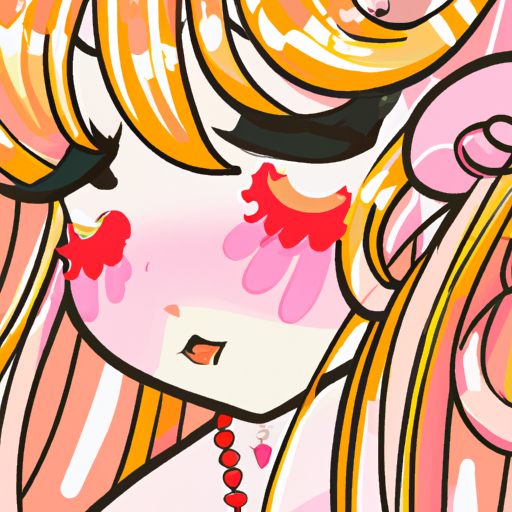
Anime is a style of animation that originated in Japan in the early 20th century. It became popular during the 1980s and 1990s, and continues to be influential today. Anime is characterized by its vibrant and colorful visuals, exaggerated features, and fantastical themes. This style gained fame for its unique storytelling techniques, complex characters, and fusion of traditional Japanese art with modern animation techniques.
View StyleExplore Style
Anime Artists is a visual style that originated in Japan in the early 20th century and became popular worldwide by the mid-20th century. This style is characterized by its distinctive exaggerated features, vibrant colors, and often fantastical themes. Anime Artists gained popularity through the rise of Japanese animation and manga, with notable years being around the 1950s and 1960s. What made this style famous is its ability to capture emotions and dynamic movements in a visually striking manner, as well as its unique storytelling techniques. It has since become a global phenomenon, inspiring countless artists and animators around the world.
View StyleExplore Style
Anime style is a distinctive art form that originated in Japan in the 20th century. It gained popularity in the mid-1960s and continues to be widely recognized today. This style is characterized by its colorful and vibrant visuals, exaggerated features, expressive facial expressions, and often intricate backgrounds. Anime became famous for its ability to captivate audiences with imaginative storytelling and compelling characters, often crossing genres to explore a wide range of themes, from fantasy and science fiction to romance and drama.
View StyleExplore Style
Anime Style Graphics is a distinctive and popular style of animation originating from Japan. This style rose to prominence in the 1960s and has since become a global phenomenon. Known for its vibrant colors, exaggerated features, and expressive facial expressions, anime has captivated audiences with its unique storytelling and imaginative worlds. It combines elements of traditional Japanese art with influences from Western animation. Anime Style Graphics gained widespread recognition through iconic series like Dragon Ball, Sailor Moon, and Naruto, as well as films by renowned directors like Hayao Miyazaki. Its fusion of fantasy, action, and emotional depth continues to make it a celebrated and influential visual style worldwide.
View StyleExplore Style
The Dick Tracy visual style is characterized by bold, bright colors, clean lines, and exaggerated features. Made famous by the comic strip created by Chester Gould in 1931, this style evokes a nostalgic, retro-futuristic aesthetic.
View StyleExplore Style
The Disney House Style is characterized by bright colors, simple shapes, and exaggerated features. Popularized by Disney animation studios in the early to mid-20th century, this style is known for its whimsical and often fantastical characters and settings.
View StyleExplore Style
J Scott Campbell is known for his highly stylized artwork featuring voluptuous female characters with exaggerated features, including large eyes and full lips. He rose to fame in the 1990s with his work on Gen13 and Danger Girl, captivating audiences with his unique blend of realism and fantasy.
View StyleExplore Style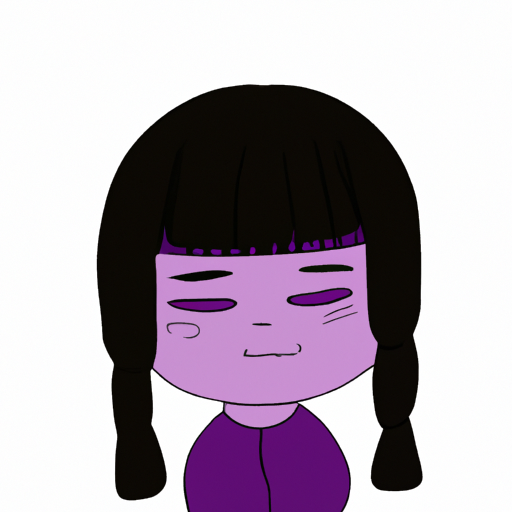
Japanese Animation, also known as anime, is a distinctive visual style that emerged in Japan in the early 20th century. It became famous worldwide during the second half of the 20th century, with notable years being the 1980s and 1990s. Anime is characterized by its vibrant colors, exaggerated features, expressive and emotive characters, and intricate backgrounds. It encompasses a wide range of genres, from fantasy and science fiction to romance and slice of life.
View StyleExplore Style
Manga Art is a style of Japanese comic book and graphic novel illustration that originated in the early 20th century. It gained popularity in the 1950s and 1960s with the works of influential artists like Osamu Tezuka and Shotaro Ishinomori. Manga Art is characterized by its distinctive exaggerated features, emotive expressions, and dynamic action sequences. It is known for its expressive characters and intricate storylines, which often blend elements of fantasy, science fiction, and everyday life.
View StyleExplore Style
Mort Drucker's visual style can be described as detailed caricature illustrations with exaggerated features and distinctive expressions. His style became widely popular during the 1960s and 1970s through his work for Mad magazine. Drucker's ability to capture the likeness of celebrities and political figures in a humorous and satirical way made his illustrations iconic.
View StyleExplore Style
Scott Kurtz is known for his simplistic yet expressive cartoon style, characterized by bold lines, exaggerated features, and comedic expressions. He rose to fame in the early 2000s through his webcomic 'PvP', which showcased his distinctive humor and storytelling.
View StyleExplore Style
Segar is a visual style that originated in the early 20th century, famous for its bold lines, exaggerated features and dynamic movement. It gained prominence through the work of E.C. Segar, creator of the iconic cartoon character Popeye.
View StyleExplore Style
Skottie Young's visual style is known for its whimsical and cartoonish characters, often featuring exaggerated features and vibrant colors. Young gained fame for his work on Marvel Comics, especially his unique variant covers for various Marvel titles.
View StyleExplore Style
Sylvain Chomet's visual style is characterized by exaggerated features, caricatured designs, and a whimsical, surreal aesthetic. His works, such as The Triplets of Belleville and The Illusionist, gained fame for their unique animation style and storytelling.
View StyleExplore Style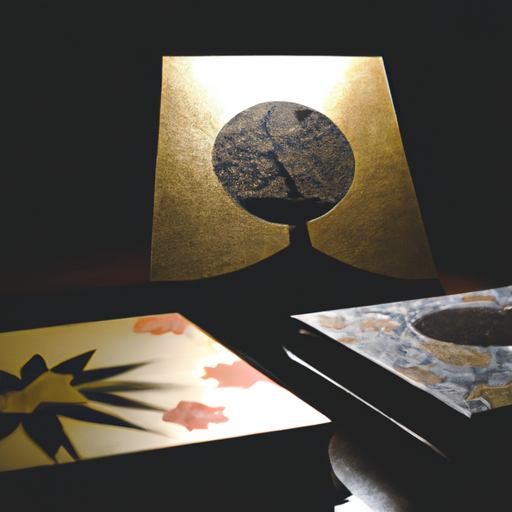
Tawaraya Statsu is a traditional Japanese art style that emerged in the Heian period (794-1185). It is famous for its intricate and highly detailed illustrations, characterized by the use of vibrant colors, exaggerated features, and elements of fantasy. The style gained prominence during the Edo period (1603-1868) when Tawaraya Sotatsu, a renowned Japanese painter, started incorporating the style into his works. Tawaraya Statsu became famous for its distinctive depictions of mythical creatures, deities, and scenes from Japanese folklore. The style continues to inspire contemporary artists and designers.
View StyleExplore Style
The Tommy Pickles visual style originated in the 1990s through the popular animated TV show 'Rugrats'. This style is characterized by bold outlines, bright colors, and exaggerated features, giving a playful and childlike appearance.
View StyleExplore Style
Toshusai Sharaku was a Japanese ukiyo-e print designer who worked in the Edo period. He is known for his striking portraits of kabuki actors, characterized by bold outlines and exaggerated features. Active in the late 18th century, Sharaku's work became famous for its unique and stylized approach to portraiture.
View StyleExplore Style
Yogi Bear is a visual style that originated in the 1960s. It is known for its cartoonish and playful aesthetic, characterized by vibrant colors, exaggerated features, and comedic expressions. Yogi Bear, created by Hanna-Barbera, is a famous animated character that embodies this style. The popularity of Yogi Bear helped elevate this style into the mainstream and made it a recognizable part of pop culture.
View StyleExplore Style