StylopediaStylopedia

Edo period styles on Stylopedia

A visual encyclopedia of Edo period styles – use as prompt inspiration for Midjourney, Gemini, or ChatGPT AI when making Edo period images

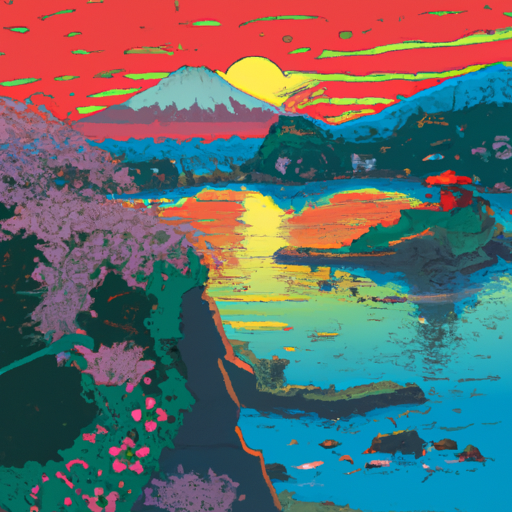
Example of visual style of Edo Period Art

Edo Period Art

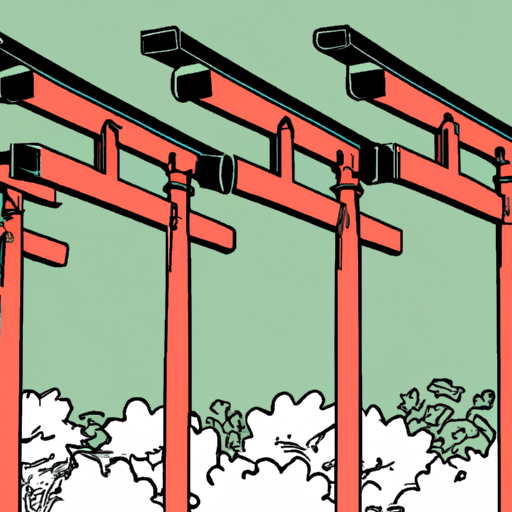
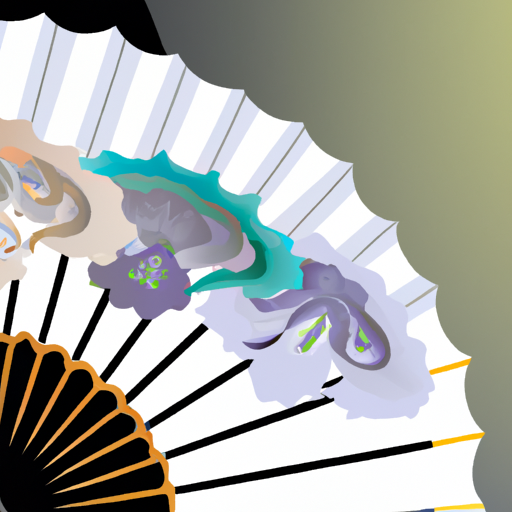
Edo Period Art refers to the artistic style that emerged during the Edo period in Japan, which spanned from 1603 to 1868. This period is also known as the Tokugawa period, named after the ruling Tokugawa shogunate. Edo Period Art is famous for its vivid and detailed depictions of various subjects such as landscapes, nature, daily life, kabuki theater, and ukiyo-e (woodblock prints). These artworks often showcased a combination of meticulous craftsmanship, vibrant colors, and a keen observation of the natural world. Edo Period Art played a crucial role in shaping the cultural and aesthetic identity of Japan during this time.

View StyleExplore Style
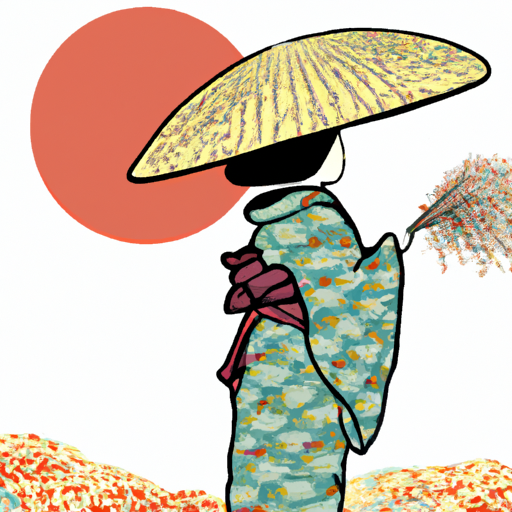
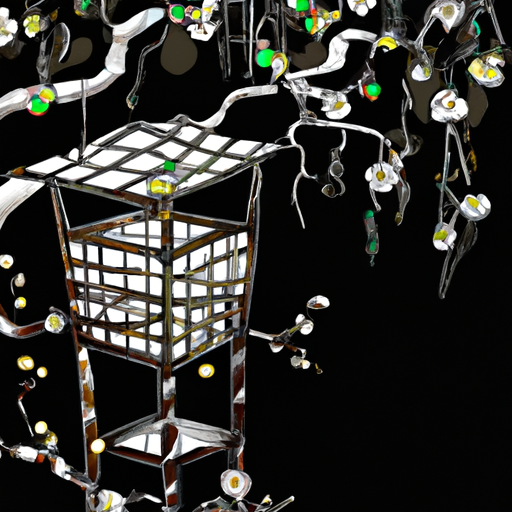
Example of visual style of Hiroshige

Hiroshige

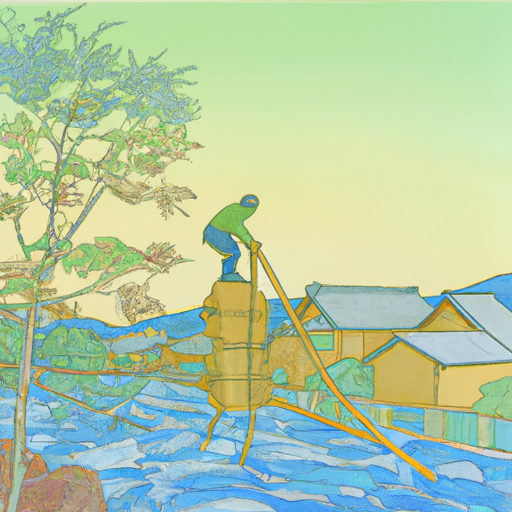
Hiroshige is a Japanese ukiyo-e artist who became famous for his landscape prints during the Edo period (1603-1868). He is best known for his series 'Fifty-three Stations of the Tōkaidō' and 'One Hundred Famous Views of Edo'. Hiroshige's visual style captures the beauty of nature, seasons, and atmospheric conditions with his use of vibrant colors, delicate lines, and meticulous details. His prints often depict scenes of famous landmarks, serene landscapes, and everyday life. Through his unique compositions and skillful use of perspective, Hiroshige's works have had a profound influence on both Japanese and Western art.

View StyleExplore Style
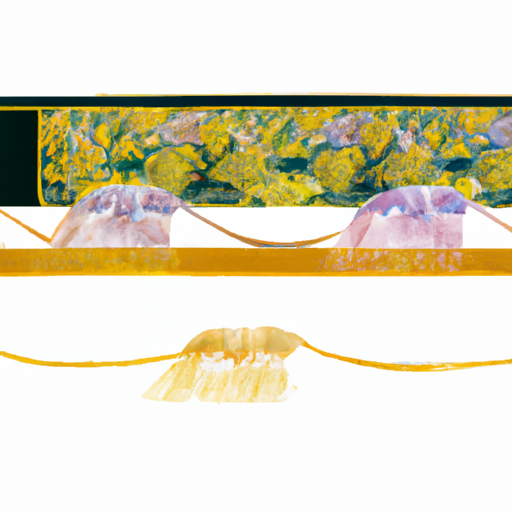
Example of visual style of Hokusai

Hokusai

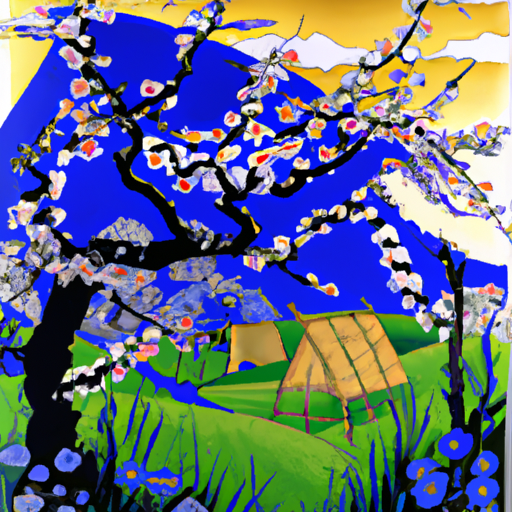
Hokusai is a Japanese visual style that emerged during the Edo period in the early 19th century. It is primarily known for the woodblock prints created by the artist Katsushika Hokusai. With its vivid colors, intricate details, and delicate lines, Hokusai's work portrayed landscapes, nature, and everyday life scenes. One of his most famous works is 'The Great Wave off Kanagawa' from the series 'Thirty-Six Views of Mount Fuji'. This style gained international recognition, influencing both Western and Japanese art.

View StyleExplore Style
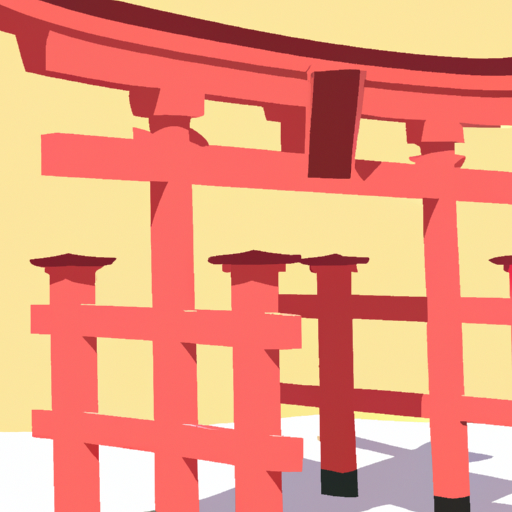
Example of visual style of Japanese Art

Japanese Art

Japanese Art is a style of visual arts that has a rich and diverse history. It encompasses various art forms such as painting, calligraphy, ceramics, and woodblock prints. Japanese Art is renowned for its unique aesthetic and meticulous craftsmanship. It has been influenced by both the traditional Japanese culture and outside influences, such as Chinese and Western art. Important periods in Japanese Art include the Heian period (794-1185) known for its elegant court painting and the Edo period (1603-1868) where ukiyo-e, a genre of woodblock prints, became immensely popular both within Japan and internationally.

View StyleExplore Style
Example of visual style of Japanese Artists

Japanese Artists

Japanese Artists is a visual style that emerged from the art and culture of Japan. It encompasses a wide range of artistic traditions and techniques that have evolved over centuries. The style became famous internationally during the late 19th and early 20th centuries, during a period known as the Japonism movement. Japanese Artists are renowned for their exquisite attention to detail, vibrant colors, and symbolic imagery. Important years for this style include the Edo period (1603-1868) and the Meiji period (1868-1912). The influence of Japanese Artists can be seen in various art forms such as ukiyo-e prints, traditional paintings, anime, manga, and contemporary art.

View StyleExplore Style
Example of visual style of Kano School

Kano School

The Kano School is a Japanese school of painting that flourished from the 16th to the 19th centuries. It became famous for its distinctive visual style blending traditional Japanese techniques with Chinese-inspired motifs. The style reached its peak during the Momoyama period (late 16th century) and the early Edo period (17th century), gaining recognition for its influence in the art world. The Kano School is renowned for its use of bold, vibrant colors, intricate details, and realistic depictions of nature. They often created large-scale works, including screens and sliding doors for temples, castles, and residences.

View StyleExplore Style
Example of visual style of Katsushika

Katsushika

Katsushika is a visual style that emerged in Edo (Tokyo), Japan during the Edo period (1603-1868). It is famous for its ukiyo-e woodblock prints, which became popular in the 17th century. These prints depicted scenes from everyday life, including landscapes, courtesans, actors, and historical events. Katsushika artists, such as Hokusai and Hiroshige, played a significant role in popularizing this style, especially their series of prints such as 'Thirty-Six Views of Mount Fuji' and 'One Hundred Famous Views of Edo.' The intricate detail, vibrant colors, and stylized compositions of Katsushika prints made them highly sought-after and influential in both Japan and Western art.

View StyleExplore Style
Example of visual style of Keisai Eisen

Keisai Eisen

Keisai Eisen was a Japanese ukiyo-e artist who worked during the late Edo period. He was active from the late 1820s to the 1840s and is known for his captivating depictions of courtesans, actors, and beautiful women. His prints often showcased the fashion, beauty, and lifestyle of Edo (present-day Tokyo) during that time. Eisen's works became famous for their intricate details, refined composition, and exquisite use of color, which captured the elegance and grace of his subjects.

View StyleExplore Style
Example of visual style of Kiyomasu Ii Torii

Kiyomasu Ii Torii

Kiyomasu Ii Torii is a Japanese visual style that emerged in the early 18th century, during the Edo period. It is primarily associated with woodblock prints and ukiyo-e art. The style gained prominence during the reign of the Tokugawa shogunate, particularly in the city of Edo (modern-day Tokyo). Kiyomasu Ii Torii is known for its intricate details, vibrant colors, and imaginative depictions of daily life, landscapes, actors, and beautiful women. This style contributed significantly to the popularity of ukiyo-e art, which became highly sought after by both the urban populace and samurai class. Kiyomasu Ii Torii prints are prized for their artistic quality, cultural significance, and portrayal of the essence of Edo society.

View StyleExplore Style
Example of visual style of Kunisada Utagawa

Kunisada Utagawa

Kunisada Utagawa was a prominent ukiyo-e artist in Japan during the Edo period (1781-1865). He gained popularity for his prints which depicted Kabuki actors and beautiful women. From 1800 to 1844, his works captured the essence of the Edo culture and became highly sought-after. Kunisada's style emphasized intricate details, vibrant colors, and dynamic compositions. He utilized various printing techniques to create intricate patterns on clothing and backgrounds. His ability to capture the facial expressions and emotions of the characters made his prints stand out. Kunisada's works were widely circulated and greatly influenced the ukiyo-e genre, making him one of the most celebrated ukiyo-e artists of all time.

View StyleExplore Style
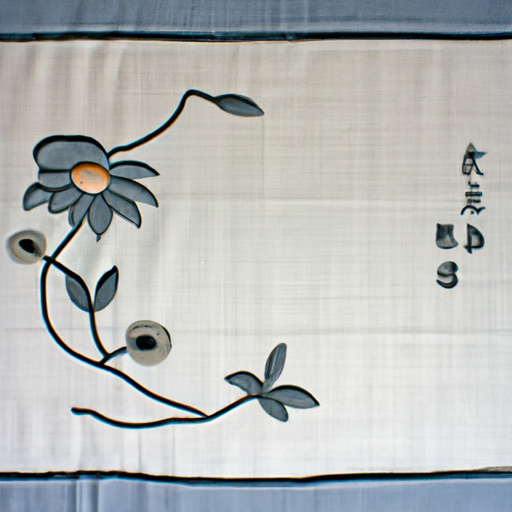
Example of visual style of Maruyama Shijo School Of Painting

Maruyama Shijo School Of Painting

The Maruyama Shijo School of Painting, developed in the late 18th century in Japan, gained prominence during the Edo period. It was founded by Maruyama Okyo and flourished under his disciples. This style is famous for its naturalistic depictions of subjects, which included landscapes, birds, flowers, and animals. Maruyama Shijo School introduced the idea of capturing a subject's essence rather than merely imitating their appearance, resulting in a more expressive and emotive representation of nature. It influenced later Japanese artists and had a lasting impact on the development of modern Japanese painting.

View StyleExplore Style
Example of visual style of Rinpa

Rinpa

Rinpa is a Japanese visual style that flourished in the late 16th century and 17th century. It gained popularity during the Edo period and is known for its elegant and decorative motifs. Rinpa is characterized by its use of vibrant colors, flowing brushstrokes, and luxurious gold and silver leaf accents. This style became famous for its incorporation of natural elements such as flowers, birds, and landscapes, as well as its emphasis on asymmetry and dynamic compositions.

View StyleExplore Style
Example of visual style of Tani Buncho

Tani Buncho

Tani Buncho was a prominent Japanese painter and poet during the Edo period (late 18th to early 19th century). His style of painting, known as 'Tani School', became famous for its bold brushwork and vibrant colors. Buncho was greatly influenced by Chinese literati painting, which emphasized capturing the essence of a subject rather than its realistic depiction. He blended this influence with his own innovative techniques, including the use of calligraphic brushstrokes and expressive lines. Tani Buncho's works often portrayed landscapes, birds, flowers, and mythical themes. His artistic contributions and unique style left a lasting impact on the Japanese art scene.

View StyleExplore Style
Example of visual style of Tawaraya Statsu

Tawaraya Statsu

Tawaraya Statsu is a traditional Japanese art style that emerged in the Heian period (794-1185). It is famous for its intricate and highly detailed illustrations, characterized by the use of vibrant colors, exaggerated features, and elements of fantasy. The style gained prominence during the Edo period (1603-1868) when Tawaraya Sotatsu, a renowned Japanese painter, started incorporating the style into his works. Tawaraya Statsu became famous for its distinctive depictions of mythical creatures, deities, and scenes from Japanese folklore. The style continues to inspire contemporary artists and designers.

View StyleExplore Style
Example of visual style of Tawaraya Tatsu

Tawaraya Tatsu

Tawaraya Tatsu is a Japanese visual style that originated in the Edo period during the late 17th century. Known for its vibrant and intricate designs, this style became famous for its depictions of fantastical creatures, landscapes, and nature. The signature feature of Tawaraya Tatsu is the combination of bold colors, detailed line work, and a sense of movement in the illustrations. This style gained recognition for its contribution to Ukiyo-e, a genre of woodblock prints and paintings. Tawaraya Tatsu's popularity peaked in the late 18th and early 19th century, and it continues to inspire contemporary artists today.

View StyleExplore Style
Example of visual style of Torii Kiyonaga

Torii Kiyonaga

Torii Kiyonaga was a Japanese ukiyo-e artist of the Torii school during the Edo period. Active from the late 18th century until his death in 1815, Kiyonaga's visual style focused on portraying the idealized beauty of women and capturing the daily lives of the urban bourgeoisie. His prints often depicted elegant and fashionable women engaged in various leisure activities such as strolling, attending festivals, or enjoying tea ceremonies. Kiyonaga's famous works include the series 'Five Modern Beauties' and 'Mirror of Women's Fashions'. His meticulous attention to detail and innovative use of color made him one of the leading ukiyo-e artists of his time.

View StyleExplore Style
Example of visual style of Torii School

Torii School

Torii School is a traditional Japanese painting style that flourished during the Edo period (1603-1868). It is named after the Torii family, who were renowned artists of this style. Torii School became famous for its vibrant and dynamic illustrations, typically depicting kabuki actors, historical events, and folklore. The style gained popularity due to its ability to capture the dramatic expressions and movements of the subjects, making the paintings come alive.

View StyleExplore Style
Example of visual style of Tosa Mitsuoki

Tosa Mitsuoki

Tosa Mitsuoki was a Japanese painter from the Tosa school during the Edo period. Active from the late 17th century to the early 18th century, Tosa Mitsuoki is best known for his intricate and highly detailed paintings, which often depicted historical and mythological subjects. His works focused on traditional Japanese themes and were executed in a meticulous and sophisticated style. Tosa Mitsuoki's fame was largely due to his ability to incorporate both Chinese and Japanese painting techniques, creating a unique fusion that appealed to a wide audience. His work greatly influenced subsequent generations of artists and his legacy continues to be celebrated in the world of Japanese art.

View StyleExplore Style
Example of visual style of Tsukioka Yoshitoshi

Tsukioka Yoshitoshi

Tsukioka Yoshitoshi was a Japanese ukiyo-e artist who lived from 1839 to 1892. He is widely recognized as the last great master of the traditional ukiyo-e style and is known for his vivid and imaginative prints. Yoshitoshi's works became famous for their exaggerated and dramatic depictions, often exploring themes of violence, fantasy, and supernatural beings. He gained popularity during the late Edo period and continued his artistic contributions during the Meiji era.

View StyleExplore Style
Home