StylopediaStylopedia

Baroque styles on Stylopedia

A visual encyclopedia of Baroque styles – use as prompt inspiration for Midjourney, Gemini, or ChatGPT AI when making Baroque images

Example of visual style of Andre Le Notre

Andre Le Notre

Andre Le Notre was a French landscape architect. He was born in 1613 and worked predominantly in the 17th century. Le Notre is best known for his garden designs, particularly the extensive formal gardens of the French Baroque style. His designs emphasized symmetry, geometric patterns, and the integration of architecture and landscape. Le Notre's work was characterized by his use of grand terraces, ornamental parterres, fountains, and reflecting pools. His famous works include the gardens of Versailles and Vaux-le-Vicomte. Le Notre's style became synonymous with the opulence and grandeur of the French royal court during the reign of Louis XIV.

View StyleExplore Style
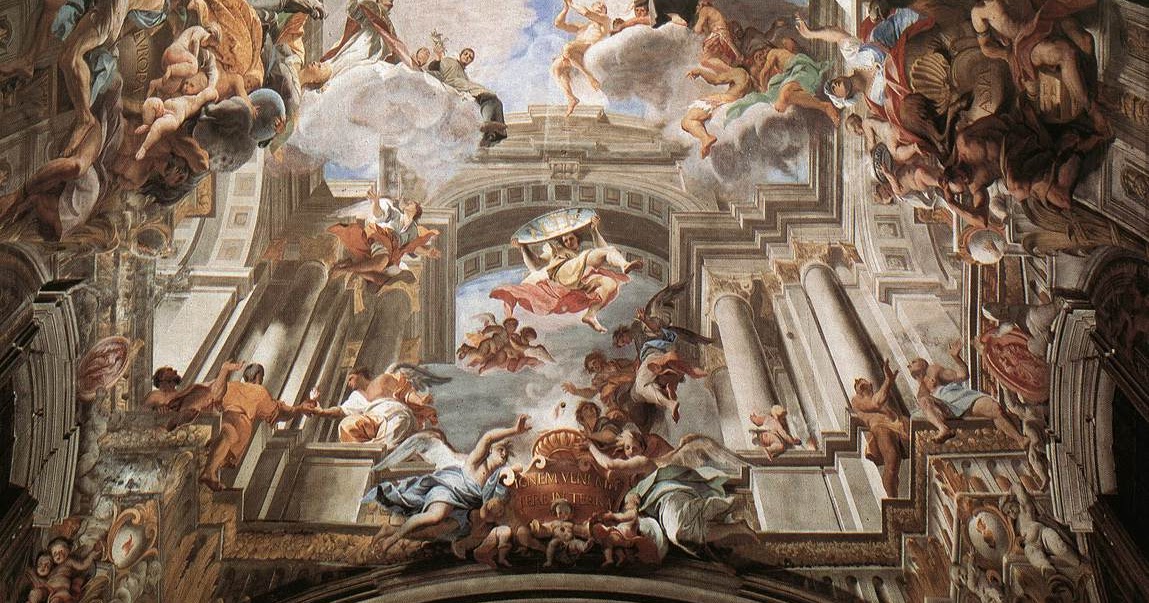
Example of visual style of Annibale Carracci

Annibale Carracci

Annibale Carracci was an Italian painter of the late 16th and early 17th centuries. He is widely recognized as one of the founders of the Baroque style of painting. Carracci's work is characterized by a naturalistic and classical approach, blending elements of Renaissance art with a new emphasis on dramatic effects and emotional expression. His famous works include 'The Assumption of the Virgin' (1600-1601) and 'The Flight into Egypt' (1603-1604). Carracci's innovative use of light and color, along with his skillful composition and attention to detail, made him a prominent figure in the development of the Baroque movement.

View StyleExplore Style
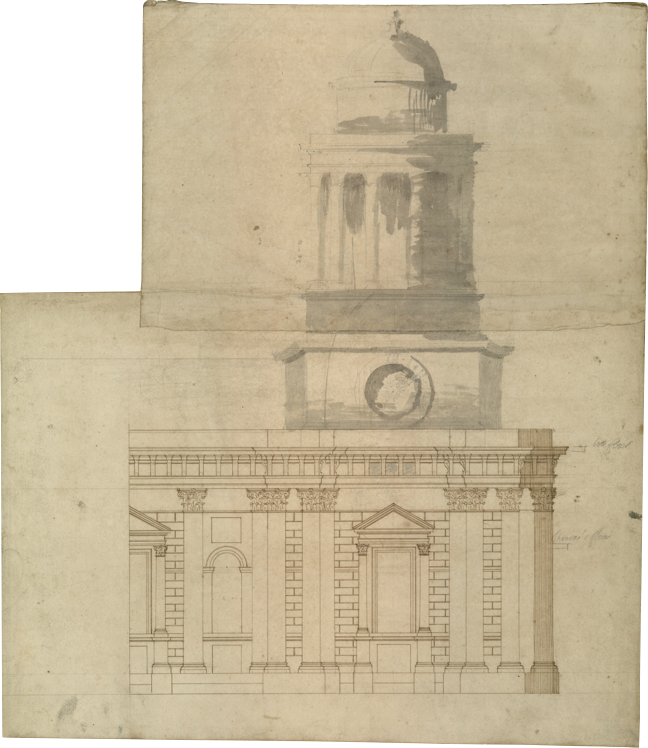
Example of visual style of Antoine Le Pautre

Antoine Le Pautre

Antoine Le Pautre was a French draughtsman and architect known for his intricate and ornate Baroque designs. Active during the late 17th century in France, his style was characterized by lavish decoration, grandeur, and symmetry. Le Pautre's work became famous for its opulence and his ability to create intricate and detailed designs for palaces, mansions, and churches, often incorporating elements such as intricate carvings, elaborate moldings, and extravagant embellishments.

View StyleExplore Style
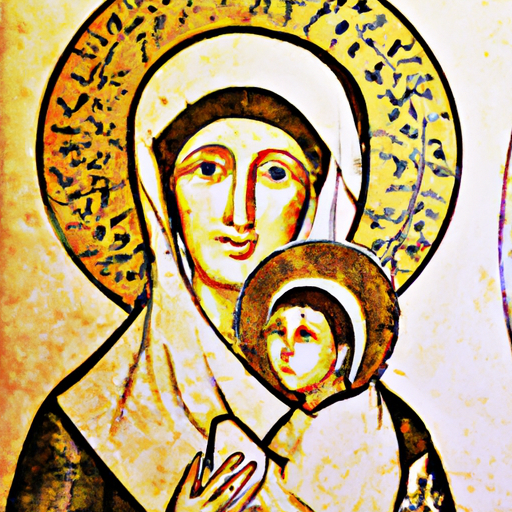
Example of visual style of Artemisia Gentileschi

Artemisia Gentileschi

Artemisia Gentileschi was an Italian Baroque painter who became famous for her powerful, dramatic, and often visceral depictions of biblical and mythological women. Active during the 17th century, her style is characterized by dynamic compositions, rich colors, and a focus on the emotional intensity of her subjects. Gentileschi's work is known for its emphasis on female protagonists, as well as her use of chiaroscuro and naturalistic details. She is regarded as one of the most important female artists of her time.

View StyleExplore Style
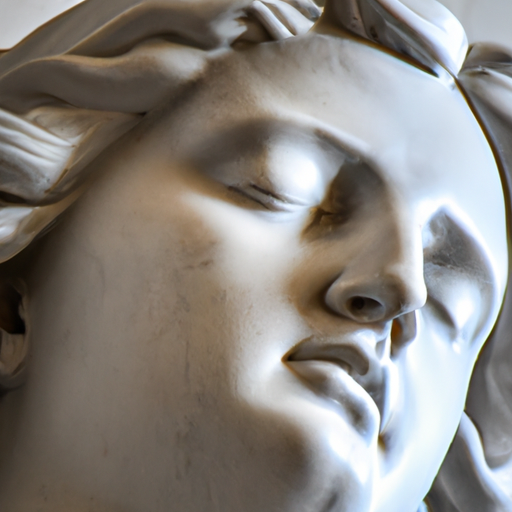
Example of visual style of Bernini

Bernini

Bernini is a Baroque style of visual art that emerged in the 17th century. It is named after the Italian artist Gian Lorenzo Bernini, who was a prominent figure of this style. Bernini is famous for his elaborate and dynamic sculptures that depict intense emotion and movement. He revolutionized the field of sculpture by creating lifelike and dramatic compositions. His works often featured intricate details and a sense of theatricality, capturing the viewer's attention. Bernini's mastery of marble and ability to convey expressions and gestures with great realism made him one of the most renowned artists of his time.

View StyleExplore Style
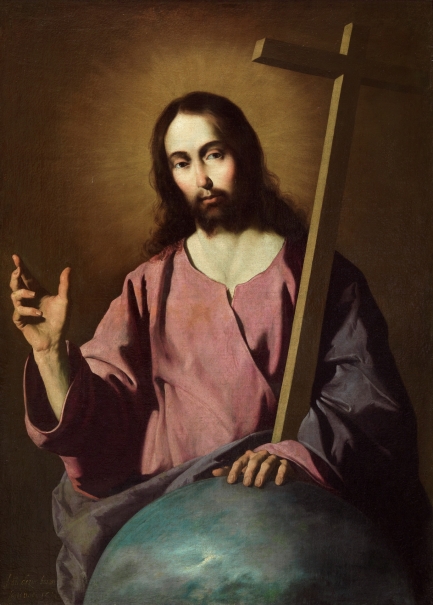
Example of visual style of Caravaggio

Caravaggio

Caravaggio is an Italian Baroque art style that emerged in the late 16th and early 17th centuries. It is characterized by its dramatic use of light and shadow, known as chiaroscuro, which creates a strong contrast between illuminated subjects and dark backgrounds. Caravaggio's revolutionary approach to painting, with its emphasis on naturalism and his ability to capture the emotional intensity of his subjects, made him one of the most influential artists of his time.

View StyleExplore Style
Example of visual style of Fine Art

Fine Art

Fine Art is a style of visual art that emerged during the Renaissance in the 14th century and continues to the present day. It encompasses a wide range of artistic expressions, including painting, sculpture, printmaking, and drawing. Fine Art is characterized by its emphasis on aesthetic and intellectual qualities rather than practical or utilitarian concerns. It is often associated with the pursuit of beauty, creativity, and self-expression. Some famous fine art movements include the Renaissance, Baroque, Impressionism, and Abstract Expressionism.

View StyleExplore Style
Example of visual style of Francesco Borromini

Francesco Borromini

Francesco Borromini was an Italian architect and prominent figure of the Baroque style in the 17th century. His architectural style is characterized by dynamic and elaborate designs, intricate use of curves, undulating walls, and a sense of motion. Borromini's innovative use of concave and convex forms, coupled with his mastery of light and shadow, created a unique and dramatic visual experience. His works were known for their grandeur, theatricality, and attention to detail. Borromini is famous for his contributions to the Church of Sant'Ivo alla Sapienza and the San Carlo alle Quattro Fontane in Rome, which are considered masterpieces of Baroque architecture.

View StyleExplore Style
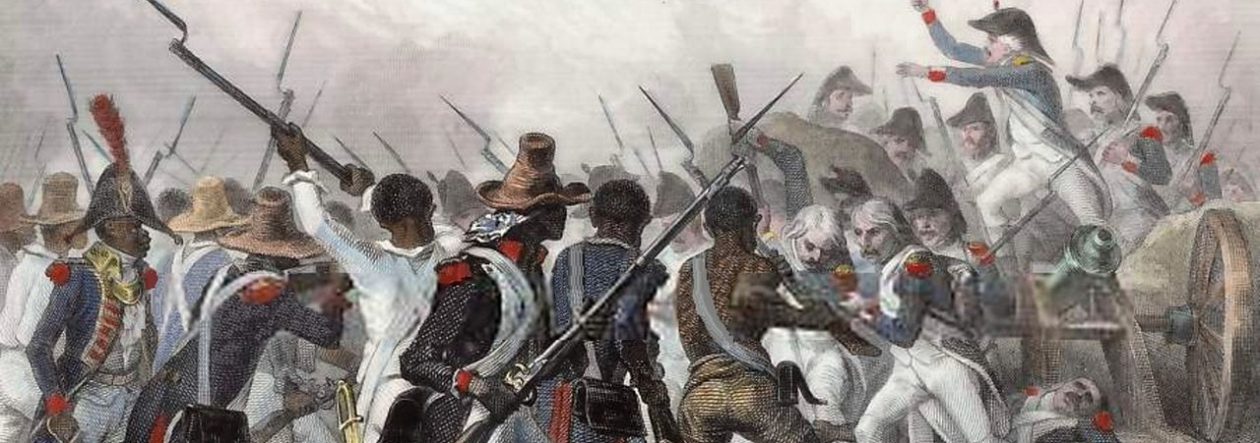
Example of visual style of French Opera

French Opera

French Opera is a visual style that emerged in France during the 17th and 18th centuries. It became prominent during the reign of Louis XIV and continued to flourish throughout the Enlightenment period. This style is most famous for its opulence, grandeur, and theatricality. It was characterized by extravagant costumes, elaborate stage designs, and intricate set pieces. French Opera combined elements of baroque and rococo aesthetics, combining rich ornamentation, delicate details, and a sense of luxury. The style gained popularity due to the influence of important composers like Jean-Baptiste Lully and Jean-Philippe Rameau. It became a symbol of French culture and artistic expression.

View StyleExplore Style
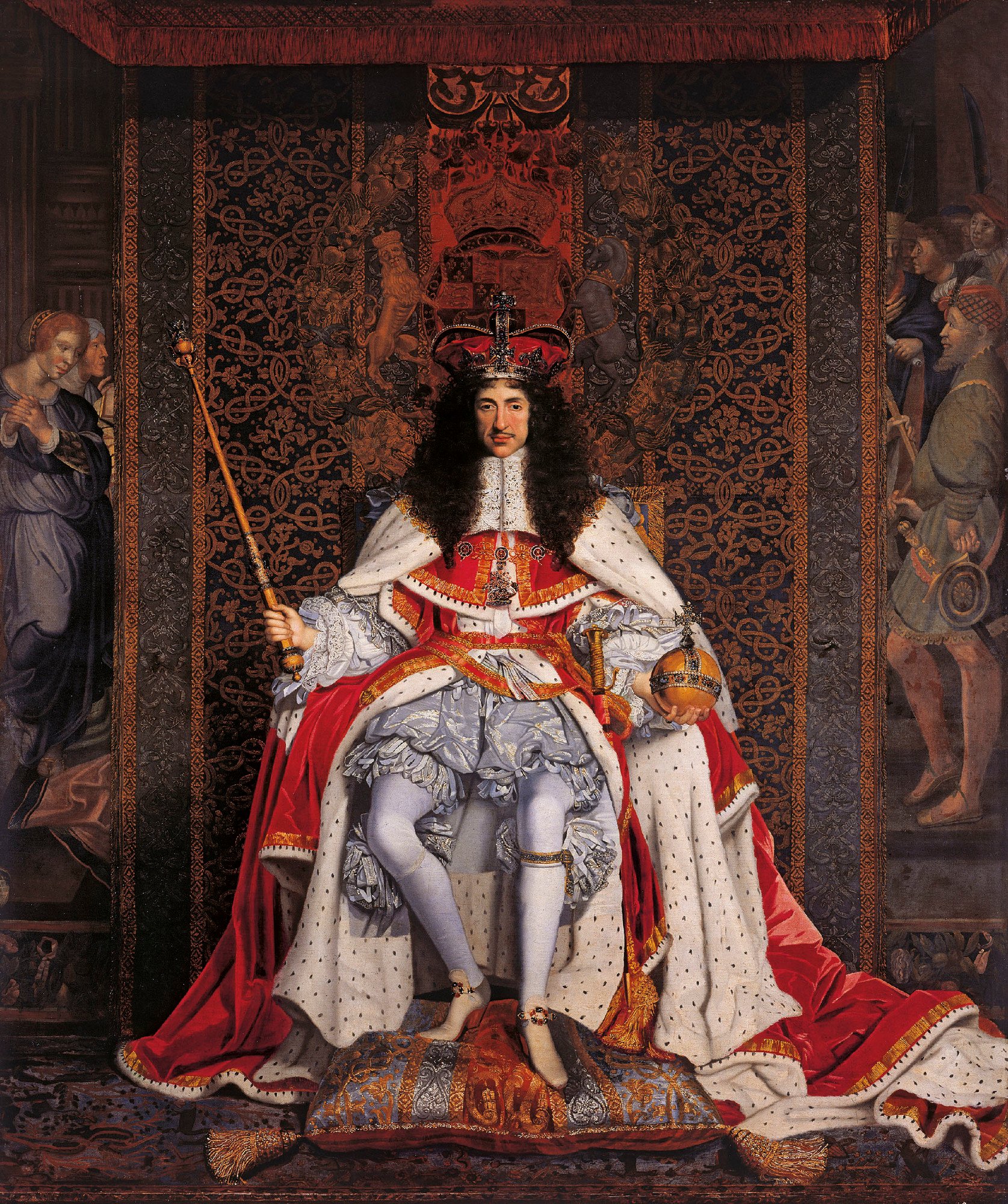
Example of visual style of Gian Lorenzo Bernini

Gian Lorenzo Bernini

Gian Lorenzo Bernini was an Italian artist and architect who lived in the 17th century. He is known for his Baroque style, characterized by dramatic and emotional compositions. Bernini's sculptures are famous for their realistic details and dynamic poses, capturing intense expressions and movement. His works have a sense of theatricality, commanding attention and engaging the viewer. Bernini's skill in portraying human emotions and his innovative use of light and shadow made him one of the most influential artists of the Baroque period.

View StyleExplore Style
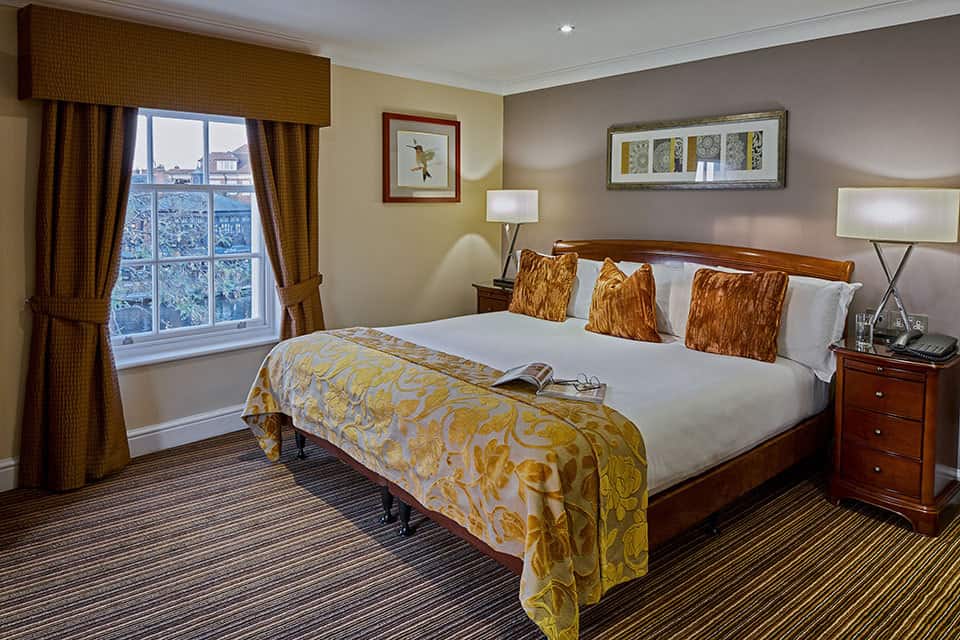
Example of visual style of Historical Contemporary Fusion

Historical Contemporary Fusion

Historical Contemporary Fusion is a visually striking style that seamlessly blends elements of historical and contemporary design. It gained popularity in the late 20th century and continues to influence design today. The style combines classic design elements from various historical periods, such as Baroque, Rococo, Art Deco, and Mid-century Modern, with contemporary aesthetics and materials. This fusion creates a unique visual language that attracts attention and sparks intrigue.

View StyleExplore Style
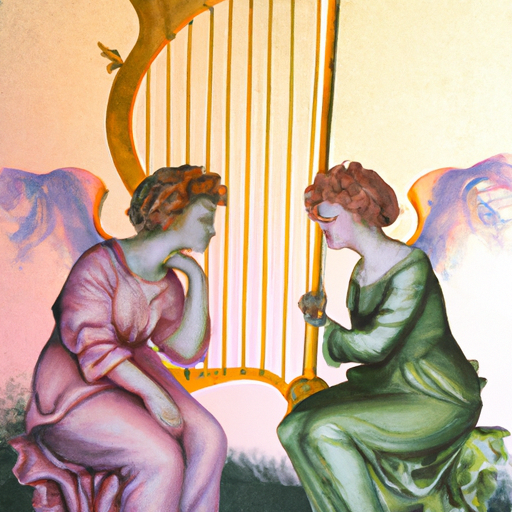
Example of visual style of Italian Art

Italian Art

Italian Art refers to the visual style that emerged in Italy between the 13th and 17th centuries. It encompasses various artistic movements such as the Renaissance, Baroque, and Mannerism. Italian Art gained fame for its remarkable attention to detail, use of perspective, and the realistic portrayal of human figures. Artists during this period, such as Leonardo da Vinci, Michelangelo, and Raphael, were known for their mastery in capturing the essence of beauty and a sense of humanism in their works. Italian Art played a pivotal role in shaping the history of Western art.

View StyleExplore Style
Home