StylopediaStylopedia

Action styles on Stylopedia

A visual encyclopedia of Action styles – use as prompt inspiration for Midjourney, Gemini, or ChatGPT AI when making Action images

Example of visual style of Anime Art

Anime Art

Anime Art is a popular visual style originating from Japan. It gained significant prominence in the 1980s and has since become a global phenomenon. Anime Art is characterized by its distinctive and vibrant animation, often featuring colorful and exaggerated characters with large, expressive eyes. This style incorporates elements of traditional Japanese art and culture, mixed with modern influences. It is known for its wide variety of genres, including action, fantasy, romance, and science fiction, which have contributed to its immense popularity worldwide.

View StyleExplore Style
Example of visual style of Anime Style Graphics

Anime Style Graphics

Anime Style Graphics is a distinctive and popular style of animation originating from Japan. This style rose to prominence in the 1960s and has since become a global phenomenon. Known for its vibrant colors, exaggerated features, and expressive facial expressions, anime has captivated audiences with its unique storytelling and imaginative worlds. It combines elements of traditional Japanese art with influences from Western animation. Anime Style Graphics gained widespread recognition through iconic series like Dragon Ball, Sailor Moon, and Naruto, as well as films by renowned directors like Hayao Miyazaki. Its fusion of fantasy, action, and emotional depth continues to make it a celebrated and influential visual style worldwide.

View StyleExplore Style
Example of visual style of Craig McCracken

Craig McCracken

Craig McCracken is an American animator and creator known for his distinct animated visual style. He rose to fame in the late 1990s and early 2000s with the creation of the television shows 'The Powerpuff Girls' and 'Foster's Home for Imaginary Friends'. McCracken's style is characterized by its vibrant color palette, bold and exaggerated shapes, and strong outlines. His characters often feature large, expressive eyes and unique and imaginative designs. McCracken's visual style is known for its combination of humor, action, and heartwarming storytelling.

View StyleExplore Style
Example of visual style of Dnangel

Dnangel

Dnangel is an anime and manga series created by Yukiru Sugisaki. It was first serialized in 1997 and adapted into an anime series in 2003. The visual style of Dnangel is characterized by its detailed and intricate character designs, particularly the flowing and dynamic hairstyles. The use of vibrant and contrasting colors adds to the overall visually stunning experience. This style became famous for its unique blend of romance, fantasy, and action, along with its captivating storytelling.

View StyleExplore Style
Example of visual style of Hans Zimmer Composer

Hans Zimmer Composer

Hans Zimmer Composer is a visual style associated with the famous composer Hans Zimmer. It emerged in the late 20th century and continues to be influential in the present day. Zimmer's compositions are known for their emotional depth and epic scale, often combining orchestral music with electronic elements. His style has become synonymous with blockbuster films, particularly in genres like action and superhero movies. Zimmer's use of repetitive motifs, driving rhythms, and powerful crescendos creates a sense of intensity and tension, perfectly complementing the on-screen action.

View StyleExplore Style
Example of visual style of Lilly Wachowski

Lilly Wachowski

Lilly Wachowski's visual style is characterized by dynamic and stylized cinematography, bold color schemes, and a blend of various genres such as science fiction and action. Her style gained prominence in the late 1990s with the release of the groundbreaking film 'The Matrix' (1999), which she co-directed with her sister Lana Wachowski. The film's innovative visual effects and intense action sequences made it a sensation, revolutionizing the way action films were made. Lilly Wachowski's visual style is known for its high-energy and visually stunning sequences that often incorporate slow-motion, intricate choreography, and cutting-edge technology.

View StyleExplore Style

Example of visual style of Macross Series

Macross Series

The Macross Series is a Japanese mecha anime franchise that started in 1982. It gained popularity for its combination of transforming fighter jets, captivating storytelling, and intricate character development. The franchise became particularly famous for its distinctive space opera themes, detailed hand-drawn animation, and intricate mecha designs. It has been known to captivate audiences with its blend of action, romance, and science fiction. The Macross Series has continued to evolve over the years, with different installments exploring various storylines and introducing new mecha designs.

View StyleExplore Style

Example of visual style of Mobile Suit Gundam

Mobile Suit Gundam

Mobile Suit Gundam is a Japanese mecha anime series created by Yoshiyuki Tomino. It was first aired in 1979 and quickly gained popularity for revolutionizing the mecha genre. The visual style of Mobile Suit Gundam is characterized by its detailed and realistic mechanical designs, vibrant color palettes, and dynamic action sequences. It became famous for introducing a more mature and gritty take on mecha storytelling, focusing on the moral complexities of war and the psychological struggles of its characters.

View StyleExplore Style

Example of visual style of Rob Liefeld

Rob Liefeld

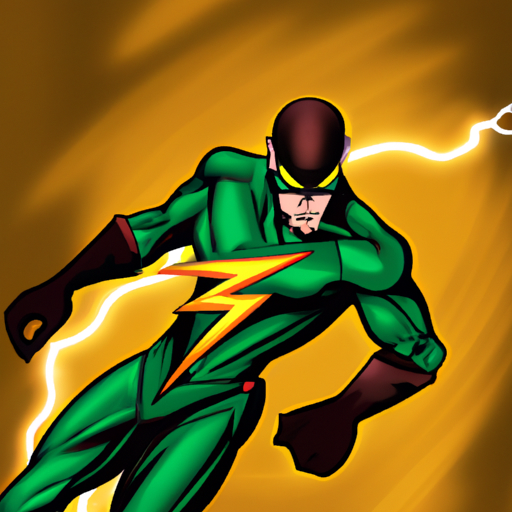
Rob Liefeld is a visual style known for its exaggerated anatomy, dynamic poses, and emphasis on action and violence. This style rose to prominence in the late 1980s and early 1990s, during the popularity boom of superhero comics. Liefeld's influential art style is characterized by bulging muscles, large weapons, pouches, and characters with extreme proportions. His style became famous for its energy and intensity, revolutionizing the way superheroes were depicted in comics.

View StyleExplore Style
Example of visual style of Shōnen

Shōnen

Shōnen is a visual style that originated in Japan in the late 19th century and is still popular today. It emerged during the Meiji era and gained significant recognition in the 20th and 21st centuries. Shōnen, which translates to 'boy' in Japanese, is characterized by its vibrant and dynamic artistic elements, featuring bold lines, exaggerated proportions, and intense action sequences. It focuses primarily on stories and characters aimed at young boys, often involving themes of adventure, heroism, friendship, and growth. Shōnen manga and anime, such as 'Dragon Ball' and 'One Piece', have gained international fame and contributed to the popularity of this style.

View StyleExplore Style
Example of visual style of South Korean Webcomics

South Korean Webcomics

South Korean Webcomics is a digital visual style that emerged in the early 2000s and gained significant popularity globally. It is known for its vibrant and colorful illustrations, expressive characters, and diverse storytelling techniques. South Korean Webcomics became famous due to the rise of internet platforms and online communities, where artists could easily share and publish their work. These webcomics often incorporate elements of romance, fantasy, action, and humor, creating captivating and immersive narratives.

View StyleExplore Style
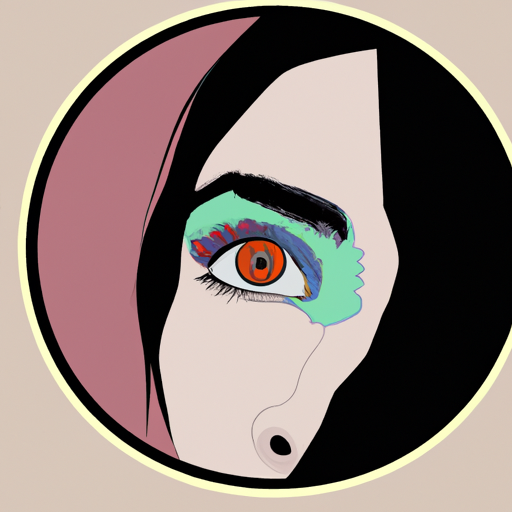
Example of visual style of Studio Trigger

Studio Trigger

Studio Trigger is a Japanese animation studio known for its distinctive and bold visual style. Founded in 2011 by former Gainax staff, Studio Trigger gained fame for its vibrant and energetic animation, exaggerated character designs, and intense action sequences. The studio quickly gained a cult following with its debut television series, 'Kill la Kill' in 2013, which showcased its unique blend of over-the-top animation and compelling storytelling. Studio Trigger's visual style is characterized by its dynamic camera work, fluid animation, and eye-catching color palettes. The studio's works often feature larger-than-life characters, often with exaggerated proportions and expressive facial features, creating a sense of visual excitement and impact. Studio Trigger's signature style has influenced many subsequent anime studios and has become synonymous with high-energy and visually stunning animation.

View StyleExplore Style
Example of visual style of Tony Scott

Tony Scott

Tony Scott's visual style is characterized by its high-energy, stylized and visually dynamic aesthetics. It gained prominence in the 1980s and continued to be influential until his death in 2012. Tony Scott's style is famous for its vibrant color palettes, dramatic lighting, fast-paced editing, and innovative camera techniques. His signature use of filters, lens flares, and intense saturation creates a heightened sense of action and intensity in his films. Tony Scott's visual style often blurs the line between reality and fiction, transporting viewers into a hyper-stylized world.

View StyleExplore Style
Example of visual style of Weekly Shonen Jump

Weekly Shonen Jump

Weekly Shonen Jump is a popular manga magazine style that has been influential in the world of manga and anime. It was first published in 1968 by Shueisha and is known for its serialized stories, targeted towards young boys, packed with action, adventure, and humor. Weekly Shonen Jump became famous for introducing iconic and long-running series such as Dragon Ball, Naruto, One Piece, and Bleach. It has been a platform for talented manga artists to showcase their work and has contributed immensely to shaping the manga industry.

View StyleExplore Style

Home