StylopediaStylopedia

Working-class styles on Stylopedia

A visual encyclopedia of working-class styles – use as prompt inspiration for Midjourney, Gemini, or ChatGPT AI when making working-class images

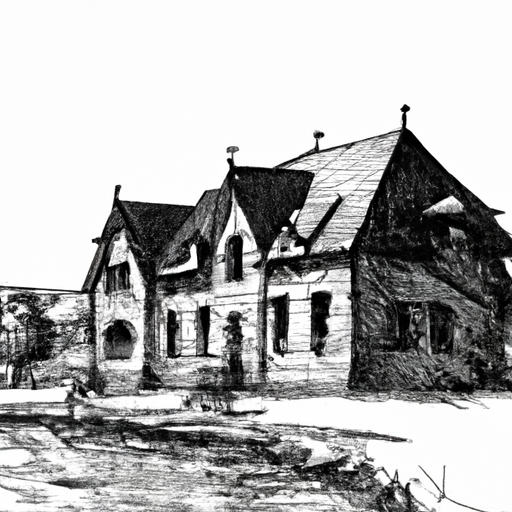
Example of visual style of Andrea Arnold

Andrea Arnold

Andrea Arnold's visual style can be described as raw, gritty, and immersive. She is known for her realistic portrayals of working-class life, often focusing on characters on the fringes of society. Her handheld camera work and use of natural lighting give her films a documentary-like feel. Arnold rose to prominence in the 2000s with her short films and her debut feature, Red Road, which won the Jury Prize at the Cannes Film Festival in 2006. Her subsequent films Fish Tank (2009) and American Honey (2016) further solidified her reputation as a filmmaker with a distinct visual style.

View StyleExplore Style
Example of visual style of Diego Rivera

Diego Rivera

Diego Rivera was a Mexican painter known for his large murals that depicted social and political themes. Active during the early 20th century, Rivera's style was characterized by bold and vibrant colors, intricate details, and a strong emphasis on storytelling. His art often portrayed the struggles of the working class and indigenous peoples, as well as the history and culture of Mexico. Rivera's powerful and monumental murals made him famous, showcasing his talent in capturing the essence of Mexican identity.

View StyleExplore Style
Example of visual style of Dorothea Lange

Dorothea Lange

Dorothea Lange was an American documentary photographer known for her compelling images depicting the hardships of the Great Depression. Her photographs captured the desperate conditions of the working class during the 1930s, notably her iconic photograph 'Migrant Mother.' Lange's style was characterized by her ability to evoke raw emotions through her black and white photographs, focusing on the human element and the stories behind her subjects. Her work played a significant role in raising awareness about social issues and advocating for social justice.

View StyleExplore Style
Example of visual style of Fish Tank

Fish Tank

Fish Tank is a visual style that emerged in the late 2000s. It gained popularity with the release of the critically acclaimed film of the same name in 2009. This style is characterized by its gritty, realistic depiction of working-class life and its focus on characters facing social and personal struggles. Fish Tank style is known for its handheld camera work, natural lighting, and use of naturalistic colors. It often explores themes of adolescence, femininity, and social inequality.

View StyleExplore Style
Example of visual style of George Bellows

George Bellows

George Bellows was an American painter known for his energetic and realistic portrayals of urban life, particularly in New York City. Active during the early 20th century, Bellows is associated with the Ashcan School - a group of artists who rejected the idealized visions of the Gilded Age and instead sought to depict the gritty reality of everyday urban existence. Bellows became famous for his dynamic, often controversial, depictions of boxing matches, cityscapes, and working-class individuals. His bold brushwork, use of vibrant colors, and ability to capture movement in his subjects set him apart from his contemporaries.

View StyleExplore Style
Example of visual style of Gustave Courbet

Gustave Courbet

Gustave Courbet was a French painter known for his realistic depictions of everyday life and his rejection of academic traditions. He was an influential figure in the mid-19th century and is considered one of the pioneers of the Realist art movement. Courbet's paintings often portrayed ordinary working-class people, landscapes, and still life subjects with meticulous attention to detail and a sense of honesty. His works challenged the prevailing notions of idealized beauty and set the stage for the emergence of modern art.

View StyleExplore Style
Example of visual style of Italian Neorealist Cinema

Italian Neorealist Cinema

Italian Neorealist Cinema was a film movement that emerged in Italy in the aftermath of World War II, between the late 1940s and early 1950s. It is characterized by its realistic and gritty portrayal of everyday life, often focusing on the working class and the struggles they face. Neorealist films were renowned for their use of non-professional actors, on-location shooting, and a documentary-style approach, which aimed to capture the harsh realities of post-war Italy. Notable films of this movement include 'Bicycle Thieves' (1948) directed by Vittorio De Sica and 'Rome, Open City' (1945) directed by Roberto Rossellini.

View StyleExplore Style
Example of visual style of Jacob Riis

Jacob Riis

Jacob Riis was a Danish-American social reformer and photographer who documented the gritty reality of New York City's slums in the late 19th century. His photographic style was characterized by the use of flash photography and capturing images of impoverished living conditions, overcrowded tenements, and the plight of the working class. Riis's work became famous for bringing public attention to the harsh living conditions of the poor and played a significant role in igniting social reforms in urban areas.

View StyleExplore Style
Example of visual style of John Sloan

John Sloan

John Sloan was an American painter and etcher associated with the Ashcan School. He worked in New York City during the early 20th century and is known for his realistic depictions of urban life. Sloan's style can be characterized as gritty, depicting the everyday struggles and joys of working-class life in the city. His works often reflect the bustling streets, crowded tenements, and vibrant atmosphere of New York in the early 1900s. Sloan was particularly famous for his ability to capture the diversity and complexity of the city, showcasing the daily routines and interactions of its inhabitants from different backgrounds. His works often featured strong composition, bold brushstrokes, and an attention to detail. Sloan's style became a significant influence on American art, particularly in the early years of the 20th century.

View StyleExplore Style
Example of visual style of Jose Clemente Orozco

Jose Clemente Orozco

Jose Clemente Orozco's visual style is characterized by bold and powerful images with strong social and political messages. His works often depict the struggles and injustices faced by the Mexican people. Orozco gained fame in the early 20th century for his murals that showcased the Mexican Revolution and the plight of the working class. His use of dramatic contrast, intense colors, and distorted figures made his art visually striking and emotionally charged.

View StyleExplore Style
Example of visual style of Lewis Hine

Lewis Hine

Lewis Hine was an American photographer and sociologist known for his documentary photography work focusing on social issues and child labor in the late 19th and early 20th centuries. His photographs captured the harsh living and working conditions of children, particularly in industries such as mills and mines. Hine's work played a significant role in raising awareness about child labor laws and bringing about social change. His iconic photographs showcased the struggles and realities of the working class, and his powerful images continue to inspire and inform viewers today.

View StyleExplore Style
Home