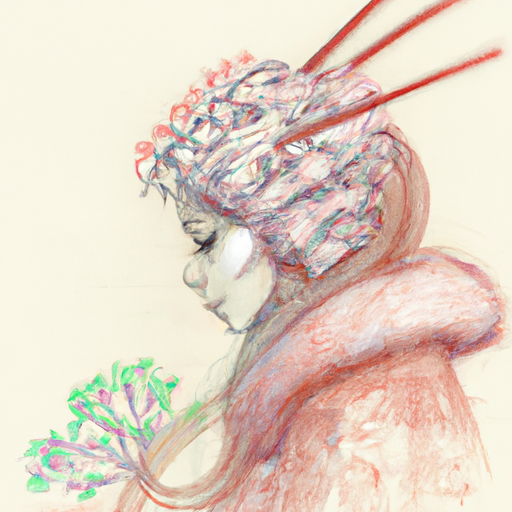
StylopediaStylopedia

Woodblock prints styles on Stylopedia

A visual encyclopedia of woodblock prints styles – use as prompt inspiration for Midjourney, Gemini, or ChatGPT AI when making woodblock prints images

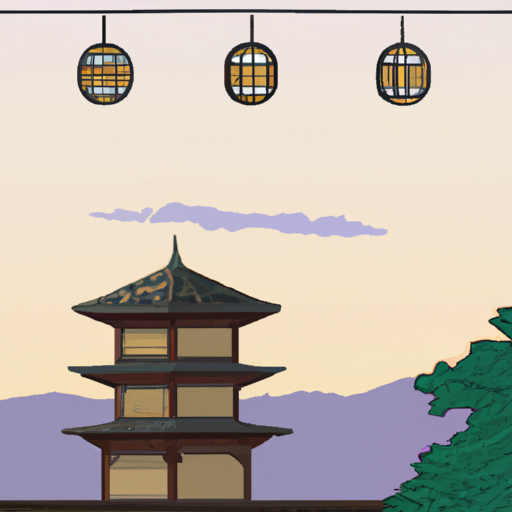
Example of visual style of Edo Period

Edo Period

The Edo Period (1603-1868) in Japan is characterized by a rich visual style influenced by traditional Japanese art forms and culture. It is famous for its woodblock prints, known as ukiyo-e, which depicted scenes from everyday life, landscapes, and kabuki theater. The style is known for its intricate detail, vibrant colors, and elegant compositions. The Edo Period also saw the emergence of distinct art forms such as lacquerware, porcelain, and textile designs. It was a period of relative peace and prosperity, which allowed for a flourishing of artistic expression.

View StyleExplore Style
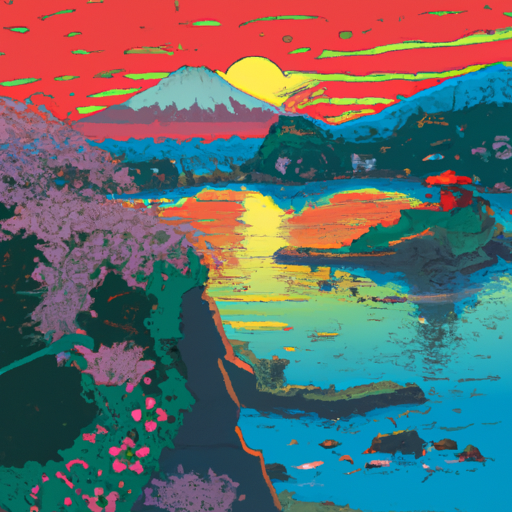
Example of visual style of Edo Period Art

Edo Period Art

Edo Period Art refers to the artistic style that emerged during the Edo period in Japan, which spanned from 1603 to 1868. This period is also known as the Tokugawa period, named after the ruling Tokugawa shogunate. Edo Period Art is famous for its vivid and detailed depictions of various subjects such as landscapes, nature, daily life, kabuki theater, and ukiyo-e (woodblock prints). These artworks often showcased a combination of meticulous craftsmanship, vibrant colors, and a keen observation of the natural world. Edo Period Art played a crucial role in shaping the cultural and aesthetic identity of Japan during this time.

View StyleExplore Style
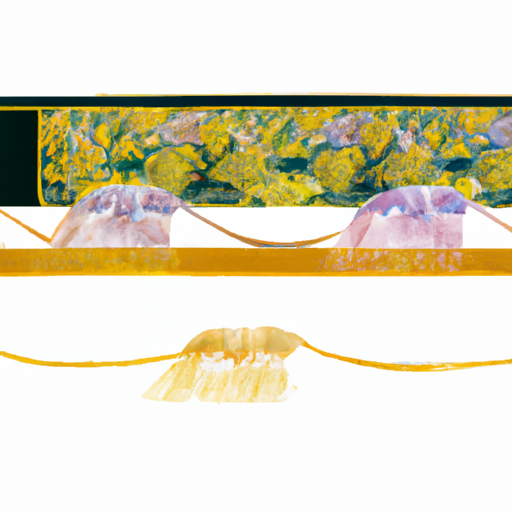
Example of visual style of Hasui Kawase

Hasui Kawase

Hasui Kawase was a Japanese artist known for his woodblock prints. Active during the early 20th century, particularly from the 1910s to the 1950s, Hasui's prints captured the beauty of landscapes and cityscapes in Japan. His style is characterized by delicate lines, vibrant colors, and a strong sense of atmosphere. He often depicted scenes during different seasons and weather conditions, showcasing the changing moods and ambiance of the landscapes. Hasui's prints became famous for their ability to evoke a sense of tranquility and nostalgia, making them highly sought after by art collectors and enthusiasts.

View StyleExplore Style
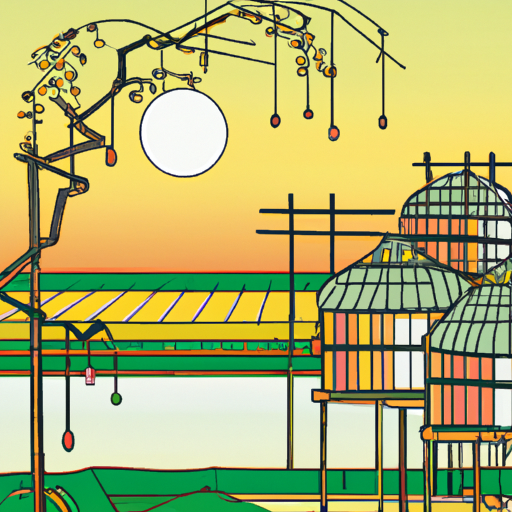
Example of visual style of Hokusai

Hokusai

Hokusai is a Japanese visual style that emerged during the Edo period in the early 19th century. It is primarily known for the woodblock prints created by the artist Katsushika Hokusai. With its vivid colors, intricate details, and delicate lines, Hokusai's work portrayed landscapes, nature, and everyday life scenes. One of his most famous works is 'The Great Wave off Kanagawa' from the series 'Thirty-Six Views of Mount Fuji'. This style gained international recognition, influencing both Western and Japanese art.

View StyleExplore Style
Example of visual style of Hokusai Katsushika

Hokusai Katsushika

Hokusai Katsushika is a Japanese ukiyo-e artist who lived from 1760 to 1849. His unique and influential art style became famous during the Edo period in Japan. Hokusai's most famous work is the series of woodblock prints titled 'Thirty-Six Views of Mount Fuji', which includes the iconic print 'The Great Wave off Kanagawa'. Hokusai's style is characterized by vivid colors, bold lines, and intricate details, capturing the beauty of nature and everyday life in Japan.

View StyleExplore Style
Example of visual style of Japanese Art

Japanese Art

Japanese Art is a style of visual arts that has a rich and diverse history. It encompasses various art forms such as painting, calligraphy, ceramics, and woodblock prints. Japanese Art is renowned for its unique aesthetic and meticulous craftsmanship. It has been influenced by both the traditional Japanese culture and outside influences, such as Chinese and Western art. Important periods in Japanese Art include the Heian period (794-1185) known for its elegant court painting and the Edo period (1603-1868) where ukiyo-e, a genre of woodblock prints, became immensely popular both within Japan and internationally.

View StyleExplore Style
Example of visual style of Katsushika

Katsushika

Katsushika is a visual style that emerged in Edo (Tokyo), Japan during the Edo period (1603-1868). It is famous for its ukiyo-e woodblock prints, which became popular in the 17th century. These prints depicted scenes from everyday life, including landscapes, courtesans, actors, and historical events. Katsushika artists, such as Hokusai and Hiroshige, played a significant role in popularizing this style, especially their series of prints such as 'Thirty-Six Views of Mount Fuji' and 'One Hundred Famous Views of Edo.' The intricate detail, vibrant colors, and stylized compositions of Katsushika prints made them highly sought-after and influential in both Japan and Western art.

View StyleExplore Style
Example of visual style of Katsushika Hokusai

Katsushika Hokusai

Katsushika Hokusai was a Japanese ukiyo-e painter and printmaker. He is best known for his series of woodblock prints titled Thirty-Six Views of Mount Fuji, which includes the iconic print The Great Wave off Kanagawa. Hokusai's visual style was characterized by bold and dynamic compositions, use of vibrant colors, and a mastery of capturing the essence of nature. His works became famous during the late Edo period (early 1800s) and continue to inspire artists around the world today.

View StyleExplore Style
Example of visual style of Kawase Hasui

Kawase Hasui

Kawase Hasui was a prominent Japanese printmaker in the 20th century, best known for his woodblock prints. His style emerged during the early 1900s and gained popularity throughout the 1920s and 1930s. Hasui's work often depicted serene landscapes and cityscapes, capturing the beauty of Japanese scenery and everyday life. He often used vibrant colors, delicate lines, and meticulous details to create a sense of tranquility and harmony. His prints were widely recognized for their masterful composition and skilled craftsmanship, which made him famous both in Japan and internationally.

View StyleExplore Style
Example of visual style of Kiyomasu Ii Torii

Kiyomasu Ii Torii

Kiyomasu Ii Torii is a Japanese visual style that emerged in the early 18th century, during the Edo period. It is primarily associated with woodblock prints and ukiyo-e art. The style gained prominence during the reign of the Tokugawa shogunate, particularly in the city of Edo (modern-day Tokyo). Kiyomasu Ii Torii is known for its intricate details, vibrant colors, and imaginative depictions of daily life, landscapes, actors, and beautiful women. This style contributed significantly to the popularity of ukiyo-e art, which became highly sought after by both the urban populace and samurai class. Kiyomasu Ii Torii prints are prized for their artistic quality, cultural significance, and portrayal of the essence of Edo society.

View StyleExplore Style
Example of visual style of Masanobu Torii

Masanobu Torii

Masanobu Torii is a Japanese artist known for his vibrant and detailed woodblock prints. Active in the late 19th and early 20th century, Torii became famous for his depictions of daily life, actors, and landscapes in the ukiyo-e style. His prints often featured bold colors, intricate patterns, and dynamic compositions, reflecting the liveliness and energy of the Meiji era in Japan. Masanobu Torii's works made a significant impact on the development of ukiyo-e and continue to be admired for their technical skill and aesthetic beauty.

View StyleExplore Style
Example of visual style of Suzuki Harunobu

Suzuki Harunobu

Suzuki Harunobu was a Japanese artist known for his woodblock prints. Active during the Edo period (1760s-1770s), his work is considered a major contribution to the development of ukiyo-e, a genre of woodblock prints popular during this time. Harunobu's prints often depicted beautiful women in elegant settings, capturing the aesthetics of the flourishing urban culture in Japan. His innovative use of color and delicate lines set him apart from his contemporaries, and his prints quickly gained popularity for their refined beauty and intricate details.

View StyleExplore Style
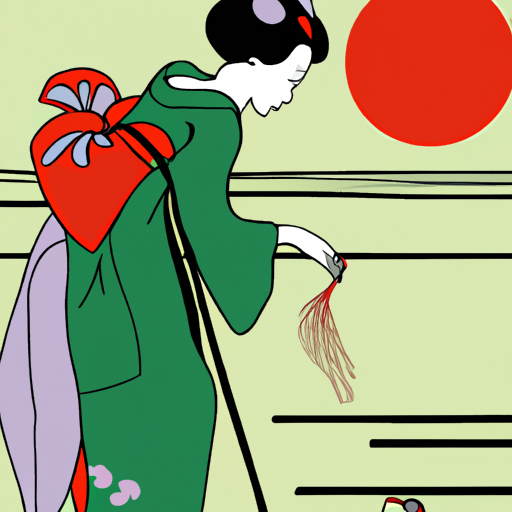
Example of visual style of Tanaka Ryohei

Tanaka Ryohei

Tanaka Ryohei is a Japanese artist known for his intricate woodblock prints, which depict scenes of traditional Japanese landscapes and architecture. His work became famous in the 1970s and 1980s for its nostalgic portrayal of rural Japan, capturing the beauty and tranquility of traditional Japanese life. Tanaka's prints often feature vibrant colors and detailed textures, showcasing his technical expertise in woodblock printing. His art gained popularity both in Japan and internationally, and his distinctive style has become synonymous with the preservation of Japanese cultural heritage.

View StyleExplore Style
Example of visual style of Yoshitaka Amano

Yoshitaka Amano

Yoshitaka Amano is a Japanese artist known for his distinctive visual style characterized by delicate and intricate linework, ethereal and dreamlike compositions, and a focus on fantastical and supernatural subjects. His style became famous in the 1980s through his work on the popular Final Fantasy video game series, where his illustrations and character designs brought a unique and imaginative aesthetic to the games. Amano's art combines elements of traditional Japanese ukiyo-e woodblock prints with a modern sensibility, and his detailed and intricate designs have captivated audiences around the world.

View StyleExplore Style
Home