
StylopediaStylopedia

Wonder styles on Stylopedia

A visual encyclopedia of wonder styles – use as prompt inspiration for Midjourney, Gemini, or ChatGPT AI when making wonder images

Example of visual style of Disney

Disney

Disney visual style refers to the distinctive artistic and animation style associated with Walt Disney and his company, The Walt Disney Company. This style became famous starting from the late 1920s with the release of the first synchronized sound Mickey Mouse cartoon, 'Steamboat Willie', and it continues to be popular to this day. The Disney visual style is characterized by vibrant colors, fluid and exaggerated motion, anthropomorphic characters, and a sense of wonder and enchantment. It combines traditional hand-drawn animation techniques with innovative storytelling, creating memorable and timeless characters and stories.

View StyleExplore Style

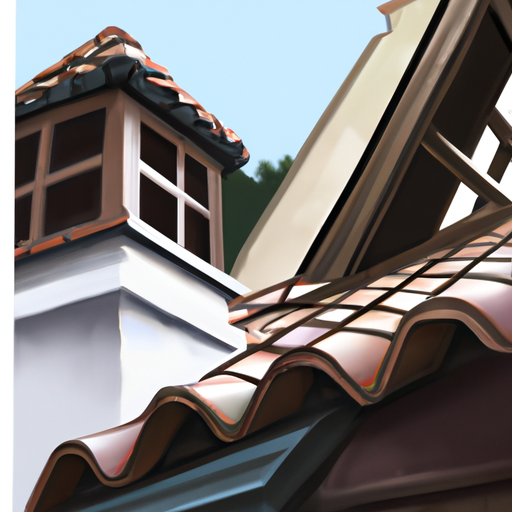
Example of visual style of Eiji Aonuma

Eiji Aonuma

Eiji Aonuma is a Japanese video game designer known for his work on The Legend of Zelda series. He became the series producer and director starting from the release of The Legend of Zelda: Ocarina of Time in 1998. Aonuma's visual style is characterized by immersive and expansive worlds, intricate puzzles, and a blend of fantasy and adventure. He is famous for his contributions to the series, especially for his emphasis on exploration, intricate storytelling, and a sense of wonder. Aonuma's work has greatly influenced the action-adventure genre of video games.

View StyleExplore Style
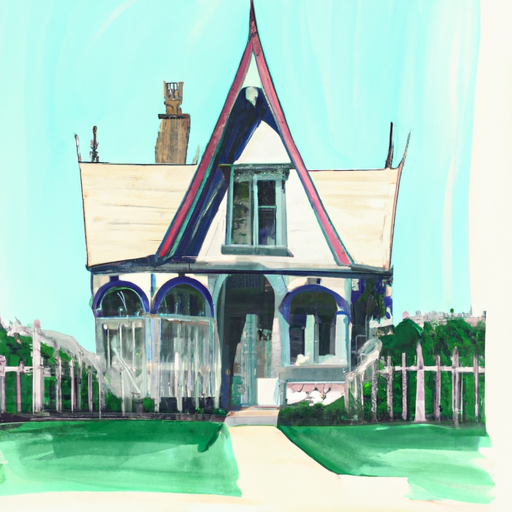
Example of visual style of Fantasy Filmmaking

Fantasy Filmmaking

Fantasy Filmmaking is a visual style characterized by its imaginative and magical elements. It often combines elements of mythology, folklore, and fairy tales to create a world of wonder and enchantment. This style gained popularity in the early 20th century with iconic films like 'The Wizard of Oz' (1939) and 'Snow White and the Seven Dwarfs' (1937). The use of vibrant colors, otherworldly creatures, and breathtaking landscapes are key features that made this style famous. It transports viewers to fantastical realms filled with dragons, witches, and heroic quests, captivating audiences with its sense of wonder and escapism.

View StyleExplore Style
Example of visual style of Kay Nielsen

Kay Nielsen

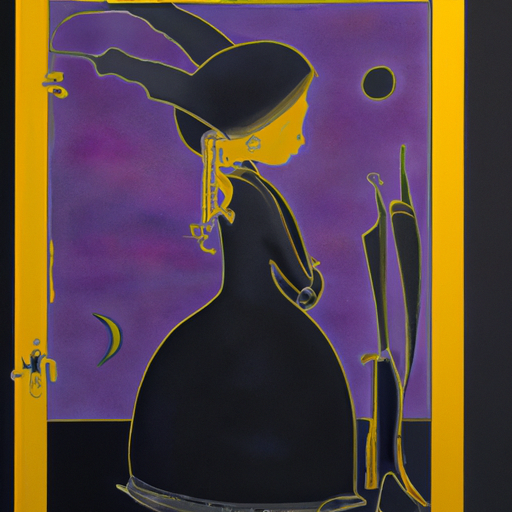
Kay Nielsen was a Danish illustrator who gained fame for his intricate and enchanting art style in the early 20th century. His work became particularly renowned during the Golden Age of Illustration, a period from the late 19th century to the early 20th century, characterized by the proliferation of illustrated books. Nielsen's illustrations were known for their ethereal and otherworldly quality, often featuring fantastical creatures, elaborate costumes, and intricate details that captured the imagination of readers. His work was heavily influenced by Art Nouveau, with flowing lines, sinuous curves, and intricate patterns. Nielsen's art became famous for its ability to transport viewers into a world of magic and wonder.

View StyleExplore Style
Example of visual style of Lee Hyung Seok

Lee Hyung Seok

Lee Hyung Seok is a renowned South Korean artist and illustrator known for his unique visual style. His style, which emerged in the 2000s, is characterized by its vibrant colors, detailed linework, and whimsical characters. Lee's style often features a combination of fantasy and reality, creating dream-like scenes that captivate the viewer. His use of bold and eye-catching colors, along with meticulous attention to detail, has made his work famous worldwide. Lee Hyung Seok's style has gained recognition for its ability to evoke a sense of wonder and magic in the minds of viewers.

View StyleExplore Style
Example of visual style of Robert Mccall

Robert Mccall

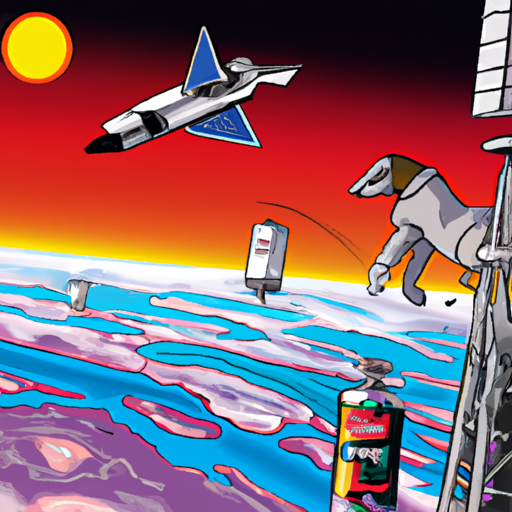
Robert Mccall is known for his realistic and imaginative space art. His style emerged in the 1960s and became famous for capturing the beauty and grandeur of outer space. With a focus on accurately representing the scientific aspects of space travel and exploration, Mccall's art has been featured in NASA publications and has become iconic in the field of aerospace. His intricate attention to detail and ability to blend realism with a sense of wonder have made his work highly sought after.

View StyleExplore Style
Example of visual style of Shaun Tan

Shaun Tan

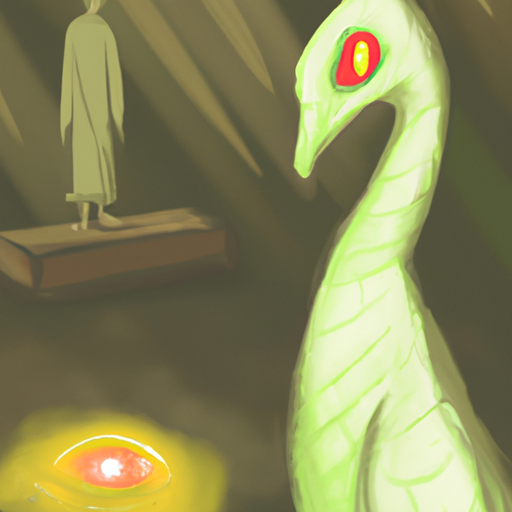
Shaun Tan is an Australian artist and author known for his unique and imaginative visual style. His work is characterized by intricate and detailed illustrations that blend elements of realism and fantasy. Tan often depicts surreal and otherworldly landscapes, creatures, and objects, creating a sense of wonder and mystery. His works evoke a range of emotions, from melancholy and loneliness to hope and resilience. Shaun Tan rose to fame in the early 2000s with the publication of his book 'The Arrival', which became a critically acclaimed and award-winning international bestseller.

View StyleExplore Style
Example of visual style of Simon Stålenhag

Simon Stålenhag

Simon Stalenhag is a Swedish artist known for his unique and captivating visual style that combines elements of science fiction, nostalgia, and rural landscapes. He gained prominence in the early 2010s through his atmospheric digital paintings depicting futuristic technology seamlessly integrated into rural environments. Stalenhag's works evoke a sense of mystery and wonder, often featuring abandoned or decaying structures and vehicles. His use of muted colors and attention to detail create a haunting yet beautiful aesthetic. Stalenhag's style became famous through his books 'Tales from the Loop' (2014) and 'The Electric State' (2017), which showcased his signature blend of science fiction and retro elements.

View StyleExplore Style
Example of visual style of Tokujin Yoshioka

Tokujin Yoshioka

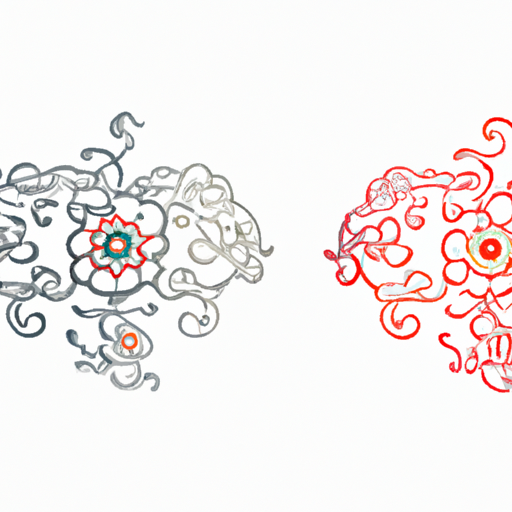
Tokujin Yoshioka is a Japanese designer known for his minimalist and ethereal style that seamlessly combines art and design. His work is characterized by its poetic and delicate qualities, often utilizing natural materials and light to create a sense of tranquility and wonder. Yoshioka rose to prominence in the 2000s with his innovative and cutting-edge designs for various industries, including architecture, furniture, and fashion. His famous projects include the 'Honey-Pop' chair (2001), 'Water Block' installation (2006), and the 'Fragrance' exhibition at the Museum of Contemporary Art, Tokyo (2012). With his unique vision and ability to push boundaries, Tokujin Yoshioka has become a leading figure in contemporary design.

View StyleExplore Style
Example of visual style of Willis Obrien

Willis Obrien

Willis Obrien was a pioneer in the field of stop-motion animation, active primarily in the early 20th century. He is best known for his groundbreaking work on films such as 'The Lost World' (1925) and 'King Kong' (1933). Obrien's visual style involved meticulously animating model creatures and integrating them seamlessly into live-action footage, creating a sense of wonder and awe. His use of stop-motion animation techniques brought fantastical creatures to life on the big screen, captivating audiences and revolutionizing the film industry.

View StyleExplore Style
Home