
Animaniacs
An animated television show known for its zany and slapstick humor, colorful characters, and fast-paced, irreverent style. First aired in 1993, Animaniacs became famous for its witty writing and quirky animations.
View StyleExplore Style Stylopedia
A visual encyclopedia of witty styles – use as prompt inspiration for Midjourney, Gemini, or ChatGPT AI when making witty images
An animated television show known for its zany and slapstick humor, colorful characters, and fast-paced, irreverent style. First aired in 1993, Animaniacs became famous for its witty writing and quirky animations.
View StyleExplore Style
Anton Gudim is a contemporary visual artist known for his minimalist and whimsical style. His illustrations often feature simple, clean lines and a limited color palette, creating a distinctive and recognizable look. Gudim gained popularity in the late 2000s through his witty and satirical illustrations, which quickly went viral on social media platforms. His unique blend of humor, social commentary, and clever wordplay has made him one of the most influential artists of the digital age.
View StyleExplore Style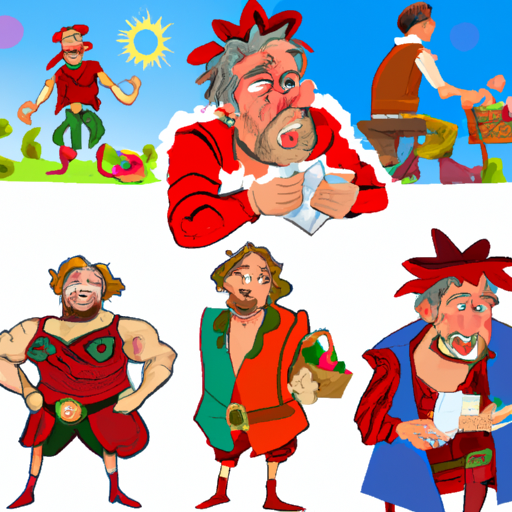
Belgian Cartoonists emerged in the mid-20th century and became famous for their whimsical and witty style of cartooning. Their unique blend of humor, social commentary, and intricate artwork captivated audiences worldwide. The most iconic period for this style was the 1950s to the 1970s when artists like Hergé, the creator of Tintin, and André Franquin, known for creating Spirou and Gaston Lagaffe, gained significant recognition. These Belgian Cartoonists revolutionized the art of cartoon storytelling by introducing innovative storytelling techniques, intricate line work, and detailed backgrounds.
View StyleExplore Style
Brookers Screenwipe is a British television programme created and hosted by Charlie Brooker. Known for its satirical and irreverent take on various aspects of contemporary media, it gained popularity in the mid-2000s for its witty commentary and sharp editing.
View StyleExplore Style
Conkers Bad Fur Day is a visually unique style of video game graphics characterized by its cartoonish and humorous art direction. Released in 2001, Conkers Bad Fur Day became famous for its exaggerated character designs and witty dialogue.
View StyleExplore Style
Elliott Erwitt's visual style is characterized by capturing candid moments with humor and irony. His work from the 1950s-2000s showcases everyday life in a unique and unexpected way, often highlighting the human experience through witty compositions.
View StyleExplore Style
Zadie Smith's writing style is characterized by its witty, satirical tone, intricate storytelling, and exploration of identity, race, and culture in contemporary society. She gained fame in the early 2000s for her novels that blend literary fiction with social commentary.

Howard Ashman was a renowned lyricist and writer in the field of musical theater and film. He gained prominence in the 1980s and early 1990s for his collaborations with composer Alan Menken on several highly successful Disney animated films such as 'The Little Mermaid' (1989) and 'Beauty and the Beast' (1991). Ashman's lyrical style was characterized by its wit, sophistication, and emotional depth, which helped redefine the genre of animated musicals. His contributions to these films elevated them to a new level of storytelling and made them beloved classics that continue to be celebrated today.
View StyleExplore Style
The visual style of Jon Stewart is characterized by his signature sharp wit, humor, and sarcasm. Known for his satirical take on current events, politics, and media, Stewart's style became famous during his tenure as host of The Daily Show from 1999 to 2015.
View StyleExplore Style
Josh Schwartz is known for creating visually dynamic, stylish and vibrant television shows in the mid-2000s, characterized by glossy aesthetics, fast-paced editing, and witty dialogue. He is famous for his work on teen dramas like The O.C. and Gossip Girl.
View StyleExplore Style
Joss Whedon's visual style is known for its witty dialogue, strong female characters, and mix of genres. His style gained popularity in the late 1990s and early 2000s through television shows such as 'Buffy the Vampire Slayer' and 'Firefly'. Whedon's unique ability to blend humor, drama, and action made his work influential and beloved by fans worldwide.
View StyleExplore Style
King Of The Hill is a animated sitcom created by Mike Judge and Greg Daniels known for its simple, clean animation style and realistic depiction of suburban life in Texas. Running from 1997 to 2010, the show gained popularity for its witty humor and relatable characters.
View StyleExplore Style
The Muppets visual style is characterized by a unique combination of puppetry, animation, and comedy. Created by Jim Henson, this style gained popularity in the late 1960s and has continued to captivate audiences to this day. The Muppets are known for their colorful and diverse cast of characters, including Kermit the Frog, Miss Piggy, and Fozzie Bear. With its witty humor, lively performances, and clever storytelling, the Muppets style has become an icon of entertainment.
View StyleExplore Style
New Yorker Cartoons is a unique and iconic visual style that has been an integral part of The New Yorker magazine since its inception in 1925. Known for its sophisticated and witty humor, the style of these cartoons has evolved over the years but has always maintained its distinct look and feel. The New Yorker Cartoons became famous for their sharp social commentary, clever punchlines, and insightful observations on various aspects of life, politics, and culture. The magazine's cartoons became an important part of American literary and cultural history and continue to be published in every issue to this day.
View StyleExplore Style
Randy Newman is primarily known for his work as a songwriter and composer in the genres of pop, rock, and film music. His visual style, however, can be described as understated and unassuming. It often involves minimalistic album cover designs, simple typography, and straightforward imagery that reflects the sincerity and introspective nature of his music. Newman gained significant prominence in the 1970s with his hits like 'Short People' and 'I Love L.A.', which showcased his distinctive blend of witty and often satirical lyrics with heartfelt melodies. His signature piano-driven sound and his ability to tell stories through his songs have made him a revered figure in American music. Although not known for visually striking aesthetics, Randy Newman's style has become synonymous with authenticity and emotional depth in both his music and visual representation.
View StyleExplore Style
Sarah Andersen's visual style is characterized by simple line drawings with a focus on humor and relatability. Her work first gained popularity on the internet through her webcomic 'Sarah's Scribbles', known for its witty observations on everyday life.
View StyleExplore Style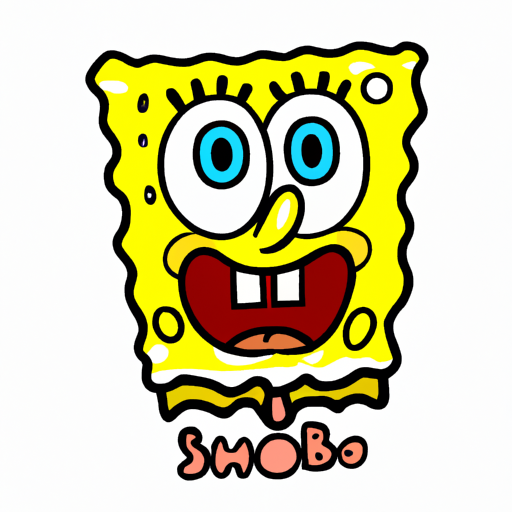
Spongebob Squarepants is an animated TV series that first aired in 1999. It became famous for its vibrant and colorful visual style, combining bold and exaggerated shapes with a cartoonish and whimsical aesthetic. The show features a mix of 2D and 3D animation, with characters typically having exaggerated facial expressions and distinctive personalities. The style is known for its witty humor, fast-paced animation, and surreal elements, making it a beloved and iconic cartoon for both children and adults.
View StyleExplore Style
The New Yorker is a distinctive visual style that has become synonymous with the long-running American magazine of the same name. It first gained popularity in the 1920s and is known for its sophisticated and witty approach to visual storytelling. The signature visual elements of The New Yorker style include detailed and intricate illustrations, often featuring a combination of line art and watercolors. The use of thin, precise lines and a limited color palette helps create a refined yet playful aesthetic. The overall style exudes a sense of timelessness and elegance, capturing the essence of urban life and the wit of its written content.
View StyleExplore Style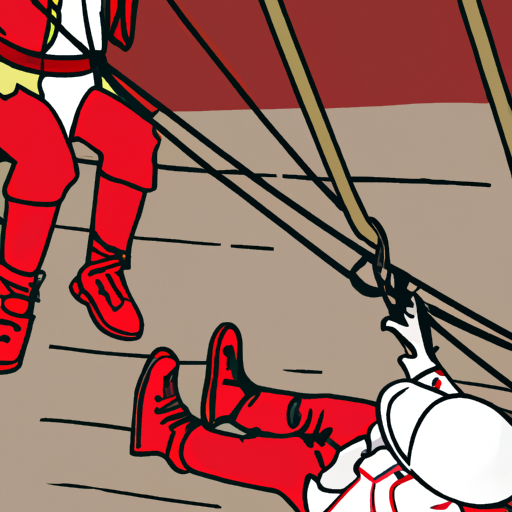
The New Yorker Magazine is known for its distinctive and iconic visual style that has been consistently maintained since its inception in 1925. The magazine is famous for its sophisticated and witty approach to illustration and design, which helped establish it as a cultural touchstone. The illustrations and covers often feature a blend of humor, satire, and social commentary. The style encompasses a wide range of techniques and mediums, including pen and ink drawings, watercolors, and digital illustrations. The New Yorker has become synonymous with a certain level of quality, intellectualism, and wit in visual journalism and storytelling.
View StyleExplore Style
The Simpsons is a popular animated television show known for its distinctive and iconic visual style. It was created by Matt Groening and first aired in 1989. The show became famous for its yellow, exaggerated character designs and its satirical and irreverent humor. The visual style of The Simpsons features smooth, rounded shapes, exaggerated eyes, and simple, bold lines. The backgrounds are often colorful and detailed, capturing the essence of a middle-class suburban town. The show has been praised for its witty writing, memorable characters, and its ability to address social and cultural issues through comedy.
View StyleExplore Style
Wayne White is known for his playful and witty style that often incorporates found materials and pop culture references. His work gained popularity in the 1980s and 1990s for its unique blend of humor and sophistication.
View StyleExplore Style
Xkcd is a webcomic known for its stick-figure drawings, simple and minimalistic style, and humorous exploration of math, science, and technology. Created by Randall Munroe in 2005, Xkcd gained popularity for its witty and insightful comics.
View StyleExplore Style