
Canadian Group of Seven
The Canadian Group of Seven was a group of landscape painters in Canada from 1920-1930 known for their bold colors, expressive brushwork, and depictions of the Canadian wilderness.
View StyleExplore Style Stylopedia
A visual encyclopedia of wilderness styles – use as prompt inspiration for Midjourney, Gemini, or ChatGPT AI when making wilderness images
The Canadian Group of Seven was a group of landscape painters in Canada from 1920-1930 known for their bold colors, expressive brushwork, and depictions of the Canadian wilderness.
View StyleExplore Style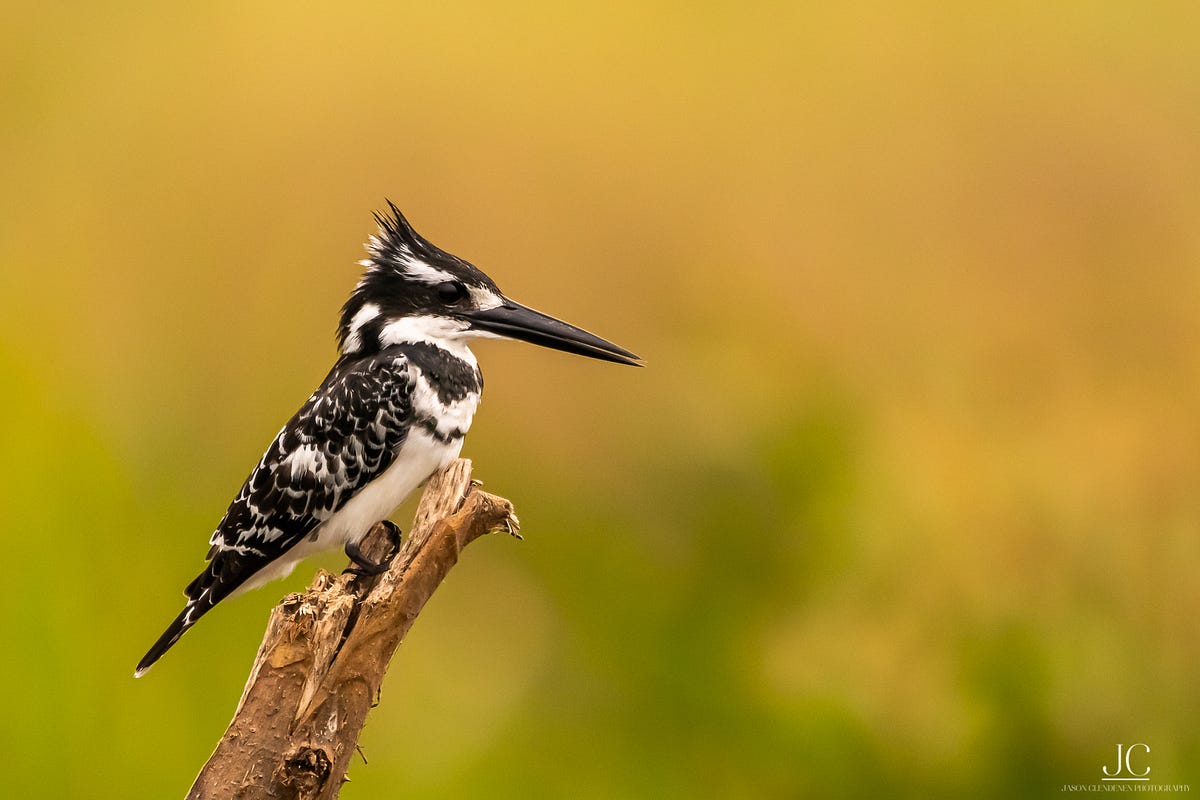
Wildlife photography captures animals in their natural habitat, showcasing their beauty and behavior. Popularized in the late 19th and early 20th centuries, this style gained fame for showcasing the wonders of the natural world.
View StyleExplore Style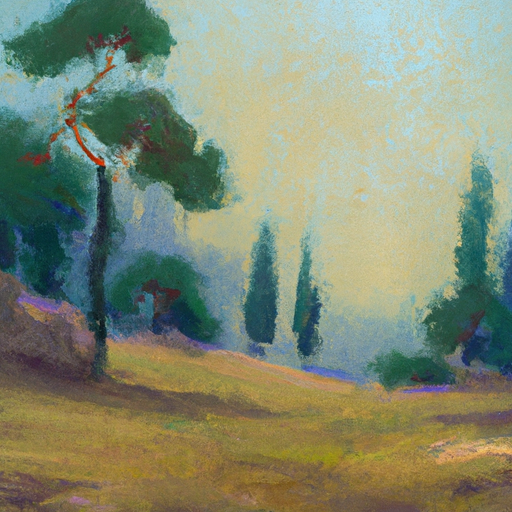
The Hudson River School was a mid-19th-century American art movement named after the Hudson River Valley, where many of the artists found inspiration. This style is known for its breathtaking landscapes, capturing the beauty of the American wilderness. It gained recognition in the 1820s and 1830s and reached its peak in the 1850s. Artists of the Hudson River School sought to depict the grandeur of nature, showcasing vast landscapes, dramatic lighting, and realistic details. Their works often evoked a sense of awe and reverence for the untamed wilderness of America.
View StyleExplore Style
Thomas Moran was an American painter known for his majestic landscapes of the American West, particularly Yellowstone National Park. His work, which flourished in the late 19th century, captured the grandeur and awe-inspiring beauty of the American wilderness.
View StyleExplore Style
Tom Thomson was a Canadian artist known for his vibrant, detailed landscapes, especially those depicting the wilderness of Ontario. Active in the early 20th century, his use of bold colors and expressive brushwork helped define the Canadian art movement known as the Group of Seven.
View StyleExplore Style