StylopediaStylopedia

Whimsy styles on Stylopedia

A visual encyclopedia of whimsy styles – use as prompt inspiration for Midjourney, Gemini, or ChatGPT AI when making whimsy images

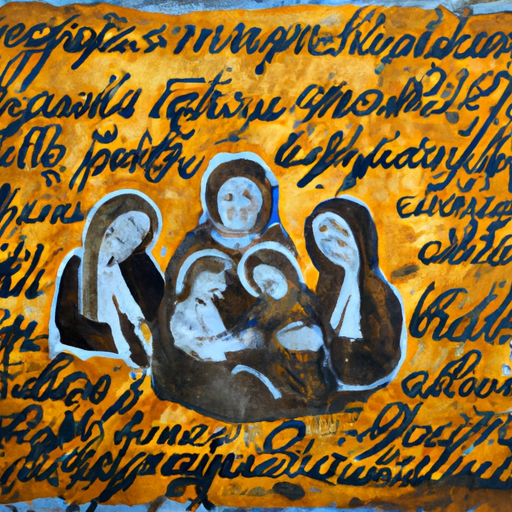
Example of visual style of Alexander Girard

Alexander Girard

Alexander Girard was a prominent designer in the mid-20th century known for his vibrant, playful and bold visual style. He rose to fame during the 1950s and 1960s with his influential work in the fields of graphic design, textile design, and furniture design. Girard's style was characterized by its use of bright colors, geometric patterns, and folk art-inspired motifs. His designs often exuded a sense of joy, optimism, and whimsy, which made them popular in various industries including interior design, architecture, and even corporate branding.

View StyleExplore Style
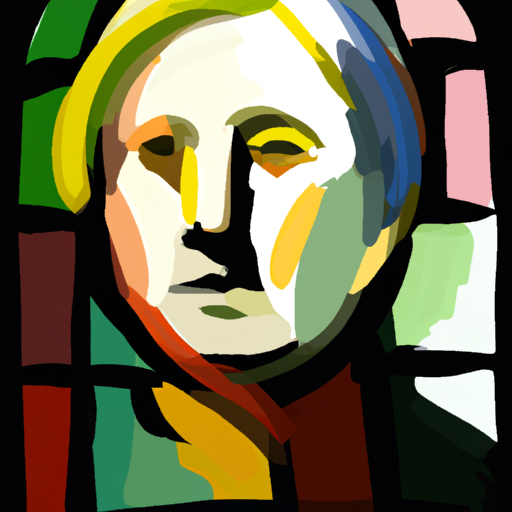
Example of visual style of Dave Fleischer

Dave Fleischer

Dave Fleischer was an American animator and film director who is best known for his work in the 1930s and 1940s. His visual style, known as the 'Fleischer style,' was characterized by bold, exaggerated characters, vibrant and fluid animations, and a highly stylized approach to storytelling. Fleischer and his studio, Fleischer Studios, gained fame for their innovative use of Technicolor, which brought their animated films to life with vivid and dynamic colors. The Fleischer style became famous for its distinct blend of humor, whimsy, and captivating visuals that entertained audiences of all ages.

View StyleExplore Style
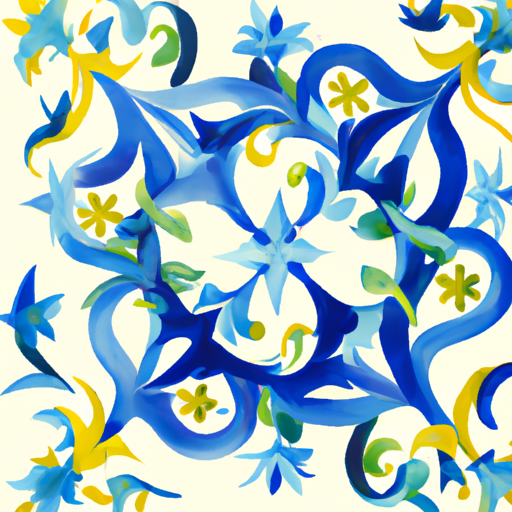
Example of visual style of Erik Satie

Erik Satie

The visual style of Erik Satie, the influential French composer, is characterized by simplicity, minimalism, and a touch of whimsy. Satie's visual style emerged in the late 19th and early 20th centuries, coinciding with his musical career. He was known for his avant-garde approach and his rejection of traditional norms. Satie's style gained fame for its unconventional and experimental nature, as well as its ability to evoke emotions through simplicity and repetition.

View StyleExplore Style
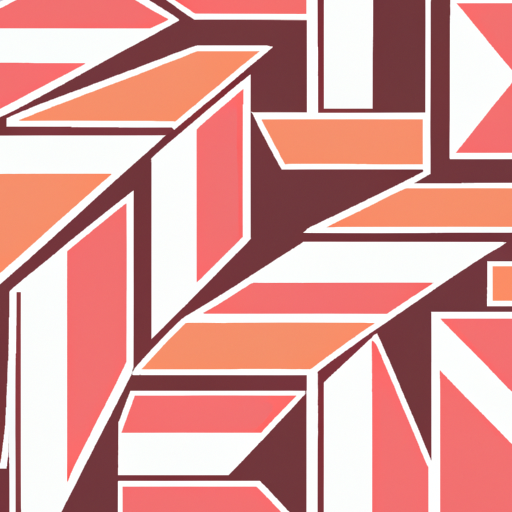
Example of visual style of Jean Lemon

Jean Lemon

Jean Lemon is a visual style that emerged in the 1960s and became famous for its vibrant and bold use of lemony yellow hues. It is characterized by its playful and optimistic aesthetic, often featuring geometric patterns, clean lines, and a sense of whimsy. This style gained popularity in the fashion industry and was associated with the mod culture of the time. Jean Lemon is still influential today, with its cheerful and refreshing palette inspiring designers and artists alike.

View StyleExplore Style
Example of visual style of Marc Chagall

Marc Chagall

Marc Chagall was a prominent artist known for his unique style that combined elements of Surrealism, Cubism, and Fauvism. Active during the early 20th century, Chagall's work became famous for its dreamlike and poetic imagery. His use of vibrant colors, floating objects, and distorted perspectives created a sense of fantasy and whimsy in his paintings. Chagall's distinctive style gained recognition for its ability to evoke emotions and capture the imagination of viewers.

View StyleExplore Style
Example of visual style of Martine Bedin

Martine Bedin

Martine Bedin is a French designer known for her involvement in the Memphis Group, an influential design movement in the 1980s. Her visual style is characterized by bold colors, geometric shapes, and an emphasis on playfulness. Bedin's designs often feature unconventional forms and materials, combining functionality with a sense of whimsy. She gained fame for her iconic 'Super Lamp' and 'Camel Table' designs, which epitomize the Memphis Group's aesthetic. Bedin's work continues to inspire contemporary designers and is celebrated for its innovative and vibrant approach to design.

View StyleExplore Style
Example of visual style of Michele De Lucchi

Michele De Lucchi

Michele De Lucchi is an Italian architect and designer known for his organic and innovative designs. He first became famous in the 1980s as one of the founding members of the Memphis Group, a design collective that challenged traditional notions of form and function. De Lucchi's style is characterized by bold colors, geometric shapes, and experimental materials. His work often incorporates a sense of playfulness and whimsy, while maintaining a functional and practical approach.

View StyleExplore Style
Home