StylopediaStylopedia

Whimsical styles on Stylopedia

A visual encyclopedia of whimsical styles – use as prompt inspiration for Midjourney, Gemini, or ChatGPT AI when making whimsical images

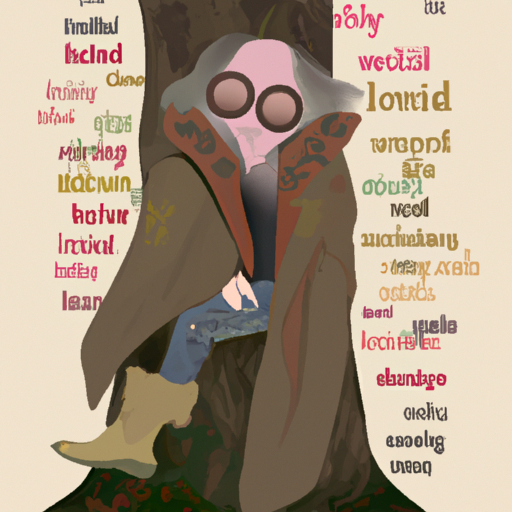
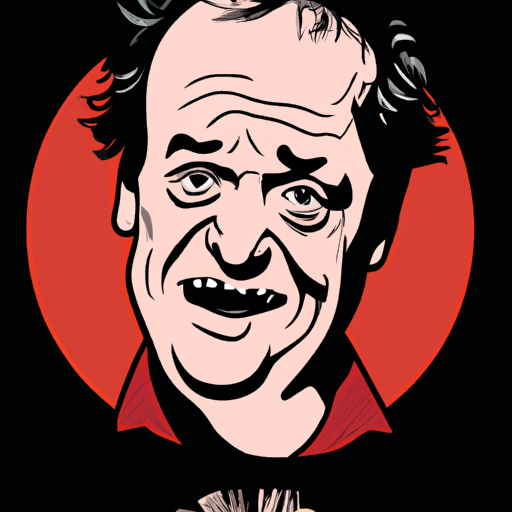
Example of visual style of Adrian Alphona

Adrian Alphona

Adrian Alphona is a Canadian comic book artist known for his distinctive and whimsical visual style. His work gained prominence in the early 2000s, particularly with the launch of the comic series Runaways in 2003. Alphona's art is characterized by its lively and expressive character designs, intricate detailing, and a blend of both realistic and cartoonish elements. His use of dynamic poses, exaggerated expressions, and playful storytelling techniques has made his style a favorite among readers and has contributed to the success and popularity of the comics he has worked on.

View StyleExplore Style

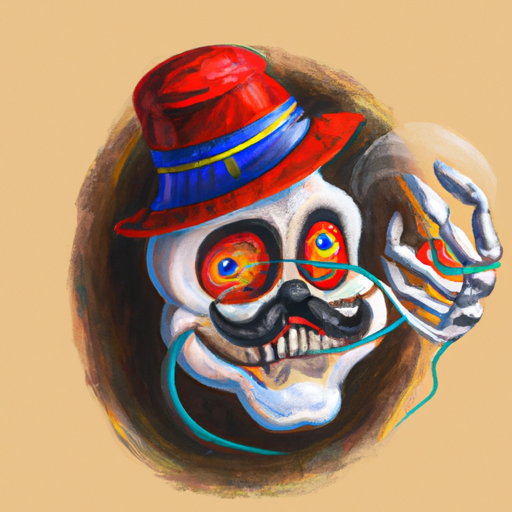
Example of visual style of Adventure Time

Adventure Time

Adventure Time is a visually distinct animated television series that aired from 2010 to 2018. It is famous for its unique, vibrant and surreal visuals, which combine bright and bold colors, geometric shapes, and abstract designs. The style incorporates a mix of 2D and 3D animation techniques to create a visually stunning and immersive world. Adventure Time gained fame for its quirky and imaginative characters, whimsical settings, and its ability to appeal to both children and adults, thus becoming a cult hit.

View StyleExplore Style

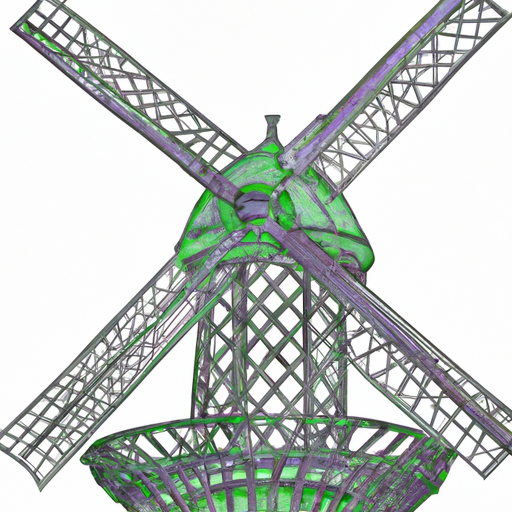
Example of visual style of Aladdin

Aladdin

The visual style of 'Aladdin' is a vibrant blend of traditional Arabian and Indian art. Released in 1992 by Disney, this animated film brought to life a whimsical world filled with rich colors, intricate patterns, and a lively sense of adventure. The film's stunning artwork drew inspiration from various sources, including Islamic architecture, Indian miniatures, and Persian carpets. 'Aladdin' became famous for its dynamic animation, catchy music, and memorable characters like Aladdin, Jasmine, and the lovable Genie.

View StyleExplore Style
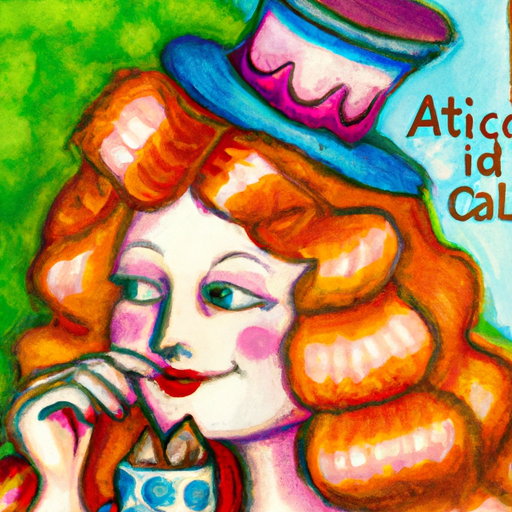
Example of visual style of Alice In Wonderland

Alice In Wonderland

Alice In Wonderland is a whimsical and fantastical visual style that gained popularity in the mid-19th century. It became famous through Lewis Carroll's novel 'Alice's Adventures in Wonderland' and its subsequent adaptations. This style is characterized by surreal and exaggerated elements, vivid and vibrant colors, anthropomorphic creatures, intricate patterns, and a sense of playfulness. It is inspired by the Victorian era and often incorporates elements of fantasy and imagination.

View StyleExplore Style
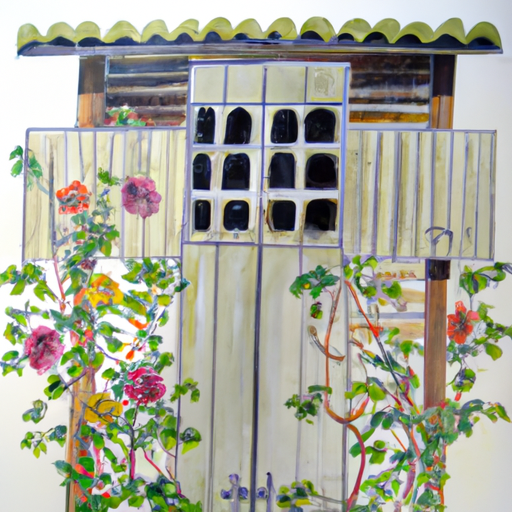
Example of visual style of Amelie Poulain

Amelie Poulain

Amelie Poulain is a visual style that became famous after the release of the French film 'Amelie' in 2001. It is known for its whimsical, vintage-inspired aesthetic with a touch of nostalgia. The style features vibrant colors, playful compositions, and dreamlike imagery. It often incorporates elements of retro and surrealism, creating a magical and romantic atmosphere. The film's success and critical acclaim contributed to the popularity of this style in contemporary art and design.

View StyleExplore Style
Example of visual style of Andre Saraiva

Andre Saraiva

Andre Saraiva is a graffiti artist and nightclub owner. His visual style is characterized by vibrant, bold colors and whimsical, cartoon-like characters. He rose to fame in the early 2000s as a prominent figure in the Parisian nightlife scene, known for his graffiti tags and iconic Mr. A character. Saraiva's style combines street art with a playful, childlike aesthetic, often incorporating elements of pop culture. His work can be found in various cities around the world and has become synonymous with urban art and nightlife.

View StyleExplore Style
Example of visual style of Animated Film Music

Animated Film Music

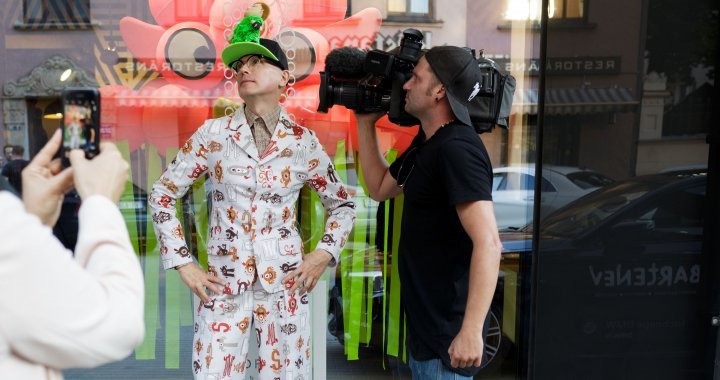
Animated Film Music is a genre of music composed specifically for animated films. It became popular in the early 20th century with the introduction of synchronized sound in animations. This style is characterized by whimsy, playfulness, and a strong emphasis on storytelling. It often features catchy melodies, vibrant orchestrations, and a wide range of musical genres and influences. Notable composers such as Disney's Alan Menken and Pixar's Randy Newman have contributed to the fame of Animated Film Music.

View StyleExplore Style
Example of visual style of Animation Design

Animation Design

Animation Design is a visual style that involves the creation of moving images using various techniques like hand-drawn, stop-motion, computer-generated, and more. It gained prominence in the early 20th century with the introduction of animated films like Snow White and the Seven Dwarfs (1937) which showcased the potential of animation as a storytelling medium. Animation Design combines art and technology to bring inanimate objects or characters to life, captivating audiences with its whimsical and immersive worlds.

View StyleExplore Style
Example of visual style of Anton Gudim

Anton Gudim

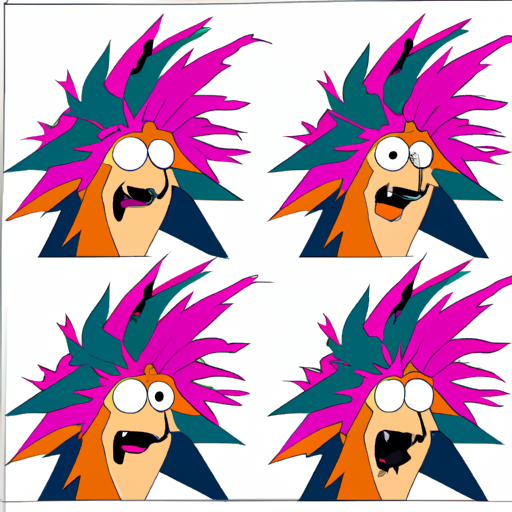
Anton Gudim is a contemporary visual artist known for his minimalist and whimsical style. His illustrations often feature simple, clean lines and a limited color palette, creating a distinctive and recognizable look. Gudim gained popularity in the late 2000s through his witty and satirical illustrations, which quickly went viral on social media platforms. His unique blend of humor, social commentary, and clever wordplay has made him one of the most influential artists of the digital age.

View StyleExplore Style
Example of visual style of Artists Nick Park

Artists Nick Park

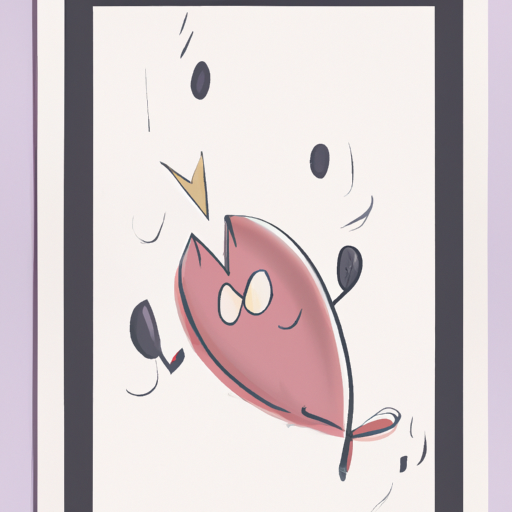
Artists Nick Park is known for his distinct stop-motion clay animation style. He gained fame primarily through his work with Aardman Animations, creating beloved characters like Wallace and Gromit and Shaun the Sheep. Park's style is characterized by its charming and whimsical characters, intricate and detailed sets, and clever storytelling. His animation techniques involve meticulous craftsmanship and attention to detail, resulting in visually stunning films. Nick Park's work became famous in the 1990s with his Academy Award-winning short films and full-length features, which revolutionized the world of clay animation.

View StyleExplore Style
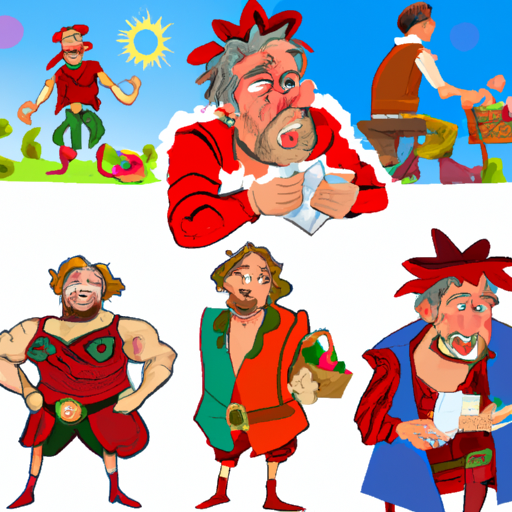
Example of visual style of Barry Blitt

Barry Blitt

Barry Blitt is a contemporary American illustrator and cartoonist known for his distinctive and satirical style. His career in the field of visual arts began in the 1990s, and he gained prominence through his work for The New Yorker magazine. Blitt became especially famous for his provocative and often controversial cover illustrations, which cleverly comment on various political and cultural issues of the time. His illustrations are characterized by their bold and expressive linework, exaggerated figures, and a touch of whimsy. Blitt's visual style combines humor, wit, and social commentary, making his work instantly recognizable and highly influential in the world of illustration.

View StyleExplore Style
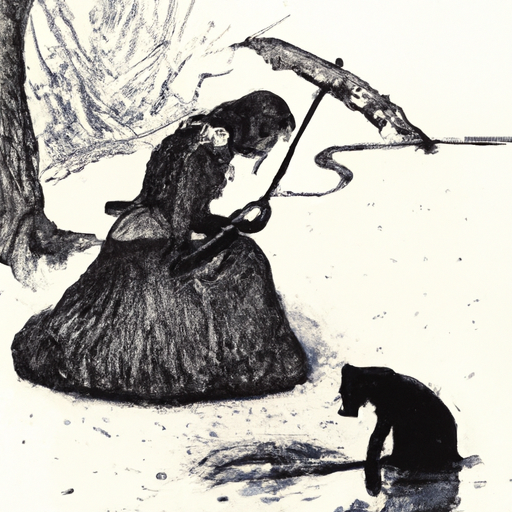
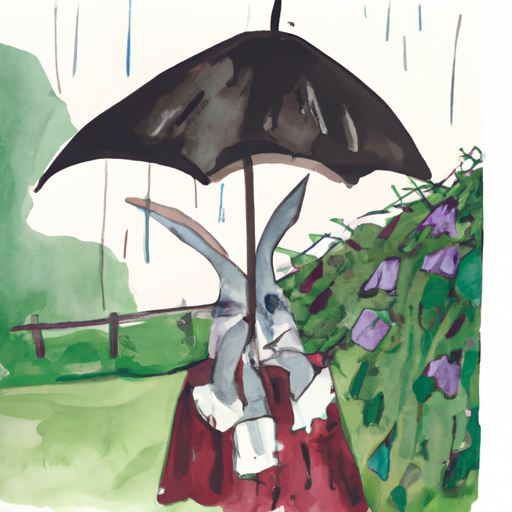
Example of visual style of Beatrix Potter

Beatrix Potter

Beatrix Potter is known for her charming and whimsical illustrations of animals, particularly in her children's books. This visual style became famous in the late 19th and early 20th centuries and is characterized by detailed and realistic depictions of animals in anthropomorphic settings. Potter's illustrations gained popularity through her iconic series of books, such as 'The Tale of Peter Rabbit.' Her delicate watercolor technique and attention to naturalistic details made her work stand out and captivated readers of all ages.

View StyleExplore Style

Example of visual style of Belgian Cartoonists

Belgian Cartoonists

Belgian Cartoonists emerged in the mid-20th century and became famous for their whimsical and witty style of cartooning. Their unique blend of humor, social commentary, and intricate artwork captivated audiences worldwide. The most iconic period for this style was the 1950s to the 1970s when artists like Hergé, the creator of Tintin, and André Franquin, known for creating Spirou and Gaston Lagaffe, gained significant recognition. These Belgian Cartoonists revolutionized the art of cartoon storytelling by introducing innovative storytelling techniques, intricate line work, and detailed backgrounds.

View StyleExplore Style
Home