StylopediaStylopedia

Vivid colors styles on Stylopedia

A visual encyclopedia of vivid colors styles – use as prompt inspiration for Midjourney, Gemini, or ChatGPT AI when making vivid colors images

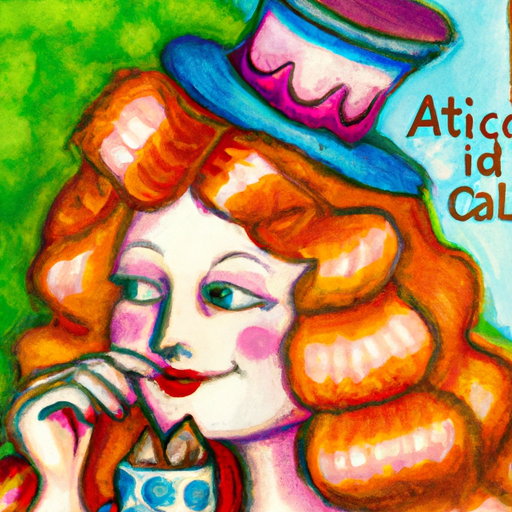
Example of visual style of Alice In Wonderland

Alice In Wonderland

Alice In Wonderland is a whimsical and fantastical visual style that gained popularity in the mid-19th century. It became famous through Lewis Carroll's novel 'Alice's Adventures in Wonderland' and its subsequent adaptations. This style is characterized by surreal and exaggerated elements, vivid and vibrant colors, anthropomorphic creatures, intricate patterns, and a sense of playfulness. It is inspired by the Victorian era and often incorporates elements of fantasy and imagination.

View StyleExplore Style
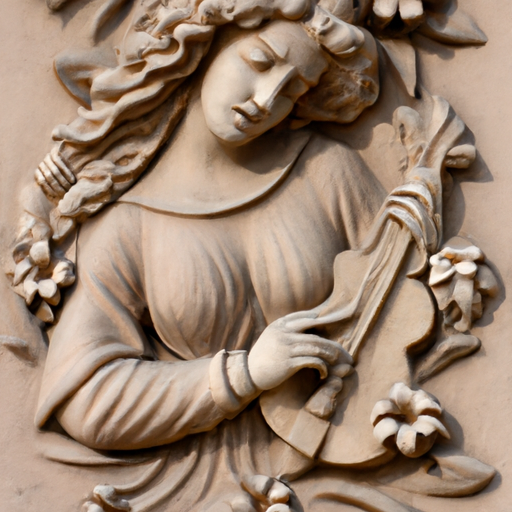
Example of visual style of Edvard Munch

Edvard Munch

Edvard Munch was a Norwegian painter and printmaker who was the pioneer of Expressionism in the early 20th century. He is best known for his iconic painting 'The Scream' (1893), which portrays the existential angst and emotional turmoil of the modern human condition. Munch's style is characterized by his vivid use of color, bold brushstrokes, and distorted and exaggerated forms, which were used to convey a heightened sense of emotion and psychological intensity. His works often explore themes of love, death, anxiety, and the duality of human existence. Munch's style gained recognition and fame due to his raw and subjective portrayal of human emotions, making his art relatable and resonant to a wide audience.

View StyleExplore Style
Example of visual style of Eugenio Caballero

Eugenio Caballero

Eugenio Caballero is a Mexican production designer known for his visually striking and imaginative style. His work often blends surrealism, symbolism, and vivid colors to create fantastical and dreamlike environments. Caballero rose to fame in 2006 when he won an Academy Award for Best Art Direction for his work on the film 'Pan's Labyrinth'. His meticulously crafted sets and attention to detail have made him one of the most sought-after production designers in the industry.

View StyleExplore Style

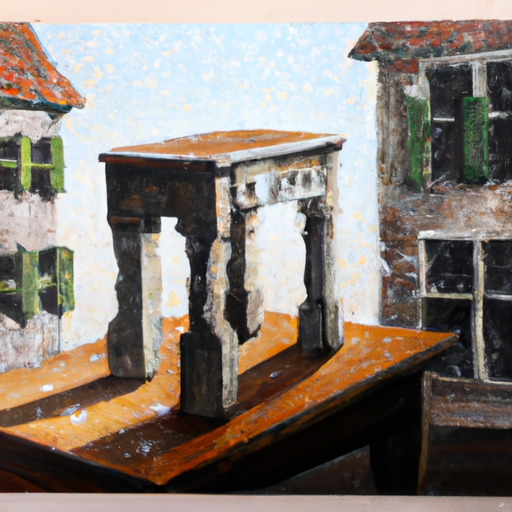
Example of visual style of Ford Madox Brown

Ford Madox Brown

Ford Madox Brown is an English painter associated with the Pre-Raphaelite Brotherhood. His visual style can be described as highly detailed and realistic, often depicting historical and literary subjects with a focus on social commentary. Brown's style emerged in the mid-19th century and gained popularity for its vivid colors, intricate compositions, and attention to detail. He is known for his famous painting 'Work' (1852-1865), which portrays various social classes engaged in different forms of labor.

View StyleExplore Style

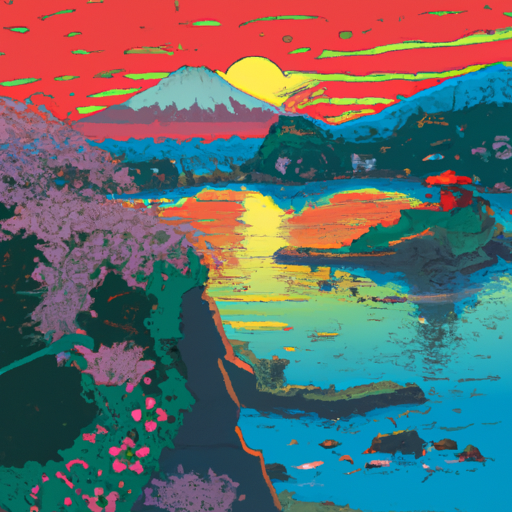
Example of visual style of Hishida Shunso

Hishida Shunso

Hishida Shunso was a Japanese painter known for his unique and innovative approach to traditional Japanese painting. Active during the late 19th and early 20th century, Hishida Shunso's style was marked by its delicate and intricate brushwork, as well as his use of vivid colors and a sense of realism. He is famous for his landscapes, especially his depictions of cherry blossoms and natural scenes of Japan. His work gained recognition and popularity during the Taisho period (1912-1926). Hishida Shunso's ability to capture the essence of a subject and convey emotions through his brushstrokes made him one of the most influential artists of his time and an important figure in Japanese art history.

View StyleExplore Style
Example of visual style of Hokusai

Hokusai

Hokusai is a Japanese visual style that emerged during the Edo period in the early 19th century. It is primarily known for the woodblock prints created by the artist Katsushika Hokusai. With its vivid colors, intricate details, and delicate lines, Hokusai's work portrayed landscapes, nature, and everyday life scenes. One of his most famous works is 'The Great Wave off Kanagawa' from the series 'Thirty-Six Views of Mount Fuji'. This style gained international recognition, influencing both Western and Japanese art.

View StyleExplore Style
Example of visual style of Hokusai Katsushika

Hokusai Katsushika

Hokusai Katsushika is a Japanese ukiyo-e artist who lived from 1760 to 1849. His unique and influential art style became famous during the Edo period in Japan. Hokusai's most famous work is the series of woodblock prints titled 'Thirty-Six Views of Mount Fuji', which includes the iconic print 'The Great Wave off Kanagawa'. Hokusai's style is characterized by vivid colors, bold lines, and intricate details, capturing the beauty of nature and everyday life in Japan.

View StyleExplore Style
Example of visual style of Ikko Tanaka

Ikko Tanaka

Ikko Tanaka was a Japanese graphic designer known for his bold and minimalist style. His work is characterized by clean lines, vivid colors, and geometric shapes. Tanaka's contributions to the field of graphic design were particularly significant during the 1960s and 1970s. His iconic designs often incorporated elements of traditional Japanese art and culture, blending them with modernist principles. Tanaka's innovative approach and timeless aesthetics have made him a celebrated figure in the graphic design world.

View StyleExplore Style
Example of visual style of Jan Steen

Jan Steen

Jan Steen was a Dutch painter in the 17th century known for his lively and humorous scenes of daily life. His visual style is characterized by a combination of genre painting, vivid colors, and intricate details. Steen's work often depicted chaotic and festive gatherings, filled with boisterous characters engaged in humorous situations. His paintings were famous for their narrative storytelling and moral messages, portraying the vices and follies of human behavior. Jan Steen's style became popular during the Dutch Golden Age, particularly in the years 1660-1670, and his attention to detail and ability to capture human emotions made him a renowned artist of the time.

View StyleExplore Style
Example of visual style of Jim Smith

Jim Smith

Jim Smith is known for his vibrant and bold visual style that emerged in the 1990s. His style combines a mix of retro, cartoonish elements with a contemporary twist. The unique use of vivid colors and exaggerated forms is a hallmark of his work. Jim Smith gained fame for his contributions to various animated television shows and films, including the iconic cartoon 'Ren & Stimpy'. His visually striking and humorous illustrations have made him a prominent figure in the animation industry.

View StyleExplore Style
Example of visual style of King Crimson

King Crimson

The visual style of King Crimson emerged in the late 1960s and is characterized by psychedelic and surrealistic elements. It became particularly famous during the 1970s with the release of their iconic album covers designed by artists such as Barry Godber and Peter Sinfield. The style often incorporates vivid colors, intricate illustrations, and mystical or surreal imagery, creating visually captivating and thought-provoking artwork that reflects the band's progressive rock music.

View StyleExplore Style
Example of visual style of Lois Ehlert

Lois Ehlert

Lois Ehlert is known for her vibrant and playful visual style that captures the essence of nature and childhood. She gained popularity in the late 1980s and early 1990s with her unique collage illustrations in children's books. Ehlert's signature style combines vivid colors, bold shapes, and textured patterns, creating a visually stimulating experience for young readers. Her books often feature cut-paper illustrations that are arranged in a dynamic and engaging manner. Ehlert's use of found objects, natural materials, and bright hues brings her artwork to life and invites readers into a world of imagination and discovery.

View StyleExplore Style
Example of visual style of Pieter Brueghel The Younger

Pieter Brueghel The Younger

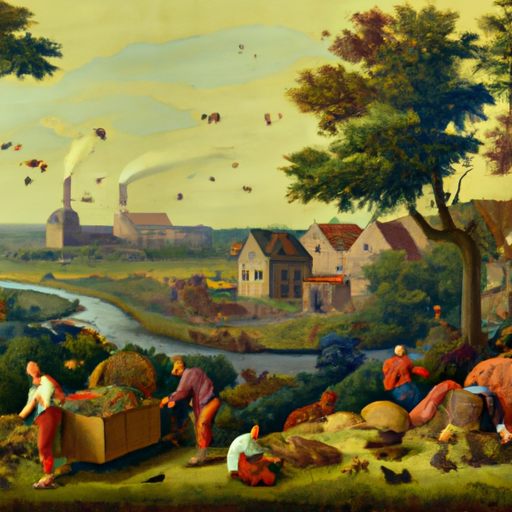
Pieter Brueghel The Younger was a Flemish painter active in the late 16th and early 17th centuries. He was known for his meticulous and detailed renditions of landscapes, village scenes, and genre paintings, often depicting peasants engaged in everyday activities. His style closely emulated that of his father, Pieter Bruegel the Elder, who was a renowned Flemish Renaissance painter. Pieter Brueghel The Younger's works became famous for their intricate details, vivid colors, and the ability to capture scenes of daily life with a touch of humor and charm.

View StyleExplore Style

Example of visual style of Post Impressionism

Post Impressionism

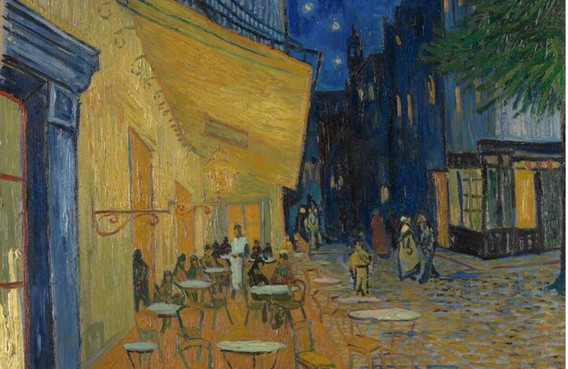
Post Impressionism emerged in the late 19th century as a reaction against the limitations of Impressionism. This style is characterized by its emphasis on expressing the artist's personal emotions and experiences through bold brushwork, vivid colors, and a departure from naturalistic representation. Post Impressionist artists, like Paul Cézanne, Vincent van Gogh, and Georges Seurat, sought to explore the emotional and symbolic aspects of their subjects. Their use of innovative techniques and unique perspectives made Post Impressionism famous for its avant-garde approach to art.

View StyleExplore Style
Example of visual style of Romantic Artists

Romantic Artists

Romantic Artists was a visual style that emerged in the late 18th to mid-19th centuries. It was characterized by an emphasis on emotion, imagination, and the sublime. This style was famous for its exploration of nature, landscapes, and the supernatural, often depicting dramatic and awe-inspiring scenes. Romantic Artists sought to evoke strong emotional responses from viewers, using vivid colors, dynamic compositions, and expressive brushwork. Some famous Romantic Artists include Caspar David Friedrich, J.M.W. Turner, and Eugène Delacroix.

View StyleExplore Style
Home