StylopediaStylopedia

Vivid styles on Stylopedia

A visual encyclopedia of vivid styles – use as prompt inspiration for Midjourney, Gemini, or ChatGPT AI when making vivid images

Example of visual style of Baroque Painting

Baroque Painting

Baroque painting originated in Italy during the late 16th century and reached its peak in the 17th century. Characterized by its dramatic and extravagant style, Baroque painting is known for its grandeur, emotional intensity, and vivid use of color and light. This style was famous for its religious and mythological subject matter, often depicting scenes of intense emotion, gestures, and theatrical compositions. The Baroque period was marked by the artistic achievements of influential artists such as Caravaggio, Peter Paul Rubens, and Rembrandt, who contributed to the popularity and recognition of Baroque painting.

View StyleExplore Style
Example of visual style of Edo Period Art

Edo Period Art

Edo Period Art refers to the artistic style that emerged during the Edo period in Japan, which spanned from 1603 to 1868. This period is also known as the Tokugawa period, named after the ruling Tokugawa shogunate. Edo Period Art is famous for its vivid and detailed depictions of various subjects such as landscapes, nature, daily life, kabuki theater, and ukiyo-e (woodblock prints). These artworks often showcased a combination of meticulous craftsmanship, vibrant colors, and a keen observation of the natural world. Edo Period Art played a crucial role in shaping the cultural and aesthetic identity of Japan during this time.

View StyleExplore Style
Example of visual style of Hockney

Hockney

Hockney is a visual style associated with the works of the renowned British artist David Hockney. This style emerged in the 1960s and gained significant recognition during the pop art movement. Hockney became famous for his vivid and colorful paintings, which often incorporated elements of collage and unconventional perspectives. His use of bold and saturated colors, playful compositions, and exploration of light and space contributed to his distinct visual style. Hockney's depictions of swimming pools, landscapes, and portraiture became iconic, representing a vibrant and contemporary expression of art.

View StyleExplore Style
Example of visual style of Jim Burns

Jim Burns

Jim Burns is a science fiction and fantasy artist known for his vivid and imaginative artworks. His work became famous during the 1970s and 1980s, and he continues to be a prominent figure in the genre. Burns' style is characterized by his use of vibrant colors, intricate details, and a fusion of organic and futuristic elements. His illustrations often feature fantastical landscapes, alien creatures, and futuristic technology, creating visual narratives that transport viewers to otherworldly realms.

View StyleExplore Style
Example of visual style of Joel Meyerowitz

Joel Meyerowitz

Joel Meyerowitz is a renowned American photographer known for his pioneering work in color photography. He rose to prominence in the 1960s and 1970s, a time when black and white photography was dominant. Meyerowitz's groundbreaking use of color, capturing vivid and vibrant moments in everyday life, revolutionized the medium. He became famous for his street photography, especially his series 'Cape Light' (1979), which showcased the luminosity and rich color palette of Cape Cod, Massachusetts.

View StyleExplore Style
Example of visual style of John Frederick Lewis

John Frederick Lewis

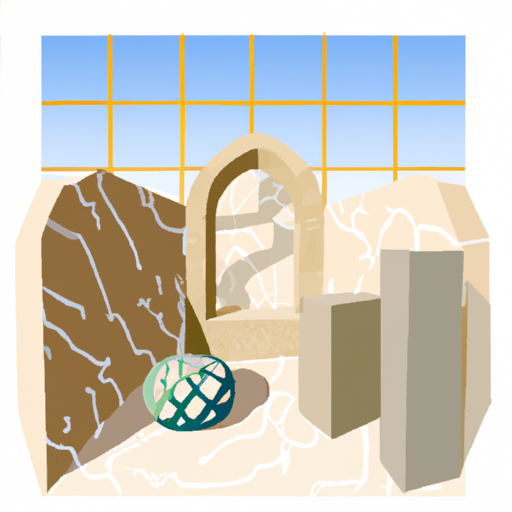
John Frederick Lewis was an English Orientalist painter who lived and worked in the 19th century. He is famous for his detailed and accurate depictions of Middle Eastern and North African scenes, particularly his vivid portrayals of everyday life in Cairo and Egypt. Lewis's style is characterized by his meticulous attention to detail, vibrant colors, and skillful use of light and shadow. His paintings often capture the exotic charm and cultural richness of the Orientalist world.

View StyleExplore Style
Example of visual style of Sei Shonagon

Sei Shonagon

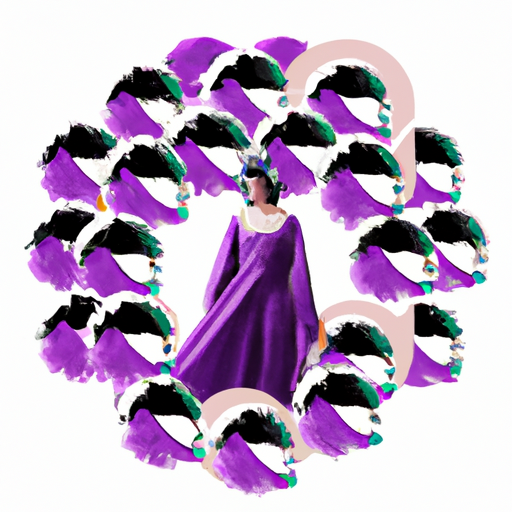
Sei Shonagon was a Japanese author and the renowned author of 'The Pillow Book' during the Heian period (794-1185). This style is known for its poetic and elegant depiction of courtly life, capturing the customs, emotions, and aesthetics of the time. The Pillow Book, written around the year 1000, was a collection of anecdotes, observations, and musings on various aspects of court life, including fashion, literature, nature, and social interactions. Sei Shonagon's keen eye for detail and her ability to vividly describe scenes made this style famous and have since influenced numerous other literary works.

View StyleExplore Style
Example of visual style of Suspiria

Suspiria

Suspiria is a visually stunning and intense horror film directed by Dario Argento and released in 1977. It gained fame for its unique and vibrant visual style, which combined bright and saturated colors, dynamic lighting, and elaborate set design. The film's use of vivid reds, blues, and greens created a surreal and dreamlike atmosphere, heightening the tension and horror of the narrative. The emphasis on color and aesthetic stylization sets Suspiria apart from traditional horror films of its time, making it a cult classic.

View StyleExplore Style
Example of visual style of The Ren Stimpy Show

The Ren Stimpy Show

The visual style of The Ren Stimpy Show can be described as grotesque, outrageous, and surreal. It became famous during its run from 1991 to 1996 for its exaggerated character designs, vivid and sometimes disturbing imagery, and its willingness to push the boundaries of what was considered appropriate for a children's cartoon. The show's creator, John Kricfalusi, drew inspiration from classic animation styles such as Golden Age cartoons and underground comics, infusing them with his own unique and often disturbing sensibilities.

View StyleExplore Style
Example of visual style of The Wizard Of Oz

The Wizard Of Oz

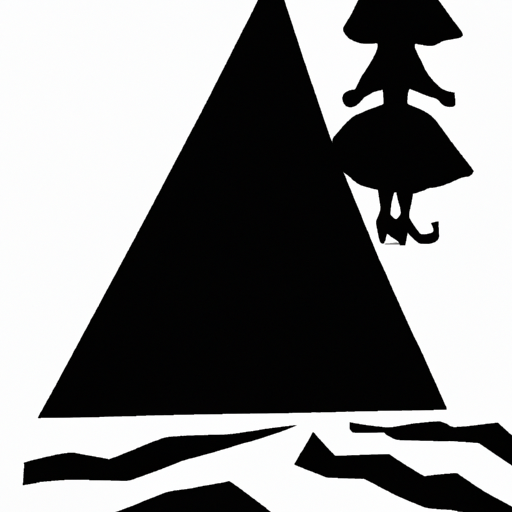
The visual style of 'The Wizard Of Oz' is characterized by vivid and vibrant colors, fantastical elements, and a mix of reality and fantasy. This style became famous in the year 1939, when the movie was released as a Technicolor musical. The use of Technicolor brought a stunning and breathtaking visual experience to the screen. The combination of the bright and bold colors, intricate set designs, and imaginative costumes made 'The Wizard Of Oz' a groundbreaking and visually iconic film.

View StyleExplore Style
Example of visual style of Tsukioka Yoshitoshi

Tsukioka Yoshitoshi

Tsukioka Yoshitoshi was a Japanese ukiyo-e artist who lived from 1839 to 1892. He is widely recognized as the last great master of the traditional ukiyo-e style and is known for his vivid and imaginative prints. Yoshitoshi's works became famous for their exaggerated and dramatic depictions, often exploring themes of violence, fantasy, and supernatural beings. He gained popularity during the late Edo period and continued his artistic contributions during the Meiji era.

View StyleExplore Style
Example of visual style of William Eggleston

William Eggleston

William Eggleston is known for pioneering color photography as a legitimate artistic medium. He gained recognition in the 1970s for his vivid and often mundane snapshots that captured the essence of everyday America. Eggleston's work challenged the prevailing notion that color photography was primarily for commercial purposes, and he demonstrated its potential for artistic expression. His use of intense color and attention to everyday subjects became iconic, eventually influencing and inspiring generations of photographers.

View StyleExplore Style
Home