StylopediaStylopedia

Visual effects styles on Stylopedia

A visual encyclopedia of visual effects styles – use as prompt inspiration for Midjourney, Gemini, or ChatGPT AI when making visual effects images

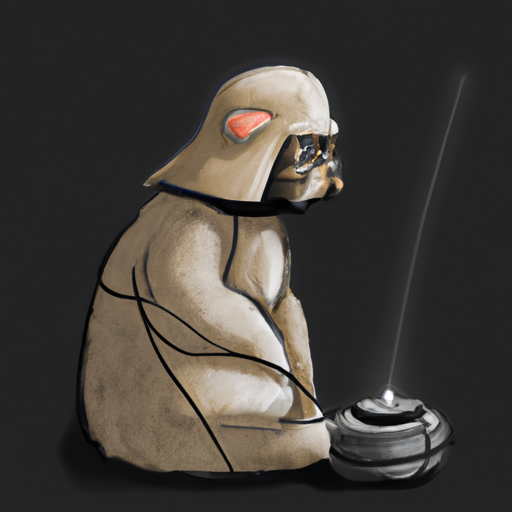
Example of visual style of Alex Jaeger

Alex Jaeger

Alex Jaeger is known for his work in the field of concept art and visual effects. He has a distinct style characterized by attention to detail, realistic rendering, and a strong use of color. His works often feature futuristic and sci-fi elements, with a focus on creating believable and immersive environments. Alex Jaeger rose to prominence in the late 1990s and early 2000s, with his work on films like Starship Troopers (1997) and the Men in Black series. His ability to bring fantastical worlds to life through his intricate designs and meticulous execution made him famous in the industry.

View StyleExplore Style

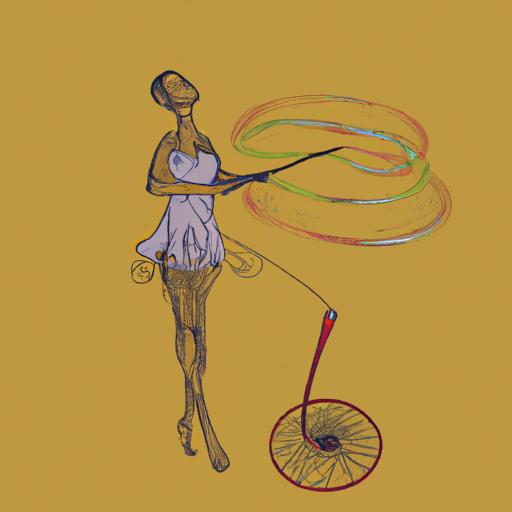
Example of visual style of Animation

Animation

Animation is a visual style that involves bringing static images or objects to life through the illusion of motion. It has been a popular form of visual media since the early 20th century, with important milestones including the creation of the first animated film, 'The Humorous Phases of Funny Faces' by J. Stuart Blackton in 1906, and the establishment of Walt Disney Studios in 1923. Animation gained widespread fame through the introduction of sound in 'Steamboat Willie' (1928), which featured Mickey Mouse, and the release of Disney's 'Snow White and the Seven Dwarfs' in 1937, the first full-length animated feature film. Animation has since become an integral part of film and television, entertaining audiences of all ages with its imaginative storytelling and unique visual effects.

View StyleExplore Style
Example of visual style of Computer Generated Imagery

Computer Generated Imagery

Computer Generated Imagery (CGI) is the use of computer graphics to create or enhance visual elements of a film, television show, video game, or other form of media. CGI became popular in the late 20th century and continues to evolve and advance in the 21st century. It gained significant attention and recognition in the film industry with the release of movies like Jurassic Park (1993) and The Matrix (1999), which showcased groundbreaking visual effects achieved through CGI.

View StyleExplore Style
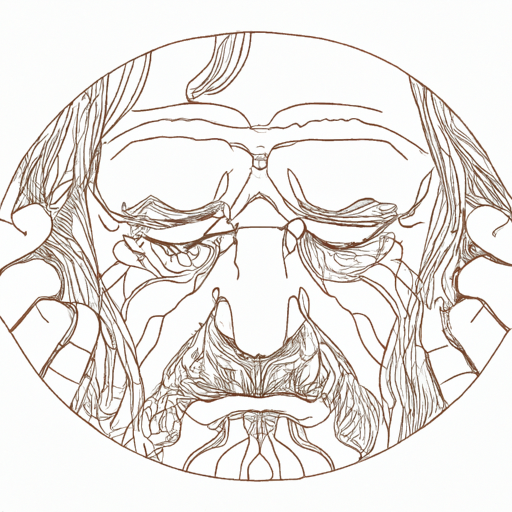
Example of visual style of Dennis Muren

Dennis Muren

Dennis Muren is a visual effects artist known for his groundbreaking work in films from the late 1970s to present. His innovative techniques and achievements in special effects have revolutionized the industry. Muren's work became famous through his collaboration with director Steven Spielberg and his involvement in films like Star Wars, E.T. the Extra-Terrestrial, and Jurassic Park. His style is characterized by seamless integration of visual effects into live-action footage, creating a realistic and immersive experience for audiences.

View StyleExplore Style
Example of visual style of Doug Jones

Doug Jones

Doug Jones is not a visual style, but rather an actor known for his unique and diverse character portrayals. Starting in the early 1980s, Doug Jones gained fame for his captivating performances in various roles which required heavy makeup, prosthetics, and physical transformations. His ability to bring life to fantastical creatures and otherworldly beings has made him a beloved figure in the realm of film and television. With his expressive movements and exceptional body control, Doug Jones has become an iconic figure in the world of visual effects and creature performance.

View StyleExplore Style
Example of visual style of Harryhausen Style

Harryhausen Style

Harryhausen Style refers to the stop-motion animation technique created by Ray Harryhausen, a renowned visual effects creator. This style gained popularity during the 1950s to the 1980s. Ray Harryhausen is famous for his groundbreaking work in films such as "Jason and the Argonauts", "Clash of the Titans", and "The 7th Voyage of Sinbad". The Harryhausen Style is known for its highly detailed and intricately animated creatures and special effects, bringing mythological creatures and monsters to life.

View StyleExplore Style
Example of visual style of Industrial Light Magic

Industrial Light Magic

Industrial Light & Magic (ILM) is a visual effects company founded by George Lucas in 1975. It became famous for its groundbreaking work in films such as Star Wars, Jurassic Park, and The Avengers. With a focus on creating realistic and awe-inspiring visual effects, ILM revolutionized the film industry. Using innovative techniques, cutting-edge technology, and talented artists, they have consistently delivered stunning visual effects that have captivated audiences for decades.

View StyleExplore Style
Example of visual style of Industrial Light Magic (ILM)

Industrial Light Magic (ILM)

Industrial Light & Magic (ILM) is a visual effects company founded in 1975 by George Lucas. It became famous for its groundbreaking work in the Star Wars franchise starting in the late 1970s. ILM revolutionized the film industry with its advanced visual effects techniques including motion control photography, computer-generated imagery (CGI), and digital editing. The company has continued to push boundaries in visual effects through the years, working on numerous blockbuster films and earning numerous awards for its contributions to the industry.

View StyleExplore Style

Example of visual style of Jim Henson

Jim Henson

Jim Henson is known for his distinctive puppetry and visual effects in film and television. He gained fame for creating the Muppets, which first appeared in the early 1950s. Henson's innovative use of puppetry and animatronics revolutionized the entertainment industry, making his characters come to life with a unique blend of humor and emotion. His style reached its peak during the 1970s and 1980s, with iconic works such as 'The Muppet Show' (1976-1981) and 'The Dark Crystal' (1982). Henson's artistry and imagination made the Muppets and his other creations beloved by audiences of all ages.

View StyleExplore Style
Example of visual style of John Dykstra

John Dykstra

John Dykstra is a visual effects designer known for his groundbreaking work in the field of computer-generated special effects. He rose to fame in the 1970s for his work on the film 'Star Wars', where he pioneered the use of motion control camera systems and computer-generated imagery (CGI). Dykstra's innovative techniques revolutionized the industry and set new standards for visual effects in films. His work in 'Star Wars' earned him an Academy Award for Special Achievement in Visual Effects in 1978.

View StyleExplore Style
Example of visual style of John Gaeta

John Gaeta

John Gaeta is a visual effects artist known for his pioneering work in the field of bullet time. His work on the movie 'The Matrix' in 1999 introduced the famous slow-motion bullet dodging effect. Gaeta's bullet time technique revolutionized the industry and became an iconic visual style, blending live-action and computer-generated imagery to create breathtaking sequences. He continued to push the boundaries of visual effects in movies like 'The Matrix Reloaded' and 'The Matrix Revolutions'.

View StyleExplore Style
Example of visual style of John Knoll

John Knoll

John Knoll is a visual effects artist known for his work in the film industry. He rose to fame in the late 1990s with his groundbreaking visual effects in the movie 'Star Wars: Episode I - The Phantom Menace', which included the creation of the character Jar Jar Binks. Knoll's work in this film, as well as in subsequent films such as 'Star Wars: Episode II - Attack of the Clones' and 'Pirates of the Caribbean: The Curse of the Black Pearl', showcased his mastery of digital compositing and computer-generated imagery. His visual style combines seamless integration of visual effects with live-action footage, creating realistic and captivating scenes.

View StyleExplore Style
Example of visual style of Lana And Lilly Wachowski

Lana And Lilly Wachowski

The Lana and Lilly Wachowski visual style emerged in the late 1990s and gained popularity in the 2000s. Known for their groundbreaking work in the sci-fi genre, Lana and Lilly Wachowski revolutionized visual storytelling through their distinctive style and visionary approach. Their films, such as The Matrix trilogy (1999-2003) and Cloud Atlas (2012), captivated audiences with their innovative use of visual effects, sleek and stylized cinematography, and thought-provoking narratives that explored themes of identity, reality, and dystopia. With their unique blend of action, philosophy, and stunning visuals, the Lana and Lilly Wachowski visual style has become iconic in the realm of science fiction cinema.

View StyleExplore Style
Example of visual style of Lilly Wachowski

Lilly Wachowski

Lilly Wachowski's visual style is characterized by dynamic and stylized cinematography, bold color schemes, and a blend of various genres such as science fiction and action. Her style gained prominence in the late 1990s with the release of the groundbreaking film 'The Matrix' (1999), which she co-directed with her sister Lana Wachowski. The film's innovative visual effects and intense action sequences made it a sensation, revolutionizing the way action films were made. Lilly Wachowski's visual style is known for its high-energy and visually stunning sequences that often incorporate slow-motion, intricate choreography, and cutting-edge technology.

View StyleExplore Style
Example of visual style of Phil Tippett

Phil Tippett

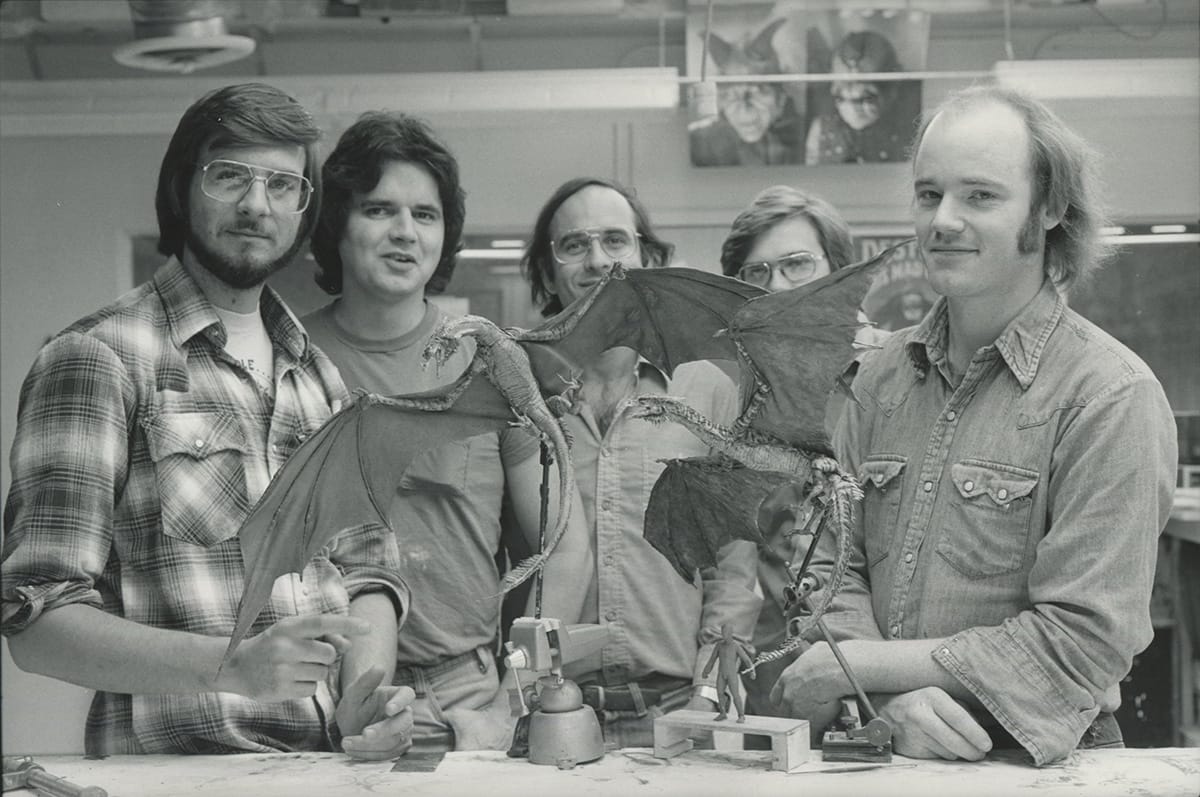
Phil Tippett is a visual effects artist and filmmaker known for his groundbreaking work in stop-motion animation and creature design. His style became famous in the 1980s and 1990s when he created iconic creatures and visual effects for films like Star Wars: Return of the Jedi, Jurassic Park, and RoboCop. Tippett's unique style combines practical effects with computer-generated imagery, bringing life to fantastical creatures and enhancing the visual storytelling in these films.

View StyleExplore Style
Example of visual style of Ray Harryhausen

Ray Harryhausen

Ray Harryhausen was a visual effects creator and stop-motion animator who became famous for his work in the 1950s to 1980s. He was known for his fantastical and imaginative creations, bringing to life mythical creatures, dinosaurs, and monsters in films such as 'Jason and the Argonauts' (1963) and 'Clash of the Titans' (1981). His meticulous attention to detail and skill in stop-motion animation made his creations appear lifelike and awe-inspiring, revolutionizing the industry and inspiring generations of filmmakers.

View StyleExplore Style
Example of visual style of Richard Edlund

Richard Edlund

Richard Edlund is a visual effects artist known for his pioneering work in the film industry. He made significant contributions in the field of visual effects during the late 1970s and 1980s, which earned him multiple Academy Awards. His work in films like 'Star Wars' (1977), 'Raiders of the Lost Ark' (1981), and 'Ghostbusters' (1984) revolutionized the use of special effects in cinema. Edlund's innovation and attention to detail in creating realistic and immersive visual worlds made him a legend in the industry.

View StyleExplore Style

Example of visual style of Science Fiction Films

Science Fiction Films

Science Fiction Films is a visual style characterized by futuristic and technological elements, often set in space or dystopian worlds. It emerged in the early 20th century, gaining popularity in the 1950s and 1960s with iconic films like 'The Day the Earth Stood Still' (1951) and '2001: A Space Odyssey' (1968). These films introduced groundbreaking visual effects, portraying advanced technology, alien worlds, and imaginative landscapes. Science Fiction Films often explore themes of future societies, time travel, extraterrestrial life, and the impact of technology on humanity, captivating audiences with the possibilities and dangers of a technologically advanced future.

View StyleExplore Style
Example of visual style of Steven Spielberg

Steven Spielberg

The Steven Spielberg visual style is characterized by a mix of adventurous storytelling, emotional depth, and iconic cinematic moments. Spielberg is known for his ability to blend genres and create thrilling and imaginative visual experiences that captivate audiences. He gained prominence in the late 1970s and 1980s with films like 'Jaws' (1975), 'Close Encounters of the Third Kind' (1977), and 'E.T. the Extra-Terrestrial' (1982), which set new standards for visual effects and storytelling in the industry. His style often includes sweeping camera movements, immersive point-of-view shots, and dynamic editing, all aimed at evoking strong emotions from the viewers.

View StyleExplore Style
Example of visual style of The Lord Of The Rings Trilogy

The Lord Of The Rings Trilogy

The visual style of The Lord Of The Rings Trilogy, directed by Peter Jackson, is a fantastical and epic blend of high fantasy, medieval elements, and richly detailed landscapes. Released between 2001 and 2003, this trilogy brought J.R.R. Tolkien's legendary world of Middle-earth to life with its groundbreaking use of visual effects, intricate set designs, and stunning cinematography. It became famous for its grand scale battles, mythical creatures, and breathtaking vistas, captivating audiences worldwide.

View StyleExplore Style
Example of visual style of Weta Workshop

Weta Workshop

Weta Workshop is a visual effects and prop design company founded in 1987 in Wellington, New Zealand. It gained international fame through its work on The Lord of the Rings trilogy, released between 2001 and 2003. The company is known for its incredible attention to detail and commitment to creating realistic and fantastical worlds on screen. With groundbreaking practical effects, prosthetics, miniatures, and digital effects, Weta Workshop has set new standards in the film industry.

View StyleExplore Style
Home