StylopediaStylopedia

Visceral styles on Stylopedia

A visual encyclopedia of visceral styles – use as prompt inspiration for Midjourney, Gemini, or ChatGPT AI when making visceral images

Example of visual style of Artemisia Gentileschi

Artemisia Gentileschi

Artemisia Gentileschi was an Italian Baroque painter who became famous for her powerful, dramatic, and often visceral depictions of biblical and mythological women. Active during the 17th century, her style is characterized by dynamic compositions, rich colors, and a focus on the emotional intensity of her subjects. Gentileschi's work is known for its emphasis on female protagonists, as well as her use of chiaroscuro and naturalistic details. She is regarded as one of the most important female artists of her time.

View StyleExplore Style

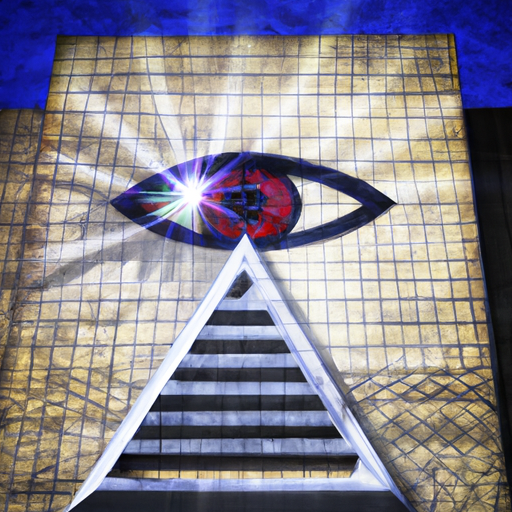
Example of visual style of David Cronenberg

David Cronenberg

The visual style of David Cronenberg is characterized by its dark and unsettling aesthetics, blending elements of body horror and psychological thriller. Cronenberg's style became famous in the 1980s and 1990s through films such as 'Videodrome' (1983), 'The Fly' (1986), and 'Crash' (1996). His unique ability to depict visceral physical transformations and explore the relationship between the human body and technology gained him a cult following and critical acclaim.

View StyleExplore Style
Example of visual style of George Romero

George Romero

George Romero, a prominent filmmaker in the horror genre, was known for his distinctive visual style, especially in his later films. His style emerged in the late 1960s and continued throughout the 1970s and 1980s, making him one of the most influential directors in the genre. Romero's visual style was characterized by his innovative use of lighting, shadows, and framing techniques to create a sense of dread and horror. He often employed low-budget techniques, such as handheld cameras and practical effects, to create a visceral and gritty aesthetic. Romero's films were famous for their social commentaries on consumerism, racism, and other contemporary issues.

View StyleExplore Style
Example of visual style of Jan Švankmajer

Jan Švankmajer

Jan Švankmajer is a Czech filmmaker and artist known for his unique visual style that combines live-action and stop-motion animation. His work often explores dark and surreal themes, and is characterized by a gritty, visceral aesthetic. Švankmajer rose to prominence in the 1960s and 1970s with his short films and later gained international recognition with feature-length movies such as 'Alice' (1988) and 'Faust' (1994). His use of everyday objects and materials, as well as his focus on the subconscious and the grotesque, have made him famous in the world of animation and experimental film.

View StyleExplore Style
Example of visual style of Lynne Ramsay

Lynne Ramsay

Lynne Ramsay's visual style is characterized by its intense and visceral approach to storytelling. Known for her psychological realism and attention to sensory details, Ramsay's films create an emotional impact through their stunning visuals. Her work often explores complex characters in haunting and atmospheric settings, delving into the depths of human experiences and emotions. Lynne Ramsay rose to fame with her critically acclaimed films 'Ratcatcher' (1999) and 'We Need to Talk About Kevin' (2011), which showcased her unique directorial vision and established her as one of the most distinctive auteurs working today.

View StyleExplore Style
Example of visual style of Neil Marshall

Neil Marshall

The visual style of Neil Marshall is known for its gritty and intense atmosphere, often characterized by dark and desaturated colors, realistic and gritty production design, and claustrophobic and visceral action sequences. Marshall gained popularity in the early 2000s for his work in the horror and thriller genres, with films like 'Dog Soldiers' (2002) and 'The Descent' (2005). His use of practical effects and minimal CGI in creating suspense and tension became a trademark of his style.

View StyleExplore Style
Home