StylopediaStylopedia

Violence styles on Stylopedia

A visual encyclopedia of violence styles – use as prompt inspiration for Midjourney, Gemini, or ChatGPT AI when making violence images

Example of visual style of Futurism

Futurism

Futurism was an artistic and social movement that originated in Italy in the early 20th century, particularly emphasizing speed, technology, youth, and violence. It emerged as a response to the rapid growth in industrialization and scientific advancements of the time. Futurism glorified modernity, dynamism, and the machine age, reflecting a fascination with the future and a rejection of traditional artistic and social conventions. Notable years for Futurism were 1909-1914, with its peak in popularity around 1910. This style was made famous by artists such as Umberto Boccioni, Giacomo Balla, and Gino Severini.

View StyleExplore Style
Example of visual style of Giallo Films

Giallo Films

Giallo Films is an Italian genre of thriller and horror movies that emerged in the late 1960s and gained popularity in the 1970s. It is characterized by its intense use of stylized visuals, bright and vivid colors, intricate and convoluted plots, psychological and supernatural elements, as well as shocking scenes of violence and eroticism. Giallo Films often feature a masked killer and explore themes of mystery, murder, and detective investigation. The genre is known for its distinctive blend of suspenseful storytelling, atmospheric cinematography, and haunting musical scores. Giallo Films were highly influential in shaping the modern slasher and psychological horror genres.

View StyleExplore Style
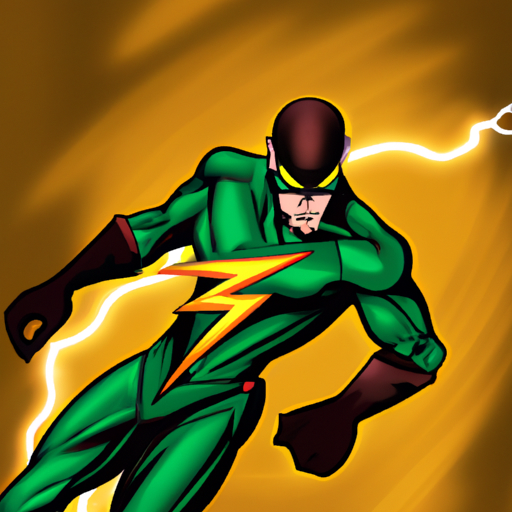
Example of visual style of Hardboiled Detective Fiction

Hardboiled Detective Fiction

Hardboiled Detective Fiction is a gritty and dark visual style that emerged in the 1920s and gained popularity in the 1930s and 1940s. It is characterized by its tough, cynical, and realistic portrayal of crime and its protagonists. This style became famous for its depiction of private detectives, usually male, who operate in a corrupt and violent society. The stories often revolve around murder, mystery, and betrayal, featuring fast-paced action, tough dialogue, and morally ambiguous characters.

View StyleExplore Style
Example of visual style of Jenny Holzer

Jenny Holzer

Jenny Holzer is an American artist known for her text-based artworks. Emerging in the late 1970s, Holzer gained fame for her use of LED signs to display provocative and thought-provoking statements in public spaces. Her works often address themes of power, politics, gender, and violence. Holzer's visual style combines bold and simple typography with stark backgrounds, creating a visually impactful and highly readable display. Her artworks have been exhibited internationally and have made a significant impact on contemporary art.

View StyleExplore Style
Example of visual style of Judge Dredd

Judge Dredd

Judge Dredd, a British comic book character created by writer John Wagner and artist Carlos Ezquerra in 1977, is known for its gritty and dystopian visual style. The iconic style of Judge Dredd became famous for its future cityscapes, dark atmosphere, cyberpunk elements, and exaggerated character designs. The style portrays a post-apocalyptic world filled with violence, corruption, and a powerful totalitarian justice system. It gained popularity through various comic books, graphic novels, and film adaptations.

View StyleExplore Style
Example of visual style of Kathryn Bigelow

Kathryn Bigelow

Kathryn Bigelow's visual style is characterized by gritty realism, visceral action sequences, and intense storytelling. Her films often explore themes of conflict, violence, and power dynamics. Bigelow gained prominence in the 1980s and 1990s with films like 'Blue Steel' (1989) and 'Point Break' (1991), which showcased her knack for adrenaline-pumping narratives and stylish visuals. She achieved widespread fame with 'The Hurt Locker' in 2008, a critically acclaimed war drama that won her the Oscar for Best Director, making her the first female director to receive the prestigious award. Bigelow's groundbreaking success continued with 'Zero Dark Thirty' (2012), further solidifying her reputation as a master of suspense and tension in cinema.

View StyleExplore Style
Example of visual style of Larry Clark

Larry Clark

Larry Clark is a photographer and filmmaker known for his raw and gritty visual style. His work gained fame in the 1990s and early 2000s for its voyeuristic and controversial depiction of youth culture. Clark explored themes of skateboarding, drugs, sex, and violence in his photographs and movies, often capturing the edgy and rebellious nature of youth. His documentary-like approach and use of candid, explicit imagery made his work distinct and controversial. Clark's visual style became famous for its unflinching and provocative portrayal of youth subcultures.

View StyleExplore Style
Example of visual style of Lucio Fulci

Lucio Fulci

The Lucio Fulci visual style emerged in the 1970s and 1980s as a distinct Italian horror film aesthetic. Fulci, an influential filmmaker known as the 'Godfather of Gore,' gained fame for his graphic and visceral depictions of violence and horror. His works became famous for their shocking and excessive use of blood, gore, and disturbing imagery. Fulci's visual style often featured atmospheric lighting, close-ups of brutal violence, and a dreamlike quality that blended reality and nightmare. With films like 'Zombie' (1979), 'The Beyond' (1981), and 'City of the Living Dead' (1980), Fulci's style became synonymous with the Italian horror genre.

View StyleExplore Style
Example of visual style of Martin Scorsese

Martin Scorsese

The visual style of Martin Scorsese is characterized by its gritty realism, intense subject matter, and strong use of color. Scorsese rose to fame in the 1970s with films such as 'Taxi Driver' and 'Raging Bull', which depicted the seedy underbelly of society and explored themes of violence, corruption, and redemption. His use of vibrant colors and dynamic camera movements create a palpable sense of tension and unease, immersing the audience in the raw emotions of his characters. Scorsese's style became famous for its unconventional storytelling techniques, such as voice-over narration and rapid editing. This visual style has continued to evolve over the years, with Scorsese exploring different genres and periods, yet maintaining his signature intensity and visual flair.

View StyleExplore Style
Example of visual style of Rob Liefeld

Rob Liefeld

Rob Liefeld is a visual style known for its exaggerated anatomy, dynamic poses, and emphasis on action and violence. This style rose to prominence in the late 1980s and early 1990s, during the popularity boom of superhero comics. Liefeld's influential art style is characterized by bulging muscles, large weapons, pouches, and characters with extreme proportions. His style became famous for its energy and intensity, revolutionizing the way superheroes were depicted in comics.

View StyleExplore Style
Example of visual style of S Clay Wilson

S Clay Wilson

S Clay Wilson is known for his distinctive and influential style in underground comix during the 1960s and 1970s. His work is characterized by highly detailed and grotesque imagery, often depicting scenes of violence, sex, and extreme countercultural themes. Wilson's style became famous for its dark and explicit content, with his drawings pushing the boundaries of what was considered acceptable in mainstream comics. Through his work, Wilson contributed to the growth and acceptance of alternative and underground comics as an art form.

View StyleExplore Style
Example of visual style of Todd Phillips

Todd Phillips

Todd Phillips is a director known for his distinctive visual style characterized by dark and gritty atmospheres, intense close-ups, and a realistic and grounded approach. He gained fame with his films like 'The Hangover' series (2009-2013) and 'Joker' (2019), which showcased his ability to blend comedy and drama seamlessly. Phillips' style is marked by his use of a muted color palette, often featuring desaturated tones and deep shadows. His films explore the darker sides of humanity, often delving into subjects like madness, violence, and social criticism.

View StyleExplore Style
Example of visual style of Tsukioka Yoshitoshi

Tsukioka Yoshitoshi

Tsukioka Yoshitoshi was a Japanese ukiyo-e artist who lived from 1839 to 1892. He is widely recognized as the last great master of the traditional ukiyo-e style and is known for his vivid and imaginative prints. Yoshitoshi's works became famous for their exaggerated and dramatic depictions, often exploring themes of violence, fantasy, and supernatural beings. He gained popularity during the late Edo period and continued his artistic contributions during the Meiji era.

View StyleExplore Style
Home