
Abd Al Samad
Abd Al Samad is a style popular in the Middle East during the 16th century, known for intricate geometric patterns, vibrant colors, and detailed calligraphy.
View StyleExplore Style Stylopedia
A visual encyclopedia of vibrant colors styles – use as prompt inspiration for Midjourney, Gemini, or ChatGPT AI when making vibrant colors images
Abd Al Samad is a style popular in the Middle East during the 16th century, known for intricate geometric patterns, vibrant colors, and detailed calligraphy.
View StyleExplore Style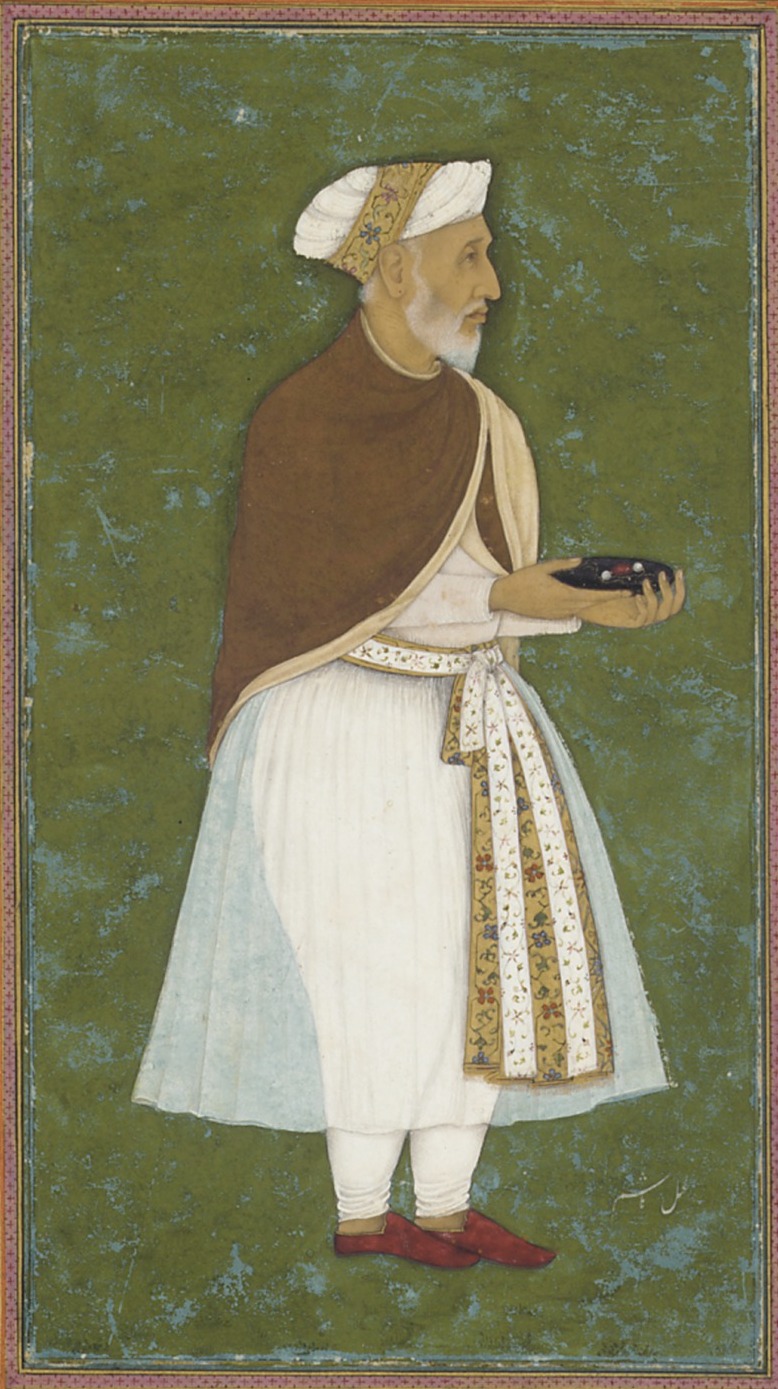
Abdul Rahim Khan I Khanan was a Mughal nobleman and poet in the court of Emperor Akbar in the 16th century. His visual style is characterized by intricate floral motifs, geometric patterns, and vibrant colors, often seen in Mughal miniature paintings and architecture.
View StyleExplore Style
Abdul Rehman Chughtai was a prominent Pakistani artist known for his unique blend of traditional Islamic and Persian miniature painting techniques with modern influences. His work gained popularity during the early to mid-20th century for its intricate details, vibrant colors, and cultural themes.
View StyleExplore Style
Abdul Waheed's visual style is characterized by vibrant colors, intricate patterns, and a fusion of traditional and contemporary elements. His work gained popularity in the 2000s for its unique blend of East and West influences.
View StyleExplore Style
Abdullah Al Wasiti is known for his intricate and colorful illustrations, often depicting scenes from historical events and everyday life in the Islamic world. His work became famous in the 13th century for its detailed depictions and use of vibrant colors.
View StyleExplore Style
Abdur Rahman Chughtai was a Pakistani painter known for reviving and popularizing the Mughal miniature art form during the early to mid 20th century in South Asia. His style blends traditional miniature techniques with a modern touch, characterized by intricate details, vibrant colors, and a focus on Islamic and Mughal themes.
View StyleExplore Style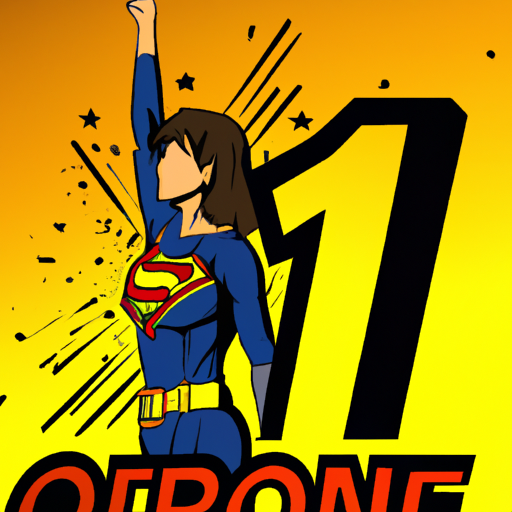
Action Comics is a visual style that originated in the late 1930s and became famous through its portrayal of superhero stories. It is synonymous with the superhero genre and is known for its vibrant colors, dynamic illustrations, and emphasis on action-packed scenes. Action Comics gained prominence with the introduction of the iconic comic book character Superman in Action Comics #1 in 1938. This visual style revolutionized the comic book industry and set the foundation for modern superhero storytelling.
View StyleExplore Style
The visual style of Ada Limon is characterized by vibrant colors, bold brush strokes, and a focus on nature and everyday life. Limon's work gained prominence in the late 20th and early 21st centuries for its expressive and emotive qualities.
View StyleExplore Style
Adebayo Oke Lawal's visual style is a fusion of traditional African textiles and contemporary European tailoring. His designs are known for their bold prints, vibrant colors, and modern silhouettes, creating a unique and fresh aesthetic that has gained popularity in the fashion world.
View StyleExplore Style
Adolf Wolfli's visual style is characterized by intricate, detailed drawings filled with geometric patterns, vibrant colors, and fantastical imagery. He is known for his unique outsider art created during his time in a psychiatric institution from 1895 to 1908.
View StyleExplore Style
Afewerk Tekle was an Ethiopian artist known for his realistic paintings and murals that captured the rich cultural history and traditions of Ethiopia. His work became famous in the 1950s and 1960s for its vibrant colors and intricate details.
View StyleExplore Style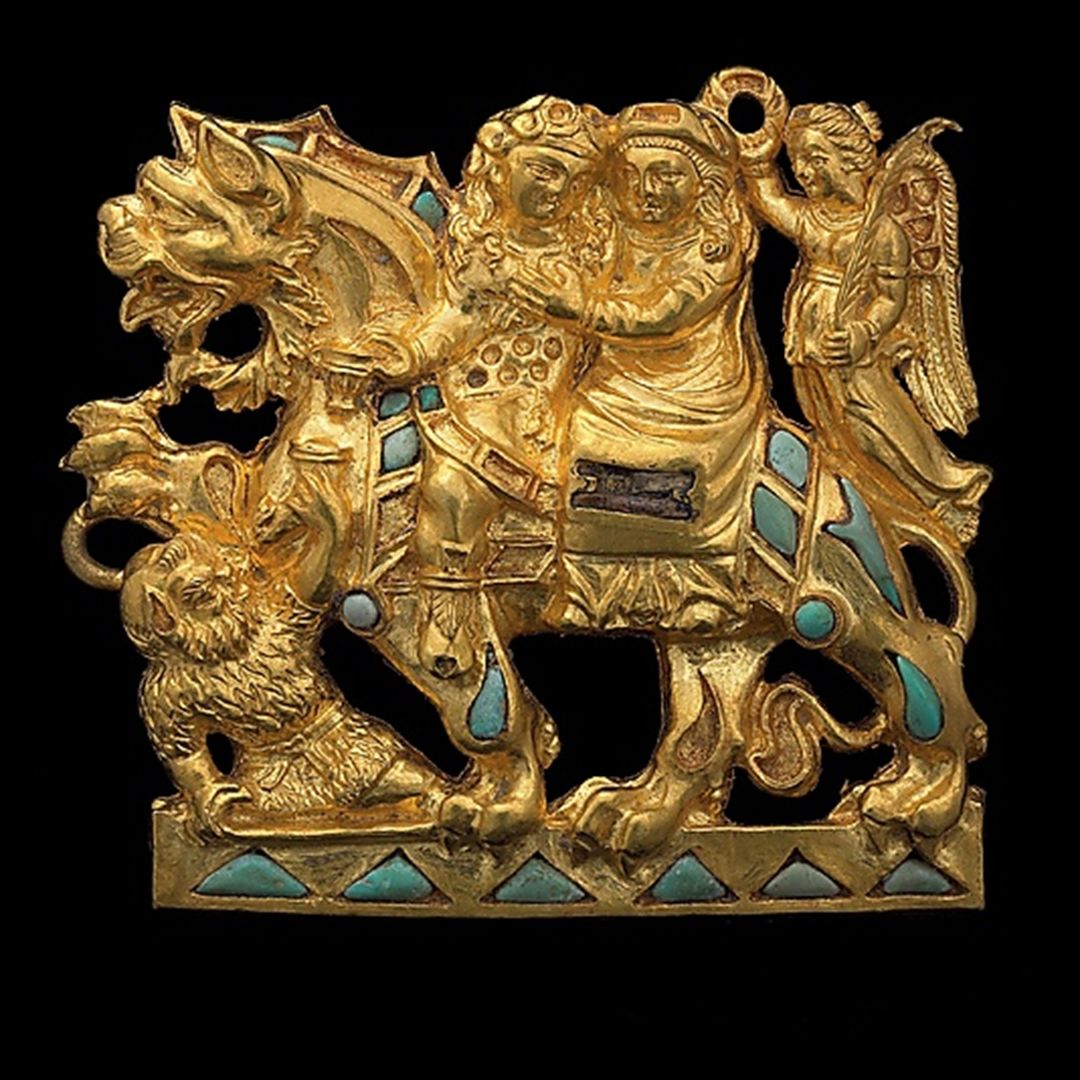
Afghan art features vibrant colors, intricate patterns, and rich symbolism. Influenced by Islamic and Persian art, it often includes calligraphy, geometric designs, and depictions of historical events. Famous for its stunning mosaics and miniature paintings, Afghan art has a long history dating back centuries.
View StyleExplore Style
Africobra African Commune Of Bad Relevant Artists was a visual art style that emerged in the 1960s and 1970s, known for its vibrant colors, bold patterns, and messages of Black pride and empowerment. This style gained fame for its innovative blending of African aesthetics with modern urban influences.
View StyleExplore Style
Ajanta Caves are famous for their ancient Buddhist cave paintings and sculptures dating back to 2nd century BCE to 480 CE. The style is characterized by intricate details, vibrant colors, and religious themes.
View StyleExplore Style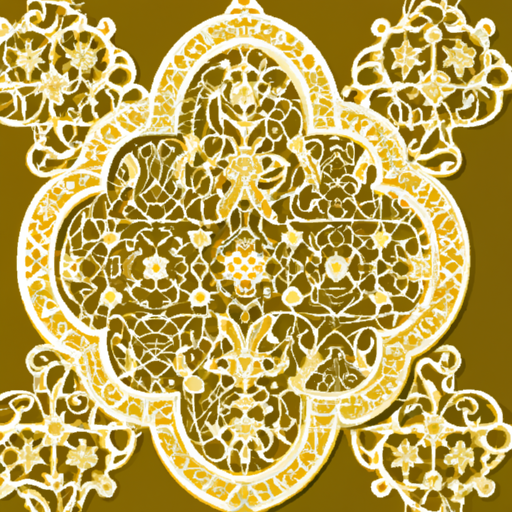
Akbar is a visual style that emerged in the late 16th century during the reign of Emperor Akbar in the Mughal Empire. It reached its peak between 1556 and 1605. This style is renowned for its intricate and detailed artwork, blending Persian, Indian, and Islamic influences. It is characterized by its vibrant colors, intricate patterns, and exquisite craftsmanship. The Akbar style became famous for its fusion of diverse artistic traditions and its emphasis on naturalistic details.
View StyleExplore Style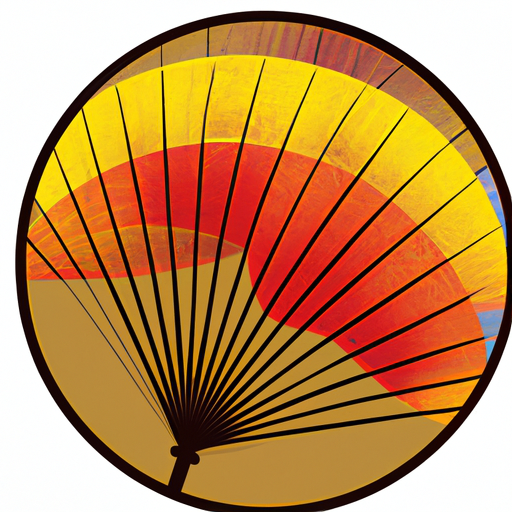
Akiko Ike is a Japanese visual style that originated in the 1960s and gained popularity in the 1970s to 1980s. It is characterized by vibrant colors, bold and geometric patterns, and a sense of playfulness. Akiko Ike became famous for its use of bright and contrasting colors, which were inspired by the Pop Art movement. The style combined traditional Japanese aesthetics with a contemporary and modern approach, creating a visually striking and dynamic look.
View StyleExplore Style
Akira Nishitani is a Japanese video game designer known for his detailed pixel art and vibrant color palettes in popular games like Street Fighter II and Final Fight.
View StyleExplore Style
The Akrotiri Frescoes refer to a collection of ancient Greek wall paintings found on the island of Santorini. Dating back to the Minoan Bronze Age (c. 1700-1600 BC), these frescoes are known for their vibrant colors, detailed depictions of nature, and sophisticated use of perspective.
View StyleExplore StyleAkwete Weavers is a traditional handwoven textile style originating from the Igbo people in Nigeria. It is characterized by vibrant colors, intricate geometric patterns, and the use of locally sourced materials such as cotton and silk. Akwete Weavers gained fame for its unique designs and cultural significance in the 19th and 20th centuries.
View StyleExplore Style
Al Wasiti is a visual style from the early 11th century Baghdad characterized by vibrant colors, intricate patterns, and detailed illustrations. The detailed miniatures and intricate designs in their artwork made Al Wasiti famous in the Muslim world.
View StyleExplore Style
Albert Namatjira was an Australian Aboriginal artist known for his unique style of landscape painting, which featured vibrant colors and strong contrasts. His work gained international recognition in the mid-20th century.
View StyleExplore Style
Albert Uderzo is a French comic artist known for his distinctive visual style characterized by bold lines, vibrant colors, and exaggerated character designs. He is most famous for co-creating the popular comic book series 'Asterix' along with writer René Goscinny. Uderzo's style became widely recognized in the 1960s and 1970s when 'Asterix' gained international popularity. His use of lively and dynamic drawings, hilarious visual gags, and intricate backgrounds have made his artworks iconic in the comic industry.
View StyleExplore Style
Alejandro Jodorowsky is a visual stylist known for his surreal and avant-garde approach to filmmaking. His style emerged in the 1970s and gained popularity through films like 'El Topo' (1970) and 'The Holy Mountain' (1973). Jodorowsky's visual style is characterized by its dreamlike and hallucinatory imagery, combining elements of mysticism, religious symbolism, and psychological exploration. His use of vibrant colors, elaborate set designs, and unconventional narratives made his work highly influential in the realm of surreal cinema.
View StyleExplore Style
Allen Blum is known for his unique blend of vibrant colors, surreal imagery, and intricate details. His work gained popularity in the 1980s and is characterized by a psychedelic and dreamlike aesthetic.
View StyleExplore Style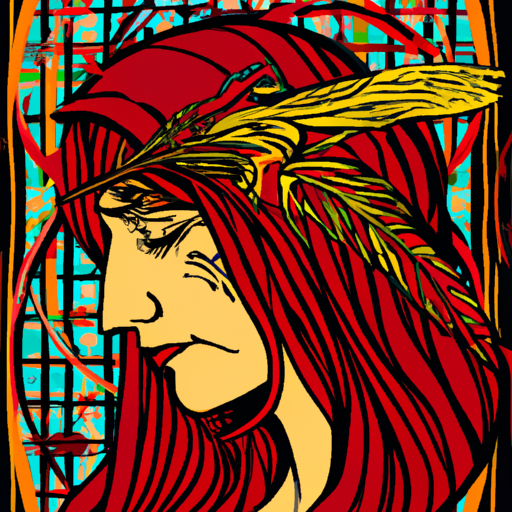
Alphonse Mucha was an influential Art Nouveau artist in the late 19th and early 20th centuries. His distinctive style, characterized by intricate and ornamental designs, gained popularity through his iconic poster art. Mucha's work is known for its vibrant colors, elaborate floral motifs, and elegant female figures. This style became famous for capturing the essence of the Art Nouveau movement, which emphasized organic forms and decorative elements. Mucha's artistic contributions between 1890 and 1910 helped shape the visual landscape of the era.
View StyleExplore Style
Amelia Pelaez was a Cuban artist known for her abstract paintings inspired by traditional Cuban decorative arts. She gained fame in the 1940s and 1950s for her vibrant colors, geometric patterns, and use of flattened forms.
View StyleExplore Style
The visual style of the Amelie film, directed by Jean-Pierre Jeunet in 2001, is characterized by vibrant colors, whimsical details, and a nostalgic, dreamlike quality. It utilizes creative framing, playful camera angles, and intricate set designs to create a charming and fantastical world.
View StyleExplore Style
The visual style of American Born Chinese, a graphic novel by Gene Luen Yang, combines traditional comic book art with elements of Chinese mythology and culture. The art is characterized by bold lines, vibrant colors, and expressive characters.
View StyleExplore Style
The American Musical Film style emerged in the early 20th century and was popularized during the Golden Age of Hollywood in the 1930s to 1950s. Known for elaborate musical numbers, vibrant colors, and extravagant sets, this style captivated audiences with its infectious songs and dance sequences.
View StyleExplore Style
Amy Sherald is an American artist known for her distinctive style of portrait painting that features vibrant colors, grayscale skin tones, and a unique combination of realism and abstraction. Her work gained international recognition in 2018 when her portrait of former First Lady Michelle Obama was unveiled at the National Portrait Gallery in Washington, D.C. Sherald's style is influenced by Realism and Postmodernism, and she often explores themes of African American identity, representation, and social justice in her artwork.
View StyleExplore Style
Analog Film Photography is a visual style that was popular from the early 19th century to the late 20th century. It involves capturing images using traditional film cameras and developing the film to create physical prints. This style became famous for its unique characteristics such as vibrant colors, graininess, and a nostalgic feel. It was widely used by photographers to document events, capture landscapes, and express artistic visions. The period between the 1960s and 1990s saw a surge in the popularity of analog film photography.
View StyleExplore Style
Ancient Egyptian Culture dates back to 3150 BC to 30 BC and is characterized by intricate hieroglyphics, vibrant colors, symmetrical designs, and iconic symbols like the Ankh and Eye of Horus.
View StyleExplore Style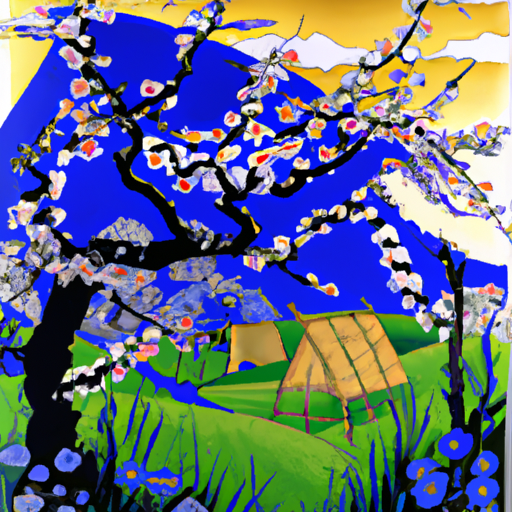
Ando Hiroshige was a Japanese ukiyo-e artist who lived during the late Edo period. He is best known for his landscape prints depicting scenes from various regions in Japan. Hiroshige's works became famous in the mid-19th century and continue to be highly regarded today for their masterful composition, vibrant colors, and atmospheric depictions of nature.
View StyleExplore Style
Andre 3000's visual style is a fusion of eclectic, colorful, and whimsical elements, often incorporating bold patterns, vibrant colors, and unexpected combinations. He became famous for his unique approach to fashion in the late 1990s and early 2000s as part of the hip hop group OutKast.
View StyleExplore Style
Andre Derain was a French painter who co-founded the Fauvism movement in the early 20th century. Fauvism, which emerged between 1900 and 1910, is characterized by bold, vibrant colors and simplified forms. Derain's style was famous for its expressive use of bright, non-naturalistic colors and energetic brushstrokes. He is known for his landscapes, cityscapes, and figural paintings which captured the emotions and sensations of the subjects rather than adhering to realistic representation.
View StyleExplore Style
Chris Cole's visual style is characterized by vibrant colors, intricate patterns, and detailed line work. He gained recognition in the late 2000s for his unique approach to street art and graffiti, blending elements of traditional graffiti with a contemporary twist.
View StyleExplore Style
Andrew Stanton is a filmmaker known for his distinctive visual storytelling style. His works, spanning from the late 1990s to the present, captivate audiences with their imaginative worlds, heartfelt narratives, and attention to detail. Stanton gained fame for his work as a writer and director at Pixar Animation Studios, where he helmed beloved films such as 'Finding Nemo' (2003) and 'WALL-E' (2008). Stanton's style combines vibrant colors, visually stunning landscapes, and expressive characters to create visually rich and emotionally resonant stories.
View StyleExplore Style
The visual style of Andrey Rublev is characterized by its religious iconography, intricate details, and use of vibrant colors. This style gained prominence in the 15th century in Russia, particularly in the works of the famous icon painter Andrey Rublev.
View StyleExplore Style
Introduced in 2008, the Android Operating System features a clean and modern design with vibrant colors, sharp edges, and a focus on simplicity and functionality. It became famous for its customizable widgets and ability to personalize the user interface.
View StyleExplore Style
Angela Missoni's visual style is known for its vibrant colors, geometric patterns, and mix of textures. Since taking the helm of her family's fashion house in the late 1990s, she has continued the brand's legacy of creating bold and luxurious knitwear.
View StyleExplore Style
Anime Artists is a visual style that originated in Japan in the early 20th century and became popular worldwide by the mid-20th century. This style is characterized by its distinctive exaggerated features, vibrant colors, and often fantastical themes. Anime Artists gained popularity through the rise of Japanese animation and manga, with notable years being around the 1950s and 1960s. What made this style famous is its ability to capture emotions and dynamic movements in a visually striking manner, as well as its unique storytelling techniques. It has since become a global phenomenon, inspiring countless artists and animators around the world.
View StyleExplore Style
Anime Style Graphics is a distinctive and popular style of animation originating from Japan. This style rose to prominence in the 1960s and has since become a global phenomenon. Known for its vibrant colors, exaggerated features, and expressive facial expressions, anime has captivated audiences with its unique storytelling and imaginative worlds. It combines elements of traditional Japanese art with influences from Western animation. Anime Style Graphics gained widespread recognition through iconic series like Dragon Ball, Sailor Moon, and Naruto, as well as films by renowned directors like Hayao Miyazaki. Its fusion of fantasy, action, and emotional depth continues to make it a celebrated and influential visual style worldwide.
View StyleExplore Style
Anita Dongre's visual style is centered around intricate craftsmanship, vibrant colors, and traditional Indian motifs. Her designs blend traditional and modern aesthetics, gaining popularity in the early 2000s for her bridal wear and sustainable fashion initiatives.
View StyleExplore Style
Anna Bond is known for her whimsical and charming illustrations featuring intricate details, vibrant colors, and delicate patterns. Her work gained popularity in the 2010s through her brand Rifle Paper Co., which specializes in stationery and lifestyle products.
View StyleExplore Style
Annie Wu's artistic style is characterized by bold lines, dynamic compositions, and vibrant colors that often draw inspiration from comic books and graphic novels. Her work gained recognition in the early 2000s for its unique blend of traditional and contemporary elements.
View StyleExplore Style
Antoni Clavé's visual style emerged in the mid-20th century, featuring abstract compositions filled with expressive brushstrokes, bold shapes, and vibrant colors. His work is known for its dynamic energy and emotional intensity.
View StyleExplore Style
Antoni Rovira I Rabassa is known for his innovative and expressive Catalan modernist style. Active in the late 19th and early 20th centuries, his work was characterized by intricate details, organic forms, and vibrant colors that captured the essence of Catalan culture.
View StyleExplore Style
Arab art features intricate patterns, geometric shapes, and vibrant colors, influenced by Islamic art and architecture. This style has been prominent throughout history, embodying cultural and religious themes.
View StyleExplore Style
Arabia refers to the visual style influenced by Arab culture, characterized by intricate geometric patterns, vibrant colors, and ornate calligraphy. This style became famous during the Islamic Golden Age (8th-14th centuries) and is known for its rich history and influence on Islamic art and architecture.
View StyleExplore Style
Arabia Design is a style of visual design that incorporates intricate patterns, vibrant colors, and geometric shapes inspired by Arabian culture. It became famous in the late 19th century through the mid-20th century, characterized by its ornate decorations and traditional motifs.
View StyleExplore Style
Archizoom Associati was an Italian design group active in the 1960s and 1970s. They were known for their avant-garde and radical design approach, which challenged traditional concepts of architecture and furniture design. Their work was characterized by a strong critique of consumerism and a focus on social and cultural transformation. Archizoom Associati became famous for their creation of experimental and visionary environments, such as the iconic 'Superonda' sofa, which blended fluid organic shapes with vibrant colors and unconventional materials.
View StyleExplore Style
Ari Aster is a filmmaker known for his distinctive visual style that blends psychological horror with family drama. In his films, Aster creates a sense of unease and dread through atmospheric cinematography, meticulous production design, and intense performances. He gained fame with his breakout debut film 'Hereditary' in 2018, followed by 'Midsommar' in 2019. Aster's visual style is characterized by stunning and haunting imagery, use of vibrant colors juxtaposed with darkness, and long takes that allow the audience to immerse themselves in the unsettling narratives.
View StyleExplore Style
Ariana Grande's music videos are known for their glamorous, visually stunning and high-fashion aesthetic. Incorporating vibrant colors, unique backdrops, and intricate set designs, her videos often feature dreamlike sequences and choreography that captivate viewers. This style became famous during the late 2010s and continues to evolve with each new release.
View StyleExplore Style
Art Deco Design was a visual style that emerged in the 1920s and 1930s. It was known for its luxurious and glamorous aesthetic, characterized by bold geometric shapes, streamlined forms, and vibrant colors. Art Deco Design was famous for its influence on architecture, interior design, fashion, and the decorative arts. It was a symbol of modernity and represented the optimism and progress of the Roaring Twenties and the Interwar period.
View StyleExplore Style
Art Wolfe is known for his stunning and visually striking nature and wildlife photography. His work became famous in the late 20th century for its vibrant colors, unique compositions, and ability to capture the beauty and diversity of the natural world.
View StyleExplore Style
Arthur Jafa's visual style is characterized by vibrant colors, intense close-ups, and an emphasis on black culture. Famous for his work in film and video art, Jafa explores themes of race, identity, and social issues.
View StyleExplore Style
Asaf Hanuka's visual style is characterized by bold lines, vibrant colors, and surreal imagery. He is known for his unique blend of realism and fantasy, often depicting emotional and thought-provoking concepts. His work gained popularity in the early 2000s for its striking and unconventional storytelling.
View StyleExplore Style
Asake Agoro is a visual style characterized by vibrant colors, intricate patterns, and bold, graphic elements. Originating in the 1970s, this style gained popularity for its fusion of African and Western influences in a contemporary context.
View StyleExplore Style
Asger Jorn was a Danish painter, sculptor, and ceramic artist who played a vital role in the CoBrA movement. Active in the mid-20th century, Jorn's visual style was characterized by bold, expressive brushwork, vibrant colors, and an emphasis on symbolic and biomorphic forms. His work often explored themes of social critique, spontaneous creativity, and the intersection of art and politics. Asger Jorn's style gained fame in the 1950s and 1960s for its energetic, spontaneous, and rebellious nature.
View StyleExplore Style
Ashley Percival is a British illustrator known for his intricate and whimsical animal illustrations. His style is characterized by vibrant colors, detailed patterns, and a playful mix of realism and fantasy. His work became popular in the 2010s for its unique blend of nature and imagination.
View StyleExplore Style