StylopediaStylopedia

Vibrant color palettes styles on Stylopedia

A visual encyclopedia of vibrant color palettes styles – use as prompt inspiration for Midjourney, Gemini, or ChatGPT AI when making vibrant color palettes images

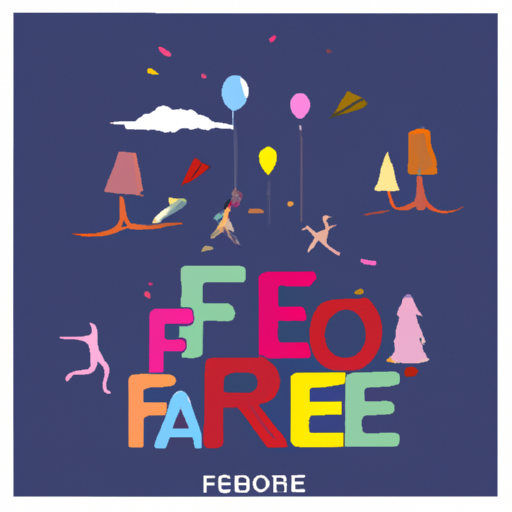
Example of visual style of Anime Directors

Anime Directors

Anime Directors is a visual style rooted in the world of Japanese animation. It emerged in the mid-20th century and gained global recognition in the late 20th and early 21st centuries. Anime Directors are known for their unique storytelling techniques, distinct character designs, vibrant color palettes, and often fantastical and imaginative worlds. This style became famous for its ability to captivate audiences with emotionally-driven narratives, complex themes, and visually stunning animation. Some notable years for Anime Directors include the 1980s and 1990s, featuring works by influential directors like Hayao Miyazaki and Mamoru Oshii. This style continues to evolve and inspire artists and filmmakers worldwide.

View StyleExplore Style

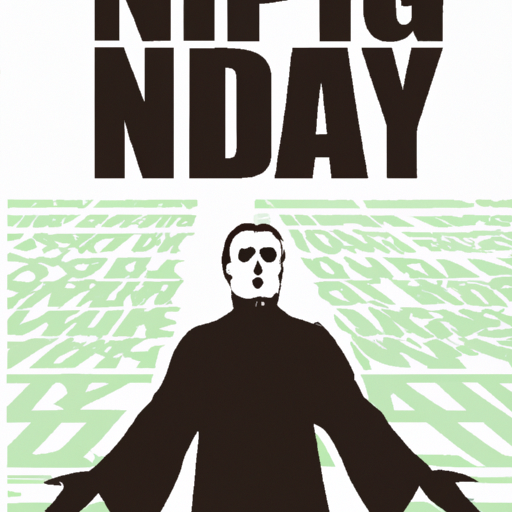
Example of visual style of Hanna Barbera

Hanna Barbera

Hanna Barbera is a visual style known for its iconic animated television shows and characters. It originated in the mid-20th century and became popular during the 1960s and 1970s. The style is characterized by simplified, exaggerated character designs and vibrant color palettes. Hanna Barbera is famous for creating beloved animated series such as The Flintstones, The Jetsons, Yogi Bear, and Scooby-Doo. Their innovative use of limited animation techniques made it possible to produce cartoons more affordably and efficiently.

View StyleExplore Style
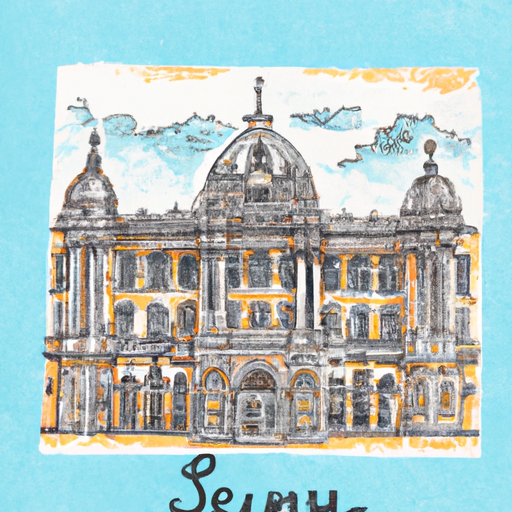
Example of visual style of Hiroyuki Yamaga

Hiroyuki Yamaga

Hiroyuki Yamaga is a Japanese director and screenwriter known for his unique visual style in anime. He gained recognition in the late 1980s and early 1990s as one of the co-founders of the animation studio Gainax. Yamaga's style is characterized by its attention to detail, vibrant color palettes, and fluid animation. His works often feature imaginative and surreal storytelling, with a blend of science fiction and fantasy elements. Yamaga's films and TV series, such as 'Wings of Honneamise' (1987) and 'Neon Genesis Evangelion' (1995), have become iconic and influential in the anime industry.

View StyleExplore Style
Example of visual style of Sense8

Sense8

Sense8 is a visually striking and innovative style that combines multiple genres and visual techniques to create a truly unique viewing experience. This style became famous through the Netflix original series 'Sense8', which aired from 2015 to 2018. The show's creators, Lana and Lilly Wachowski, known for their work on 'The Matrix' trilogy, were instrumental in popularizing this style. Sense8 is marked by its stunning cinematography, vibrant color palettes, seamless transitions between multiple storylines and locations, and its emphasis on a global interconnectedness.

View StyleExplore Style
Example of visual style of Tony Scott

Tony Scott

Tony Scott's visual style is characterized by its high-energy, stylized and visually dynamic aesthetics. It gained prominence in the 1980s and continued to be influential until his death in 2012. Tony Scott's style is famous for its vibrant color palettes, dramatic lighting, fast-paced editing, and innovative camera techniques. His signature use of filters, lens flares, and intense saturation creates a heightened sense of action and intensity in his films. Tony Scott's visual style often blurs the line between reality and fiction, transporting viewers into a hyper-stylized world.

View StyleExplore Style
Example of visual style of Wes Anderson

Wes Anderson

The Wes Anderson visual style emerged in the late 1990s and became famous for its eccentric and meticulously detailed compositions, vibrant color palettes, and symmetrical framing. Anderson's style is often characterized by a nostalgic, whimsical, and somewhat surreal atmosphere, invoking an idiosyncratic and highly stylized world. The use of visual symmetry, carefully composed shots, and symmetrical camera movements add a sense of order and balance. This style gained widespread recognition through Anderson's films such as 'Rushmore' (1998) and 'The Royal Tenenbaums' (2001), combining retro aesthetics with meticulous production design and droll storytelling.

View StyleExplore Style
Example of visual style of Wes Anderson's Films

Wes Anderson's Films

Wes Anderson's visual style is characterized by its meticulous attention to detail, symmetrical compositions, vibrant color palettes, and whimsical aesthetics. His films gained prominence in the late 1990s and early 2000s for their unique blend of dry humor, nostalgia, and distinctive visual language. Anderson's style is often described as whimsical, quirky, and nostalgic, taking inspiration from vintage design and mid-century aesthetics. His use of symmetrical framing and carefully composed shots creates a highly stylized and visually pleasing experience for the viewer.

View StyleExplore Style
Home