StylopediaStylopedia

Urban life styles on Stylopedia

A visual encyclopedia of urban life styles – use as prompt inspiration for Midjourney, Gemini, or ChatGPT AI when making urban life images

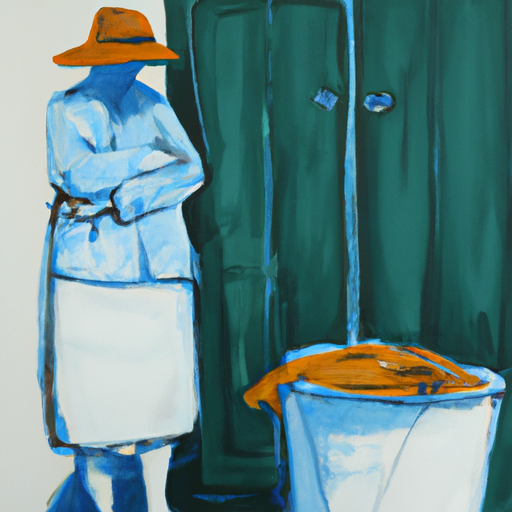
Example of visual style of Edouard Manet

Edouard Manet

Edouard Manet was a French modernist painter of the 19th century. He was one of the most influential artists in the transition from Realism to Impressionism. Manet's visual style, prominent during the 1860s and 1870s, was characterized by loose brushwork, unconventional compositions, and a keen observation of contemporary life in Paris. His works often depicted scenes of urban leisure, including cafes, dance halls, and boating parties. Manet's paintings, such as Luncheon on the Grass and Olympia, sparked controversy and shocked the conservative art establishment. His ability to capture the essence of modern society and challenge traditional art conventions made him a renowned figure in the art world.

View StyleExplore Style
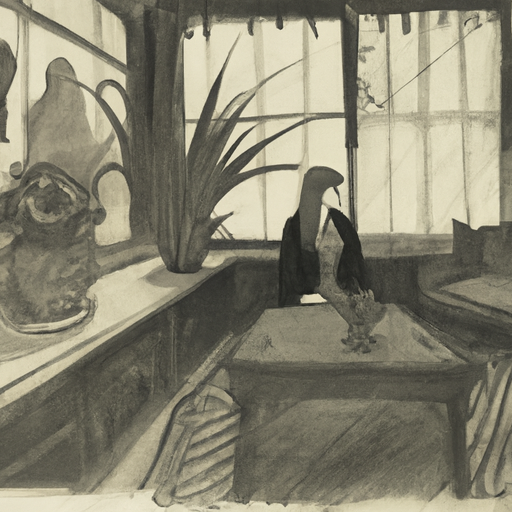
Example of visual style of Everett Shinn

Everett Shinn

Everett Shinn was an American artist known for his depictions of urban life in the early 20th century. Active during the Ashcan School movement, Shinn's visual style captured the energy and vibrancy of city streets, theaters, and cafes. His work often portrayed bustling crowds, illuminated by the glow of electric lights. Shinn's famous illustrations for the New York Press brought him recognition, and he also contributed to The Masses, a prominent political and cultural magazine of the time.

View StyleExplore Style
Example of visual style of Fernand Leger

Fernand Leger

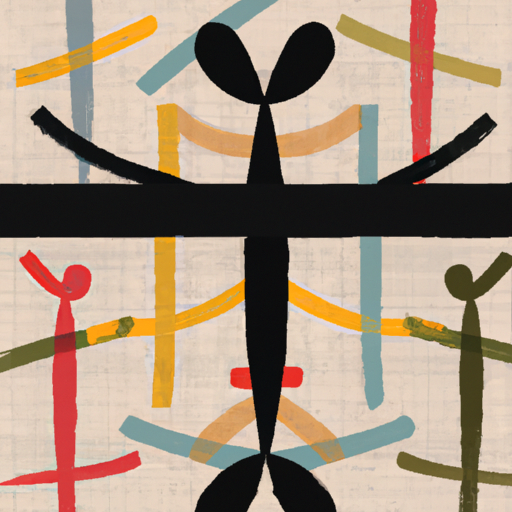
Fernand Leger was a French painter and filmmaker who is known for his modernist style. He was active from the early 1900s to the mid-1950s. Leger is famous for creating artworks that emphasized machine aesthetics and depicted modern urban life. His paintings often feature bold colors, geometric shapes, and simplified forms. Leger's style is characterized by a combination of Cubism and Futurism, with a focus on industrial subjects and a sense of dynamism and movement.

View StyleExplore Style
Example of visual style of Garry Winogrand

Garry Winogrand

Garry Winogrand was an American street photographer known for his captivating and candid photographs captured during the 1960s and 1970s. His style emerged during the heyday of post-war America, depicting the energy and complexity of urban life. Winogrand's images were often characterized by a sense of visual chaos, with multiple subjects and overlapping elements. His work documented the social and cultural upheavals of the time, capturing the raw essence of the streets and the humanity within them.

View StyleExplore Style
Example of visual style of George Bellows

George Bellows

George Bellows was an American painter known for his energetic and realistic portrayals of urban life, particularly in New York City. Active during the early 20th century, Bellows is associated with the Ashcan School - a group of artists who rejected the idealized visions of the Gilded Age and instead sought to depict the gritty reality of everyday urban existence. Bellows became famous for his dynamic, often controversial, depictions of boxing matches, cityscapes, and working-class individuals. His bold brushwork, use of vibrant colors, and ability to capture movement in his subjects set him apart from his contemporaries.

View StyleExplore Style
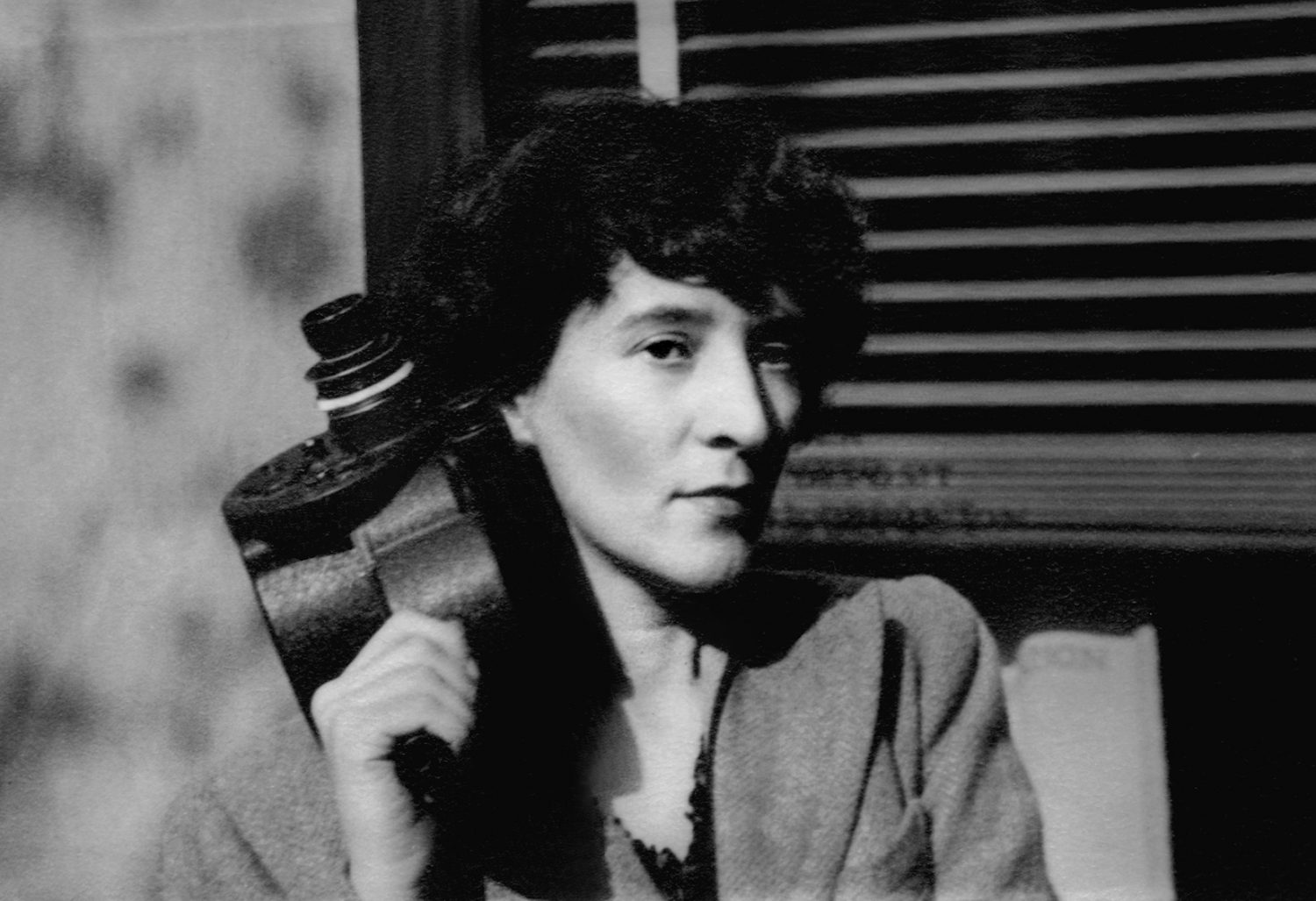
Example of visual style of Helen Levitt

Helen Levitt

Helen Levitt was an American photographer best known for her candid street photography in New York City from the 1930s to the 1990s. Her work captured everyday moments of urban life, particularly focusing on children and their interaction with the city streets. Levitt's signature style was characterized by her use of black and white film, capturing spontaneous and often humorous scenes. Her ability to capture the essence of New York City street life made her famous and influential in the field of street photography.

View StyleExplore Style

Example of visual style of John Sloan

John Sloan

John Sloan was an American painter and etcher associated with the Ashcan School. He worked in New York City during the early 20th century and is known for his realistic depictions of urban life. Sloan's style can be characterized as gritty, depicting the everyday struggles and joys of working-class life in the city. His works often reflect the bustling streets, crowded tenements, and vibrant atmosphere of New York in the early 1900s. Sloan was particularly famous for his ability to capture the diversity and complexity of the city, showcasing the daily routines and interactions of its inhabitants from different backgrounds. His works often featured strong composition, bold brushstrokes, and an attention to detail. Sloan's style became a significant influence on American art, particularly in the early years of the 20th century.

View StyleExplore Style

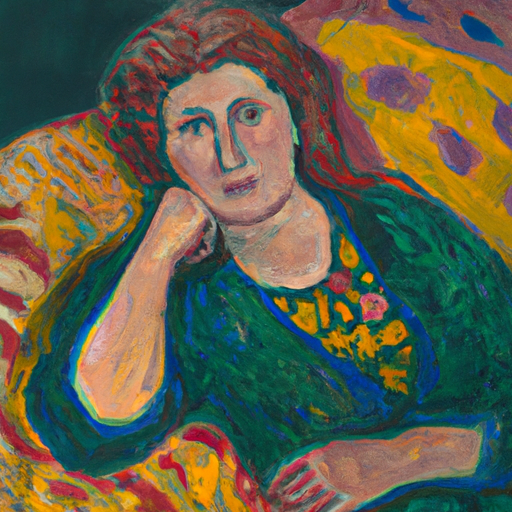
Example of visual style of Karl Schmidt Rottluff

Karl Schmidt Rottluff

Karl Schmidt Rottluff was one of the founding members of the Expressionist movement in Germany. He is best known for his vibrant and bold use of color, exaggerated forms, and dynamic brushwork. Schmidt Rottluff's style emerged in the early 20th century and gained recognition through his association with the artists' group 'Die Brücke' (The Bridge). His work often explored themes of urban life, nature, and the human figure, reflecting the tumultuous social and cultural changes of the time. The combination of intense colors, sharp outlines, and emotional intensity characterized his artwork, making him a prominent figure in the Expressionist movement.

View StyleExplore Style
Example of visual style of Max Beckmann

Max Beckmann

Max Beckmann was a German painter and printmaker known for his expressionistic and symbolic style. His work was highly influential in the early 20th century and he is considered one of the most important German painters of the time. Beckmann's style is characterized by its dramatic compositions, bold use of color, and distorted figures, often depicting scenes of urban life and the human condition. His work became famous for its raw emotional power, capturing the transformation and angst of the era, particularly during the tumultuous years of World War I and the interwar period.

View StyleExplore Style
Example of visual style of Neo Expressionism

Neo Expressionism

Neo Expressionism is a style of art that emerged in the late 20th century, particularly in the 1980s. It is characterized by its intense, emotionally-charged imagery and bold use of color. This style gained fame for its rejection of minimalism and conceptual art that dominated the previous decades. Neo Expressionism brought back figurative art and emphasized subjective viewpoints. Popular between the 1970s and 1980s, it became known for its raw and gestural approach to painting, exploring themes of existentialism, urban life, and personal narratives.

View StyleExplore Style
Example of visual style of Nouveau Realisme

Nouveau Realisme

Nouveau Realisme, also known as New Realism, was an art movement that emerged in France in the early 1960s. It gained popularity during the years 1960-1970. The movement was famous for combining art with everyday objects and materials, blurring the boundaries between art and reality. Artists associated with Nouveau Realisme aimed to depict the world as it was, focusing on urban life, consumerism, and the industrial landscape. They often employed collage, assemblage, and found objects to create their artworks. Nouveau Realisme challenged the traditional notions of art, emphasizing the importance of the ordinary and the real.

View StyleExplore Style
Example of visual style of The New Yorker

The New Yorker

The New Yorker is a distinctive visual style that has become synonymous with the long-running American magazine of the same name. It first gained popularity in the 1920s and is known for its sophisticated and witty approach to visual storytelling. The signature visual elements of The New Yorker style include detailed and intricate illustrations, often featuring a combination of line art and watercolors. The use of thin, precise lines and a limited color palette helps create a refined yet playful aesthetic. The overall style exudes a sense of timelessness and elegance, capturing the essence of urban life and the wit of its written content.

View StyleExplore Style
Home