StylopediaStylopedia

Urban decay styles on Stylopedia

A visual encyclopedia of urban decay styles – use as prompt inspiration for Midjourney, Gemini, or ChatGPT AI when making urban decay images

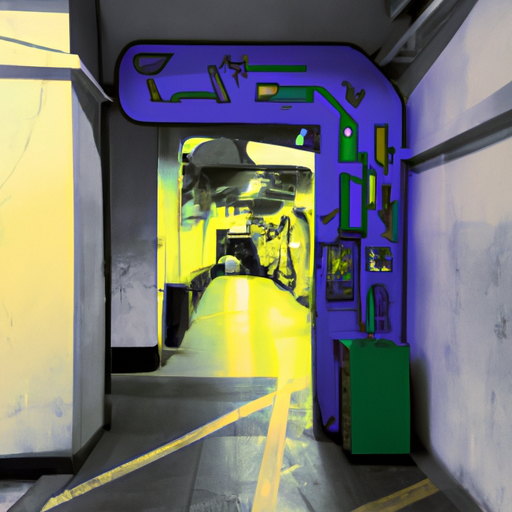
Example of visual style of Cyberpunk Genre

Cyberpunk Genre

Cyberpunk Genre is a futuristic visual style that emerged in the 1980s and gained popularity in the 1990s. It is characterized by its dystopian and high-tech atmosphere, blending elements of science fiction, technology, and urban decay. With a focus on advanced technologies, artificial intelligence, and the effects of globalization, Cyberpunk Genre explores themes of oppression, corrupt governments, and the interaction between humans and computer systems. Its iconic aesthetic includes neon lights, rain-soaked urban landscapes, towering skyscrapers, cybernetic body modifications, and a sense of digital urban chaos. Cyberpunk gained fame through literature such as William Gibson's 'Neuromancer' and films like 'Blade Runner', which solidified its visual style.

View StyleExplore Style
Example of visual style of William Gibson

William Gibson

The visual style of William Gibson is characterized by a futuristic and cyberpunk aesthetic. It emerged in the 1980s with Gibson's groundbreaking novel 'Neuromancer', which popularized the cyberpunk genre. This style encompasses dystopian cityscapes, high-tech settings, and gritty, dark atmospheres. It often features a fusion of advanced technology, urban decay, and a sense of post-industrialism. Gibson's visual style gained recognition for its influential depiction of a world where technology and humanity coexist in complex ways.

View StyleExplore Style
Example of visual style of Wong Kar Wai

Wong Kar Wai

Wong Kar Wai is a Hong Kong filmmaker known for his distinct visual style that combines elements of romanticism, nostalgia, and urban decay. His films gained international recognition in the 1990s and 2000s, particularly with the release of 'Chungking Express' (1994) and 'In the Mood for Love' (2000). Wong's use of vibrant colors, slow motion, and atmospheric lighting create a dream-like and melancholic atmosphere. He is also known for his fragmented narratives and emphasis on characters' internal emotions. Wong Kar Wai's visually stunning films have captivated audiences worldwide, making him one of the most influential directors in contemporary cinema.

View StyleExplore Style
Home