StylopediaStylopedia

Urban styles on Stylopedia

A visual encyclopedia of urban styles – use as prompt inspiration for Midjourney, Gemini, or ChatGPT AI when making urban images

Example of visual style of Alex Roman

Alex Roman

Alex Roman is a visual style known for its realistic and cinematic portrayal of architectural and urban environments. This style became famous with the release of the short film 'The Third & The Seventh' in 2009, which showcased Roman's meticulous attention to detail and seamless integration of computer-generated and live-action elements. The film received widespread acclaim for its photo-realistic visuals and atmospheric lighting, establishing Roman as a pioneer in architectural visualization.

View StyleExplore Style
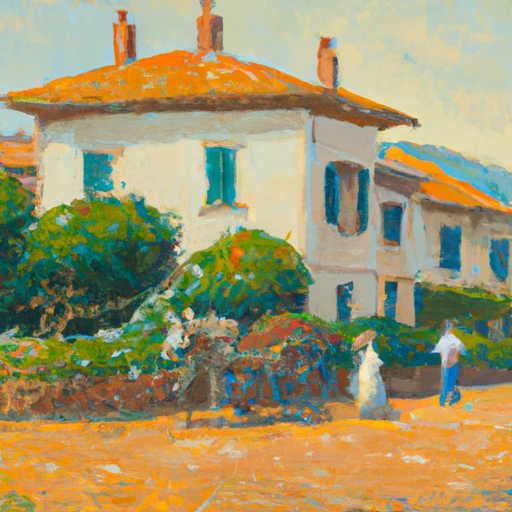
Example of visual style of Camille Pissarro

Camille Pissarro

Camille Pissarro was a French Impressionist and Neo-Impressionist artist known for his landscape and urban scenes. Active during the late 19th century, Pissarro's work depicted the natural beauty of rural and urban settings with loose brushstrokes and luminous colors. He often captured the changing atmospheric conditions and light effects of different seasons. Pissarro's innovative artistic style and his role as a mentor to younger artists played a significant role in the development and popularization of Impressionism.

View StyleExplore Style
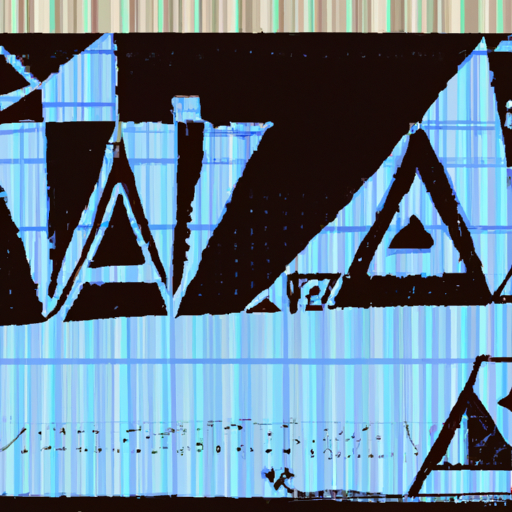
Example of visual style of Charles Sheeler

Charles Sheeler

Charles Sheeler was an American painter and photographer known for his precisionist style. His works, primarily created between 1910 and 1950, showcased a sharp and precise depiction of industrial and urban subjects. Sheeler's unique visual style, characterized by clean lines, geometric forms, and a focus on mechanical subjects, made him famous in the art world. His photographs of the Ford Motor Company's River Rouge plant established him as a pioneer of industrial photography. Sheeler's precisionist paintings and photographs captured the essence of modernization and the changing American landscape.

View StyleExplore Style
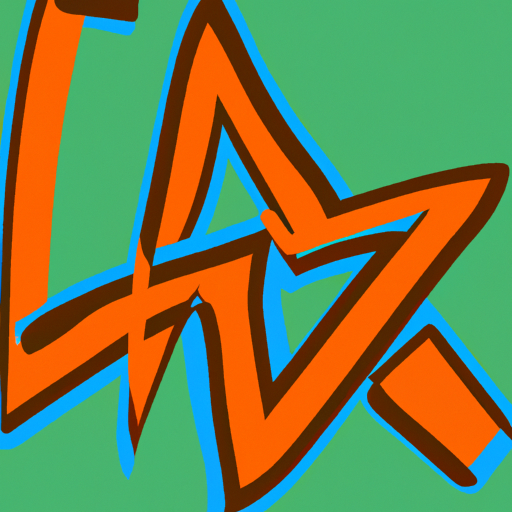
Example of visual style of Fab 5 Freddy

Fab 5 Freddy

Fab 5 Freddy is a visual style that emerged in the 1980s, particularly in the hip-hop and graffiti scenes. It became famous through the influential work of Fab 5 Freddy, a prominent figure in the New York City underground art and music scene. Combining elements of graffiti, street art, and hip-hop culture, this style is characterized by vibrant colors, bold lettering, intricate patterns, and a blend of urban aesthetics. Fab 5 Freddy's contribution to popularizing this style can be seen in his collaborations with iconic artists like Jean-Michel Basquiat and his role as the host of the pioneering hip-hop music show 'Yo! MTV Raps'.

View StyleExplore Style
Example of visual style of Flapper Style

Flapper Style

Flapper Style emerged in the 1920s, particularly during the Roaring Twenties in the United States. It was a fashion trend associated with young, independent, and progressive women known as flappers. This style became famous for its rebellious and carefree nature, challenging traditional gender roles and societal norms. Flapper Style was characterized by loose-fitting and shapeless silhouettes, dropped waistlines, knee-length skirts, and sleeveless or short-sleeved dresses. The use of luxurious fabrics, such as silk and sequins, added a glamorous touch. Short bobbed haircuts, often worn with decorative headbands or cloche hats, were also iconic of this style. The flapper look represented a shift towards a more urban and modern lifestyle, embodying the spirit of the Jazz Age.

View StyleExplore Style
Example of visual style of Futurism Movement

Futurism Movement

Futurism was an artistic and social movement that emerged in Italy in the early 20th century. It was founded by the poet Filippo Tommaso Marinetti in 1909. Futurism celebrated modernity, technology, and the dynamism of the modern world. It aimed to capture the energy and speed of the fast-paced urban life that was prevalent during the industrial revolution. The movement was famous for its emphasis on movement, speed, and the portrayal of the mechanical and industrial aspects of society. It rejected traditional artistic forms and embraced new materials and techniques. Futurism reached its peak in popularity during the years 1909-1914.

View StyleExplore Style
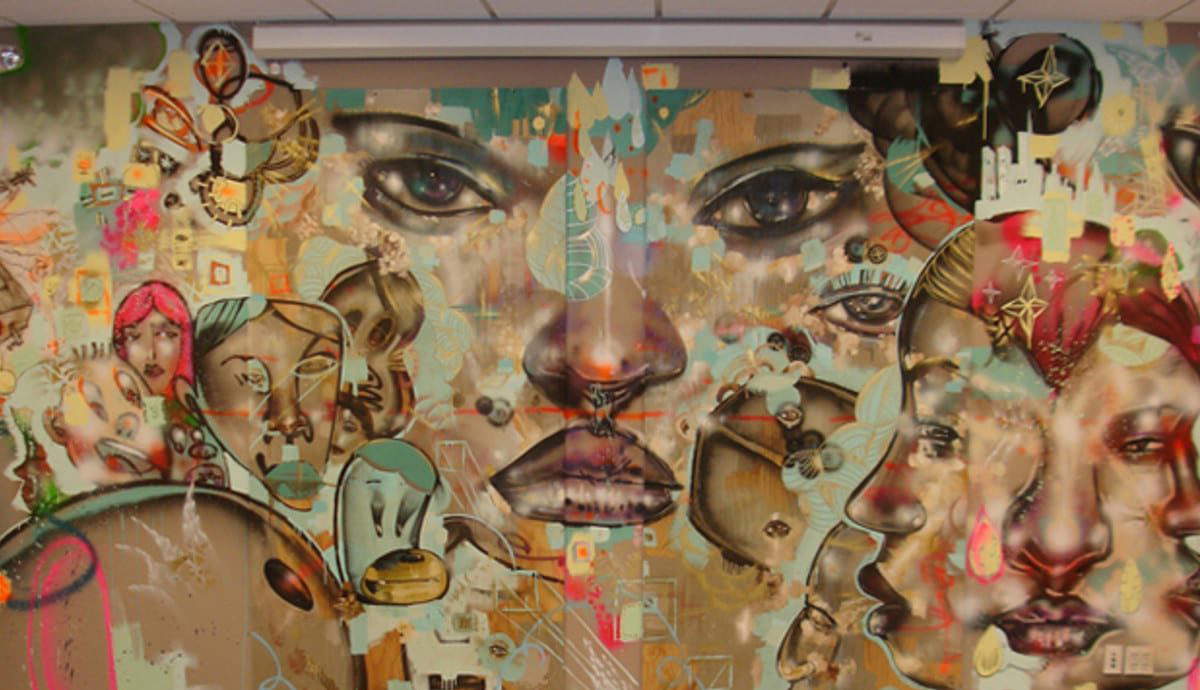
Example of visual style of Graffiti

Graffiti

Graffiti is a visually striking and expressive style of art that originated in the late 1960s to early 1970s. It became famous for its bold, colorful, and often elaborate lettering and images painted on public spaces such as walls, trains, and buildings. This rebellious form of art gained prominence in urban cities and served as a voice for marginalized communities. Spray paint and markers are commonly used to create intricate designs and vibrant colors. Graffiti artists embrace a sense of anonymity and often adopt pseudonyms to avoid legal repercussions for their work.

View StyleExplore Style
Example of visual style of Hey Arnold

Hey Arnold

Hey Arnold is a popular animated television series that aired from 1996 to 2004. The visual style of Hey Arnold is characterized by its bold and exaggerated character designs, vibrant color palette, and detailed urban setting. The show gained fame for its unique art direction, which effectively captured the gritty but whimsical atmosphere of the city. The animation style combined traditional hand-drawn animation with some computer-generated imagery, resulting in a visually distinctive aesthetic.

View StyleExplore Style
Example of visual style of Hideki Naganuma

Hideki Naganuma

Hideki Naganuma is a Japanese graphic designer and music composer known for his unique and vibrant visual style that emerged in the late 1990s and became famous during the early 2000s. Naganuma's style is characterized by its bold and colorful designs, influenced by urban and graffiti art, as well as video game and pop culture references. His work often features a fusion of retro and futuristic elements, with a strong emphasis on energetic and dynamic compositions. Naganuma gained prominence for his collaborations with Sega, where he contributed his distinctive visual style to video games like Jet Set Radio and the Sonic Rush series.

View StyleExplore Style
Example of visual style of Jet Set Radio

Jet Set Radio

Jet Set Radio is a vibrant and energetic visual style that emerged in the late 1990s and early 2000s. It gained popularity through the video game of the same name released in 2000, developed by Smilebit (a subsidiary of Sega). The style is known for its distinctive cel-shaded graphics, combining graffiti-inspired street art, urban landscapes, and a futuristic setting. With its unique mix of hip-hop, punk, and electronic music, Jet Set Radio became famous for its rebellious and edgy atmosphere.

View StyleExplore Style
Example of visual style of Lou Reed

Lou Reed

The visual style of Lou Reed is characterized by a gritty and urban aesthetic that emerged in the late 1960s and remained influential throughout the 1970s. This style became famous through Lou Reed's music career as a pioneer of alternative rock and his symbolization of the New York City punk and art rock scenes. Known for his distinctive look and performance style, Reed's visual aesthetic often featured elements of leather jackets, sunglasses, disheveled hair, and an overall nonchalant attitude.

View StyleExplore Style
Home