
Africobra Collective
A vibrant and dynamic visual style created by African American artists in the 1960s and 1970s. Known for its bold colors, geometric shapes, and positive messages of unity and pride.
View StyleExplore Style Stylopedia
A visual encyclopedia of unity styles – use as prompt inspiration for Midjourney, Gemini, or ChatGPT AI when making unity images
A vibrant and dynamic visual style created by African American artists in the 1960s and 1970s. Known for its bold colors, geometric shapes, and positive messages of unity and pride.
View StyleExplore Style
The Flower Power Movement was a visual style popular in the late 1960s and early 1970s, known for its colorful, psychedelic, and nature-inspired designs. It became famous for its association with the counterculture movement and the ideals of peace, love, and unity.
View StyleExplore Style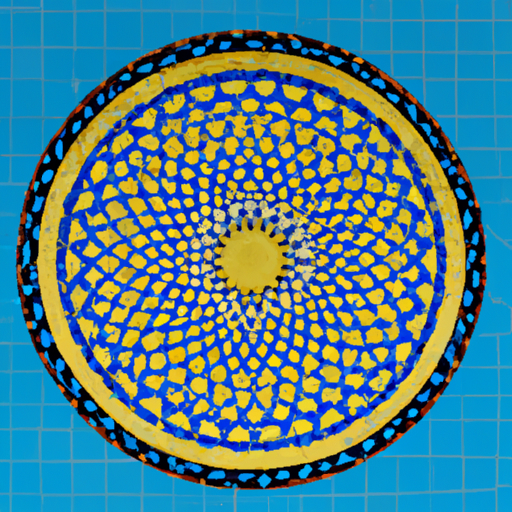
Geometry in Islamic art refers to the use of intricate geometric patterns and designs in various art forms such as architecture, ceramics, and textiles. These geometric patterns are an important element of Islamic art and have been used since the 8th century. The use of geometry in Islamic art became famous due to its mathematical precision and aesthetic beauty. The symmetrical repetition of geometric shapes and the intricate interlacing patterns became iconic in Islamic art, representing the harmony and unity of the Islamic world.
View StyleExplore Style
Guru Gobind Singh Ji is a visual style inspired by the rich history and culture of Sikhism, known for its vibrant colors, intricate patterns, and spiritual symbolism. This style became famous during the 17th century when Guru Gobind Singh Ji, the 10th Sikh Guru, adorned himself and his followers in distinctive attire to signify strength, unity, and courage.
View StyleExplore Style
Pan Africanism is a style that celebrates the unity and solidarity of Africans and people of African descent worldwide. It emerged in the early 20th century as a political movement promoting African independence and identity. The colors red, black, and green, as well as traditional African patterns and symbols, are often used to symbolize this ideology.
View StyleExplore Style
The visual style of Simon Garfunkel is characterized by a 1960s folk-inspired aesthetic, featuring earthy tones, simple imagery, and a focus on harmony and unity. This style became famous through iconic album covers and promotional materials for the musical duo.
View StyleExplore Style
Uncle Sam Illustrations is a patriotic style of illustration associated with the United States. It became famous during the early 20th century, particularly during World War I and World War II. This style is characterized by a bold and graphic approach, often featuring an iconic representation of Uncle Sam, a personification of the American government. Uncle Sam is depicted as a tall, slender man with a white goatee, dressed in a red, white, and blue attire, and pointing directly at the viewer. The illustrations often convey a message of urgency, patriotism, and unity.
View StyleExplore Style
The visual style of Ziggy Marley is a colorful and vibrant representation influenced by reggae music and Rastafarian culture. Bright colors, intricate patterns, and a sense of unity and positivity define this style.
View StyleExplore Style