StylopediaStylopedia

Unique styles on Stylopedia

A visual encyclopedia of unique styles – use as prompt inspiration for Midjourney, Gemini, or ChatGPT AI when making unique images

Example of visual style of Adventure Time

Adventure Time

Adventure Time is a visually distinct animated television series that aired from 2010 to 2018. It is famous for its unique, vibrant and surreal visuals, which combine bright and bold colors, geometric shapes, and abstract designs. The style incorporates a mix of 2D and 3D animation techniques to create a visually stunning and immersive world. Adventure Time gained fame for its quirky and imaginative characters, whimsical settings, and its ability to appeal to both children and adults, thus becoming a cult hit.

View StyleExplore Style
Example of visual style of African Contemporary Art

African Contemporary Art

African Contemporary Art is a dynamic and vibrant visual style that emerged in the late 20th century and continues to influence the art world today. It gained prominence in the 1990s and 2000s, as artists from various African countries began to explore new artistic expressions. This style is characterized by a fusion of traditional African art with contemporary techniques and ideas, resulting in unique and powerful artworks that reflect the diverse cultures and experiences of the African continent. African Contemporary Art has gained international recognition for its ability to challenge stereotypes, address sociopolitical issues, and celebrate African identity and heritage.

View StyleExplore Style
Example of visual style of Antoni Gaudí

Antoni Gaudí

Antoni Gaudí was a Catalan architect from the late 19th and early 20th century, known for his unique and highly distinctive architectural style. Gaudí's style is characterized by its organic forms, elaborate detailing, and the integration of natural elements. His most famous works, such as the Sagrada Família and Casa Batlló in Barcelona, are prime examples of his style. Gaudí's use of innovative structural solutions, including the combination of materials such as stained glass, ceramics, stone, and iron, made his works truly revolutionary for his time. His style became famous for its combination of art and architecture, blending aesthetics with functionality to create truly awe-inspiring spaces.

View StyleExplore Style
Example of visual style of Artists

Artists

The Artists visual style refers to the unique and diverse styles that individual artists develop and embody. This style has been prominent throughout art history, with significant developments occurring in various important periods like the Renaissance, Impressionism, and Cubism. Artists have been known to create innovative and groundbreaking works that challenge the traditional notions of art. They often make use of their personal experiences, emotions, and creative visions to produce art that is expressive, thought-provoking, and visually captivating.

View StyleExplore Style
Example of visual style of Asia

Asia

Asia encompasses a diverse range of visual styles that have emerged from various countries in the continent. From the traditional art forms rooted in ancient civilizations to the modern and contemporary expressions, Asia's visual style is rich and captivating. The famous Asian visual styles include Chinese Traditional Art (dating back to 3000 BC), Japanese Ukiyo-e prints (17th-19th century), and Indian Miniature Paintings (16th-19th century). These styles gained fame for their intricate details, vibrant colors, and unique techniques.

View StyleExplore Style

Example of visual style of Automotive Modification

Automotive Modification

Automotive Modification is a visual style that involves customizing and altering the appearance of automobiles. It gained popularity from the 1950s onwards and continues to be a notable trend in contemporary car culture. This style became famous for its focus on unique and personalized design elements, such as custom paint jobs, modified body panels, lowered suspensions, and aftermarket accessories. Automotive Modification represents the individuality and creativity of car enthusiasts who strive to stand out on the road.

View StyleExplore Style
Example of visual style of Brian Henson

Brian Henson

Brian Henson is a visual style known for his work as a puppeteer and director of puppetry in film and television. He is the son of Jim Henson, the creator of the Muppets, and his visual style is heavily influenced by his father's work. Brian Henson became famous for his involvement in several beloved projects like The Muppet Christmas Carol (1992) and Muppet Treasure Island (1996), which combined puppetry with live-action elements. He continued to push the boundaries of puppetry in films like The Happytime Murders (2018), where he utilized a mixture of puppets and human actors. The key trait of Brian Henson's visual style is his ability to bring puppets to life, imbuing them with unique personalities and expressions.

View StyleExplore Style
Example of visual style of Carrie Bradshaw

Carrie Bradshaw

Carrie Bradshaw is a visual style that emerged in the late 1990s and early 2000s, popularized by the iconic character of the same name from the television series 'Sex and the City.' Known for her eclectic and unique fashion choices, Carrie Bradshaw became a fashion icon of the era. Her style was characterized by a mix of high-end designer pieces, vintage finds, and unexpected combinations. Carrie Bradshaw's fearless approach to fashion and ability to effortlessly blend high and low fashion made her famous and influential.

View StyleExplore Style
Example of visual style of David Mazzucchelli

David Mazzucchelli

David Mazzucchelli is a comic book artist known for his unique and influential visual style. Active since the 1980s, Mazzucchelli gained fame for his collaborations with writer Frank Miller on groundbreaking comics like 'Batman: Year One' (1987) and 'Daredevil: Born Again' (1986-1987). His style is characterized by detailed and expressive linework, dynamic panel layouts, and a strong focus on storytelling. Mazzucchelli's work is highly regarded for its cinematic quality and ability to convey emotion through visuals. He is known for his masterful use of black and white, as well as his skill in capturing realistic human anatomy and facial expressions.

View StyleExplore Style
Example of visual style of Gainax

Gainax

Gainax is a visual style known for its unique and dynamic animation. It gained popularity in the 1980s and became famous for its groundbreaking anime series such as Neon Genesis Evangelion. Gainax's visual style incorporates bold, exaggerated character designs, vibrant colors, and fluid animation. They often combine traditional hand-drawn animation with CGI and experimental storytelling techniques, creating visually stunning and emotionally intense narratives. Gainax's works are marked by introspective themes, complex character development, and philosophical undertones. This style revolutionized the anime industry and influenced numerous artists and designers.

View StyleExplore Style
Example of visual style of Giuseppe Arcimboldo

Giuseppe Arcimboldo

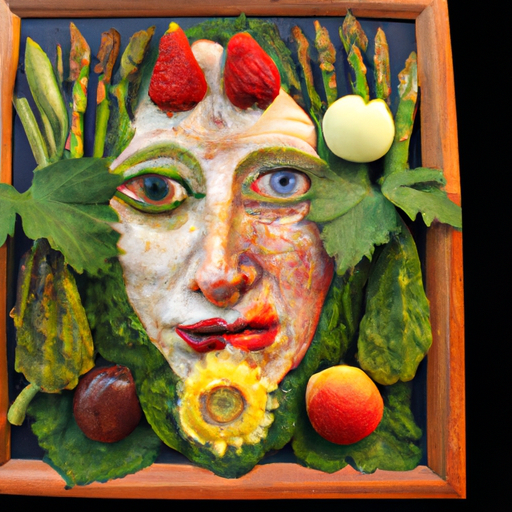
Giuseppe Arcimboldo was an Italian painter known for his imaginative and unique style, often referred to as 'composite portraiture'. He rose to fame during the late 16th century in Renaissance Europe. Arcimboldo's distinctive artistic approach involved creating portraits by assembling various objects such as fruits, vegetables, flowers, and even books, into human forms. This experimental technique challenged traditional portraiture and showcased his exceptional creativity and skill.

View StyleExplore Style
Example of visual style of Guggenheim Museum Bilbao

Guggenheim Museum Bilbao

The Guggenheim Museum Bilbao's visual style emerged in 1997, when the iconic museum building was completed in Bilbao, Spain. Renowned architect Frank Gehry's innovative design made this style famous. The museum's exterior showcases titanium panels that undulate and curve, creating a sense of movement and fluidity. This visual style is characterized by its unique and eye-catching architectural form, embracing sculptural elements and challenging traditional design principles.

View StyleExplore Style
Example of visual style of Hiroyuki Yamaga

Hiroyuki Yamaga

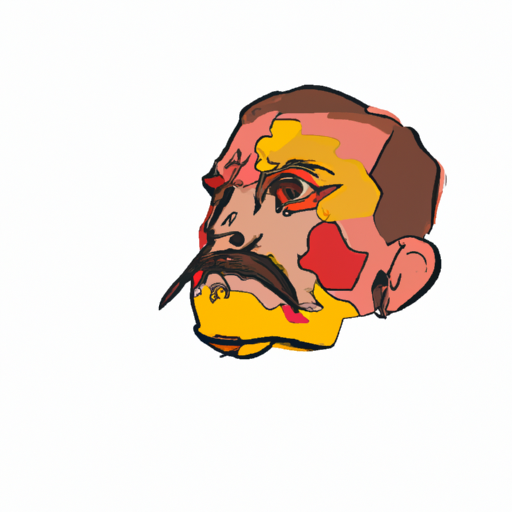
Hiroyuki Yamaga is a Japanese director and screenwriter known for his unique visual style in anime. He gained recognition in the late 1980s and early 1990s as one of the co-founders of the animation studio Gainax. Yamaga's style is characterized by its attention to detail, vibrant color palettes, and fluid animation. His works often feature imaginative and surreal storytelling, with a blend of science fiction and fantasy elements. Yamaga's films and TV series, such as 'Wings of Honneamise' (1987) and 'Neon Genesis Evangelion' (1995), have become iconic and influential in the anime industry.

View StyleExplore Style
Example of visual style of Indie Games

Indie Games

Indie Games is a visual style characterized by unique and experimental artistic choices, typically developed by smaller independent game studios or individual developers. This style emerged in the early 2000s with the rise of digital distribution platforms like Xbox Live Arcade, Steam, and the App Store, which provided a platform for indie developers to reach a wider audience. Indie Games are known for their emphasis on creativity, innovation, and gameplay mechanics rather than high-end graphics or blockbuster budgets. The style became famous for its ability to offer fresh and unconventional gaming experiences, often challenging established norms and tropes in the industry.

View StyleExplore Style

Example of visual style of Innovative Illustrators

Innovative Illustrators

Innovative Illustrators is a visual style that emerged in the 20th century and continues to evolve to this day. It gained recognition and popularity for combining traditional illustration techniques with innovative approaches and experimental methods. These illustrators pushed the boundaries of traditional art styles and embraced new technologies to create unique and captivating visuals. Notable years for this style include the mid-20th century, when artists such as Saul Bass and Paul Rand revolutionized the field of graphic design with their bold and innovative illustrations, and the present day, where digital illustration tools have opened up even more possibilities for experimentation.

View StyleExplore Style
Example of visual style of Isabella Blow

Isabella Blow

Isabella Blow was a British fashion icon known for her distinctive and eccentric style, which gained popularity in the 1980s and 1990s. She was renowned for her oversized hats, gothic-inspired outfits, and avant-garde fashion choices. Blow's influence in the fashion industry was characterized by her boldness and love for experimental designs and emerging fashion talents. Her collaborations with designer Alexander McQueen further elevated her status and brought attention to both her and his unique vision.

View StyleExplore Style

Home