StylopediaStylopedia

Unconventional materials styles on Stylopedia

A visual encyclopedia of unconventional materials styles – use as prompt inspiration for Midjourney, Gemini, or ChatGPT AI when making unconventional materials images

Example of visual style of Ai Weiwei

Ai Weiwei

Ai Weiwei is a contemporary Chinese artist known for his politically charged, conceptual artwork. His visual style combines elements of minimalism, conceptualism, and social commentary. Weiwei gained prominence in the early 2000s for his provocative installations, sculptures, photography, and documentaries. His use of unconventional materials, such as porcelain, wood, and everyday objects, juxtaposed with traditional Chinese craftsmanship, challenges the boundaries of art and raises questions about government control, human rights, and censorship in China.

View StyleExplore Style
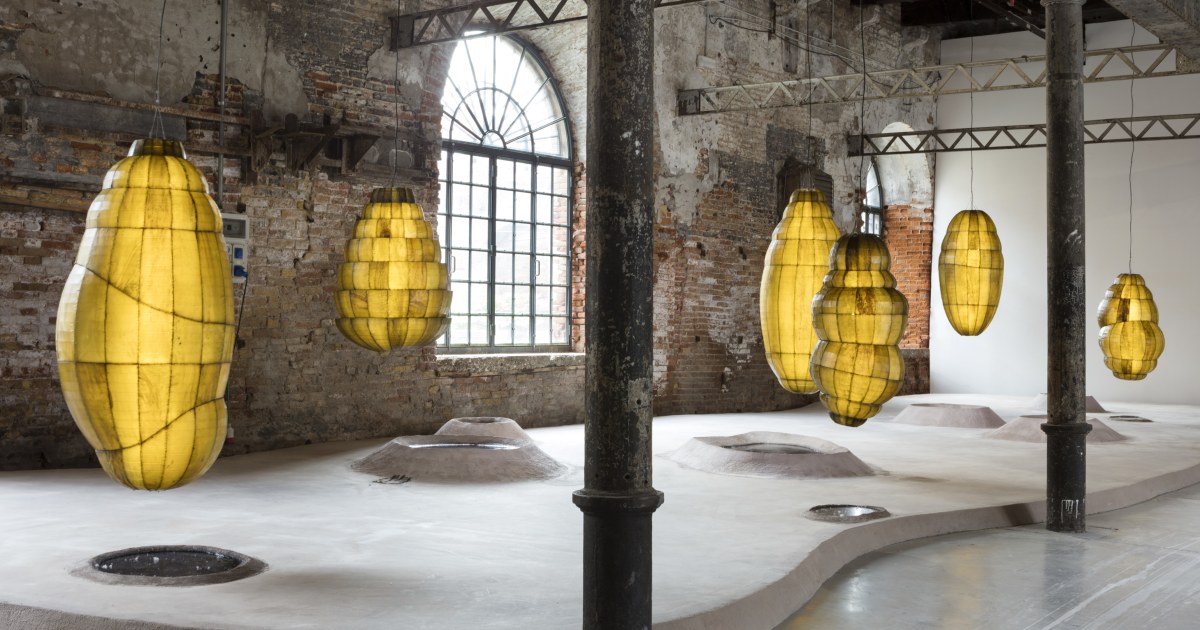
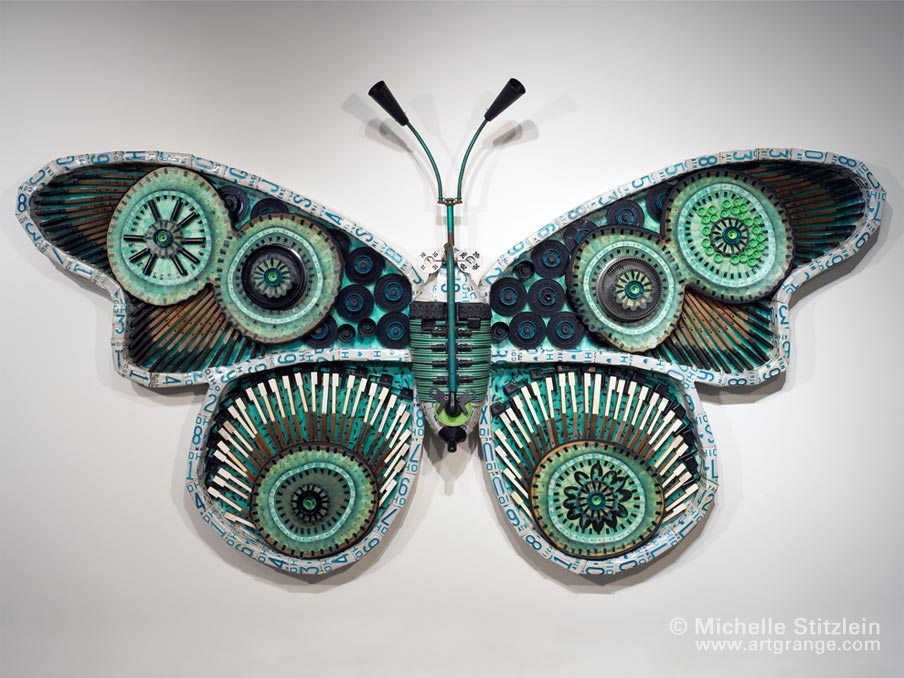
Example of visual style of Contemporary Artists

Contemporary Artists

Contemporary Artists is a visual style that emerged in the late 20th century and continues to be influential today. It is characterized by its exploration of diverse mediums, techniques, and subject matters. Artists working in this style often incorporate elements from various art movements, such as abstract expressionism, pop art, and minimalism, creating a fusion of styles. The use of unconventional materials, digital technologies, and innovative approaches to storytelling are also common in Contemporary Artists. With its emphasis on individual expression, experimentation, and the breaking of traditional boundaries, this style has become famous for its ability to challenge perceptions and push the boundaries of artistic practice.

View StyleExplore Style
Example of visual style of Elio Fiorucci

Elio Fiorucci

Elio Fiorucci was an Italian fashion designer known for his colorful and innovative designs. He gained popularity in the 1960s and 1970s for his iconic 'Unisex' concept, which emphasized freedom, experimentation, and gender neutrality. Fiorucci's style became famous for its vibrant colors, playful patterns, and use of unconventional materials such as plastic, vinyl, and stretch fabrics. His designs were often characterized by a mix of pop art, street fashion, and disco influences, reflecting the vibrant and eclectic spirit of the era.

View StyleExplore Style

Example of visual style of Elsa Schiaparelli

Elsa Schiaparelli

Elsa Schiaparelli was an influential fashion designer known for her bold and avant-garde style. She rose to prominence in the 1920s-1930s, challenging the traditional notions of fashion with her innovative designs. Schiaparelli's use of vibrant colors, unconventional materials, and daring motifs made her famous. Her collaborations with artists like Salvador Dalí and Jean Cocteau contributed to her distinctive style. Schiaparelli's designs exuded a sense of surrealism and wit, pushing the boundaries of fashion and captivating the fashion world.

View StyleExplore Style
Example of visual style of Ettore Sottsass

Ettore Sottsass

Ettore Sottsass was an Italian architect and designer who became famous for his unique and avant-garde design style. His career spanned from the 1950s to the 2000s, but he made a significant impact during the 1980s with the creation of the Memphis Group. Sottsass is known for his bold use of bright colors, geometric shapes, and unconventional materials. His designs often combine functionality with artistic expression, challenging traditional design norms and embracing a postmodern aesthetic.

View StyleExplore Style
Example of visual style of Issey Miyake

Issey Miyake

Issey Miyake is a Japanese fashion designer known for his innovative and avant-garde approach to fashion. He rose to fame in the 1980s with his signature pleated garments, which revolutionized the fashion industry. Miyake's designs are characterized by their architectural silhouettes, clean lines, bold colors, and use of unconventional materials. His creations are often a fusion of traditional Japanese design principles and modern technology, resulting in garments that are both functional and artistic. Miyake's work has been influential in shaping the concept of 'techno-couture' and has inspired a generation of designers.

View StyleExplore Style
Example of visual style of Joseph Beuys

Joseph Beuys

Joseph Beuys was a German artist known for his diverse artistic practice that encompassed performance, sculpture, installation, and drawing. A significant figure in the art world from the 1960s until his death in 1986, Beuys not only challenged traditional notions of art but also explored social and political issues. He became famous for his concept of 'social sculpture,' which aimed to bring about social change through artistic means. Beuys' work often employed unconventional materials such as felt, fat, and honey, and he embraced symbols like the hare and the wolf as recurring motifs. His art encouraged viewers to engage with their own creative potential and to question established systems and beliefs.

View StyleExplore Style
Example of visual style of Louise Bourgeois

Louise Bourgeois

Louise Bourgeois was a French-American artist known for her unique and diverse visual style. Born in 1911, Bourgeois gained recognition in the late 20th century for her innovative and thought-provoking sculptures, installations, and prints. Her works often explore themes of sexuality, femininity, and the human condition. Bourgeois' use of unconventional materials, such as fabric, plaster, and metal, along with her skillful craftsmanship, contributed to her fame and influence in the art world.

View StyleExplore Style
Example of visual style of Radical Design

Radical Design

Radical Design was a movement that emerged in Italy during the late 1960s and 1970s. It was known for its avant-garde and unconventional approach to design, challenging traditional notions of functionality and aesthetics. This style gained fame for its innovative and provocative designs that embraced anti-establishment ideologies and socio-political commentary. It was marked by bright colors, bold shapes, and the use of unconventional materials. Radical Design sought to break free from the constraints of mainstream design and create objects that were both functional and thought-provoking.

View StyleExplore Style
Example of visual style of Shigeru Ban

Shigeru Ban

Shigeru Ban is a Japanese architect known for his innovative and sustainable designs. His style is characterized by the use of unconventional materials such as paper tubes, cardboard, and recycled materials. Ban gained international recognition for his humanitarian work, particularly his disaster relief architecture. In the early years of his career, he pioneered the use of paper tubes as a structural element, which became his signature style. His designs are minimalistic, functional, and often incorporate natural light.

View StyleExplore Style
Example of visual style of Vik Muniz

Vik Muniz

Vik Muniz is a Brazilian artist known for his unique approach to photography and sculpture. Born in 1961, Muniz gained recognition in the 1990s for his innovative use of unconventional materials such as sugar, chocolate, and garbage to create his artworks. He meticulously recreates famous masterpieces and iconic images by arranging and photographing these materials, resulting in highly detailed and visually stunning compositions. Muniz's ability to transform ordinary materials into extraordinary works of art has made him famous in the art world.

View StyleExplore Style
Home