StylopediaStylopedia

Unconventional styles on Stylopedia

A visual encyclopedia of unconventional styles – use as prompt inspiration for Midjourney, Gemini, or ChatGPT AI when making unconventional images

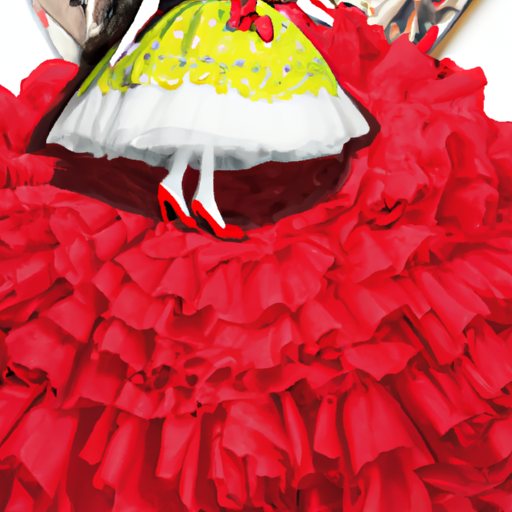
Example of visual style of Alexander Mcqueen

Alexander Mcqueen

Alexander McQueen was known for his daring and unconventional fashion designs. His style emerged in the late 1990s and early 2000s, and he became famous for his bold and theatrical runway presentations. McQueen's designs often featured a dark and avant-garde aesthetic, with a mixture of romanticism and punk influences. He was known for his meticulous attention to detail and his ability to push the boundaries of fashion. McQueen's style was characterized by dramatic silhouettes, intricate craftsmanship, and a sense of theatricality. His innovative and provocative designs left a lasting impact on the fashion industry.

View StyleExplore Style
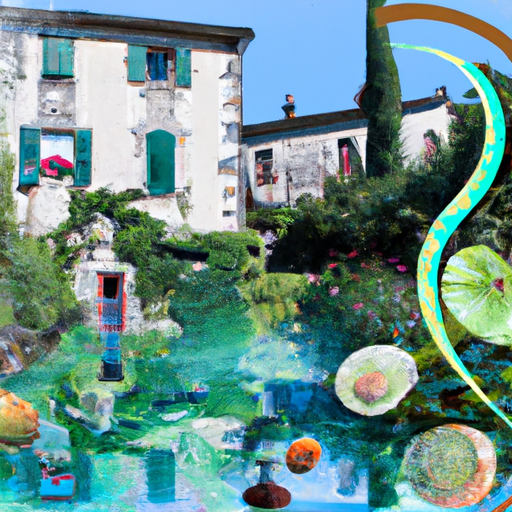
Example of visual style of Art Brut

Art Brut

Art Brut, also known as Outsider Art, is a style characterized by raw, untrained, and untamed creativity. It emerged in the early 20th century and gained recognition in the mid-1940s, becoming more famous in the 1950s and 1960s. This style became prominent for its emphasis on the raw instinct and unconventional approaches of self-taught artists. Art Brut celebrates the unrefined expressions of people outside the traditional art world, often created by those with mental illness or living on the margins of society.

View StyleExplore Style
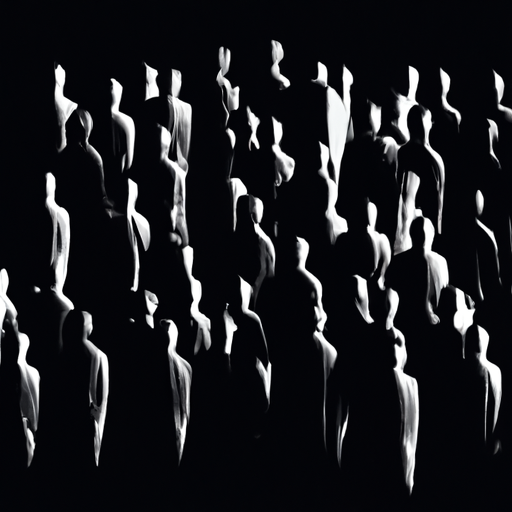
Example of visual style of Avant Garde Literature

Avant Garde Literature

Avant Garde Literature is an experimental and unconventional style of writing that emerged in the late 19th and early 20th centuries. It gained prominence in the early 1900s through the works of notable authors such as James Joyce, Virginia Woolf, and Gertrude Stein. This style of literature is characterized by its rejection of traditional narrative structures, linear plots, and coherent storytelling. Instead, it embraces fragmented narratives, stream-of-consciousness writing, and innovative use of language and imagery. Avant Garde Literature revolutionized the way stories are told, challenging the norms and pushing the boundaries of literary expression.

View StyleExplore Style
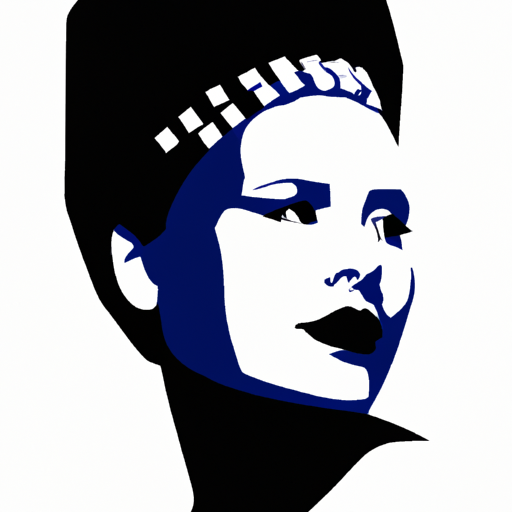
Example of visual style of Bjarke Ingels

Bjarke Ingels

Bjarke Ingels is a Danish architect known for his unconventional and innovative approach to architecture. His style, often called 'Big Style' or 'Hedonistic Sustainability', combines sustainability with ambitious and sculptural design. Ingels gained fame in the early 2000s for creating buildings that are both environmentally conscious and visually striking. His projects, such as the 8 House in Copenhagen and the VIA 57 West in New York City, have received international recognition and have become landmarks in their respective cities.

View StyleExplore Style
Example of visual style of Bjork

Bjork

The Bjork visual style emerged in the late 1990s and became famous for its avant-garde, futuristic, and eclectic aesthetic. Incorporating elements of surrealism, art-pop, and experimental fashion, this style captivated audiences with its imaginative and otherworldly visuals. Bjork's visual style often featured vibrant colors, unconventional costumes, fantastical sets, and visually stunning music videos. Key years include the late 1990s and early 2000s when Bjork collaborated with renowned designers and directors to create visually groundbreaking works like the 'All Is Full of Love' music video and the 'Biophilia' multimedia project.

View StyleExplore Style
Example of visual style of Bohemian Style

Bohemian Style

Bohemian style, also known as Boho chic, emerged in the early 2000s as a fashion trend and has become a popular visual style ever since. Inspired by the free-spirited and unconventional lifestyle of the bohemian movement of the 1960s and 1970s, this style combines elements of hippie, gypsy, and vintage aesthetics. Characterized by its eclectic and expressive nature, the Bohemian style embraces bright colors, bold patterns, and a mix of textures. It often incorporates natural materials like wood, wicker, and rattan, as well as handmade or artisanal objects. Romantic and whimsical, Bohemian style celebrates individuality and a sense of adventure.

View StyleExplore Style

Example of visual style of Chip Kidd

Chip Kidd

Chip Kidd is a graphic designer known for his iconic book cover designs. His visual style is characterized by bold, minimalist compositions that combine typography and imagery in unique and visually striking ways. He rose to fame in the 1980s and 1990s for his innovative covers for authors like Haruki Murakami and Bret Easton Ellis. Kidd's designs often feature attention-grabbing colors, unconventional layouts, and clever use of negative space, which have become signature elements of his style.

View StyleExplore Style
Example of visual style of Damien Hirst

Damien Hirst

A controversial and provocative style known for its bold and audacious artwork. Damien Hirst rose to fame in the 1990s for his conceptually driven and often confrontational pieces, which revolved around themes of death, mortality, and the fragility of life. Hirst became famous for his use of unconventional materials, such as preserved animals, pharmaceuticals, and laboratory equipment, presented in stark and clinical displays. The combination of shock value, meticulous craftsmanship, and provocative subject matter propelled Hirst to become one of the most prominent artists of his generation.

View StyleExplore Style
Example of visual style of Daphne Guinness

Daphne Guinness

Daphne Guinness is a style icon known for her avant-garde and eccentric fashion sense. Her style emerged in the late 2000s and gained significant attention in the fashion world. She is renowned for her bold and unconventional choices, often combining unexpected elements and materials to create visually striking outfits. Guinness is best known for her distinctive personal style, characterized by dramatic silhouettes, intricate detailing, and an affinity for couture. Her unique and fearless approach to fashion has made her an influential figure in the industry.

View StyleExplore Style
Example of visual style of David Byrne

David Byrne

The visual style of David Byrne is characterized by its bold, eclectic and unconventional nature. It emerged in the late 1970s and gained prominence during the 1980s. Known for his work as a musician, artist, and performer, David Byrne's visual style became famous through his collaborations with various artists and designers. Byrne's style is a fusion of avant-garde, post-punk, and pop art, incorporating elements of surrealism and minimalism. His use of vibrant colors, geometric patterns, and the juxtaposition of seemingly unrelated objects create visually captivating and thought-provoking compositions. This style gained a significant following due to its innovative and boundary-pushing approach to visual expression.

View StyleExplore Style
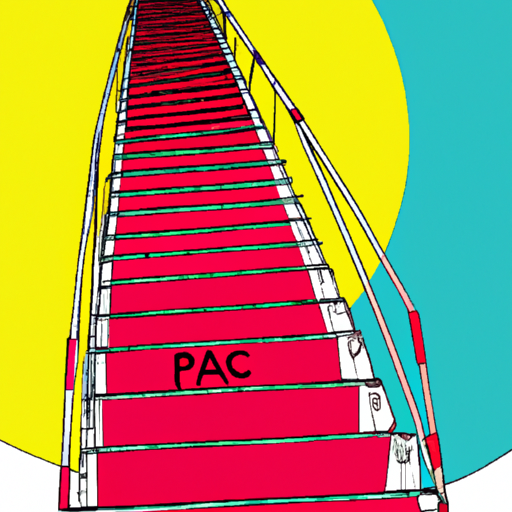
Example of visual style of David Carson

David Carson

David Carson is a visual style known for his pioneering work in the field of graphic design during the 1990s. He gained recognition for his innovative and experimental approach to typography and layout. Carson's use of unconventional typefaces, fragmented text, and layered compositions revolutionized the field, creating a new aesthetic that challenged traditional design principles. He became famous for his work as the art director of Ray Gun magazine, where he pushed the boundaries of visual communication. Carson's style is characterized by a sense of chaos, spontaneity, and expressive typography. His work is often associated with the grunge and postmodern movements in design.

View StyleExplore Style
Example of visual style of David Lynch

David Lynch

David Lynch is a visionary filmmaker known for his unique and enigmatic visual style. His style emerged in the 1980s and gained widespread recognition through his acclaimed film 'Eraserhead' released in 1977 and the TV series 'Twin Peaks' in the early 1990s. Lynch's visual style is characterized by surrealism, psychological depth, and a sense of mystery. He often juxtaposes light and dark elements, creating a dreamlike atmosphere that blurs the lines between reality and imagination. Through the use of unconventional camera angles, eerie lighting, and haunting sound design, Lynch's work embodies a haunting and unsettling beauty.

View StyleExplore Style
Example of visual style of Deconstructivism

Deconstructivism

Deconstructivism is a visually striking architectural style that emerged in the late 20th century. It gained fame in the 1980s and 1990s for its bold and unconventional designs. Influenced by postmodernism, Deconstructivism aimed to challenge traditional architectural principles and create structures that appear fragmented, distorted, and disorienting. Its famous examples include the Guggenheim Museum in Bilbao and the Walt Disney Concert Hall in Los Angeles.

View StyleExplore Style
Example of visual style of Diana Vreeland

Diana Vreeland

Diana Vreeland, a legendary fashion editor, is known for her bold and eclectic visual style. From the 1930s to the 1980s, Vreeland's influential work in the fashion industry made her famous for pushing artistic boundaries and embracing unconventional beauty. Her style was characterized by vibrant colors, exaggerated proportions, and a fearless mix of patterns and textures. She was an advocate for individuality and self-expression, inspiring others to embrace their unique style and be unapologetically themselves.

View StyleExplore Style
Example of visual style of Droog Design

Droog Design

Droog Design is a Dutch design collective known for its unconventional and thought-provoking approach to design. Founded in 1993, it gained prominence in the 1990s and early 2000s for its innovative and often ironic take on everyday objects. Droog Design became famous for blurring the boundaries between art and design, challenging traditional notions of functionality and aesthetics. Their designs often feature clean lines, simple forms, and a focus on materials and craftsmanship.

View StyleExplore Style
Example of visual style of Edouard Manet

Edouard Manet

Edouard Manet was a French modernist painter of the 19th century. He was one of the most influential artists in the transition from Realism to Impressionism. Manet's visual style, prominent during the 1860s and 1870s, was characterized by loose brushwork, unconventional compositions, and a keen observation of contemporary life in Paris. His works often depicted scenes of urban leisure, including cafes, dance halls, and boating parties. Manet's paintings, such as Luncheon on the Grass and Olympia, sparked controversy and shocked the conservative art establishment. His ability to capture the essence of modern society and challenge traditional art conventions made him a renowned figure in the art world.

View StyleExplore Style
Example of visual style of Experimental Art

Experimental Art

Experimental Art is a visual style that emerged in the late 20th century and continues to evolve today. It is characterized by its unconventional, innovative, and non-traditional approaches to artistic creation. Artists who explore this style often push the boundaries of traditional mediums and techniques, utilizing multimedia, interactive installations, digital technology, and unconventional materials. Experimental Art gained prominence in the 1960s with the rise of postmodernism and the rejection of traditional artistic norms. It continues to gain popularity for its ability to challenge viewers' perceptions and reimagine the role of art in society.

View StyleExplore Style

Example of visual style of Experimental Cinema

Experimental Cinema

Experimental Cinema is a style of filmmaking that emerged in the early 20th century and is characterized by its unconventional and avant-garde approach. Often challenging traditional narrative structures and technical conventions, experimental cinema explores new possibilities of cinematography, editing, and storytelling. It gained fame in the 1920s with influential artists such as Hans Richter and Man Ray, who experimented with abstract visuals and surreal imagery.

View StyleExplore Style
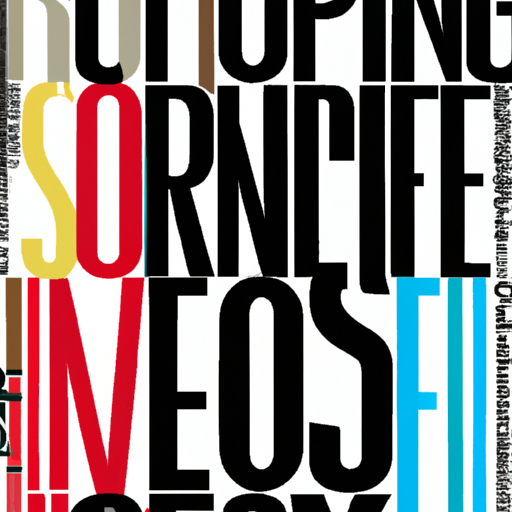
Example of visual style of Fight Club

Fight Club

The visual style of Fight Club can be described as dark, gritty, and edgy. The film, released in 1999, became famous for its unique blend of unconventional storytelling, striking cinematography, and atmospheric visuals. The use of low-key lighting, desaturated colors, and high contrast creates a moody and raw aesthetic that complements the themes of rebellion and disillusionment explored in the movie. Fight Club's visual style became influential in the late 90s and early 2000s, inspiring a number of other films and establishing director David Fincher as a master of visual storytelling.

View StyleExplore Style
Example of visual style of Frank Gehry

Frank Gehry

Frank Gehry is known for his unique and innovative architectural style. His work gained fame in the late 20th century and continues to be influential today. Gehry's style is characterized by bold and unconventional forms, the use of unexpected materials, and a sense of movement and dynamism in his designs. His buildings often appear as if they are in motion or have been sculpted by the wind. Gehry's iconic works, such as the Guggenheim Museum Bilbao and the Walt Disney Concert Hall, have helped redefine modern architecture and have become symbols of the cities in which they are located.

View StyleExplore Style
Example of visual style of Hans Arp

Hans Arp

Hans Arp was a German-French artist and poet known for his abstract and organic visual style. He played a key role in the development of Dadaism and Surrealism. Arp's artistic career spanned from the early 1900s to the 1960s, during which he explored unconventional forms, biomorphic shapes, and the integration of chance in art. His works often showcased a playful and whimsical approach, blurring the distinction between nature and abstraction. Hans Arp's unique style and contributions to the art movement made him a prominent figure in modern art history.

View StyleExplore Style

Example of visual style of Hans Hollein

Hans Hollein

Hans Hollein was an Austrian architect and designer who was a key figure in the postmodern architectural movement of the late 20th century. He gained fame for his innovative and futuristic designs that challenge traditional notions of architecture. Hollein's work often combined elements of art, architecture, and design, blurring the boundaries between these disciplines. He rose to prominence in the 1960s and 1970s with projects such as the Retti candle shop in Vienna and the Abteiberg Museum in Germany. His designs were characterized by unconventional forms, the use of new materials, and a focus on technology. Hollein's unique approach to architecture made him a significant figure in the architectural avant-garde and influenced subsequent generations of architects.

View StyleExplore Style
Example of visual style of Huan Yong Ping

Huan Yong Ping

Huan Yong Ping is a contemporary Chinese visual artist known for his thought-provoking and politically charged installations. His work became famous in the 1980s for its critical commentary on China's political and social climate. One of his most notable installations, 'The Circle of Life,' created in 1989, reflects on the Tiananmen Square protests of that year. Huan's use of unconventional materials and provocative imagery has cemented his reputation as a leading figure in Chinese contemporary art.

View StyleExplore Style
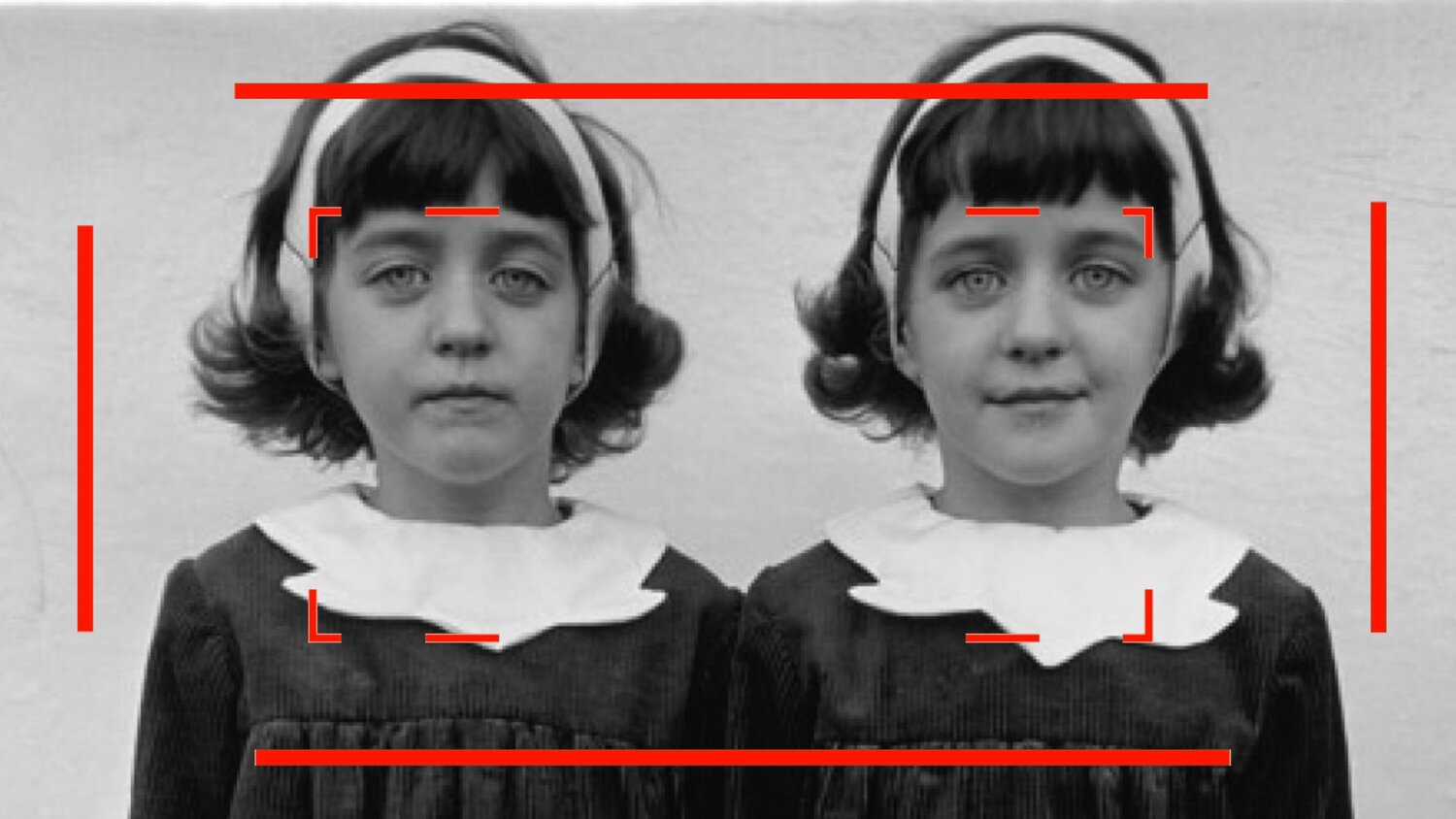
Example of visual style of Igor Stravinsky

Igor Stravinsky

The Igor Stravinsky visual style emerged in the early 20th century and was associated with the Russian composer Igor Stravinsky. It is characterized by its avant-garde and experimental approach to music, which often challenged traditional musical techniques and concepts. Stravinsky's works, such as 'The Rite of Spring' (1913) and 'The Firebird' (1910), revolutionized classical music and brought him international recognition. The style is renowned for its complex rhythms, dissonant harmonies, and unconventional orchestration, creating a vivid and dramatic sonic experience.

View StyleExplore Style
Example of visual style of Independent Cinema

Independent Cinema

Independent Cinema is a style of filmmaking that emerged in the late 20th century as a counter to the mainstream commercial film industry. It gained prominence in the 1990s and 2000s, with notable directors like Quentin Tarantino, Richard Linklater, and Jim Jarmusch. This style is known for its unique storytelling techniques, unconventional narratives, and low-budget production values. It often explores niche topics, portrays realistic and flawed characters, and experiments with non-linear storytelling. Independent Cinema helped redefine filmmaking by championing personal expression, artistic freedom, and challenging societal norms.

View StyleExplore Style
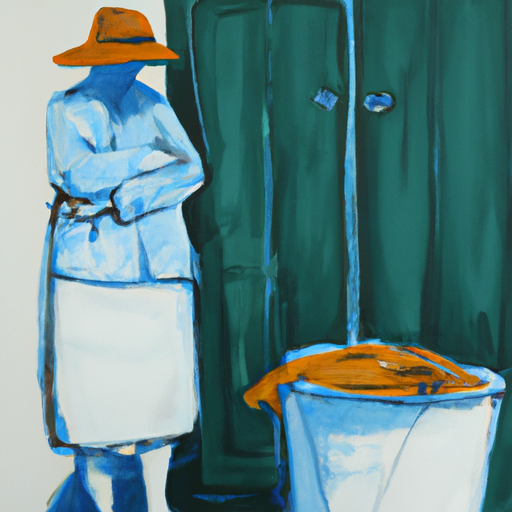
Example of visual style of Indie Games
Indie Games

Indie Games is a visual style characterized by unique and experimental artistic choices, typically developed by smaller independent game studios or individual developers. This style emerged in the early 2000s with the rise of digital distribution platforms like Xbox Live Arcade, Steam, and the App Store, which provided a platform for indie developers to reach a wider audience. Indie Games are known for their emphasis on creativity, innovation, and gameplay mechanics rather than high-end graphics or blockbuster budgets. The style became famous for its ability to offer fresh and unconventional gaming experiences, often challenging established norms and tropes in the industry.


View StyleExplore Style
Home