StylopediaStylopedia

Typography styles on Stylopedia

A visual encyclopedia of typography styles – use as prompt inspiration for Midjourney, Gemini, or ChatGPT AI when making typography images

Example of visual style of Adolphe Mouron Cassandre

Adolphe Mouron Cassandre

Adolphe Mouron Cassandre was a French artist and designer best known for his iconic Art Deco poster designs in the 1920s and 1930s. His work is characterized by bold geometric shapes, simplified forms, and strong visual impact. Cassandre's designs often combined typography and graphic elements to create striking compositions. His innovative use of perspective, shadowing, and negative space made his posters instantly recognizable and influential. Cassandre's style reached its peak of popularity in the 1930s and his work continues to be celebrated as an important contribution to graphic design.

View StyleExplore Style
Example of visual style of Album Cover Art

Album Cover Art

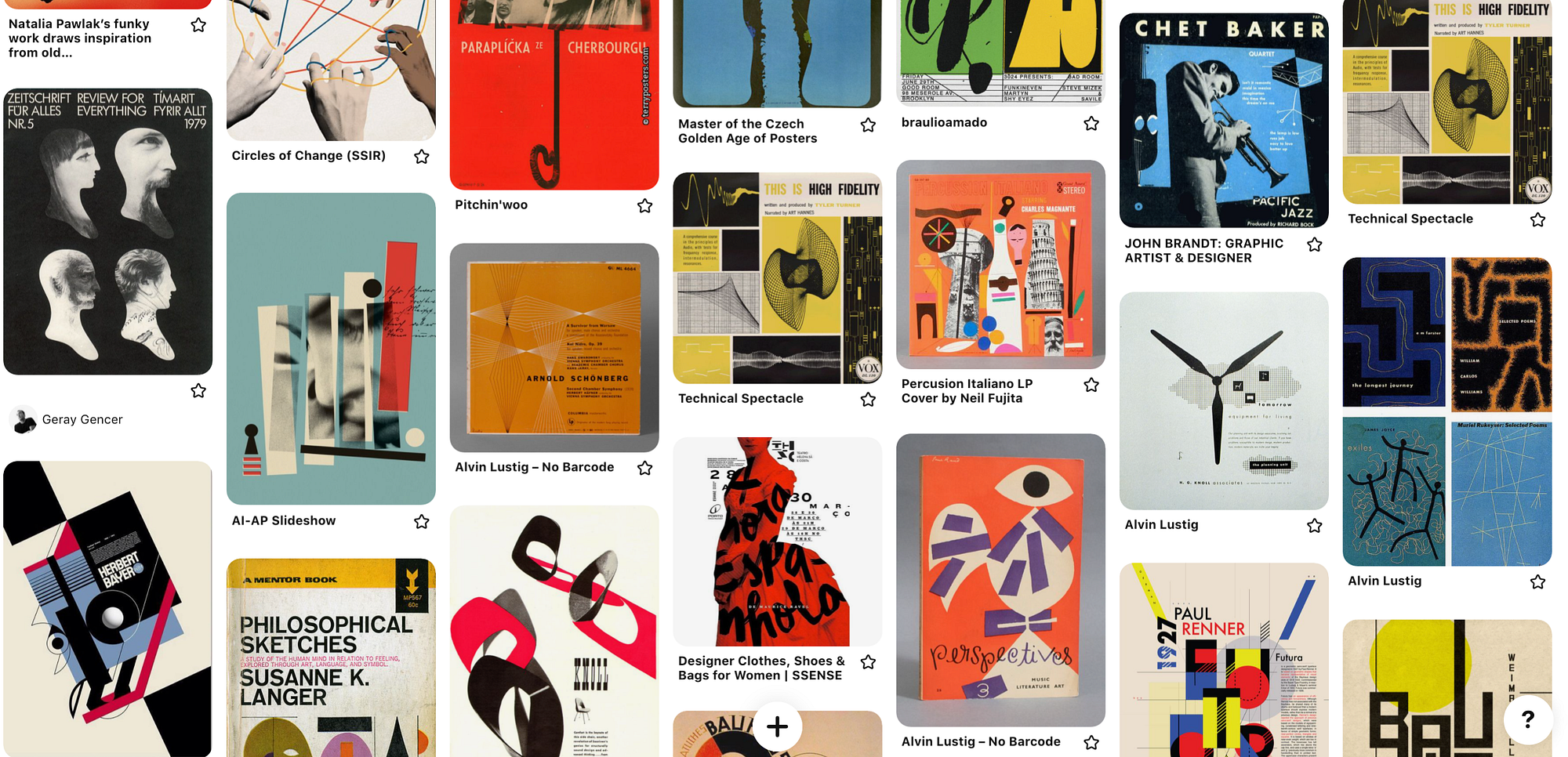
Album Cover Art is a visual style that refers to the design and artwork printed on the covers of music albums. It became particularly famous during the mid-20th century when vinyl records were the dominant format for music consumption. The style's importance and recognition peaked in the 1960s and 1970s when groundbreaking album cover designs served as crucial visual representations of the music. These covers often featured innovative graphic design, photography, illustration, and typography that perfectly complemented the mood, genre, or themes of the music. From the iconic artwork of The Beatles' 'Sgt. Pepper's Lonely Hearts Club Band' to Pink Floyd's 'The Dark Side of the Moon,' album cover art played a significant role in shaping the overall aesthetic and cultural significance of music albums.

View StyleExplore Style
Example of visual style of Art Direction

Art Direction

Art Direction is a visual style that involves the overall design and composition of visual elements in a specific media, such as film, advertising, or graphic design. It gained prominence in the early 20th century with the rise of mass media and commercial art. Art Direction focuses on creating a cohesive visual identity, using various techniques like color palettes, typography, and layout. Notable movements within art direction include the Bauhaus movement of the 1920s and the modernist movement of the mid-20th century, which emphasized simplicity, minimalism, and the use of new materials and technology.

View StyleExplore Style
Example of visual style of Book Design

Book Design

Book Design is a style of visual presentation and layout used in the design of printed and digital books. It emerged during the Renaissance period in the 15th century with the invention of the movable type printing press by Johannes Gutenberg. This innovation made books more accessible and sparked a revolution in book design and production. Book Design focuses on typography, page layout, and overall visual presentation, aiming to enhance the reading experience and convey the content in a visually pleasing and organized manner.

View StyleExplore Style
Example of visual style of Branding

Branding

Branding is a visual style that emerged in the early 20th century and gained prominence in the business world. It is characterized by the strategic creation and presentation of a company's visual identity to convey its values, mission, and unique selling propositions. The use of logos, typography, colors, and imagery is done in a consistent and cohesive manner, allowing consumers to easily recognize and associate the visual elements with the brand. The branding style became famous due to its effectiveness in creating memorable and recognizable brand identities, leading to increased brand loyalty and consumer trust.

View StyleExplore Style
Example of visual style of Charles Ricketts

Charles Ricketts

Charles Ricketts was a British artist, designer, and writer known for his distinctive visual style during the late 19th and early 20th centuries. His style can be described as intricate, ornate, and highly detailed. Ricketts was particularly renowned for his skills in book design, typography, and woodcuts. He gained prominence in the late 1890s as a member of the Birmingham Group, a collective of artists who championed the Arts and Crafts movement. Ricketts' visual style became famous for its meticulous attention to detail, rich symbolism, and a fusion of classical and modern influences.

View StyleExplore Style
Example of visual style of Chip Kidd

Chip Kidd

Chip Kidd is a graphic designer known for his iconic book cover designs. His visual style is characterized by bold, minimalist compositions that combine typography and imagery in unique and visually striking ways. He rose to fame in the 1980s and 1990s for his innovative covers for authors like Haruki Murakami and Bret Easton Ellis. Kidd's designs often feature attention-grabbing colors, unconventional layouts, and clever use of negative space, which have become signature elements of his style.

View StyleExplore Style
Example of visual style of Chris Anderson

Chris Anderson

The visual style of Chris Anderson emerged in the early 2000s and became famous for its minimalist and sleek design. Anderson is known for his mastery of typography and the use of bold and vibrant colors. His work often combines clean lines and simple shapes to create striking compositions. Anderson's style gained popularity through his graphic design work, particularly in the tech industry, where he created iconic logos and user interfaces. With a focus on modernism and innovation, Chris Anderson's visual style continues to influence contemporary design.

View StyleExplore Style
Example of visual style of Edward Tufte

Edward Tufte

Edward Tufte is a prominent data visualization expert and professor emeritus of political science, statistics, and computer science at Yale University. His work in the field of visual design and data presentation has greatly influenced the way information is communicated. Tufte's style, which emerged in the late 20th century, emphasizes clarity, simplicity, and the elimination of unnecessary decoration. His famous book 'The Visual Display of Quantitative Information' (1983) brought him widespread recognition. Tufte's style became famous for its emphasis on conveying large amounts of data coherently, minimalism in design, and the use of high-quality graphics and typography.

View StyleExplore Style
Example of visual style of El Lissitzky

El Lissitzky

El Lissitzky, also known as Lazar Markovich Lissitzky, was a Russian artist, designer, and architect. Active during the early 20th century, Lissitzky was a prominent figure in the Russian avant-garde movement. He is known for his unique and influential style that combined geometric forms, bold colors, and dynamic compositions. Lissitzky's work in various mediums such as painting, typography, photomontage, and architecture played a significant role in the development of modern art and design. His innovative use of abstract shapes, asymmetry, and the integration of typography into visual compositions brought a fresh and dynamic approach to visual communication and had a lasting impact on graphic design and the Constructivist movement.

View StyleExplore Style
Example of visual style of Esquire Covers

Esquire Covers

Esquire Covers is a visual style that emerged in the United States in the 20th century. It became famous for its bold and iconic magazine covers featured in Esquire magazine. This style gained prominence in the 1960s and 1970s, showcasing a blend of modern and artistic design elements. The covers often incorporated strong typography, striking photography, and innovative graphic design techniques. Esquire Covers revolutionized the concept of magazine covers, making them both visually captivating and thought-provoking. The covers challenged societal norms and pushed the boundaries of design and visual communication.

View StyleExplore Style
Example of visual style of Graphic Design

Graphic Design

Graphic Design is a visual style that emerged in the late 19th century and continues to be influential today. It focuses on the creation and arrangement of visual elements to convey a message or evoke an emotion. Graphic design became famous in the mid-20th century with the rise of modernism, which emphasized simplicity, clarity, and functionality. The use of typography, photography, illustration, and color theory are essential components of this style, which is known for its precision, organization, and visual impact.

View StyleExplore Style
Example of visual style of Gustav Klutsis

Gustav Klutsis

Gustav Klutsis was a Latvian artist and graphic designer known for his constructivist style. Active during the 1920s and 1930s, Klutsis gained fame for his powerful and dynamic compositions that combined photography, typography, and graphic design. His work was characterized by bold geometric forms, vibrant colors, and a strong sense of movement. Klutsis became famous for his propaganda posters and photomontages, which portrayed the ideals of the Soviet Union and promoted the achievements of the communist regime. His innovative use of photography and graphic design techniques made him a leading figure in the constructivist movement.

View StyleExplore Style
Example of visual style of Herbert Bayer

Herbert Bayer

Herbert Bayer was a prominent figure in the Bauhaus movement, a significant art and design school in the 1920s and 1930s. Known for his innovative and versatile style, Bayer's work spanned various mediums including graphic design, typography, photography, and painting. His work during this time is characterized by geometric forms, bold colors, clean lines, and a strong focus on visual communication. Bayer's influential contributions to the field of graphic design and typography helped shape the modernist aesthetic. He became particularly famous for his use of sans-serif typefaces and his experimentation with photomontage techniques. His work laid the foundation for the development of a modern and functional design language in the 20th century.

View StyleExplore Style
Example of visual style of In Touch Weekly

In Touch Weekly

In Touch Weekly is a visual style that can be characterized by its vibrant and bold aesthetic. It is a popular style in the realm of celebrity gossip and entertainment news magazines. With its eye-catching layouts, colorful typography, and captivating imagery, In Touch Weekly effectively captures readers' attention. The style became famous in the early 2000s as it successfully tapped into society's fascination with celebrity culture and provided an outlet for the latest gossip and news. Its visually stunning covers and engaging content made it a staple in the world of entertainment journalism.

View StyleExplore Style
Example of visual style of International Typographic Style

International Typographic Style

The International Typographic Style, also known as Swiss Style, emerged in the 1950s and became widely popular in the 1960s. It is characterized by its minimalistic approach to design, focusing on clean and organized layouts with strong emphasis on typography and grid-based compositions. The style is famous for its use of sans-serif typefaces, asymmetric layouts, and a strong use of photography. It prioritizes legibility, clarity, and objectivity in design, with an emphasis on simplicity and precision. This style gained recognition through the works of influential designers like Josef Müller-Brockmann, Max Bill, and Armin Hofmann.

View StyleExplore Style
Example of visual style of Jan Tschichold

Jan Tschichold

Jan Tschichold was a graphic designer, typographer, and book designer known for his influential work in the early 20th century. He played a key role in the development of modern typography, particularly in the field of book design. Tschichold's most famous work, 'Die neue Typographie', published in 1928, laid out his vision for a new and rational approach to typography. This book became a manifesto for the modernist movement in graphic design and typography. Tschichold's style emphasized clean lines, geometric forms, asymmetry, and functionalism.

View StyleExplore Style
Example of visual style of Johannes Gutenberg

Johannes Gutenberg

Johannes Gutenberg, a German inventor and printer, revolutionized the world of printing in the mid-15th century. His invention of the mechanical movable type printing press, around 1450, made mass production of printed works such as books and pamphlets possible. Gutenberg's innovation paved the way for increased literacy, the spread of knowledge, and the democratization of information. This influential style is known for its precise and legible typography, incorporating classic letterforms and ornate embellishments, creating a harmonious and balanced visual composition.

View StyleExplore Style
Example of visual style of Josef Muller Brockmann

Josef Muller Brockmann

Josef Muller Brockmann was a Swiss graphic designer and pioneer of the International Typographic Style. He is best known for his clean, grid-based designs that combined typography, photography, and graphics. He rose to prominence in the 1950s and 1960s, during the peak of the Swiss graphic design movement. Brockmann's work became famous for its simplicity, precision, and clarity, using geometric forms, sans-serif fonts, and a limited color palette. His strong emphasis on visual communication and functional design was a key factor in shaping the International Typographic Style.

View StyleExplore Style
Example of visual style of Kazuhiko Nakamura

Kazuhiko Nakamura

Kazuhiko Nakamura is a Japanese graphic designer known for his minimalist and clean visual style. Emerging in the 1960s, Nakamura's work became famous for its simplicity, precision, and attention to detail. He was at the forefront of the Swiss Style influence on Japanese graphic design, combining Western modernism with traditional Japanese aesthetics. Nakamura's work often featured bold typography, solid colors, and a sense of harmony. His designs conveyed a sense of order and clarity, making them highly effective in communicating messages. Nakamura's style gained international recognition in the 1970s and 1980s, and he became an influential figure in the field of graphic design.

View StyleExplore Style
Example of visual style of Laszlo Moholy Nagy

Laszlo Moholy Nagy

Laszlo Moholy Nagy was a Hungarian artist and Bauhaus instructor known for his pioneering work in photography, photograms, and typography. He played a crucial role in the development of modernism, especially the constructivist movement, during the early 20th century. Nagy's style was characterized by bold geometric compositions, experimentation with new materials and techniques, and a focus on the relationship between technology and art. His innovative use of light, shadow, and transparency created a dynamic visual language that blurred the boundaries between art and design. Laszlo Moholy Nagy's influential work became famous in the 1920s and continues to inspire artists and designers today.

View StyleExplore Style
Home