StylopediaStylopedia

Tranquility styles on Stylopedia

A visual encyclopedia of tranquility styles – use as prompt inspiration for Midjourney, Gemini, or ChatGPT AI when making tranquility images

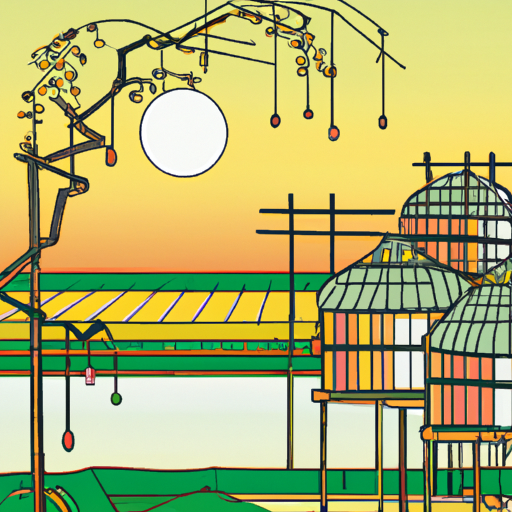
Example of visual style of Asher B Durand

Asher B Durand

Asher B Durand was an influential American painter in the mid-19th century. He was a prominent figure in the Hudson River School movement, which celebrated the American landscape and emphasized detailed and realistic depictions of nature. Durand's works are characterized by their meticulous attention to detail, luminous lighting effects, and a sense of tranquility. He is particularly famous for his landscape paintings, which captured the beauty and grandeur of American scenery.

View StyleExplore Style
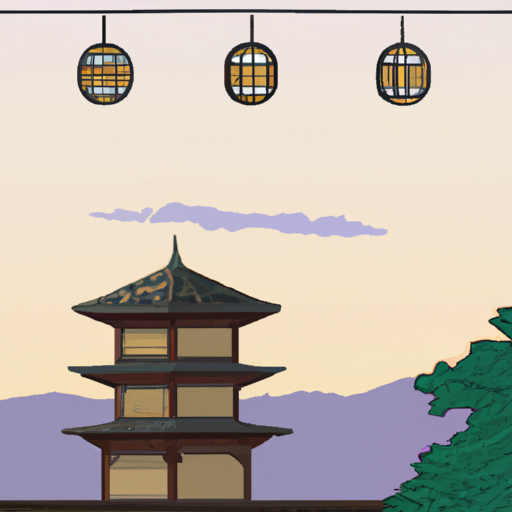
Example of visual style of Hasui Kawase

Hasui Kawase

Hasui Kawase was a Japanese artist known for his woodblock prints. Active during the early 20th century, particularly from the 1910s to the 1950s, Hasui's prints captured the beauty of landscapes and cityscapes in Japan. His style is characterized by delicate lines, vibrant colors, and a strong sense of atmosphere. He often depicted scenes during different seasons and weather conditions, showcasing the changing moods and ambiance of the landscapes. Hasui's prints became famous for their ability to evoke a sense of tranquility and nostalgia, making them highly sought after by art collectors and enthusiasts.

View StyleExplore Style
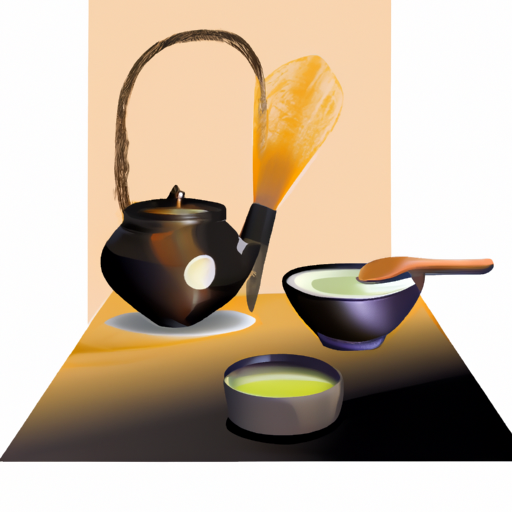
Example of visual style of Kawase Hasui

Kawase Hasui

Kawase Hasui was a prominent Japanese printmaker in the 20th century, best known for his woodblock prints. His style emerged during the early 1900s and gained popularity throughout the 1920s and 1930s. Hasui's work often depicted serene landscapes and cityscapes, capturing the beauty of Japanese scenery and everyday life. He often used vibrant colors, delicate lines, and meticulous details to create a sense of tranquility and harmony. His prints were widely recognized for their masterful composition and skilled craftsmanship, which made him famous both in Japan and internationally.

View StyleExplore Style
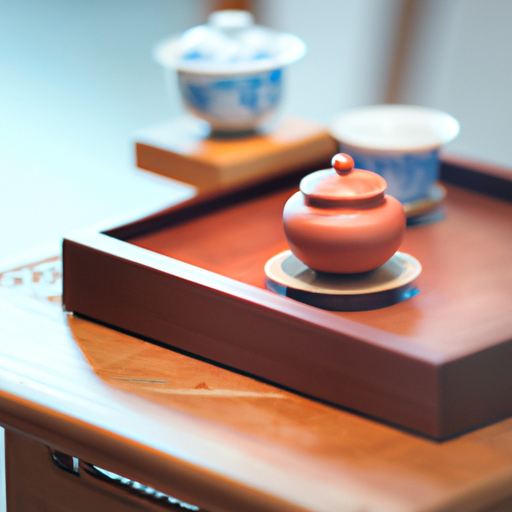
Example of visual style of Tokujin Yoshioka

Tokujin Yoshioka

Tokujin Yoshioka is a Japanese designer known for his minimalist and ethereal style that seamlessly combines art and design. His work is characterized by its poetic and delicate qualities, often utilizing natural materials and light to create a sense of tranquility and wonder. Yoshioka rose to prominence in the 2000s with his innovative and cutting-edge designs for various industries, including architecture, furniture, and fashion. His famous projects include the 'Honey-Pop' chair (2001), 'Water Block' installation (2006), and the 'Fragrance' exhibition at the Museum of Contemporary Art, Tokyo (2012). With his unique vision and ability to push boundaries, Tokujin Yoshioka has become a leading figure in contemporary design.

View StyleExplore Style
Home