StylopediaStylopedia

Traditional techniques styles on Stylopedia

A visual encyclopedia of traditional techniques styles – use as prompt inspiration for Midjourney, Gemini, or ChatGPT AI when making traditional techniques images

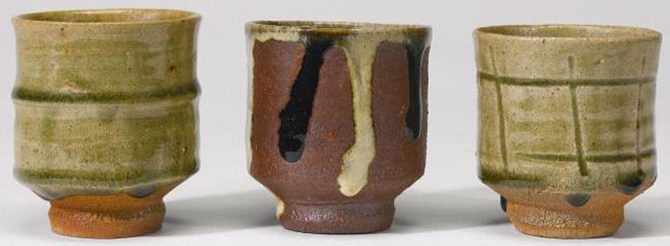
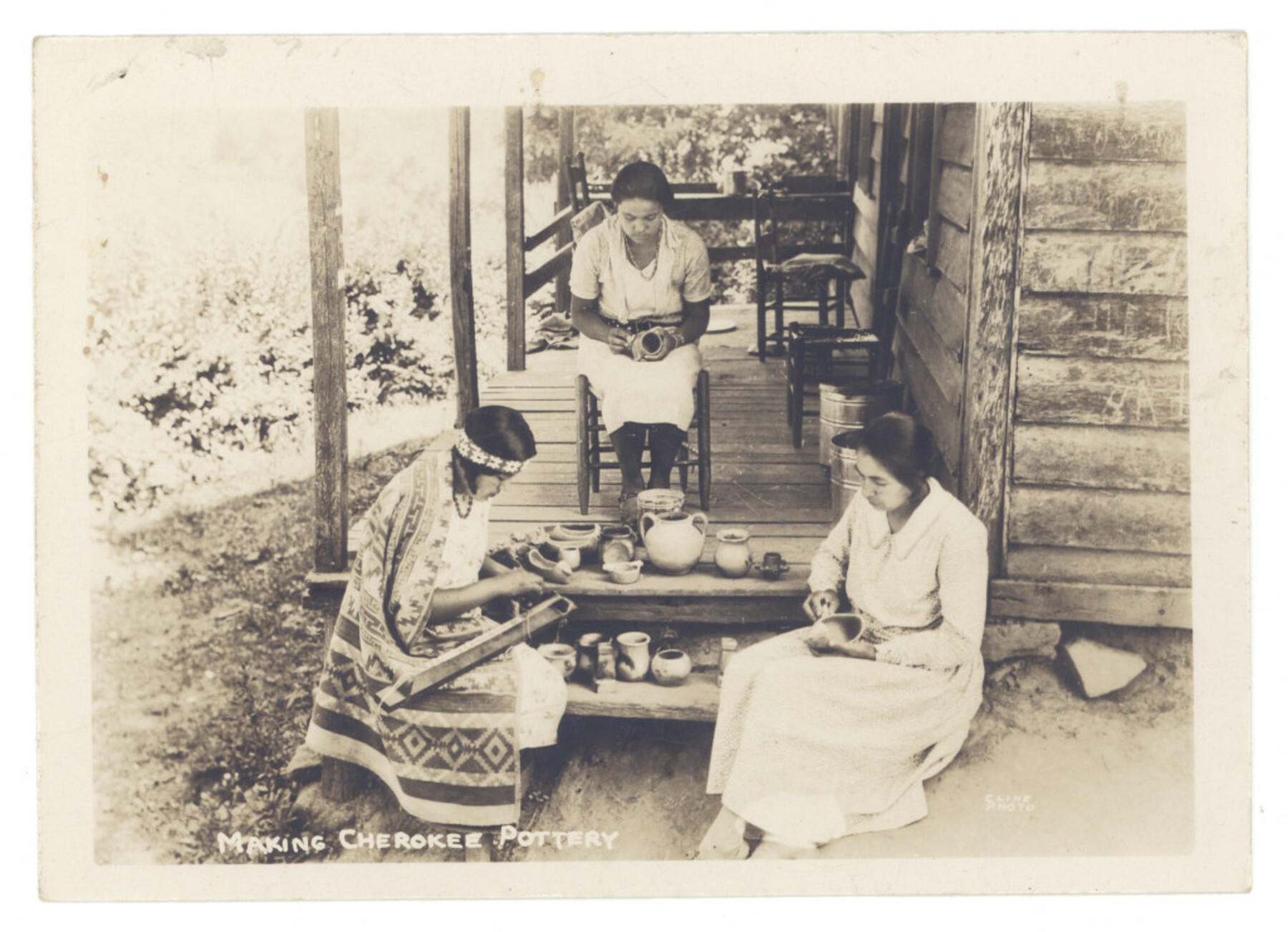
Example of visual style of Arts And Crafts

Arts And Crafts

Arts and Crafts is a style that emerged in the late 19th century in Britain and gained popularity in the early 20th century. It was a reaction against industrialization and emphasized craftsmanship, traditional techniques, and natural materials. This style was made famous by influential designers and architects like William Morris, Charles Rennie Mackintosh, and Gustav Stickley. It was characterized by intricate patterns, handcrafted furniture, simple forms, and a focus on the beauty of natural materials.

View StyleExplore Style
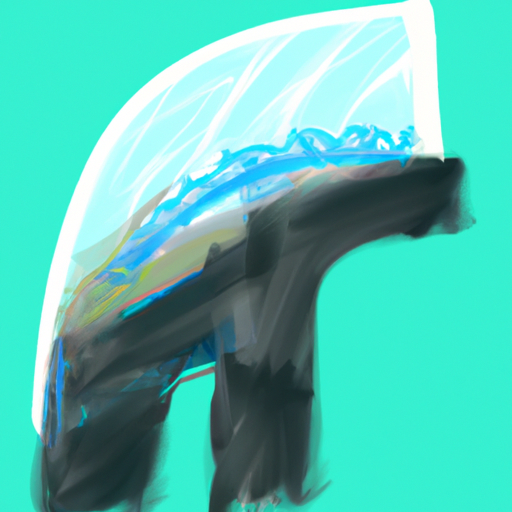
Example of visual style of Concept art

Concept art

Concept Art is a style of illustration that is used to convey an initial visual representation of ideas, designs, and concepts for various forms of media such as films, video games, and animations. It gained prominence in the 1970s and 1980s with the rise of science fiction and fantasy genres. Concept Art became famous for its ability to create imaginative and fantastical worlds, creatures, and characters. Artists in this style use a combination of traditional and digital techniques to create detailed and visually stunning artwork that sets the tone and direction for the final visual production.

View StyleExplore Style
Example of visual style of Qi Baishi

Qi Baishi

Qi Baishi is a Chinese painter known for his distinctive style characterized by its simplicity and charm. Born in 1864 and active during the 20th century, his art was greatly influenced by traditional Chinese painting techniques and his own creativity. Qi Baishi's fame primarily stems from his ability to depict a wide variety of subjects, including animals, plants, landscapes, and figures. He often utilized bold brushstrokes and vibrant colors to create lively and expressive compositions. His unique artistic approach garnered international recognition and established him as one of the most renowned Chinese painters of the 20th century.

View StyleExplore Style
Example of visual style of Traditional Realism

Traditional Realism

Traditional Realism is an art style that emerged in the late 19th century and gained prominence in the early 20th century. It is characterized by its meticulous attention to detail, precise representation of subjects, and adherence to traditional artistic techniques. Traditional Realism reached its peak of popularity between the 1940s and 1950s. This style gained fame for its ability to create lifelike and highly detailed artworks, often depicting scenes from everyday life, portraits, or landscapes.

View StyleExplore Style
Example of visual style of William Adolphe Bouguereau

William Adolphe Bouguereau

William Adolphe Bouguereau was a French academic painter known for his realistic and idealized portrayals of women and mythological subjects. He gained popularity during the late 19th and early 20th centuries for his meticulous attention to detail, use of delicate brushwork, and emphasis on traditional academic techniques. Bouguereau's works were celebrated for their technical proficiency and sentimental subject matter, often depicting classical themes with a focus on beauty and sensuality. He achieved great fame and success in his lifetime and became one of the leading figures of the academic art movement.

View StyleExplore Style
Example of visual style of Yamamoto Shunkyo

Yamamoto Shunkyo

Yamamoto Shunkyo is a Japanese visual style that emerged in the late 19th century and remained influential until the early 20th century. It is characterized by its delicate and graceful depictions of nature, particularly landscapes and flowers. Shunkyo's work is known for its vibrant colors, intricate details, and exquisite use of traditional Japanese painting techniques, such as ink washes, fine lines, and meticulous brushstrokes. His style gained fame for its romantic and poetic interpretations of nature, capturing the ephemeral beauty of the changing seasons. Yamamoto Shunkyo's visual style became famous for its fusion of traditional Japanese aesthetics with a modern sensibility.

View StyleExplore Style
Home