StylopediaStylopedia

Traditional craftsmanship styles on Stylopedia

A visual encyclopedia of traditional craftsmanship styles – use as prompt inspiration for Midjourney, Gemini, or ChatGPT AI when making traditional craftsmanship images

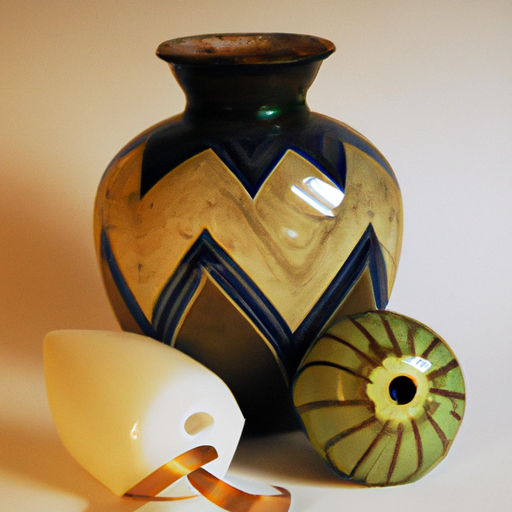
Example of visual style of Arts And Crafts Movement

Arts And Crafts Movement

The Arts and Crafts Movement emerged in the late 19th century and became prominent between the 1880s and 1910s. It originated in England and was motivated by a desire to revive traditional craftsmanship in response to the industrial age. Led by influential figures like William Morris, it sought to reunite artistry and production, prioritizing quality craftsmanship, handmade objects, and simple forms. The movement celebrated the beauty of natural materials and emphasized the importance of handmade goods. The Arts and Crafts Movement was a response to mass production, promoting the idea of 'art for all' and influenced various design fields, including architecture, interior design, and decorative arts.

View StyleExplore Style
Example of visual style of Japanese Design

Japanese Design

Japanese Design is a style that emerged during the Edo period (1603-1868) and continues to be influential in contemporary design. It is known for its minimalism, refinement, and attention to detail. The beauty of imperfection and simplicity are key elements in this style. The use of natural materials such as wood and paper, as well as the incorporation of traditional craftsmanship techniques, are distinctive features. Japanese Design gained international recognition in the late 19th century through the works of artists like Hokusai and Hiroshige, who popularized the Ukiyo-e woodblock prints. The harmony between form and function along with the integration of nature are core principles that made Japanese Design famous.

View StyleExplore Style
Example of visual style of Josef Hoffmann

Josef Hoffmann

Josef Hoffmann was an Austrian architect and designer who was a key figure in the development of the Vienna Secession and Wiener Werkstätte movements. Active in the late 19th and early 20th centuries, Hoffmann's visual style is characterized by its clean lines, geometric forms, and emphasis on functionality. His designs are often considered a fusion of modernism and traditional craftsmanship. Hoffmann's work became famous for its innovative use of materials and his attention to detail. His style gained popularity in the early 1900s and continues to influence modern design today.

View StyleExplore Style
Home