StylopediaStylopedia

Theatrical styles on Stylopedia

A visual encyclopedia of theatrical styles – use as prompt inspiration for Midjourney, Gemini, or ChatGPT AI when making theatrical images

Example of visual style of Alexander Mcqueen

Alexander Mcqueen

Alexander McQueen was known for his daring and unconventional fashion designs. His style emerged in the late 1990s and early 2000s, and he became famous for his bold and theatrical runway presentations. McQueen's designs often featured a dark and avant-garde aesthetic, with a mixture of romanticism and punk influences. He was known for his meticulous attention to detail and his ability to push the boundaries of fashion. McQueen's style was characterized by dramatic silhouettes, intricate craftsmanship, and a sense of theatricality. His innovative and provocative designs left a lasting impact on the fashion industry.

View StyleExplore Style
Example of visual style of Baroque

Baroque

Baroque is a highly ornamental and dramatic style that emerged in Europe around the late 16th century and remained prominent until the early 18th century. It is known for its grandeur, opulence, and theatricality. Baroque style captivated audiences with its elaborate details, exaggerated gestures, and vibrant colors. It was characterized by the use of dynamic and sweeping curves, intricate ornamentation, and abundant decorative elements. This style became famous for its luxuriousness and the way it evoked strong emotions through its ornate compositions and intense lighting effects.

View StyleExplore Style
Example of visual style of Baroque Sculpture

Baroque Sculpture

Baroque Sculpture is a highly dramatic and theatrical style that emerged in Europe during the 17th century. It reached its peak between the late 16th and early 18th centuries. This style is known for its ornate and extravagant aesthetic, characterized by exaggerated gestures, dynamic compositions, and intricate details. Baroque sculptures often portray intense emotions, religious subjects, and a sense of movement. The use of light and shadow, known as chiaroscuro, adds depth and drama to the sculptures. Baroque Sculpture became famous for its grandeur and opulence, as well as its ability to evoke strong emotional responses from viewers.

View StyleExplore Style
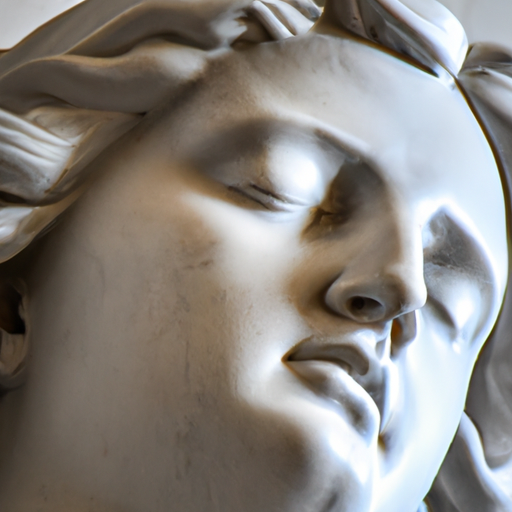
Example of visual style of Bernini

Bernini

Bernini is a Baroque style of visual art that emerged in the 17th century. It is named after the Italian artist Gian Lorenzo Bernini, who was a prominent figure of this style. Bernini is famous for his elaborate and dynamic sculptures that depict intense emotion and movement. He revolutionized the field of sculpture by creating lifelike and dramatic compositions. His works often featured intricate details and a sense of theatricality, capturing the viewer's attention. Bernini's mastery of marble and ability to convey expressions and gestures with great realism made him one of the most renowned artists of his time.

View StyleExplore Style
Example of visual style of Freddie Mercury

Freddie Mercury

The visual style of Freddie Mercury, the iconic lead vocalist of the rock band Queen, was flamboyant, theatrical, and avant-garde. He rose to fame in the 1970s and 1980s, becoming one of the most influential and beloved figures in rock music history. Freddie Mercury's style was characterized by his extravagant stage outfits, including tight-fitting bodysuits, colorful and elaborate costumes, and stunning accessories such as capes and crowns. Known for his high-energy performances, Mercury's stage presence was captivating, and his fashion choices played a significant role in his legendary status.

View StyleExplore Style
Example of visual style of Gian Lorenzo Bernini

Gian Lorenzo Bernini

Gian Lorenzo Bernini was an Italian artist and architect who lived in the 17th century. He is known for his Baroque style, characterized by dramatic and emotional compositions. Bernini's sculptures are famous for their realistic details and dynamic poses, capturing intense expressions and movement. His works have a sense of theatricality, commanding attention and engaging the viewer. Bernini's skill in portraying human emotions and his innovative use of light and shadow made him one of the most influential artists of the Baroque period.

View StyleExplore Style
Example of visual style of Glam Rock

Glam Rock

Glam Rock, also known as Glitter Rock, emerged in the early 1970s and reached its peak popularity in the mid-1970s. It is characterized by its extravagant and flamboyant aesthetic, combining elements of extravagant fashion, androgyny, theatrical makeup, and glitter. Glam Rock artists such as David Bowie, T. Rex, and Queen became famous for their theatrical performances and provocative fashion choices, which broke the boundaries of gender norms. With its emphasis on individualism, self-expression, and rebellion, Glam Rock became an iconic style in the music and fashion industries.

View StyleExplore Style
Example of visual style of John Galliano

John Galliano

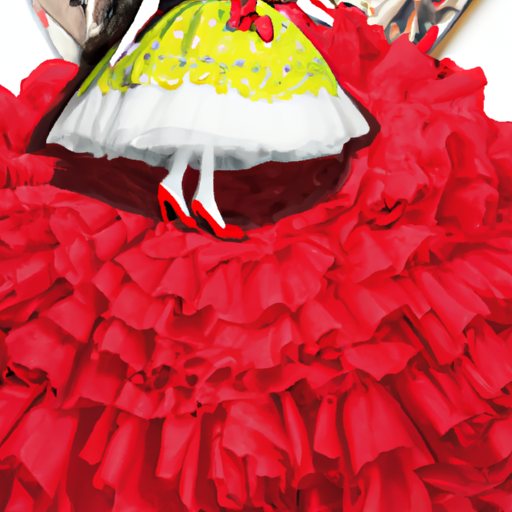
John Galliano is a fashion designer known for his avant-garde and theatrical visual style. He rose to prominence in the 1980s and became famous for his extravagant and imaginative designs. Galliano's visual style combines historical references, bold colors, and intricate details, creating a unique and iconic aesthetic. He is famous for his work at Givenchy and later at Christian Dior, where he revitalized the fashion house with his innovative designs. Galliano's style is characterized by a fusion of different cultures, mixing elements from various time periods and creating visually stunning and dramatic collections.

View StyleExplore Style
Example of visual style of Oscar Wilde

Oscar Wilde

The Oscar Wilde style is a visual style inspired by the aesthetics of the late 19th-century English writer and poet, Oscar Wilde. It gained popularity in the late Victorian era, particularly during the 1880s and 1890s. This style is known for its luxurious, opulent, and flamboyant characteristics, as well as its emphasis on decadence, ornamentation, and sophistication. It is reminiscent of the Victorian era and the Aesthetic Movement that Wilde was associated with in his time. The Oscar Wilde style became famous for its rich and colorful palettes, intricate patterns, lavish textiles, and ornate details, which were often combined with a sense of wit and theatricality.

View StyleExplore Style
Home