StylopediaStylopedia

Texture styles on Stylopedia

A visual encyclopedia of texture styles – use as prompt inspiration for Midjourney, Gemini, or ChatGPT AI when making texture images

Example of visual style of Abstract Art

Abstract Art

Abstract Art is a modern art style that emerged in the early 20th century and gained popularity in the early 1910s. It is characterized by a departure from realistic representation and a focus on the expression of ideas and emotions through non-representational forms and colors. Notable for its emphasis on shapes, lines, colors, and textures, Abstract Art sought to convey an artist's subjective perspective rather than depict objective reality. This style challenged traditional notions of art and opened up new avenues for experimentation, inspiring artists to explore the boundaries of creativity.

View StyleExplore Style
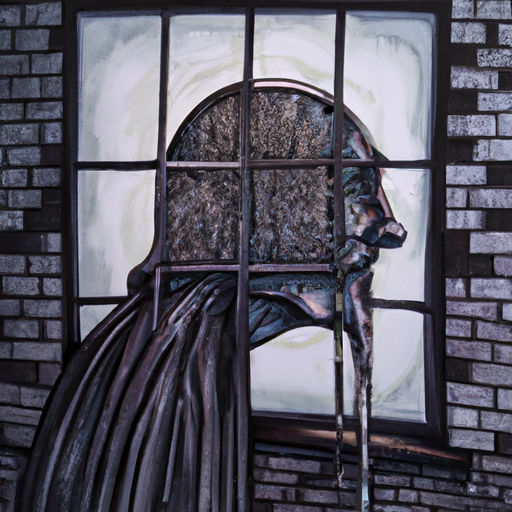
Example of visual style of Ashley Wood

Ashley Wood

The Ashley Wood visual style is characterized by its distinctive blend of digital and traditional art techniques, often combining highly detailed and realistic elements with loose, gestural brushwork. Wood gained fame in the early 2000s through his work in the comics industry, especially his series 'Spawn' and 'Metal Gear Solid'. His unique style, defined by its use of vibrant colors, intense lighting, and an emphasis on texture, has influenced many contemporary artists.

View StyleExplore Style
Example of visual style of Colleen Atwood

Colleen Atwood

Colleen Atwood is known for her visually stunning and intricately detailed costume designs in film. With a career spanning several decades, she rose to prominence in the 1990s and 2000s as a powerhouse in the industry. Atwood's style showcases a masterful blend of historical accuracy, fantasy, and contemporary elements, creating costumes that not only enhance character development but also become iconic in their own right. Her attention to detail, creative use of color and texture, and ability to capture the essence of different time periods and fictional worlds have made her a highly sought-after costume designer.

View StyleExplore Style
Example of visual style of Irving Penn

Irving Penn

Irving Penn was an American photographer known for his minimalist and elegant style. He rose to prominence in the mid-20th century, particularly in the 1950s, through his work for Vogue magazine. Penn's style was characterized by his exceptional attention to detail and his ability to capture the essence of his subjects. He used simple backgrounds and experimented with lighting techniques, creating striking images that emphasized form, texture, and composition. His iconic photographs, such as his portraits of cultural figures and his fashion spreads, became famous for their timeless and artistic quality.

View StyleExplore Style
Example of visual style of Jasper Johns

Jasper Johns

Jasper Johns is an American artist known for his pioneering work in Pop Art and Neo-Dadaism. His visual style emerged in the 1950s and became widely recognized in the 1960s. Johns is famous for his use of familiar and iconic images, such as flags, targets, and numbers, imbued with personal and symbolic meaning. He often employed techniques like stenciling, collage, and encaustic, creating textured surfaces that added depth to his paintings. Johns aimed to challenge the distinction between fine art and everyday objects, questioning the concept of originality and the role of the artist. His bold and vibrant works have had a lasting impact on the art world.

View StyleExplore Style
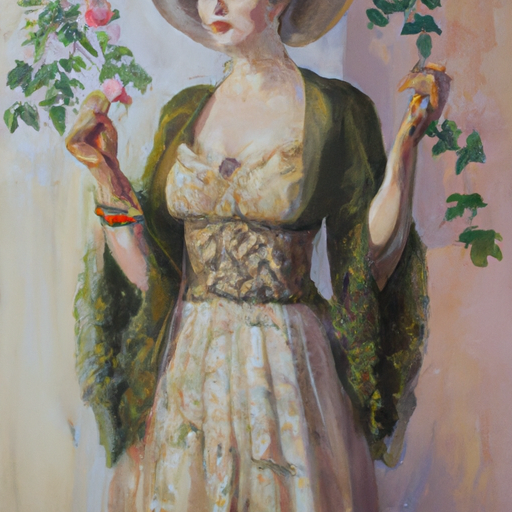
Example of visual style of Jean Baptiste Simeon Chardin

Jean Baptiste Simeon Chardin

Jean Baptiste Simeon Chardin was a French painter known for his domestic still lifes and genre scenes. Active during the 18th century, Chardin's style was characterized by his remarkable attention to detail and the naturalism in his depiction of everyday objects. He gained renown for his ability to capture the luminosity and texture of different materials, particularly in his still life paintings of fruit, kitchen utensils, and household items. Chardin's works became famous for their subtle color palette, delicate brushwork, and the sense of quiet contemplation they evoked. His exceptional craftsmanship and ability to elevate seemingly ordinary subjects made him one of the most celebrated still life painters of his time.

View StyleExplore Style
Example of visual style of Klaus Janson

Klaus Janson

Klaus Janson is a comic book artist and inker who became famous for his work in the 1980s. Known for his gritty, dynamic and highly detailed style, Janson's art has a strong emphasis on shadow and texture. He gained recognition through his collaboration with writer and artist Frank Miller on the influential Batman graphic novel 'The Dark Knight Returns'. Janson's artistic style helped to redefine the modern superhero genre, with his bold linework and atmospheric rendering techniques.

View StyleExplore Style
Example of visual style of Renoir

Renoir

Renoir was a style of painting developed by French artist Pierre-Auguste Renoir in the late 19th and early 20th centuries. It is characterized by its vibrant colors, loose brushstrokes, and a focus on capturing the fleeting moments of everyday life. Renoir was famous for his use of light and texture in his paintings, which gave them a soft and dreamlike quality. This style gained popularity during the Impressionist movement and has since become synonymous with Renoir's name.

View StyleExplore Style
Example of visual style of Serge Lutens

Serge Lutens

Serge Lutens is a visual style known for its avant-garde and mystical aesthetic. Emerging in the late 1960s, it gained popularity in the fashion and beauty industry. Lutens, a renowned makeup artist and photographer, introduced innovative techniques and concepts that revolutionized the field. His work focused on creating ethereal and mysterious looks, often blending elements of fantasy and reality. Through the use of color, light, and texture, Lutens created an otherworldly atmosphere in his visuals. His style became famous for pushing boundaries and redefining conventional beauty standards.

View StyleExplore Style
Example of visual style of Thomas Lawrence

Thomas Lawrence

Thomas Lawrence was an English painter who lived from 1769 to 1830. He was primarily known for his flattering and elegant portraits that captured the essence of Regency-era England. Lawrence's style became famous for its refined and polished finish, marked by a delicate color palette, meticulous attention to detail, and skillful rendering of texture. His ability to capture the likeness of his subjects with a flattering and idealized approach made him sought after by the elite and influential figures of his time.

View StyleExplore Style
Example of visual style of Yves Klein

Yves Klein

Yves Klein is a style developed by the French artist Yves Klein in the late 1950s. It is known for its minimalist aesthetic and innovative use of a vibrant shade of blue called International Klein Blue (IKB). Klein's style became famous for its emphasis on pure color and texture, as well as its exploration of the immaterial and the void. He often used unconventional materials and techniques in his artworks, such as using human models as living paintbrushes or creating monochromatic canvases. Klein's style influenced the development of later art movements, including minimalism and conceptual art.

View StyleExplore Style
Home