
StylopediaStylopedia

Terror styles on Stylopedia

A visual encyclopedia of terror styles – use as prompt inspiration for Midjourney, Gemini, or ChatGPT AI when making terror images

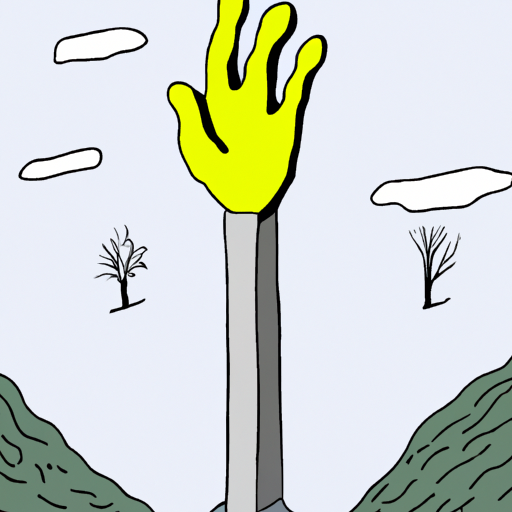
Example of visual style of Horror Fiction

Horror Fiction

Horror Fiction is a visual style that aims to depict fear, terror, and the supernatural in a captivating and unsettling manner. It gained popularity in the late 18th century with the emergence of Gothic literature, with influential works like Mary Shelley's 'Frankenstein' and Bram Stoker's 'Dracula'. This style became particularly famous during the 20th century with the rise of horror movies and iconic authors such as H.P. Lovecraft and Stephen King. Horror Fiction often employs dark and intense color palettes, dramatic lighting, grotesque and macabre imagery, and eerie atmospheres to evoke feelings of suspense and horror.

View StyleExplore Style
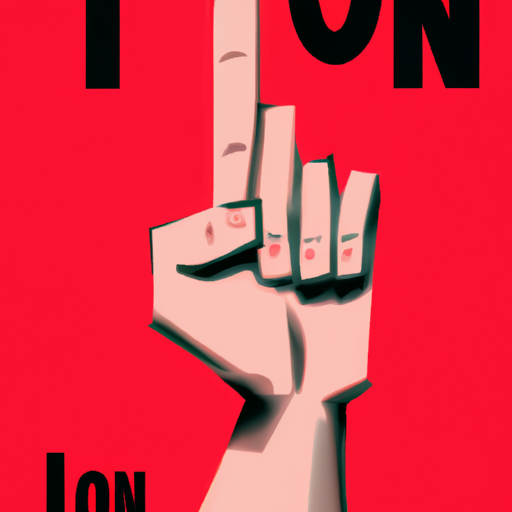
Example of visual style of Horror Film

Horror Film

Horror Film is a visual style that is characterized by its ability to induce fear, terror, and suspense in its audience. It emerged in the early 20th century and gained prominence in the 1960s and 1970s through films like Psycho (1960) and The Exorcist (1973). Horror films often incorporate elements such as darkness, shadows, distorted visuals, eerie music, and shocking imagery to create a terrifying atmosphere. The use of jump scares, supernatural elements, and psychological horror are common in this style, which became famous for its ability to elicit strong emotional reactions from viewers.

View StyleExplore Style
Example of visual style of Horror Filmmakers

Horror Filmmakers

Horror Filmmakers is a visual style that emerged in the early 20th century and continues to be popular to this day. It is characterized by its ability to create a feeling of fear, darkness, suspense, and terror. Famous horror filmmakers, such as Alfred Hitchcock, Wes Craven, and John Carpenter, contributed to the popularity of this style by creating iconic horror films like Psycho, A Nightmare on Elm Street, and Halloween. The use of eerie lighting, shadows, eerie music, jump scares, and gruesome special effects are some of the key elements that make this style famous.

View StyleExplore Style
Home