StylopediaStylopedia

Tension styles on Stylopedia

A visual encyclopedia of tension styles – use as prompt inspiration for Midjourney, Gemini, or ChatGPT AI when making tension images

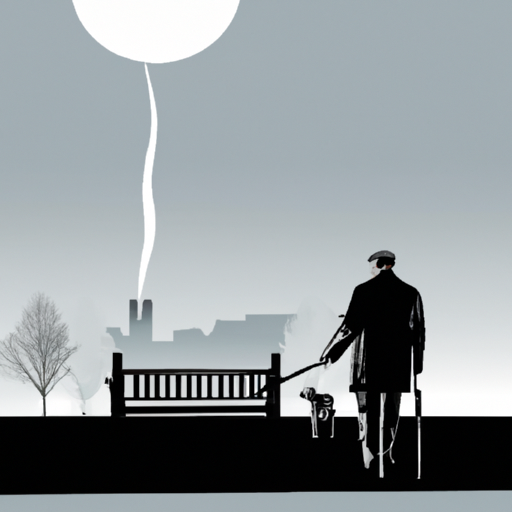
Example of visual style of Alfred Hitchcock

Alfred Hitchcock

Alfred Hitchcock's visual style, prominent from the 1940s to the 1960s, is characterized by tension, suspense, and a meticulously crafted cinematic experience. Hitchcock's mastery of camera angles, framing, and editing techniques revolutionized the thriller genre. His use of long takes, clever perspectives, and innovative camera movements, such as the famous dolly zoom, created a sense of unease and heightened emotions in his audience. Hitchcock was known for his meticulous attention to detail and his ability to create suspenseful narratives through visual storytelling. His innovative techniques and psychological thrillers, such as 'Psycho' and 'Vertigo,' made him a legend in cinema history.

View StyleExplore Style
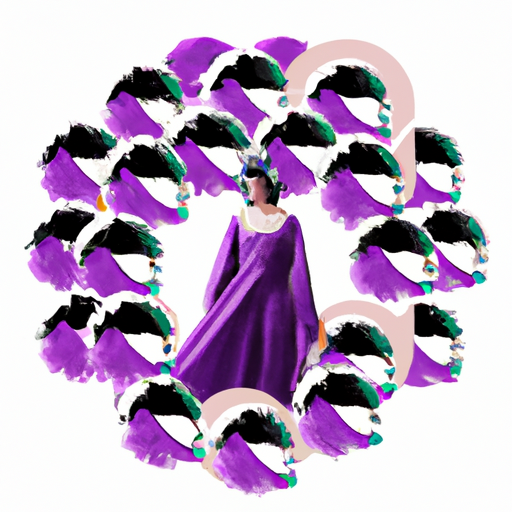
Example of visual style of Darius Khondji

Darius Khondji

Darius Khondji is a French-Iranian cinematographer known for his distinctive visual style characterized by rich and contrasting color palettes, atmospheric lighting, and an organic and textural approach to composition. His unique style became famous in the 1990s with films like 'Se7en' (1995) and 'The City of Lost Children' (1995). Khondji's skillful use of high contrast lighting and manipulation of shadows creates a moody and gritty atmosphere, often enhancing the tension and suspense of the narratives he works on. His expertise in utilizing color temperature to evoke specific moods and emotions further contributes to the visually striking and immersive nature of his work.

View StyleExplore Style
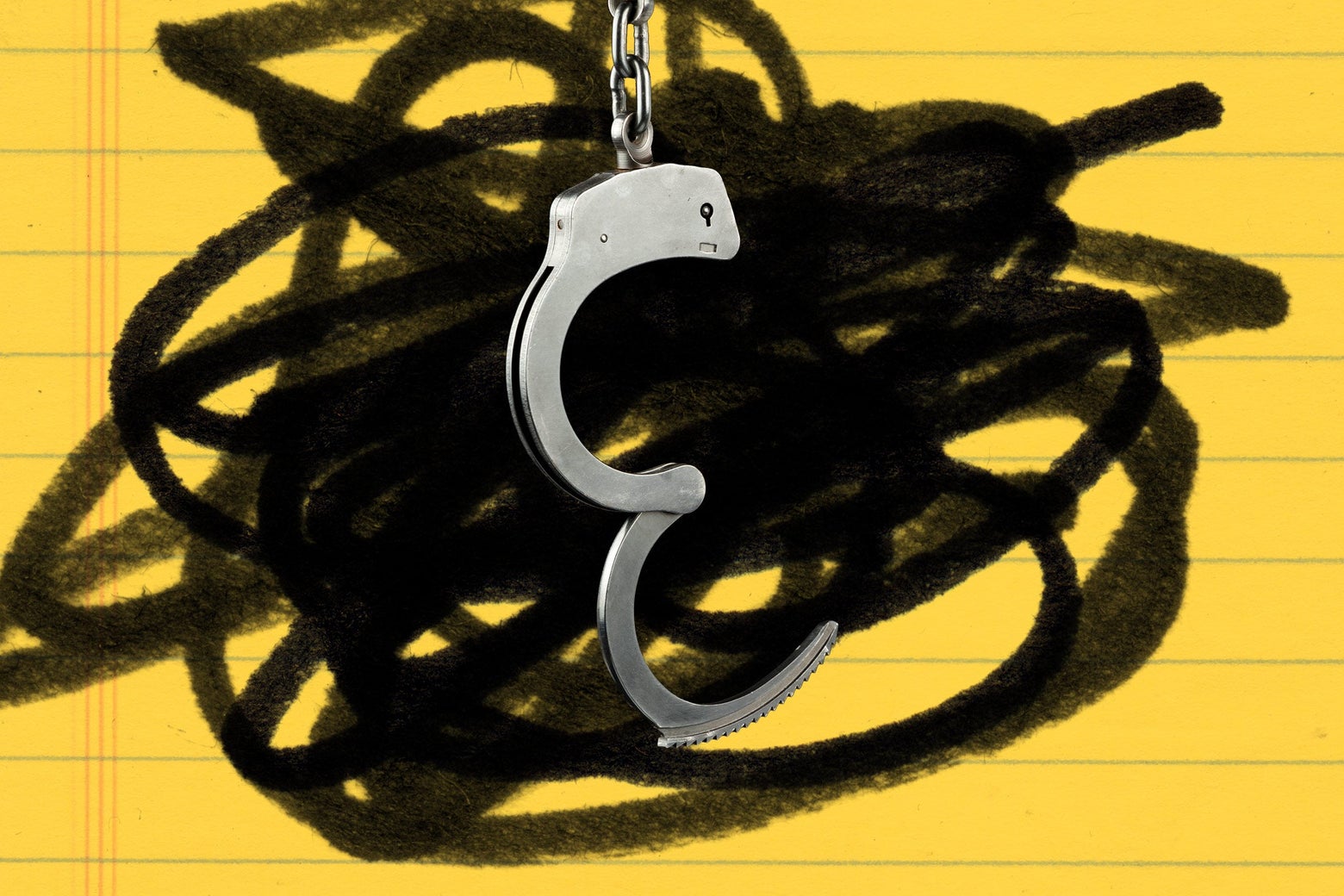
Example of visual style of Hans Zimmer Composer

Hans Zimmer Composer

Hans Zimmer Composer is a visual style associated with the famous composer Hans Zimmer. It emerged in the late 20th century and continues to be influential in the present day. Zimmer's compositions are known for their emotional depth and epic scale, often combining orchestral music with electronic elements. His style has become synonymous with blockbuster films, particularly in genres like action and superhero movies. Zimmer's use of repetitive motifs, driving rhythms, and powerful crescendos creates a sense of intensity and tension, perfectly complementing the on-screen action.

View StyleExplore Style
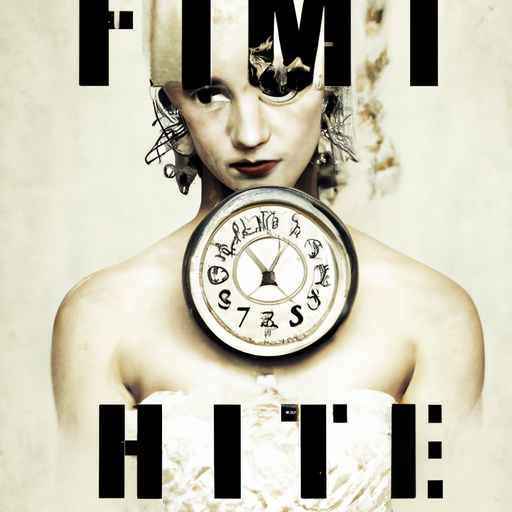
Example of visual style of Jean Pierre Melville

Jean Pierre Melville

The visual style of Jean Pierre Melville is characterized by minimalist and atmospheric cinematography, understated performances, and a focus on crime and noir themes. Melville's films, predominantly made in the 1960s, are known for their precise and elegant compositions, with a muted color palette and stark lighting. His use of long takes and a meticulous attention to detail created a sense of suspense and tension. Jean Pierre Melville is particularly famous for his films 'Le Samouraï' (1967) and 'Le Cercle Rouge' (1970), which epitomize his signature style.

View StyleExplore Style
Example of visual style of Kathryn Bigelow

Kathryn Bigelow

Kathryn Bigelow's visual style is characterized by gritty realism, visceral action sequences, and intense storytelling. Her films often explore themes of conflict, violence, and power dynamics. Bigelow gained prominence in the 1980s and 1990s with films like 'Blue Steel' (1989) and 'Point Break' (1991), which showcased her knack for adrenaline-pumping narratives and stylish visuals. She achieved widespread fame with 'The Hurt Locker' in 2008, a critically acclaimed war drama that won her the Oscar for Best Director, making her the first female director to receive the prestigious award. Bigelow's groundbreaking success continued with 'Zero Dark Thirty' (2012), further solidifying her reputation as a master of suspense and tension in cinema.

View StyleExplore Style
Example of visual style of Martin Scorsese

Martin Scorsese

The visual style of Martin Scorsese is characterized by its gritty realism, intense subject matter, and strong use of color. Scorsese rose to fame in the 1970s with films such as 'Taxi Driver' and 'Raging Bull', which depicted the seedy underbelly of society and explored themes of violence, corruption, and redemption. His use of vibrant colors and dynamic camera movements create a palpable sense of tension and unease, immersing the audience in the raw emotions of his characters. Scorsese's style became famous for its unconventional storytelling techniques, such as voice-over narration and rapid editing. This visual style has continued to evolve over the years, with Scorsese exploring different genres and periods, yet maintaining his signature intensity and visual flair.

View StyleExplore Style
Example of visual style of Night Of The Living Dead

Night Of The Living Dead

Night Of The Living Dead is a visual style that emerged in the late 1960s and early 1970s, particularly popularized by the influential horror film of the same name directed by George A. Romero in 1968. This style is characterized by its gritty and low-budget aesthetic, featuring stark black and white cinematography, realistic or documentary-like camera work, and a focus on tension, suspense, and gore. The film's groundbreaking use of zombies and the apocalyptic narrative has made Night Of The Living Dead a seminal work in the genre, establishing many of the tropes and conventions still seen in modern zombie films today.

View StyleExplore Style
Example of visual style of Steven Klein

Steven Klein

Steven Klein is known for his provocative, edgy and dark visual style. Emerging in the 1990s, his work often features high contrast, stark lighting, and a sense of tension. Klein gained fame for his controversial and boundary-pushing fashion editorials and celebrity portraits. He has collaborated with many top fashion magazines and brands, such as Vogue, Gucci, and Calvin Klein, and has worked with numerous iconic figures in the entertainment industry. Klein's distinct and daring approach to photography has made him one of the most influential and sought-after photographers of his generation.

View StyleExplore Style
Example of visual style of Suspiria

Suspiria

Suspiria is a visually stunning and intense horror film directed by Dario Argento and released in 1977. It gained fame for its unique and vibrant visual style, which combined bright and saturated colors, dynamic lighting, and elaborate set design. The film's use of vivid reds, blues, and greens created a surreal and dreamlike atmosphere, heightening the tension and horror of the narrative. The emphasis on color and aesthetic stylization sets Suspiria apart from traditional horror films of its time, making it a cult classic.

View StyleExplore Style
Home