StylopediaStylopedia

Technology styles on Stylopedia

A visual encyclopedia of technology styles – use as prompt inspiration for Midjourney, Gemini, or ChatGPT AI when making technology images

Example of visual style of Aerospace Art

Aerospace Art

Aerospace Art is a visual style that emerged in the mid-20th century and continues to thrive today. It is a genre that showcases artistic interpretations of various aspects of aviation, aerospace technology, and space exploration. With its emphasis on capturing the spirit of flight and the awe-inspiring nature of outer space, Aerospace Art has gained popularity for its ability to combine technical accuracy with artistic expression. This style became famous during the mid-20th century as space exploration captured the imagination of the world, and artists began to depict futuristic spacecraft and celestial landscapes. It continues to be important today as it celebrates humanity's fascination with the skies and beyond.

View StyleExplore Style
Example of visual style of Aldous Huxley

Aldous Huxley

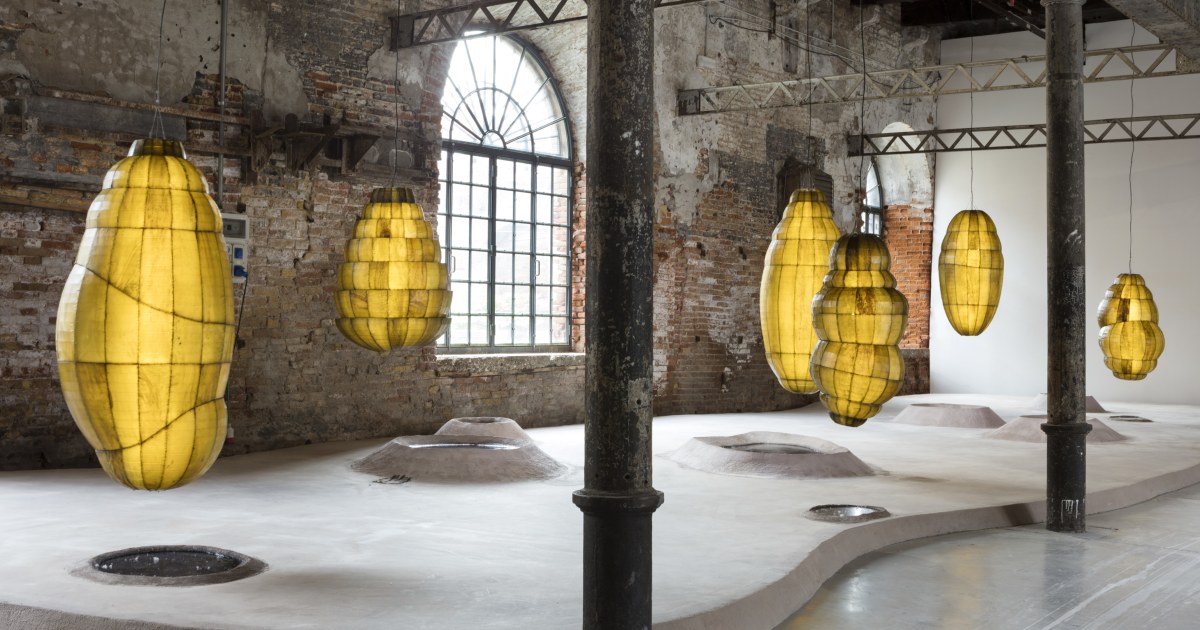
The Aldous Huxley visual style represents a blend of dystopian themes, surrealistic elements, and intellectual perspectives prevalent during the early to mid-20th century. Inspired by Aldous Huxley's literary works, such as Brave New World, this style emerged as a reflection of the author's exploration of societal and technological advancements. It gained prominence in the 1930s and remains influential today for its critique of scientific progress, societal control, and the human condition.

View StyleExplore Style
Example of visual style of Alex McDowell

Alex McDowell

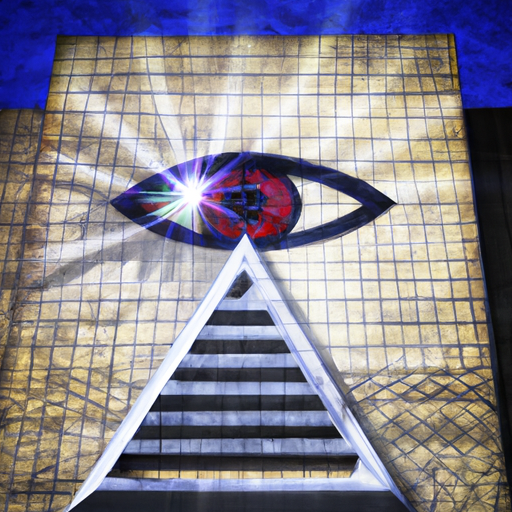
The visual style of Alex McDowell is futuristic and immersive, blending architecture, technology, and storytelling in a seamless way. McDowell became famous for his groundbreaking work as a production designer in the late 1990s and early 2000s, bringing his unique visions to life in films like 'Fight Club' (1999), 'Minority Report' (2002), and 'The Terminal' (2004). His use of intricate set designs, innovative use of digital technologies, and meticulous attention to detail created visually stunning and fully realized worlds, transporting audiences into the future.

View StyleExplore Style
Example of visual style of Archigram

Archigram

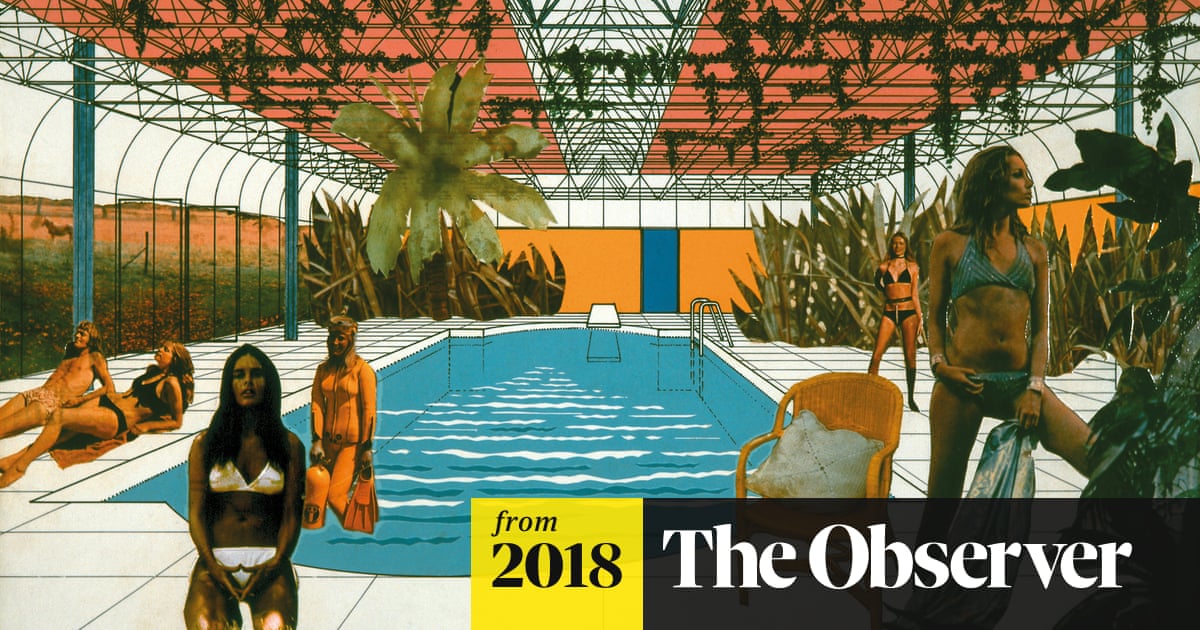
Archigram is an avant-garde architectural design collective that was active during the 1960s. Known for their imaginative and futuristic proposals, Archigram pushed the boundaries of traditional architecture and embraced technology, pop culture, and science fiction influences. The group gained fame for their iconic projects such as the Walking City and Plug-in City, which envisioned mobile and adaptable environments that could be disassembled and reconfigured. Archigram's style captured the spirit of the '60s counterculture and embraced the emerging digital age, making them pioneers in the field of speculative and conceptual architecture.

View StyleExplore Style
Example of visual style of Art And Technology

Art And Technology

Art And Technology is a visual style that emerged in the 1960s and became famous for its fusion of artistic expression with technological advancements. It encompasses art forms that incorporate electronic media, computer technology, and other technological advancements as integral components of the artwork. The style gained prominence during the 1960s and 1970s as artists began exploring the possibilities of using technology in their artistic processes and creations.

View StyleExplore Style
Example of visual style of Black Mirror

Black Mirror

Black Mirror is a futuristic and dystopian visual style that gained popularity in the 2010s. It is known for its dark, thought-provoking themes that highlight the potential dangers of technology and its impact on society. The style often depicts a near-future world where advanced technology is intertwined with everyday life, exploring the consequences and ethical dilemmas that arise. It became famous for its unique storytelling format and its ability to reflect contemporary issues through a sci-fi lens.

View StyleExplore Style
Example of visual style of Chris Cunningham

Chris Cunningham

Chris Cunningham is a British visual artist and director known for his innovative and often controversial work in music videos and commercials. He gained fame in the late 1990s and early 2000s for his dark and provocative style, combining unsettling imagery with cutting-edge visual effects. His work often explores themes of technology, cyborgs, and human transformation. Some of his most famous works include the music videos for the songs 'Come to Daddy' by Aphex Twin and 'All is Full of Love' by Björk. Cunningham's unique visual style and boundary-pushing approach to storytelling have made him a highly influential figure in the world of visual arts.

View StyleExplore Style
Example of visual style of Contemporary Digital Art

Contemporary Digital Art

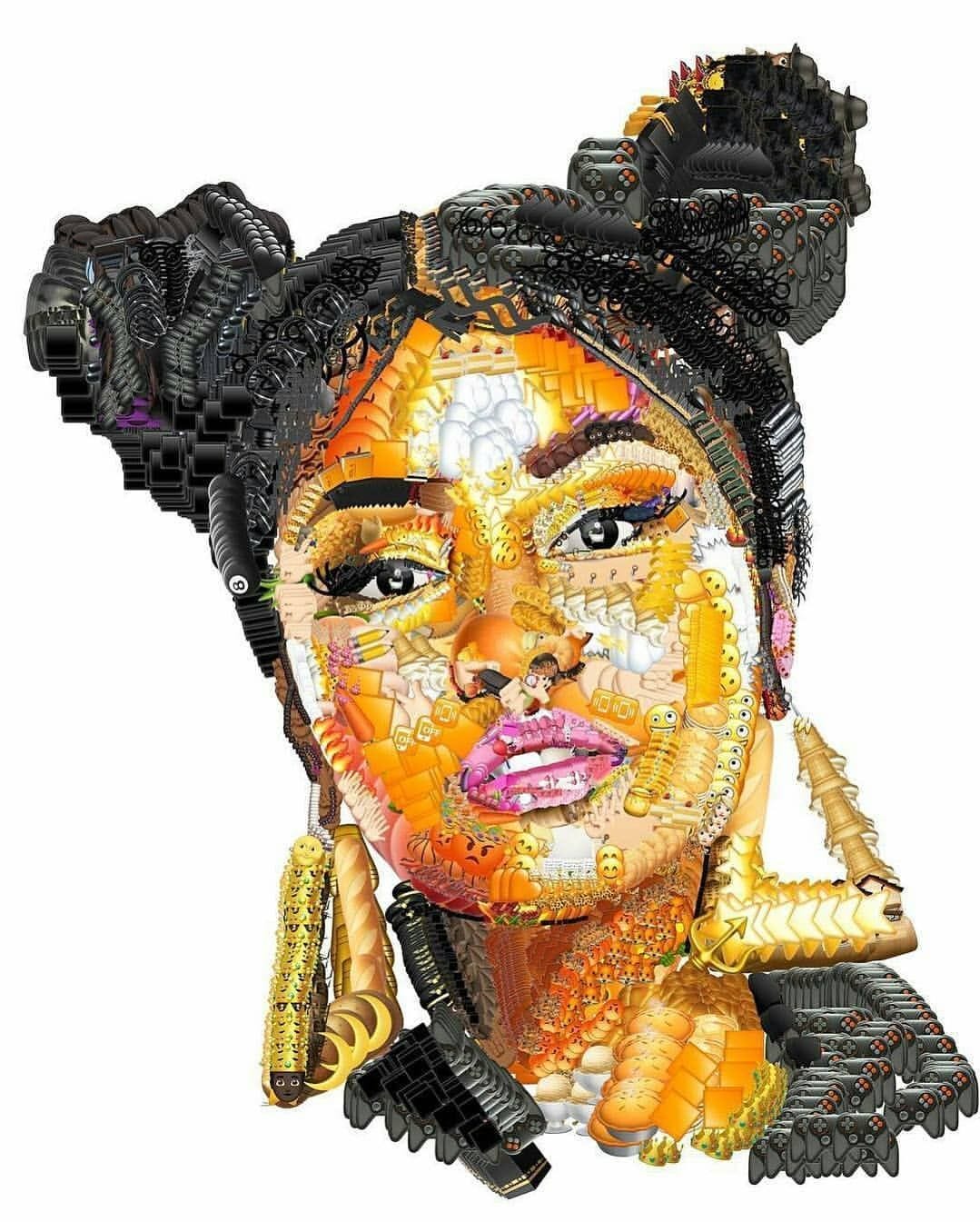
Contemporary Digital Art is a style of art that emerged in the late 20th century and continues to thrive in the digital age. It is characterized by the use of digital technology, such as computers, software, and digital media, to create and manipulate visual art. This style gained prominence in the 1990s with the increasing accessibility of digital tools and the rise of the internet. It is famous for its innovative and boundary-pushing approach to art, often combining traditional artistic techniques with digital elements to create visually stunning and conceptually thought-provoking works.

View StyleExplore Style
Example of visual style of Cyberpunk Genre

Cyberpunk Genre

Cyberpunk Genre is a futuristic visual style that emerged in the 1980s and gained popularity in the 1990s. It is characterized by its dystopian and high-tech atmosphere, blending elements of science fiction, technology, and urban decay. With a focus on advanced technologies, artificial intelligence, and the effects of globalization, Cyberpunk Genre explores themes of oppression, corrupt governments, and the interaction between humans and computer systems. Its iconic aesthetic includes neon lights, rain-soaked urban landscapes, towering skyscrapers, cybernetic body modifications, and a sense of digital urban chaos. Cyberpunk gained fame through literature such as William Gibson's 'Neuromancer' and films like 'Blade Runner', which solidified its visual style.

View StyleExplore Style
Example of visual style of David Cronenberg

David Cronenberg

The visual style of David Cronenberg is characterized by its dark and unsettling aesthetics, blending elements of body horror and psychological thriller. Cronenberg's style became famous in the 1980s and 1990s through films such as 'Videodrome' (1983), 'The Fly' (1986), and 'Crash' (1996). His unique ability to depict visceral physical transformations and explore the relationship between the human body and technology gained him a cult following and critical acclaim.

View StyleExplore Style
Example of visual style of Digital Media

Digital Media

Digital Media is a visual style that emerged in the late 20th century and continues to develop in the 21st century. It is characterized by the use of digital technology and computer-generated imagery to create and manipulate visual content. This style became famous with the advent of personal computers and the internet, which allowed artists, designers, and creators to explore new possibilities in visual expression. It gained prominence in the 1990s and is now widely used in various fields, including graphic design, advertising, film, animation, and video games.

View StyleExplore Style

Example of visual style of Filippo Tommaso Marinetti

Filippo Tommaso Marinetti

Filippo Tommaso Marinetti was an Italian poet, artist, and founder of the Futurist movement. The Futurist style emerged in the early 20th century, particularly between 1909 and 1916. Marinetti believed in the rejection of the past and the celebration of modernity, speed, technology, and industrialization. With a focus on dynamism, movement, and energy, Marinetti's style sought to capture the fast-paced nature of the modern world. He expressed his ideas through various mediums, including painting, sculpture, literature, music, and performance. His passionate manifesto, 'The Futurist Manifesto' published in 1909, gained significant attention and marked the beginning of the movement, making him and his style famous.

View StyleExplore Style
Example of visual style of Francesco Pratella

Francesco Pratella

Francesco Pratella is an Italian visual artist known for his avant-garde and futuristic style during the early 20th century. Born in 1880, Pratella's work became famous during the years 1909-1914. He was a prominent figure in the Italian Futurism movement, which aimed to capture the energy, speed, and dynamism of modern life through art and literature. Pratella's style was characterized by vibrant colors, geometric shapes, and a sense of movement. He often depicted industrial landscapes, urban scenes, and machinery, emphasizing the rapid changes brought by technology. Pratella's bold and innovative approach to art made a lasting impact on the Futurist movement and influenced many future artists.

View StyleExplore Style

Example of visual style of Friedrich Kittler

Friedrich Kittler

Friedrich Kittler was a media theory pioneer who analyzed the impact of technology on culture. Active during the late 20th century, his work focused on the intersection of media, communication, and literature. He is famous for his concept of 'media determinism,' which posits that technology shapes and determines our perception of reality. Kittler's visual style is characterized by a critical and analytical approach, often relying on data and empirical evidence. His work popularized the study of media archaeology, and his insights continue to influence contemporary media theory and art.

View StyleExplore Style
Example of visual style of Futura 2000

Futura 2000

Futura 2000 is a distinctive visual style that emerged in the 1980s and gained popularity in the graffiti and street art scene. It is characterized by futuristic and abstract designs influenced by technology, space, and science fiction. Known for its bold and vibrant colors, sharp angles, and geometric shapes, Futura 2000 became famous for its combination of graffiti lettering and abstract forms. This style broke traditional graffiti conventions and pushed the boundaries of what was considered street art, making it a significant movement in the art world and urban culture.

View StyleExplore Style
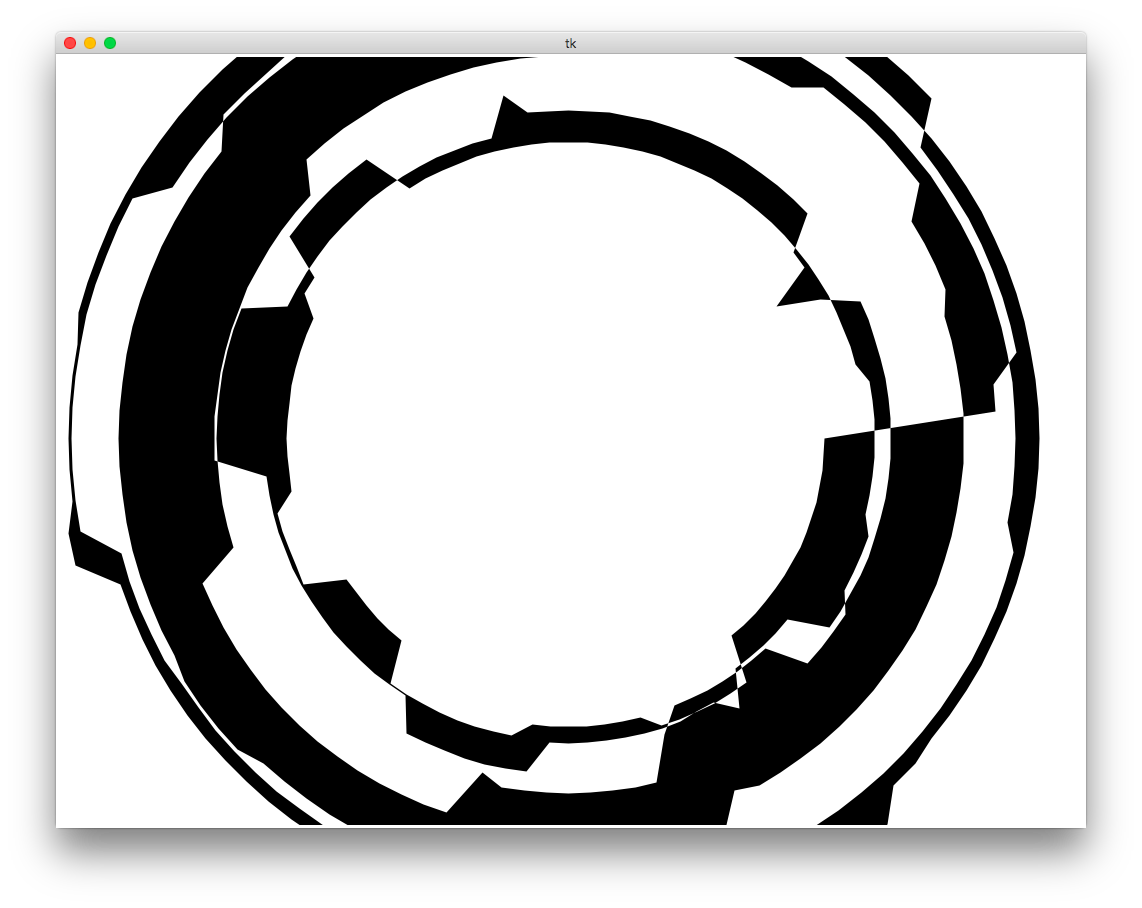
Example of visual style of Futurism

Futurism

Futurism was an artistic and social movement that originated in Italy in the early 20th century, particularly emphasizing speed, technology, youth, and violence. It emerged as a response to the rapid growth in industrialization and scientific advancements of the time. Futurism glorified modernity, dynamism, and the machine age, reflecting a fascination with the future and a rejection of traditional artistic and social conventions. Notable years for Futurism were 1909-1914, with its peak in popularity around 1910. This style was made famous by artists such as Umberto Boccioni, Giacomo Balla, and Gino Severini.

View StyleExplore Style

Example of visual style of Futurism Movement

Futurism Movement

Futurism was an artistic and social movement that emerged in Italy in the early 20th century. It was founded by the poet Filippo Tommaso Marinetti in 1909. Futurism celebrated modernity, technology, and the dynamism of the modern world. It aimed to capture the energy and speed of the fast-paced urban life that was prevalent during the industrial revolution. The movement was famous for its emphasis on movement, speed, and the portrayal of the mechanical and industrial aspects of society. It rejected traditional artistic forms and embraced new materials and techniques. Futurism reached its peak in popularity during the years 1909-1914.

View StyleExplore Style

Example of visual style of Futurist Neo Metropolis

Futurist Neo Metropolis

Futurist Neo Metropolis is a visual style that emerged in the early 20th century, specifically between 1909 and 1944. It was made famous by artists and designers who envisioned a futuristic and utopian urban environment. This style is characterized by its dynamic and geometric shapes, streamlined architecture, bold and vibrant colors, and the integration of technology and machinery into everyday life. Futurist Neo Metropolis emphasizes progress, speed, and the idea of a highly advanced and efficient cityscape.

View StyleExplore Style
Example of visual style of Gaming Industry

Gaming Industry

The Gaming Industry visual style is a dynamic and immersive style that emerged in the late 20th century and continues to evolve today. It gained popularity with the rise of video games and has become synonymous with cutting-edge technology, interactive experiences, and stunning graphics. This style is characterized by its use of vibrant colors, futuristic elements, captivating animations, and realistic 3D models. The Gaming Industry visual style has revolutionized the entertainment industry, influencing various media forms and attracting a vast global audience.

View StyleExplore Style
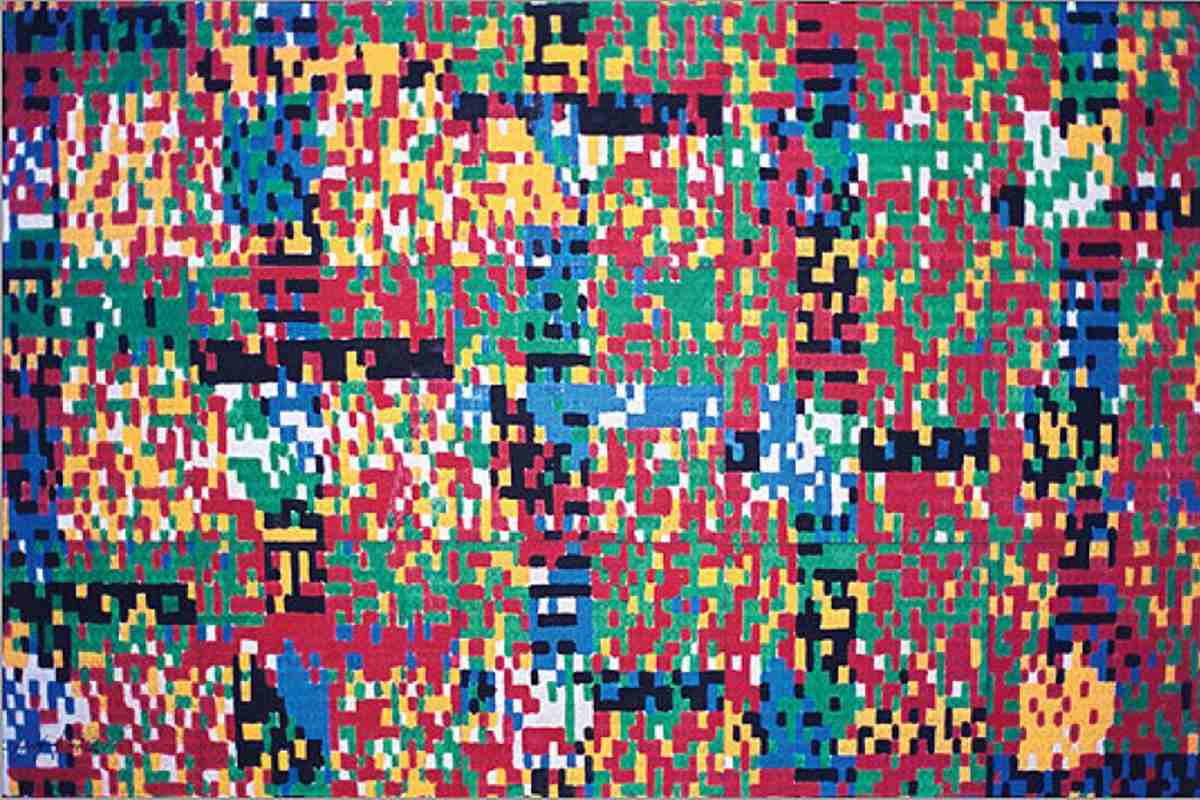
Example of visual style of Georg Nees

Georg Nees

Georg Nees was a German artist and mathematician who is considered one of the pioneers of computer-generated art. He is best known for his works created during the 1960s and 1970s, which earned him fame as a leading figure in the field of algorithmic art. Nees's art was characterized by a minimalist aesthetic, precision, and the use of simple geometric shapes. He explored the potential of computers to create art and developed various algorithms and computer programs to generate unique visual compositions. Nees's work became famous for its innovative approach to art-making and its integration of mathematics and technology.

View StyleExplore Style
Example of visual style of Ghost In The Shell

Ghost In The Shell

Ghost In The Shell is a cyberpunk visual style that originated in Japanese manga and anime in the late 1980s. It became famous for its fusion of futuristic technology, dystopian settings, and philosophical themes. The style gained wider recognition with the release of the animated film of the same name in 1995, directed by Mamoru Oshii. The combination of detailed cityscapes, cybernetic enhancements, and introspective storytelling has made Ghost In The Shell an influential and iconic style in science fiction.

View StyleExplore Style
Home