StylopediaStylopedia

Technological styles on Stylopedia

A visual encyclopedia of technological styles – use as prompt inspiration for Midjourney, Gemini, or ChatGPT AI when making technological images

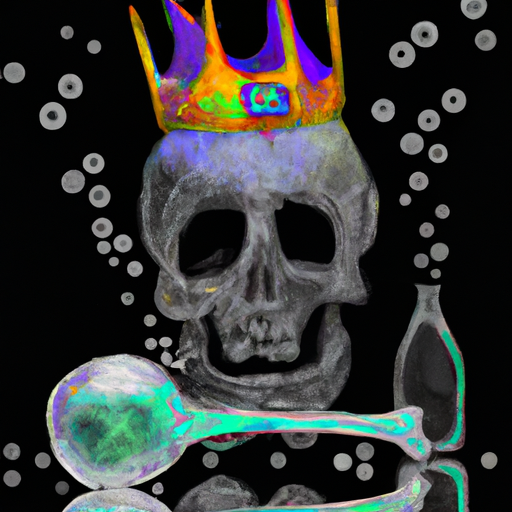
Example of visual style of Craniodsgn

Craniodsgn

Craniodsgn is a highly abstract and futuristic visual style that emerged in the early 2000s. This style gained popularity for its avant-garde and unique designs, blending elements of geometric shapes, vibrant colors, and digital effects. The use of intricate patterns and fragmented compositions characterizes Craniodsgn. It is influenced by various art movements such as Op Art and Cubism. Craniodsgn became famous due to its association with digital art and its representation of the rapidly advancing technological era.

View StyleExplore Style
Example of visual style of Digital Art

Digital Art

Digital Art is a visual style that emerged in the late 20th century with the widespread use of computers and digital technologies in artistic creation. It encompasses various forms of art that are created or manipulated using digital tools and techniques. Digital Art gained significant recognition in the 1980s with the rise of computer graphics and imaging software, which allowed artists to generate, modify, and transform images in ways previously unachievable. This style became famous for its ability to seamlessly blend different mediums, such as photography, painting, and sculpture, and to explore new aesthetic possibilities through the digital medium.

View StyleExplore Style
Example of visual style of Douglas Engelbart

Douglas Engelbart

The Douglas Engelbart visual style emerged in the 1960s and gained recognition through the groundbreaking work of Douglas Engelbart, an American engineer and inventor. Engelbart's famous contribution was the invention of the computer mouse and the development of the oN-Line System (NLS), a revolutionary computer platform that introduced many concepts still in use today, such as hypertext, windows, and video teleconferencing. The style is characterized by a futuristic and technologically advanced appearance, often featuring sleek lines, metallic accents, and user-friendly interfaces.

View StyleExplore Style
Example of visual style of Neo Futurism

Neo Futurism

Neo Futurism emerged in the late 20th century as a response to the growing advancements in technology and the increasing pace of modern life. This style, popularized in the 1980s and 1990s, combines elements of futurism, minimalism, and postmodernism to create a sleek and futuristic aesthetic. Neo Futurism is characterized by the use of clean lines, geometric shapes, and reflective materials, often incorporating digital elements and advanced technologies. It seeks to convey a sense of progress, innovation, and a vision of the future.

View StyleExplore Style
Example of visual style of Renowned Designer Es Devlin

Renowned Designer Es Devlin

Es Devlin is a multimedia artist and stage designer who has gained worldwide recognition for her innovative and immersive designs in the fields of theater, opera, and live events. Her career took off in the early 2000s when she started collaborating with renowned performing artists such as Kanye West, Beyoncé, and Adele. Devlin's style is characterized by its grandeur, technological sophistication, and ability to seamlessly merge digital and physical elements. By combining cutting-edge technology with a deep understanding of storytelling, she has created iconic stage sets that have captivated audiences across the globe.

View StyleExplore Style
Example of visual style of Science Fiction Films

Science Fiction Films

Science Fiction Films is a visual style characterized by futuristic and technological elements, often set in space or dystopian worlds. It emerged in the early 20th century, gaining popularity in the 1950s and 1960s with iconic films like 'The Day the Earth Stood Still' (1951) and '2001: A Space Odyssey' (1968). These films introduced groundbreaking visual effects, portraying advanced technology, alien worlds, and imaginative landscapes. Science Fiction Films often explore themes of future societies, time travel, extraterrestrial life, and the impact of technology on humanity, captivating audiences with the possibilities and dangers of a technologically advanced future.

View StyleExplore Style
Home