
Ancient Egyptian Culture
Ancient Egyptian Culture dates back to 3150 BC to 30 BC and is characterized by intricate hieroglyphics, vibrant colors, symmetrical designs, and iconic symbols like the Ankh and Eye of Horus.
View StyleExplore Style Stylopedia
A visual encyclopedia of symmetrical designs styles – use as prompt inspiration for Midjourney, Gemini, or ChatGPT AI when making symmetrical designs images
Ancient Egyptian Culture dates back to 3150 BC to 30 BC and is characterized by intricate hieroglyphics, vibrant colors, symmetrical designs, and iconic symbols like the Ankh and Eye of Horus.
View StyleExplore Style
Chateau De Chambord is a French Renaissance architectural style known for its intricate details, symmetrical designs, and large roofline. It was constructed in the early 16th century and is famous for its distinctive French flair.
View StyleExplore Style
Hans Jenny was a Swiss physician known for his work in the field of Cymatics, the study of visible sound and vibration. His visual style involves capturing intricate and symmetrical patterns created by sound waves on different materials.
View StyleExplore Style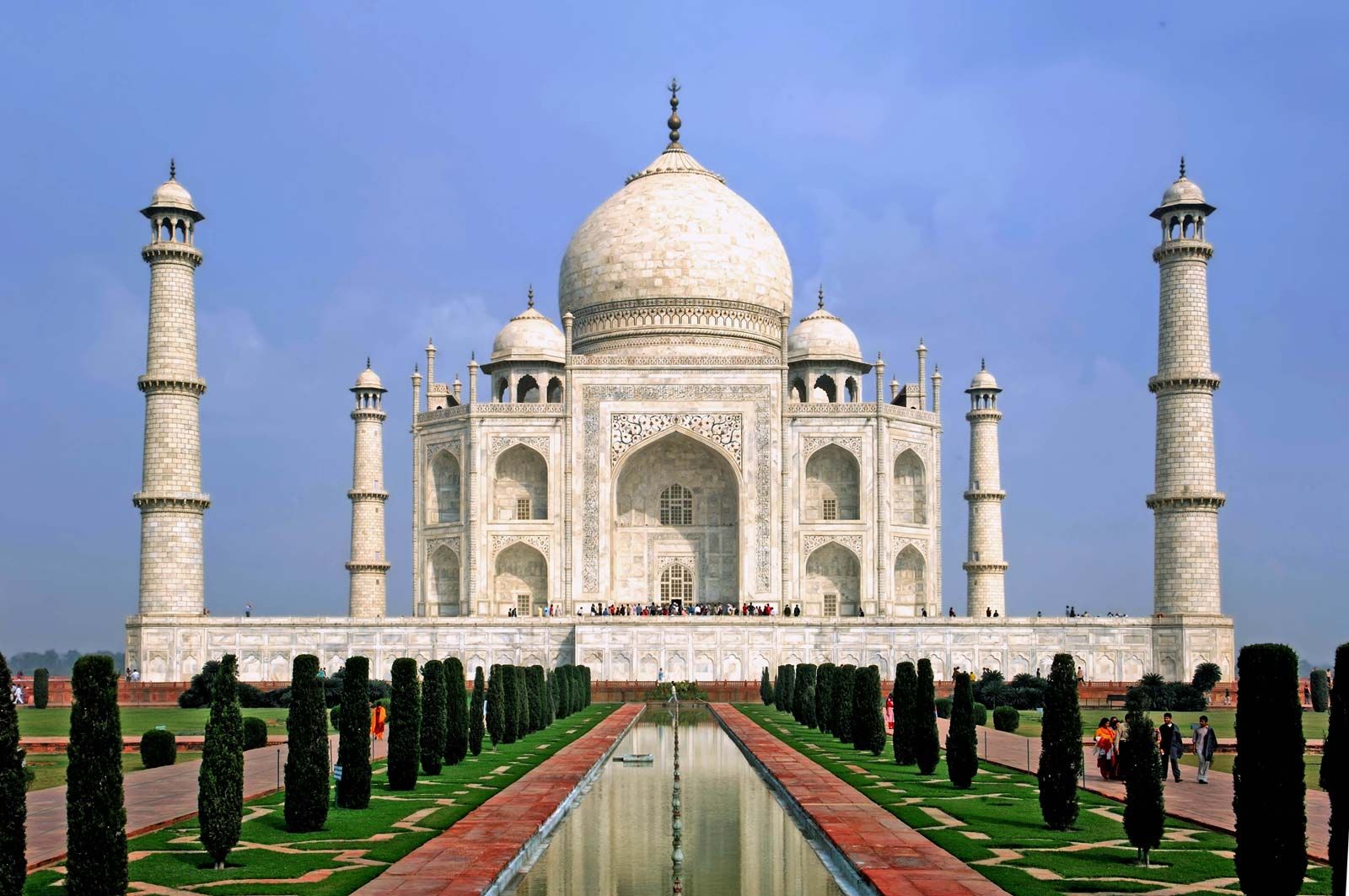
Mumtaz Mahal is a style inspired by the Mughal architecture period in India (1526–1857) characterized by intricate carvings, domes, minarets, and symmetrical designs. It gained popularity during the reign of Emperor Shah Jahan and is famous for the Taj Mahal.
View StyleExplore Style
Shah Jahan style refers to the architectural and decorative visual style characterized by intricate marble inlay work, delicate floral motifs, and symmetrical designs. It was prominent during the Mughal era in India, especially during the reign of Emperor Shah Jahan (1628-1658). The Taj Mahal is a famous example of this style.
View StyleExplore Style