StylopediaStylopedia

Symmetrical styles on Stylopedia

A visual encyclopedia of symmetrical styles – use as prompt inspiration for Midjourney, Gemini, or ChatGPT AI when making symmetrical images

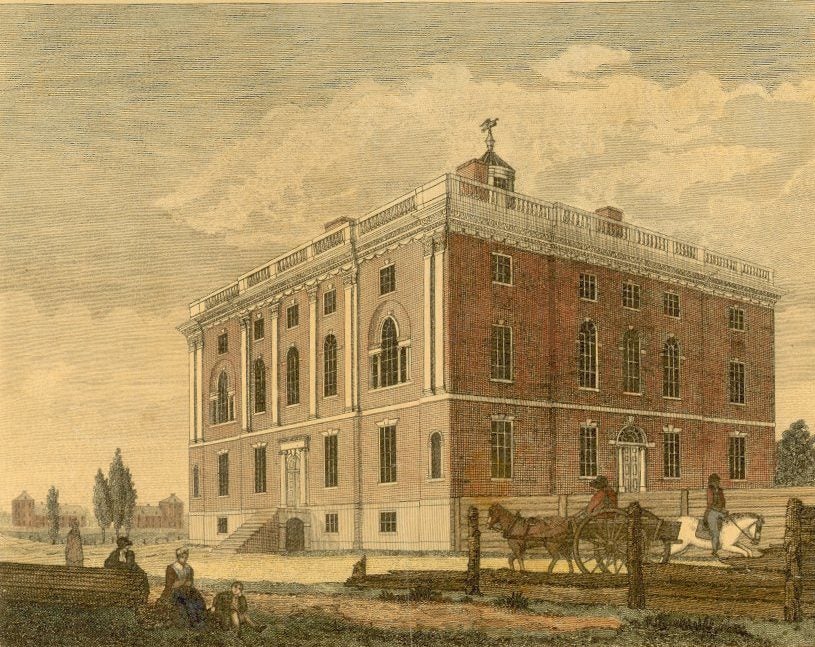
Example of visual style of Antebellum Architecture

Antebellum Architecture

Antebellum Architecture refers to the architectural style that was prominent in the Southern United States during the pre-Civil War period, specifically from the late 18th century to the mid-19th century. This style is famous for its grandeur, elegance, and adherence to classical design principles. Inspired by Greek and Roman architecture, it featured symmetrical facades, tall columns, expansive porticoes, and elaborate ornamentation. The antebellum period and its architecture became famous for its association with the plantation economy and the romanticized image of the Old South.

View StyleExplore Style
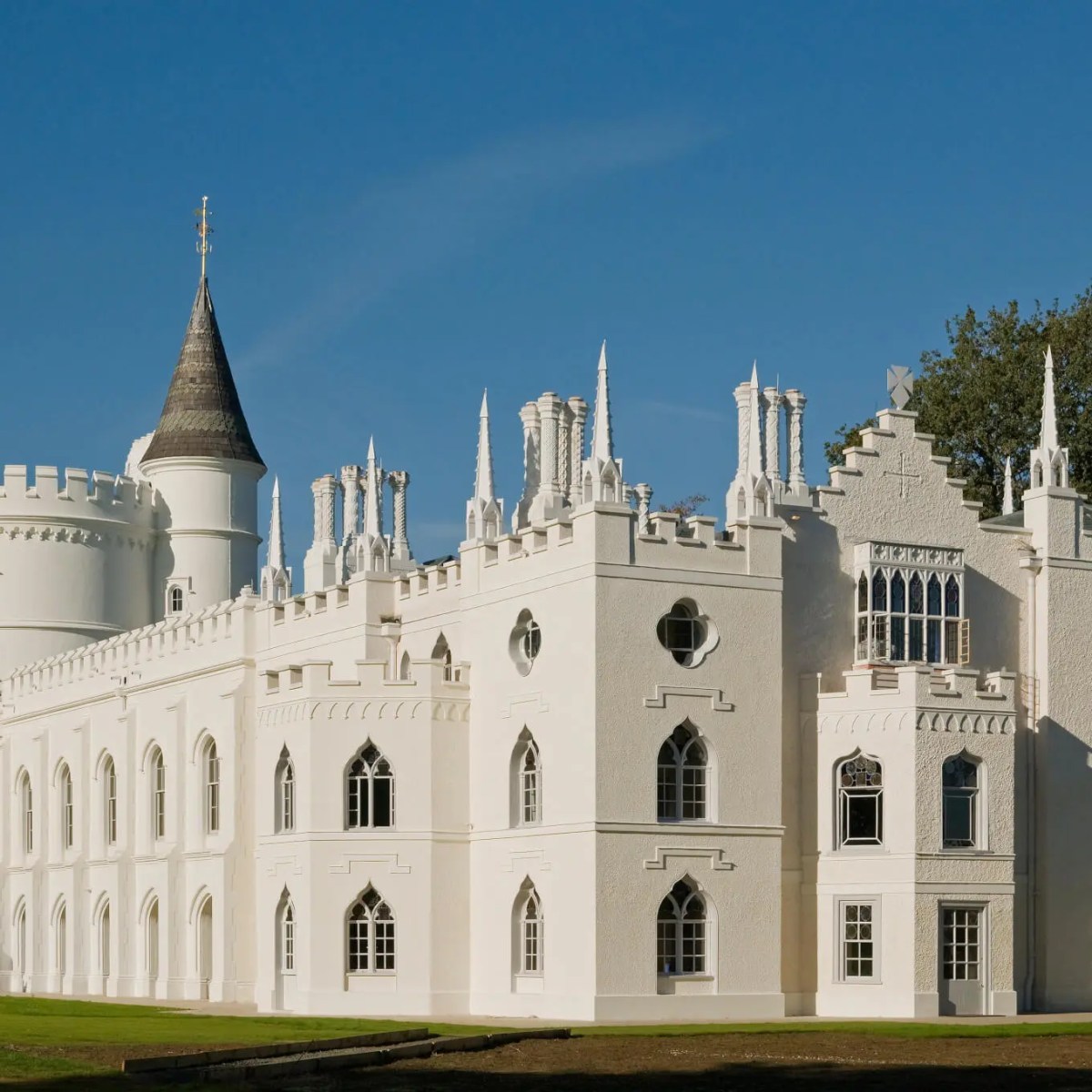
Example of visual style of Arabesque Design

Arabesque Design

Arabesque Design is a style characterized by intricate and ornate patterns influenced by Islamic art. It emerged during the Islamic Golden Age from the 8th to the 15th centuries. Arabesque patterns are famous for their elaborate intertwining vines, leaves, and floral motifs, often combined with geometric shapes. These designs became increasingly popular in architecture, textiles, pottery, and book illumination. Arabesque Design is known for its symmetrical and repetitive patterns, emphasizing the interplay of light and shadow on surfaces. It is considered one of the most important and enduring visual styles of Islamic art and has influenced numerous other artistic movements throughout history.

View StyleExplore Style
Example of visual style of Celtic Art

Celtic Art

Celtic Art refers to the visual style associated with the Celtic people of Western Europe between 500 BC and 1200 AD. It is famous for its intricate and symmetrical designs, characterized by knotwork, spirals, and interlaced patterns. Celtic Art gained recognition due to its extensive use in religious artifacts, such as illuminated manuscripts like the Book of Kells. The style's popularity spread with the migration and influence of the Celtic people throughout Europe.

View StyleExplore Style
Example of visual style of Cinna

Cinna

Cinna is a visual style that emerged during the 18th century and became famous for its opulence and intricacy. It was popularized by the French designer Pierre-Adrien Pâris, also known as Jean-Baptiste-Pierre Le Brun. Cinna's visual style is characterized by symmetrical and ornate designs, with a focus on decorative elements such as gilded accents, floral motifs, and grandiose proportions. This style reached its peak during the reign of Louis XVI and became synonymous with the grandeur of the Palace of Versailles and the French Rococo period.

View StyleExplore Style
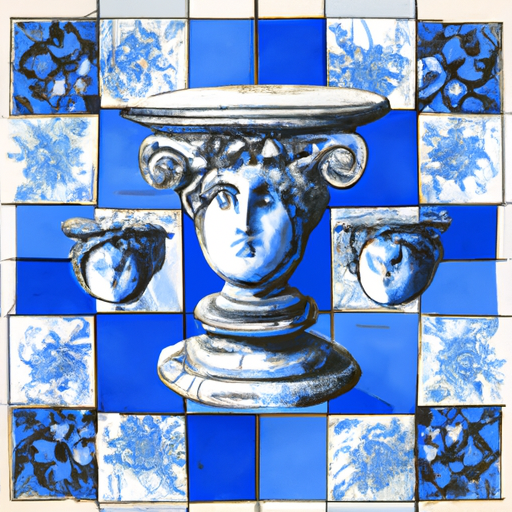
Example of visual style of Greek Art

Greek Art

Greek Art refers to the visual arts and architecture produced in Ancient Greece from the 9th century BCE to the 1st century AD. This style is famous for its emphasis on naturalistic representation, idealized human figures, and symmetrical compositions. The period between the 5th and 4th centuries BCE, known as the Classical period, is particularly renowned for its contributions to Greek Art. The art of this period showcased balance, harmony, and a sense of ideal beauty. It influenced much of Western art and continues to be admired for its timeless aesthetics.

View StyleExplore Style
Example of visual style of Horst P Horst

Horst P Horst

Horst P Horst was a German-American fashion and portrait photographer who became famous for his elegant and glamorous style. Active from the 1930s to the 1990s, Horst's work epitomized the sophistication and refinement of the fashion industry during the mid-20th century. Known for his mastery of lighting and composition, Horst's photographs captured the essence of his subjects with a timeless and classical elegance. His iconic images of fashion, celebrities, and interiors graced the pages of Vogue and Harper's Bazaar, influencing generations of photographers. Horst's style reached its pinnacle in the 1940s and 1950s when he perfected his signature use of dramatic lighting, symmetrical arrangements, and graceful poses.

View StyleExplore Style
Example of visual style of Hunnic Art

Hunnic Art

Hunnic Art refers to the visual style of the ancient Hunnic people, who dominated Central Asia and Eastern Europe from the 4th to the 6th century. This style is characterized by intricate and highly detailed metalwork, particularly in the form of belt buckles, plate fittings, and jewelry. Hunnic Art is famous for its portrayal of animals, especially stylized depictions of boars, stags, and birds. The use of geometric patterns and symmetrical designs is also a notable feature of this art style.

View StyleExplore Style
Example of visual style of John Merven Carrere

John Merven Carrere

John Merven Carrere was an American architect known for his Beaux-Arts style which was popular during the late 19th and early 20th centuries. This style was famous for its grandeur and elegance, drawing inspiration from classical Greek and Roman architecture. Carrere's designs often featured symmetrical facades, ornate detailing, and a sense of monumentality. One of his most famous works is the New York Public Library, completed in 1911, which exemplifies the Beaux-Arts style and showcases Carrere's mastery.

View StyleExplore Style
Example of visual style of Louis XVI Style

Louis XVI Style

The Louis XVI Style emerged in France during the reign of King Louis XVI, from 1774 to 1792. It is characterized by a return to classical forms inspired by ancient Greece and Rome. This style gained popularity after the excesses of the preceding Rococo period. It is known for its refined elegance and architectural symmetry, incorporating motifs such as fluted columns, urns, laurel wreaths, and cameos. The Louis XVI Style is famous for its use of neoclassical elements and delicate ornamentation, reflecting a more restrained and refined taste.

View StyleExplore Style
Example of visual style of Mughal Empire

Mughal Empire

The Mughal Empire visual style encompasses the art and architecture of the Mughal dynasty in South Asia during the 16th to 19th centuries. This style reached its peak during the reign of Emperor Akbar (1556-1605) and Emperor Shah Jahan (1628-1658). The Mughal Empire is famous for its intricate ornamentation, refined craftsmanship, and fusion of Persian, Islamic, and indigenous Indian styles. Notable features include symmetrical layouts, exquisite calligraphy, detailed miniature paintings, monumental architecture such as the Taj Mahal, and the use of precious materials like marble and semi-precious stones.

View StyleExplore Style
Example of visual style of Rushmore

Rushmore

Rushmore is a visual style that emerged in the late 1990s and early 2000s, mainly associated with the American filmmaker Wes Anderson. Known for its whimsical and meticulously composed frames, Rushmore style often includes vibrant color palettes, symmetrical compositions, and a mix of retro and contemporary elements. This distinct visual style became famous for its meticulous attention to detail, visually striking sets, and quirky characters. It has influenced a generation of filmmakers and has become synonymous with Wes Anderson's unique storytelling.

View StyleExplore Style

Example of visual style of Voltaire

Voltaire

Voltaire is a visual style that emerged in the late 18th century France during the Enlightenment period. It is known for its ornate and lavish aesthetics, characterized by intricate details, delicate curves, and symmetrical patterns. The style became famous for its association with the French philosopher and writer, Voltaire, who advocated for reason, science, and intellectual freedom. Voltaire's ideas contributed to the spread of Enlightenment ideals across Europe, and the visual style named after him came to represent the elegance and intellectualism of the era.

View StyleExplore Style
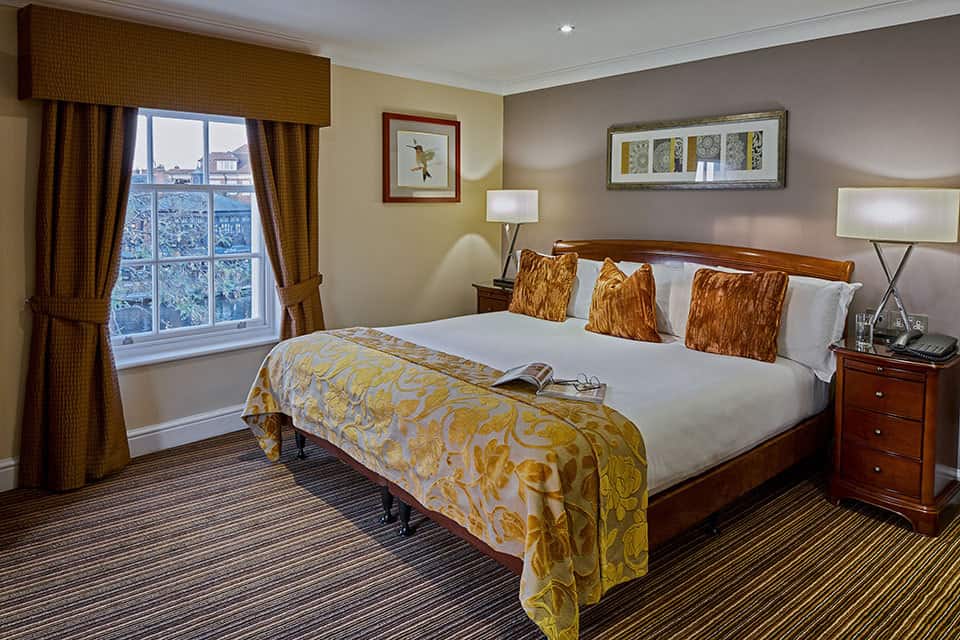
Example of visual style of Wes Anderson Himself

Wes Anderson Himself

Wes Anderson Himself is a visual style associated with Wes Anderson, a renowned American filmmaker. It emerged in the late 1990s and gained popularity throughout the 2000s. Known for its meticulous attention to detail, symmetrical compositions, and vibrant color palettes, this style is characterized by its whimsical and idiosyncratic aesthetic. Wes Anderson Himself is famous for creating visually stunning and highly stylized worlds that often blend nostalgia with a quirky and offbeat sensibility, captivating audiences with its distinctive visual storytelling.

View StyleExplore Style
Home