StylopediaStylopedia

Symbolist styles on Stylopedia

A visual encyclopedia of symbolist styles – use as prompt inspiration for Midjourney, Gemini, or ChatGPT AI when making symbolist images

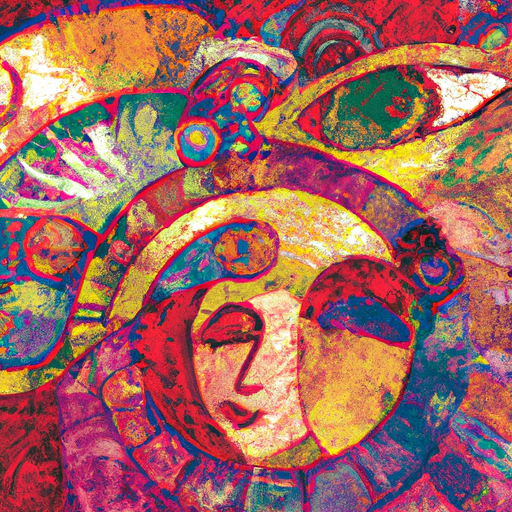
Example of visual style of Gustav Klimt

Gustav Klimt

Gustav Klimt was an Austrian symbolist painter and one of the most prominent members of the Vienna Secession movement. Active between the late 19th and early 20th centuries, Klimt's art is characterized by its decorative and sensual aesthetic. He is widely known for his use of intricate patterns, rich colors, and gold leaf. Klimt's works often highlight the female form, depicting women in ornate garments and elaborate backgrounds. His art is renowned for its sensuality, symbolism, and decorative details.

View StyleExplore Style
Example of visual style of Gustave Moreau

Gustave Moreau

Gustave Moreau was a French Symbolist painter who was active from the mid-19th to early 20th century. His visual style can be described as dreamlike and fantastical, often depicting mythological and biblical themes. Moreau's use of vibrant and intense colors, intricate detail, and symbolism set him apart from his contemporaries and made him famous. His works became iconic for their mystical and imaginative qualities, blending religious, historical, and mythical elements into visually stunning compositions.

View StyleExplore Style
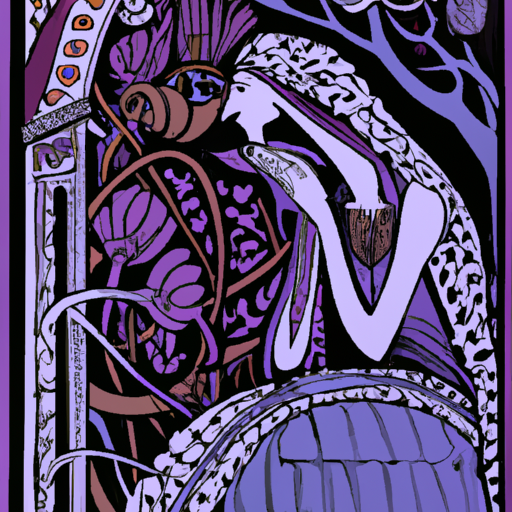
Example of visual style of Harry Clarke

Harry Clarke

Harry Clarke was an Irish stained-glass artist and illustrator, prominent in the early 20th century. His style was characterized by intricate and highly detailed designs, vibrant colors, and a combination of decorative elements and Symbolist influences. Clarke's work became famous for its dark and mysterious themes, often depicting supernatural and otherworldly subjects. His illustrations for books and his stained-glass windows gained him recognition and acclaim.

View StyleExplore Style
Example of visual style of Symbolism

Symbolism

Symbolism is an artistic movement that emerged in late 19th century Europe. It reached its peak between 1885 and 1900, gaining fame for its exploration of mystical and symbolist themes. Symbolism was a reaction against the increasing industrialization of society and sought to convey deeper meanings through the use of symbols and allegories. This style is characterized by its emphasis on imagination, subjective emotions, and the spiritual realm. Artists employed vivid colors, dreamlike imagery, and unconventional compositions to express their inner thoughts and emotions.

View StyleExplore Style
Home