StylopediaStylopedia

Symbolism styles on Stylopedia

A visual encyclopedia of symbolism styles – use as prompt inspiration for Midjourney, Gemini, or ChatGPT AI when making symbolism images

Example of visual style of Anselm Kiefer Exhibition

Anselm Kiefer Exhibition

Anselm Kiefer Exhibition is characterized by a unique and powerful visual style that combines elements of painting, sculpture, and installation art. It emerged in the late 20th century and became famous for its exploration of complex historical, mythological, and philosophical themes. Anselm Kiefer's works often evoke a sense of melancholy and contemplation, with large-scale and heavily textured pieces that incorporate a wide range of materials, such as lead, ash, straw, and glass. The exhibition showcases Kiefer's masterful use of symbolism, juxtaposition, and layering to convey deep emotional and intellectual messages.

View StyleExplore Style
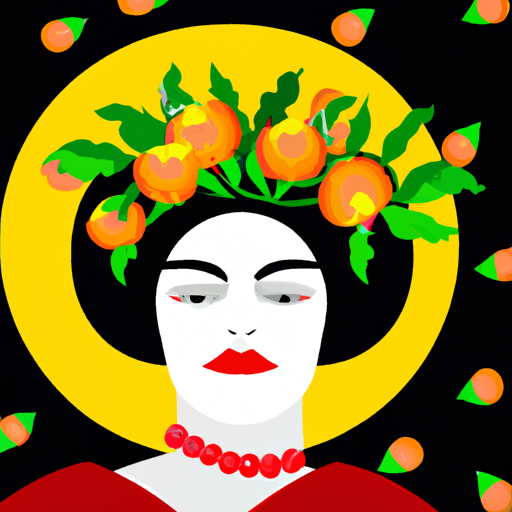
Example of visual style of Catalan Art

Catalan Art

Catalan Art is an artistic style that emerged in Catalonia, a region in northeastern Spain, during the late 19th and early 20th centuries. It gained prominence during the Modernisme movement, which was characterized by its emphasis on national identity and its rejection of the prevailing academic art. The style is known for its intricate and decorative designs, vibrant colors, and the integration of local traditions, folklore, and symbolism. Catalan Art became famous for its representation of the cultural and artistic renaissance happening in Catalonia at the time. Notable years for Catalan Art include the late 19th century to the early 20th century, with the works of artists such as Antoni Gaudí, Ramon Casas, and Joan Miró leaving a lasting impact on the style.

View StyleExplore Style
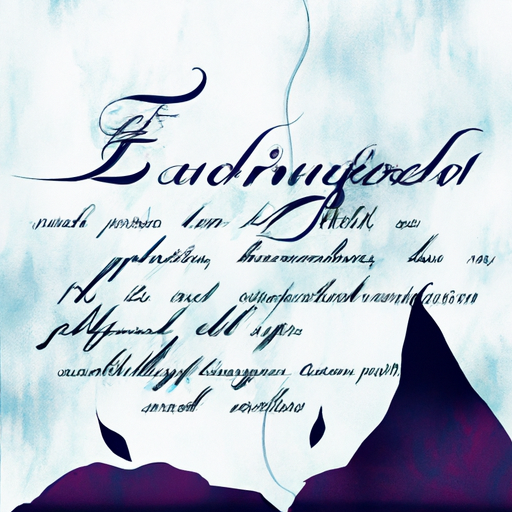
Example of visual style of Charles Ricketts

Charles Ricketts

Charles Ricketts was a British artist, designer, and writer known for his distinctive visual style during the late 19th and early 20th centuries. His style can be described as intricate, ornate, and highly detailed. Ricketts was particularly renowned for his skills in book design, typography, and woodcuts. He gained prominence in the late 1890s as a member of the Birmingham Group, a collective of artists who championed the Arts and Crafts movement. Ricketts' visual style became famous for its meticulous attention to detail, rich symbolism, and a fusion of classical and modern influences.

View StyleExplore Style
Example of visual style of Christian Mysticism

Christian Mysticism

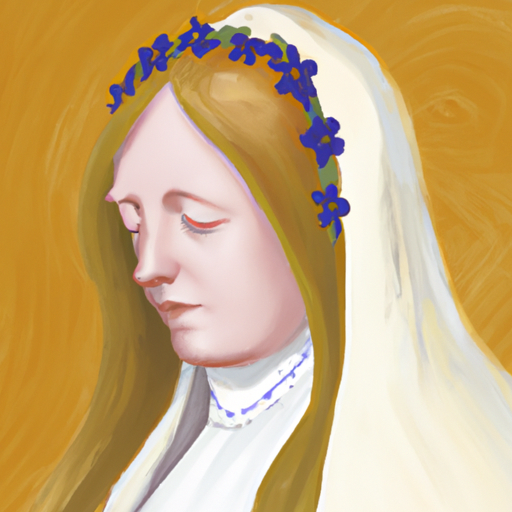
Christian Mysticism is an artistic style characterized by ethereal and dreamlike representations of religious subjects. It emerged during the late Middle Ages and reached its peak in the Renaissance period. Christian Mysticism became famous for its use of soft, diffused lighting, delicate brushwork, and an emphasis on symbolism and spiritual themes. This style explored the mystical aspects of Christianity and aimed to evoke a sense of transcendence and communion with the divine.

View StyleExplore Style
Example of visual style of Editorial Illustration

Editorial Illustration

Editorial Illustration is a style of illustration that is commonly used in newspapers, magazines, and online publications to accompany written articles or stories. It became especially popular in the late 19th and early 20th centuries with the rise of print media. Editorial illustrations are known for their ability to convey complex ideas or concepts in a single image, often using symbolism, humor, or satire. They are typically created in a bold and graphic style, with strong outlines, limited color palettes, and simplified forms. Editorial illustrations aim to catch the viewer's attention and make a strong visual impact, while effectively communicating the message of the accompanying text.

View StyleExplore Style
Example of visual style of Edward Burne Jones

Edward Burne Jones

Edward Burne Jones was an English artist and designer associated with the Pre-Raphaelite movement. He is known for his intricate and detailed illustrations, paintings, and stained glass designs. Active during the Victorian era in the late 19th and early 20th centuries, his work is characterized by romantic and mythological themes, vibrant colors, and a focus on beauty and idealized figures. Burne Jones' exquisite attention to detail and use of symbolism made him famous as one of the leading figures in the Pre-Raphaelite movement.

View StyleExplore Style
Example of visual style of Eugenio Caballero

Eugenio Caballero

Eugenio Caballero is a Mexican production designer known for his visually striking and imaginative style. His work often blends surrealism, symbolism, and vivid colors to create fantastical and dreamlike environments. Caballero rose to fame in 2006 when he won an Academy Award for Best Art Direction for his work on the film 'Pan's Labyrinth'. His meticulously crafted sets and attention to detail have made him one of the most sought-after production designers in the industry.

View StyleExplore Style
Example of visual style of Fernand Khnopff

Fernand Khnopff

Fernand Khnopff was a Belgian symbolist painter and one of the most prominent artists of the late 19th and early 20th centuries. His visual style is characterized by its dreamlike and mysterious quality, often featuring solitary figures in ethereal and symbol-rich landscapes. Khnopff's works were known for their meticulous attention to detail and the use of subdued and somber color palettes. He gained fame for his introspective and psychologically charged paintings, which often explored themes of alienation, death, and the duality of existence. Khnopff's art became famous for its unique blend of realism and symbolism, creating a haunting and otherworldly atmosphere.

View StyleExplore Style
Example of visual style of Francesco Clemente

Francesco Clemente

Francesco Clemente is an Italian contemporary artist known for his diverse range of styles and mediums. His visual style combines elements of postmodernism, neo-expressionism, and traditional Indian art. Clemente gained popularity in the 1980s for his vivid and intensely personal works that often incorporated symbolic and dreamlike imagery. His paintings, drawings, and mixed-media pieces explore themes of spirituality, identity, and sexuality. Clemente's distinct style and exploration of cultural and spiritual themes made him a prominent figure in the contemporary art world during the 1980s.

View StyleExplore Style
Example of visual style of Gustav Klimt

Gustav Klimt

Gustav Klimt was an Austrian symbolist painter and one of the most prominent members of the Vienna Secession movement. Active between the late 19th and early 20th centuries, Klimt's art is characterized by its decorative and sensual aesthetic. He is widely known for his use of intricate patterns, rich colors, and gold leaf. Klimt's works often highlight the female form, depicting women in ornate garments and elaborate backgrounds. His art is renowned for its sensuality, symbolism, and decorative details.

View StyleExplore Style
Example of visual style of Gustave Moreau

Gustave Moreau

Gustave Moreau was a French Symbolist painter who was active from the mid-19th to early 20th century. His visual style can be described as dreamlike and fantastical, often depicting mythological and biblical themes. Moreau's use of vibrant and intense colors, intricate detail, and symbolism set him apart from his contemporaries and made him famous. His works became iconic for their mystical and imaginative qualities, blending religious, historical, and mythical elements into visually stunning compositions.

View StyleExplore Style
Example of visual style of Hideaki Anno

Hideaki Anno

Hideaki Anno is a Japanese film director and animator known for his unique visual style that combines experimental storytelling, psychological depth, and stunning animation. Anno rose to fame in the 1990s with his groundbreaking work on the anime series 'Neon Genesis Evangelion'. This series, which ran from 1995 to 1996, was known for its complex narrative, introspective characters, and intricate mecha designs. Anno's use of symbolism, abstract imagery, and unconventional storytelling techniques made 'Neon Genesis Evangelion' a cult classic and influenced many subsequent anime series and filmmakers.

View StyleExplore Style
Example of visual style of J.R.R. Tolkien

J.R.R. Tolkien

J.R.R. Tolkien's visual style is characterized by intricate and detailed illustrations that bring to life the fantastical worlds he created in his novels. Active from the early 20th century to the late 1970s, Tolkien's art gained fame through his renowned novels such as 'The Hobbit' and 'The Lord of the Rings'. His drawings and paintings showcase his talent in crafting highly imaginative and mythical landscapes, creatures, and characters. With his attention to intricate details and rich symbolism, Tolkien's visual style has become iconic in the realm of fantasy art and literature.

View StyleExplore Style
Example of visual style of Kim Hye Jin

Kim Hye Jin

Kim Hye Jin is a contemporary Korean visual artist known for her unique visual style characterized by vibrant colors, bold shapes, and intricate patterns. Her style emerged in the early 2000s and gained popularity for its fusion of traditional Korean art techniques with modern aesthetics. Kim Hye Jin's use of vibrant colors and intricate patterns reflects her exploration of cultural identity and the changing dynamics of Korean society. Her work often incorporates traditional Korean motifs and mythology, creating a visually captivating and symbolic world. Kim Hye Jin's style has been influential in contemporary Korean art, bringing renewed attention to traditional art forms while pushing boundaries with innovative techniques and subject matter.

View StyleExplore Style
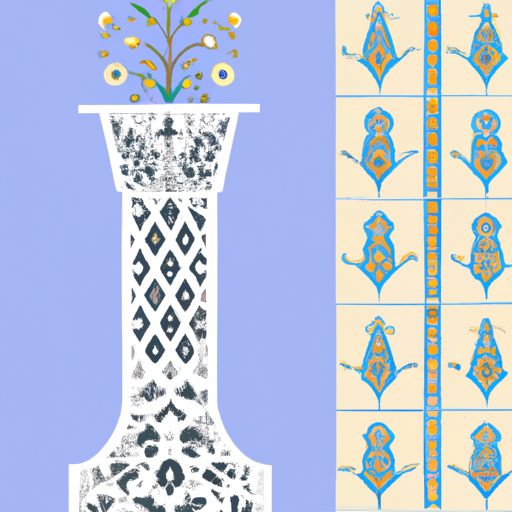
Example of visual style of Korean Mythology

Korean Mythology

Korean Mythology is a visual style that draws inspiration from the ancient myths and folklore of Korea. It showcases the unique and vibrant aesthetic present in Korean culture, often incorporating elements such as nature, spirituality, and symbolism. This style became particularly famous during the Joseon Dynasty (1392-1897), when it was widely used in traditional paintings, architecture, and decorative arts. It gained popularity through the intricate depictions of mythical creatures, celestial beings, and epic tales, capturing the imagination of both locals and foreigners.

View StyleExplore Style
Example of visual style of Marsden Hartley

Marsden Hartley

Marsden Hartley was an American modernist painter known for his distinctive visual style. Active during the early 20th century, Hartley's work reflected a unique combination of abstraction and symbolism. He gained fame for his bold use of color, geometric forms, and expressive brushstrokes. Hartley's most renowned period was between 1912 and 1914, during which he created a series of abstracted landscapes inspired by his travels to Europe. His artworks were characterized by a dynamic and energetic composition, often depicting scenes from his personal experiences and emotional states.

View StyleExplore Style
Example of visual style of Monks Of Iona

Monks Of Iona

Monks Of Iona, also known as Insular art, is a visual style that emerged during the Early Medieval period, around the 6th to 9th centuries. It originated in the monastic communities of the British Isles, particularly on the island of Iona, hence the name. This style is characterized by intricate, highly detailed and abstract designs, often found in illuminated manuscripts and metalwork. Monks Of Iona became famous for its rich symbolism, elaborate interlacing patterns, and vibrant colors, which were achieved using natural pigments. It played a significant role in preserving the artistic traditions of the Celtic cultures in the face of Viking invasions.

View StyleExplore Style
Example of visual style of Northern Renaissance Art

Northern Renaissance Art

Northern Renaissance Art refers to the artistic style that emerged in Northern Europe in the 15th and 16th centuries. It was famous for its attention to detail, naturalistic representation, and use of symbolism. This style gained prominence during the Renaissance period, with key years being between 1400 and 1600. The art produced during this time was characterized by its emphasis on religious subjects, intricate techniques, and the use of oil painting. The Northern Renaissance artists, such as Jan van Eyck, Hieronymus Bosch, and Albrecht Dürer, contributed to the fame of this style.

View StyleExplore Style

Example of visual style of Paul Klee

Paul Klee

Paul Klee was a Swiss-German painter known for his distinct visual style that emerged during the early 20th century. Influenced by Expressionism, Cubism, and Surrealism, Klee's works are characterized by their abstract and highly imaginative nature. His art often features geometric shapes, intricate patterns, bold colors, and a whimsical quality. Klee's style gained fame throughout the 1920s and 1930s, and his emphasis on personal expression and symbolism made him an influential figure in modern art.

View StyleExplore Style
Example of visual style of Paula Scher

Paula Scher

Paula Scher is an American graphic designer known for her bold and innovative approach to typography. Her visual style emerged in the 1980s and gained popularity in the following decades. Scher became famous for her use of expressive and distressed letterforms, combining typography with illustration and symbolism. Her designs often incorporate vibrant colors, geometric patterns, and playful compositions. Paula Scher's work is characterized by its exuberant energy and the ability to communicate complex ideas in a visually engaging manner.

View StyleExplore Style
Example of visual style of Pierre Puvis De Chavannes

Pierre Puvis De Chavannes

Pierre Puvis de Chavannes was a French painter known for his unique and influential visual style that bridged the gap between traditional academic art and the emerging Symbolist movement. Active during the mid to late 19th century, his style became famous for its ethereal atmosphere, dreamlike quality, and monumental compositions. Puvis de Chavannes incorporated elements of classical mythology, allegorical figures, and simplified forms to convey his poetic and philosophical ideas. His emphasis on flat and muted colors, along with a preference for symbolic storytelling, made his works distinct and influential in the art world of his time.

View StyleExplore Style
Home