StylopediaStylopedia

Symbolic styles on Stylopedia

A visual encyclopedia of symbolic styles – use as prompt inspiration for Midjourney, Gemini, or ChatGPT AI when making symbolic images

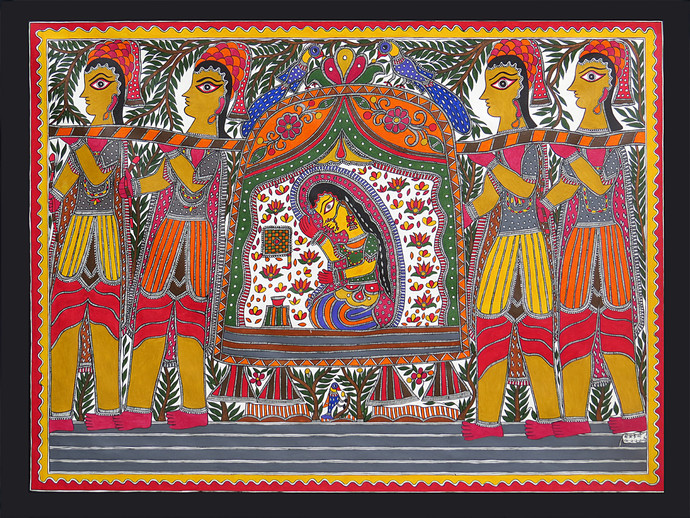
Example of visual style of African American Quilting

African American Quilting

African American quilting is a prominent style of textile art that originated in the 18th century during the time of slavery in the United States. It gained widespread recognition and popularity during the Civil Rights Movement in the mid-20th century. African American quilting is characterized by vibrant and bold designs, often incorporating symbolic images, patterns, and storytelling elements. This style not only served as a means of artistic expression but also as a way for African Americans to communicate their cultural heritage and struggles in a visually evocative manner. The quilts made during this period are not only aesthetically pleasing but also carry deep historical and cultural significance.

View StyleExplore Style
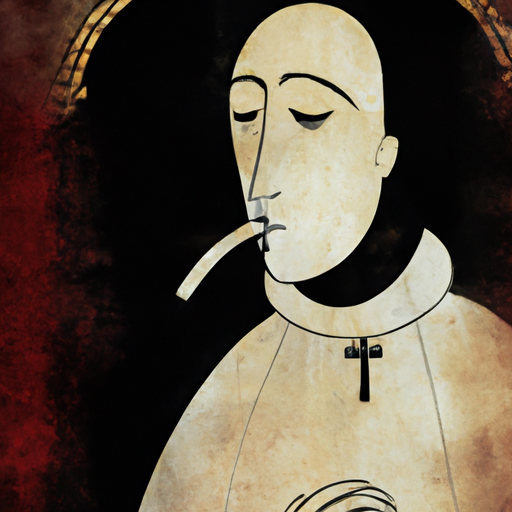
Example of visual style of Early Christian Art

Early Christian Art

Early Christian Art refers to the art created by Christians during the late Roman Empire, from the 3rd to the 6th century. It was mainly characterized by the incorporation of Christian themes and symbols into classical Greco-Roman art forms. This art style became famous for its depiction of biblical scenes, martyrs, and saints, often in a narrative and symbolic manner. The use of frescoes, mosaics, and relief sculptures in churches and catacombs also contributed to its prominence.

View StyleExplore Style
Example of visual style of Enzo Cucchi

Enzo Cucchi

Enzo Cucchi is an Italian artist known for his contribution to the Transavanguardia movement in the 1980s. His visual style is characterized by expressive and symbolic imagery, often featuring primitive and mythological elements. Cucchi's works are highly personal and imbued with spiritual and emotional themes. His use of bold colors, strong brushwork, and rough texture creates a raw and vibrant atmosphere. Cucchi's works gained international recognition in the 1980s, especially during the Biennale exhibitions, and he became an influential figure in Italian contemporary art.

View StyleExplore Style
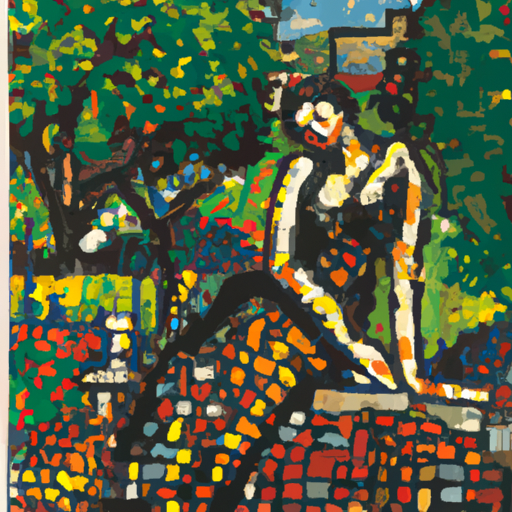
Example of visual style of Jan Toorop

Jan Toorop

Jan Toorop was a Dutch visual artist known for his unique visual style that emerged in the late 19th and early 20th centuries. His style is characterized by decorative and symbolic elements, with a focus on flowing lines and a sense of spirituality. Toorop became famous for his use of 'pointillism', a technique where small dots or strokes of paint are applied to a surface to create an image. This technique gave his artworks a distinctive and vibrant appearance. The years of importance for Toorop's style are from the late 19th century to the early 20th century, where he played a significant role in the European art scene.

View StyleExplore Style
Example of visual style of Japanese Artists

Japanese Artists

Japanese Artists is a visual style that emerged from the art and culture of Japan. It encompasses a wide range of artistic traditions and techniques that have evolved over centuries. The style became famous internationally during the late 19th and early 20th centuries, during a period known as the Japonism movement. Japanese Artists are renowned for their exquisite attention to detail, vibrant colors, and symbolic imagery. Important years for this style include the Edo period (1603-1868) and the Meiji period (1868-1912). The influence of Japanese Artists can be seen in various art forms such as ukiyo-e prints, traditional paintings, anime, manga, and contemporary art.

View StyleExplore Style
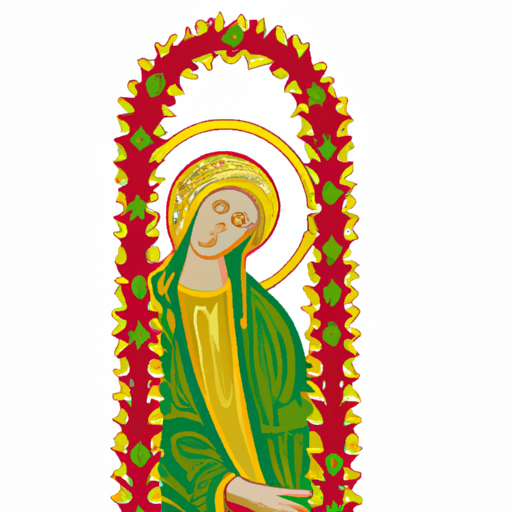
Example of visual style of Maurice Denis

Maurice Denis

Maurice Denis was a French painter and writer, and a leading figure in the Nabis artistic movement. His visual style, developed during the late 19th and early 20th centuries, is characterized by a decorative and symbolic approach to painting. He focused on using bold colors and flat, simplified forms, often incorporating elements of nature, religious symbolism, and everyday life. Denis believed that art should be accessible to everyone, and he aimed to create harmonious and poetic compositions that evoked emotion and spirituality. He became famous for his works such as 'The Green Trees', 'The Bathers', and 'Homage to Cézanne'.

View StyleExplore Style
Example of visual style of Max Beckmann

Max Beckmann

Max Beckmann was a German painter and printmaker known for his expressionistic and symbolic style. His work was highly influential in the early 20th century and he is considered one of the most important German painters of the time. Beckmann's style is characterized by its dramatic compositions, bold use of color, and distorted figures, often depicting scenes of urban life and the human condition. His work became famous for its raw emotional power, capturing the transformation and angst of the era, particularly during the tumultuous years of World War I and the interwar period.

View StyleExplore Style
Example of visual style of Pink Floyd

Pink Floyd

Pink Floyd's visual style is characterized by surreal and psychedelic artwork that was prominently featured on their albums and live shows. It gained popularity during the late 1960s and continued through the 1970s. The band collaborated with various artists, including Storm Thorgerson and Hipgnosis, to create iconic album covers such as 'The Dark Side of the Moon' and 'Wish You Were Here'. These visual representations often incorporated striking and symbolic imagery, like prism refractions and floating objects, which became synonymous with Pink Floyd's music.

View StyleExplore Style
Example of visual style of Storm Thorgerson

Storm Thorgerson

The visual style of Storm Thorgerson emerged in the 1960s and became famous for its imaginative and surreal album cover designs. Thorgerson was a prominent British graphic designer known for his work with iconic rock bands, including Pink Floyd, Led Zeppelin, and The Mars Volta. His visual style featured vibrant and symbolic imagery, often incorporating elements of fantasy and otherworldly landscapes. Thorgerson's designs were characterized by meticulous attention to detail and a distinctive blend of photography and graphic art. His work became synonymous with the visual representation of music and left a lasting impact on album cover design.

View StyleExplore Style
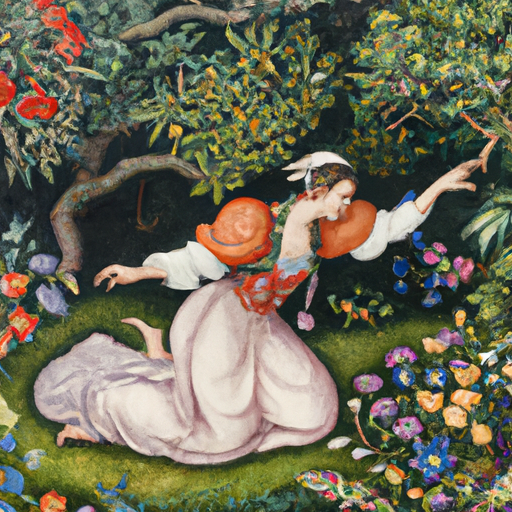
Example of visual style of William Holman Hunt

William Holman Hunt

William Holman Hunt was an English painter and one of the founders of the Pre-Raphaelite Brotherhood, an influential art movement in the 19th century. Hunt's visual style is characterized by its attention to detail, vibrant colors, and meticulous rendering of natural landscapes and figures. He is known for his religious and allegorical themes, often depicting biblical stories with a realistic and symbolic approach. Hunt's style became popular during the mid-19th century and his works were highly regarded for their technical skill and emotional depth.

View StyleExplore Style
Home