StylopediaStylopedia

Suspenseful styles on Stylopedia

A visual encyclopedia of suspenseful styles – use as prompt inspiration for Midjourney, Gemini, or ChatGPT AI when making suspenseful images

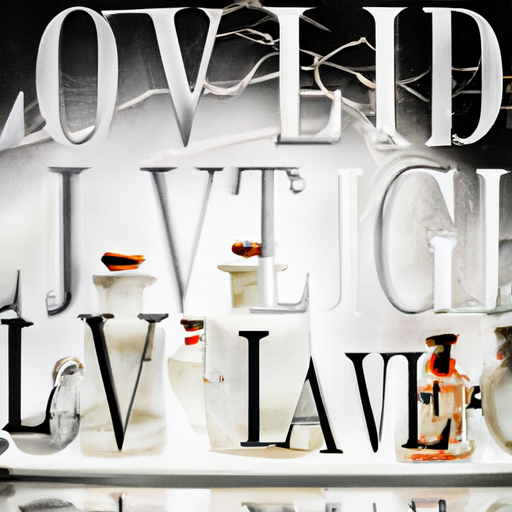
Example of visual style of Brian De Palma

Brian De Palma

The visual style of Brian De Palma is characterized by its intense and suspenseful storytelling, highly stylized cinematography, and use of split screens. De Palma became famous for his work in the late 1960s and throughout the 1970s, with movies like 'Carrie' and 'Dressed to Kill'. His unique approach to composition and camera movement, often influenced by Alfred Hitchcock, became a trademark of his style. De Palma visually explores themes of voyeurism, duality, and the dark side of human nature.

View StyleExplore Style
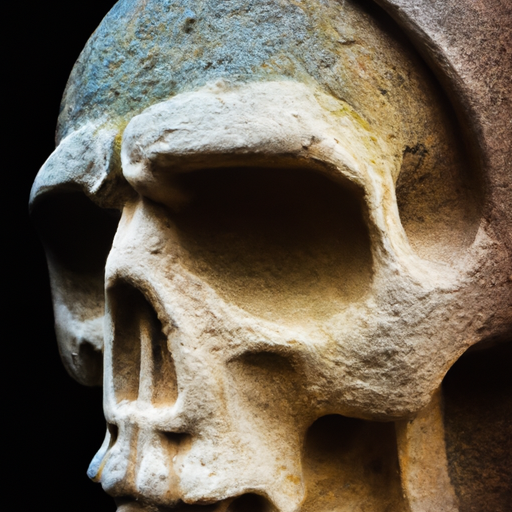
Example of visual style of Gone Girl

Gone Girl

Gone Girl is a contemporary visual style that gained popularity in the 2010s. It is characterized by its dark and moody atmosphere, sleek and modern aesthetics, and its emphasis on suspense and psychological themes. This style became famous through the film 'Gone Girl' directed by David Fincher, released in 2014. Its combination of sleek cinematography, intense performances, and intricately crafted plot made it a critically acclaimed and commercially successful film, further popularizing the Gone Girl visual style.

View StyleExplore Style
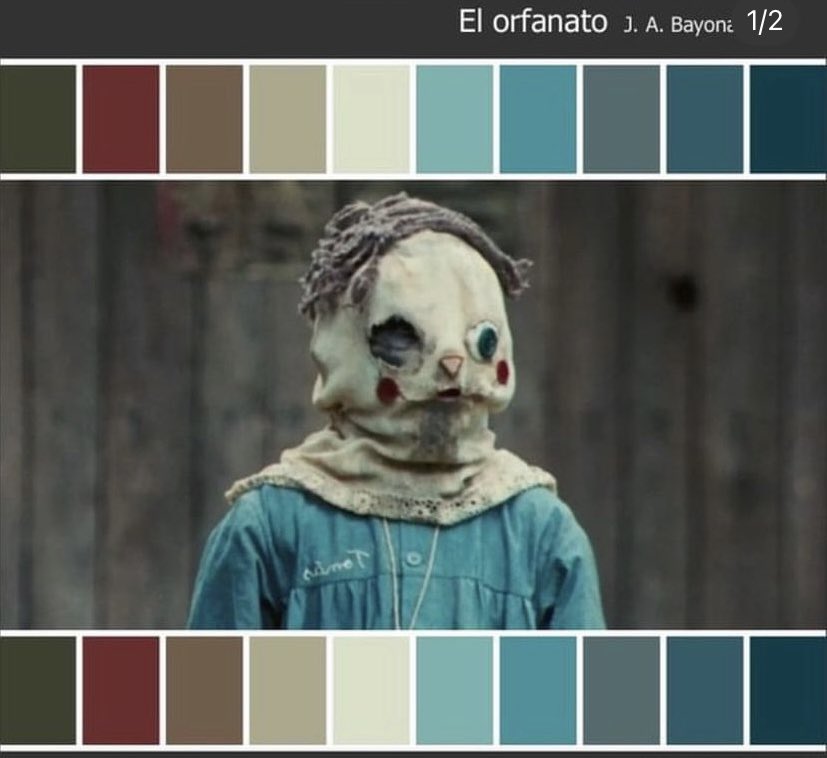
Example of visual style of Hitchcockian

Hitchcockian

The Hitchcockian style refers to the distinctive visual and narrative techniques employed by Alfred Hitchcock, a renowned filmmaker, primarily during the 1950s and 1960s. This style became famous for its suspenseful and psychological storytelling, innovative camera angles, use of suspenseful music, and meticulously composed shots. It often featured themes of suspense, mystery, and psychological manipulation. Hitchcock's films like 'Psycho' (1960) and 'Vertigo' (1958) are exemplary of this style.

View StyleExplore Style
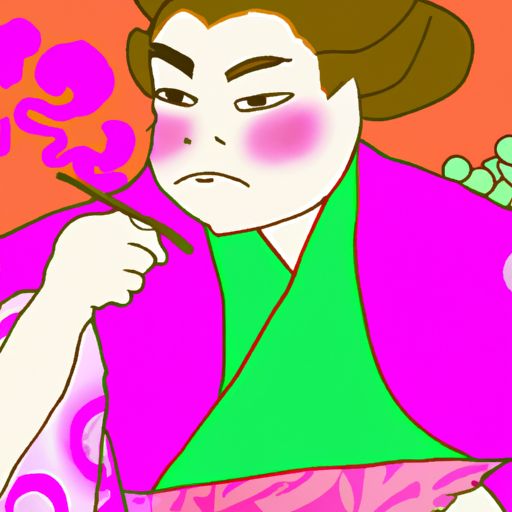
Example of visual style of Italian Horror

Italian Horror

Italian Horror, also known as Italian Gothic Horror, is a subgenre of horror films that emerged in Italy in the late 1950s and gained popularity in the 1960s and 1970s. It is characterized by its distinct visual style, combining elements of gothic horror, supernatural themes, and psychological terror. Italian horror films became famous for their atmospheric settings, intricate and suspenseful plots, and graphic violence. Directors such as Mario Bava, Dario Argento, and Lucio Fulci played a significant role in establishing this genre and making it globally recognized.

View StyleExplore Style
Example of visual style of Naoki Urasawa

Naoki Urasawa

Naoki Urasawa is a Japanese manga artist known for his realistic and detailed visual style. His art has gained recognition for its meticulous attention to detail, particularly in his character designs and backgrounds. Urasawa often employs a dark and gritty atmosphere, using chiaroscuro and expressive line work to capture the intense emotions and suspenseful storytelling of his manga. He rose to fame in the late 1990s with his critically acclaimed series 'Monster' and '20th Century Boys', which showcased his ability to create intricate plots and memorable characters.

View StyleExplore Style
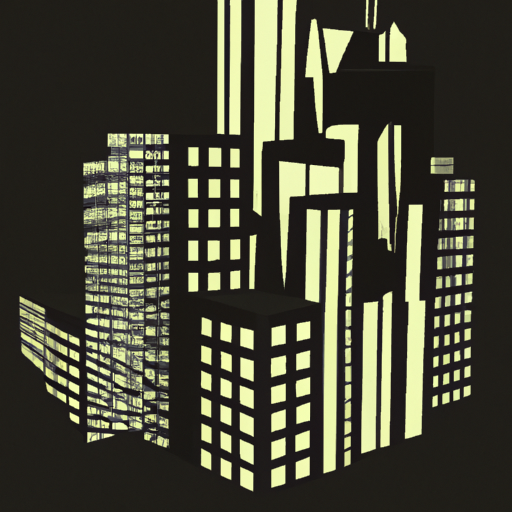
Example of visual style of Thriller

Thriller

Thriller is a visual style that emerged in the 1980s and became famous through Michael Jackson's music video 'Thriller'. It is characterized by a dark and suspenseful atmosphere with elements of horror, mystery, and suspense. The style often incorporates eerie lighting, dramatic camera angles, supernatural elements, and intense storytelling. Thriller style gained popularity due to its unique blend of music, dance, and storytelling, creating a captivating and thrilling visual experience.

View StyleExplore Style
Home