StylopediaStylopedia

Suspense styles on Stylopedia

A visual encyclopedia of suspense styles – use as prompt inspiration for Midjourney, Gemini, or ChatGPT AI when making suspense images

Example of visual style of Alfred Hitchcock

Alfred Hitchcock

Alfred Hitchcock's visual style, prominent from the 1940s to the 1960s, is characterized by tension, suspense, and a meticulously crafted cinematic experience. Hitchcock's mastery of camera angles, framing, and editing techniques revolutionized the thriller genre. His use of long takes, clever perspectives, and innovative camera movements, such as the famous dolly zoom, created a sense of unease and heightened emotions in his audience. Hitchcock was known for his meticulous attention to detail and his ability to create suspenseful narratives through visual storytelling. His innovative techniques and psychological thrillers, such as 'Psycho' and 'Vertigo,' made him a legend in cinema history.

View StyleExplore Style
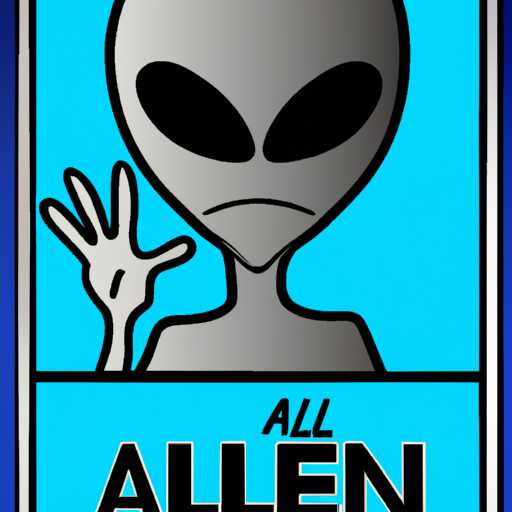
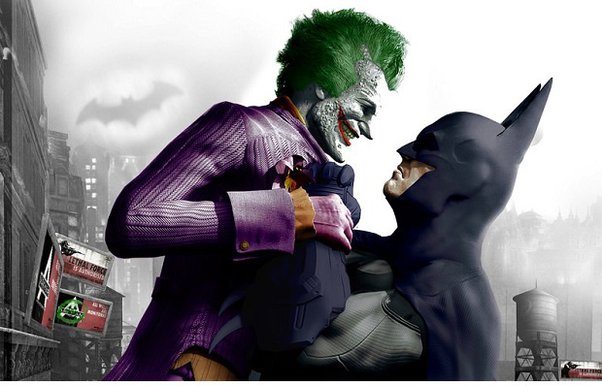
Example of visual style of Denis Villeneuve

Denis Villeneuve

Denis Villeneuve is known for his visually stunning and captivating style that blends elements of suspense, noir, and psychological drama. His films often explore dark themes and feature intricate storytelling techniques. Villeneuve's visual style became famous in the early 2010s with films like 'Prisoners' and 'Sicario', which showcased his meticulous attention to detail and atmospheric cinematography. He gained further recognition with the sci-fi film 'Blade Runner 2049' in 2017, known for its breathtaking visuals and dystopian aesthetics.

View StyleExplore Style
Example of visual style of Giallo Films

Giallo Films

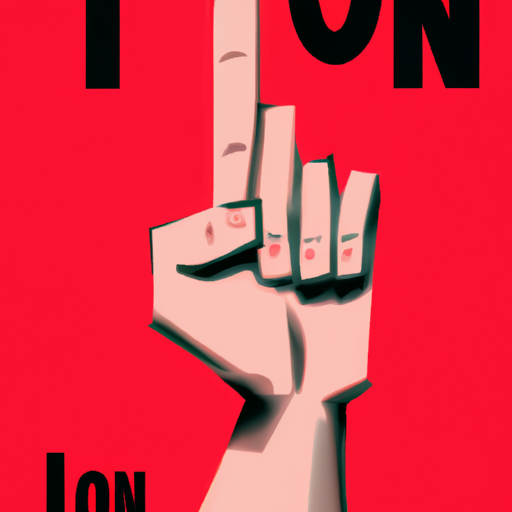
Giallo Films is an Italian genre of thriller and horror movies that emerged in the late 1960s and gained popularity in the 1970s. It is characterized by its intense use of stylized visuals, bright and vivid colors, intricate and convoluted plots, psychological and supernatural elements, as well as shocking scenes of violence and eroticism. Giallo Films often feature a masked killer and explore themes of mystery, murder, and detective investigation. The genre is known for its distinctive blend of suspenseful storytelling, atmospheric cinematography, and haunting musical scores. Giallo Films were highly influential in shaping the modern slasher and psychological horror genres.

View StyleExplore Style
Example of visual style of Gothic Horror

Gothic Horror

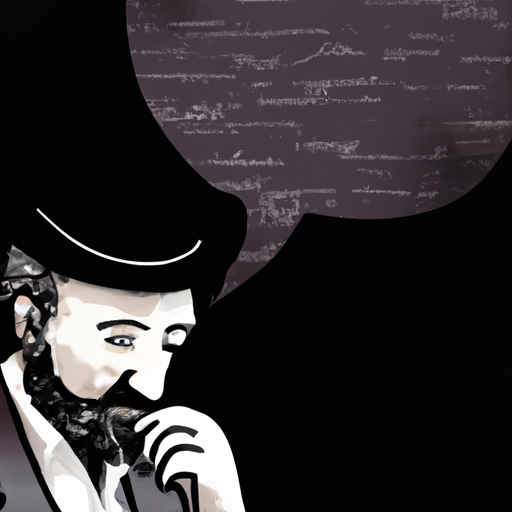
Gothic Horror is a visual style that emerged in the late 18th and early 19th centuries. It became famous through literature and later extended to other art forms. This style is characterized by its macabre and gloomy atmosphere, combining elements of horror, suspense, and the supernatural. Gothic Horror often features eerie castles, dark forests, graveyards, and haunted mansions as settings. It explores themes of death, decay, madness, and the unknown, making use of dramatic lighting, exaggerated shadows, and grotesque or supernatural creatures. Prominent examples include Mary Shelley's 'Frankenstein' published in 1818 and Bram Stoker's 'Dracula' published in 1897.

View StyleExplore Style
Example of visual style of Horror Film

Horror Film

Horror Film is a visual style that is characterized by its ability to induce fear, terror, and suspense in its audience. It emerged in the early 20th century and gained prominence in the 1960s and 1970s through films like Psycho (1960) and The Exorcist (1973). Horror films often incorporate elements such as darkness, shadows, distorted visuals, eerie music, and shocking imagery to create a terrifying atmosphere. The use of jump scares, supernatural elements, and psychological horror are common in this style, which became famous for its ability to elicit strong emotional reactions from viewers.

View StyleExplore Style
Example of visual style of Horror Filmmakers

Horror Filmmakers

Horror Filmmakers is a visual style that emerged in the early 20th century and continues to be popular to this day. It is characterized by its ability to create a feeling of fear, darkness, suspense, and terror. Famous horror filmmakers, such as Alfred Hitchcock, Wes Craven, and John Carpenter, contributed to the popularity of this style by creating iconic horror films like Psycho, A Nightmare on Elm Street, and Halloween. The use of eerie lighting, shadows, eerie music, jump scares, and gruesome special effects are some of the key elements that make this style famous.

View StyleExplore Style
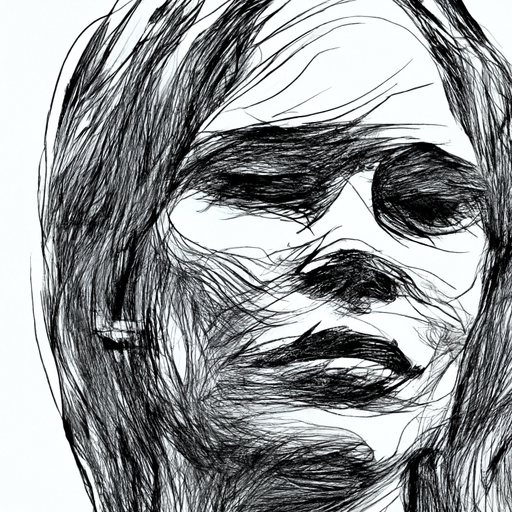
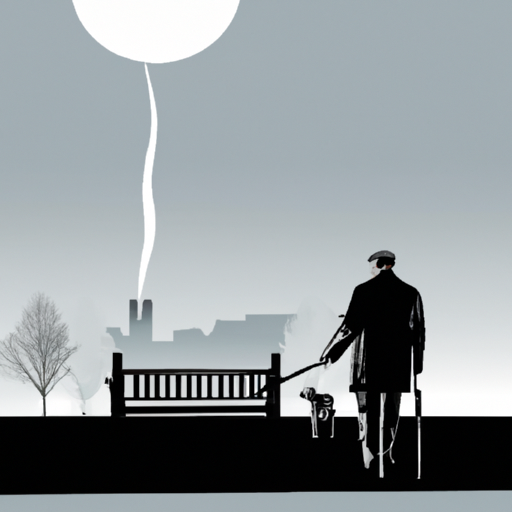
Example of visual style of Jean Pierre Melville

Jean Pierre Melville

The visual style of Jean Pierre Melville is characterized by minimalist and atmospheric cinematography, understated performances, and a focus on crime and noir themes. Melville's films, predominantly made in the 1960s, are known for their precise and elegant compositions, with a muted color palette and stark lighting. His use of long takes and a meticulous attention to detail created a sense of suspense and tension. Jean Pierre Melville is particularly famous for his films 'Le Samouraï' (1967) and 'Le Cercle Rouge' (1970), which epitomize his signature style.

View StyleExplore Style
Example of visual style of Kathryn Bigelow

Kathryn Bigelow

Kathryn Bigelow's visual style is characterized by gritty realism, visceral action sequences, and intense storytelling. Her films often explore themes of conflict, violence, and power dynamics. Bigelow gained prominence in the 1980s and 1990s with films like 'Blue Steel' (1989) and 'Point Break' (1991), which showcased her knack for adrenaline-pumping narratives and stylish visuals. She achieved widespread fame with 'The Hurt Locker' in 2008, a critically acclaimed war drama that won her the Oscar for Best Director, making her the first female director to receive the prestigious award. Bigelow's groundbreaking success continued with 'Zero Dark Thirty' (2012), further solidifying her reputation as a master of suspense and tension in cinema.

View StyleExplore Style
Example of visual style of Night Of The Living Dead

Night Of The Living Dead

Night Of The Living Dead is a visual style that emerged in the late 1960s and early 1970s, particularly popularized by the influential horror film of the same name directed by George A. Romero in 1968. This style is characterized by its gritty and low-budget aesthetic, featuring stark black and white cinematography, realistic or documentary-like camera work, and a focus on tension, suspense, and gore. The film's groundbreaking use of zombies and the apocalyptic narrative has made Night Of The Living Dead a seminal work in the genre, establishing many of the tropes and conventions still seen in modern zombie films today.

View StyleExplore Style
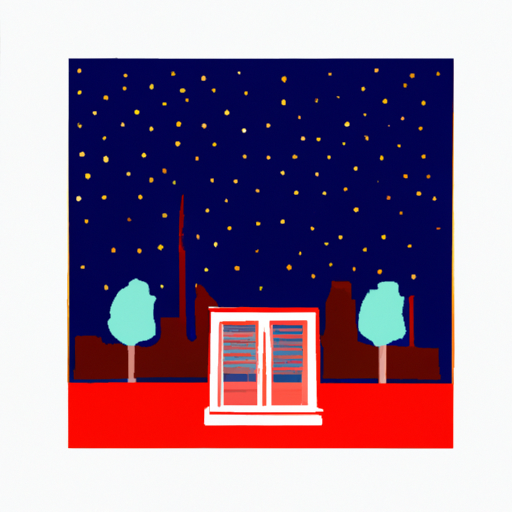
Example of visual style of Rear Window

Rear Window

Rear Window is a visual style often associated with Alfred Hitchcock's 1954 film of the same name. It is characterized by its meticulously constructed set design, its use of confined spaces, and its voyeuristic perspective. The film's visual style became famous for its innovative use of the 'subjective camera,' where the viewer sees the world from the main character's perspective, looking out of his apartment window. This style creates a sense of suspense and intrigue, as the audience becomes both viewer and voyeur.

View StyleExplore Style
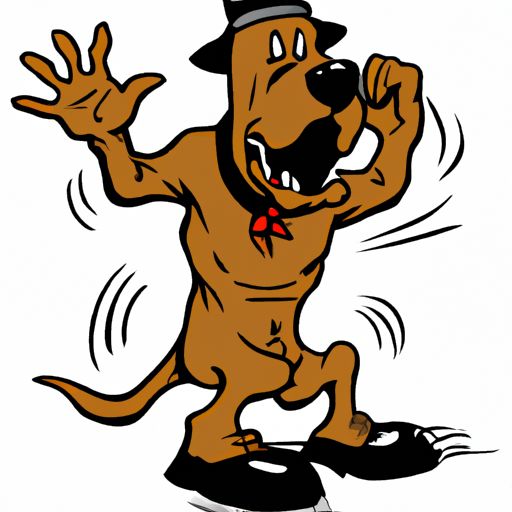
Example of visual style of Scooby Doo

Scooby Doo

The Scooby Doo visual style emerged in the late 1960s and became famous for its unique blend of animation and mystery-solving. This iconic style features colorful, cartoony characters with exaggerated features, set against backgrounds that incorporate spooky locations and haunted themes. Scooby Doo's popularity grew through the 1970s and beyond, with several animated series, movies, and spin-offs. The show's combination of humor, suspense, and supernatural elements has made it a beloved classic for generations.

View StyleExplore Style
Example of visual style of The Thing

The Thing

The visual style of 'The Thing' is characterized by a blend of horror and science fiction themes, creating a sense of suspense and paranoia. It became famous for its realistic and gruesome special effects, which were way ahead of its time. Released in 1982, John Carpenter's 'The Thing' gained recognition for its revolutionary use of practical effects, remarkable creature design, and shocking visual imagery. The film's chilling atmosphere and tension-building cinematography contributed to its cult following and enduring influence on the horror genre.

View StyleExplore Style
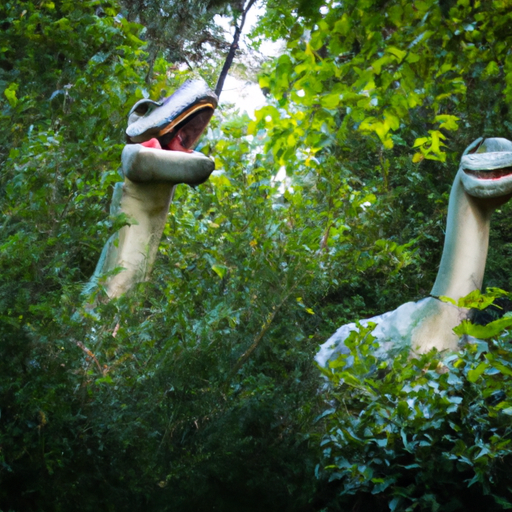
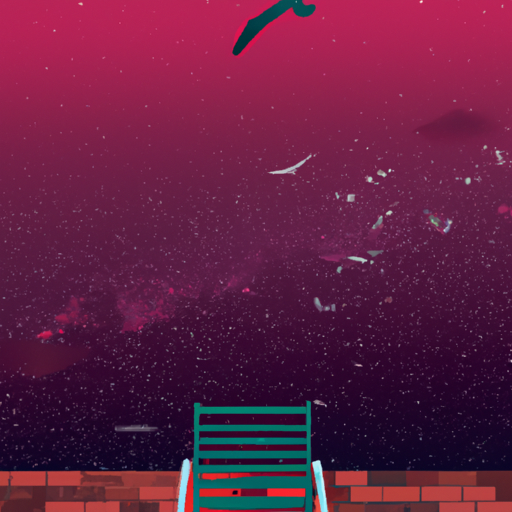
Example of visual style of Vertigo

Vertigo

Vertigo is a visual style that originated in the 1950s and became famous for its distinctive use of color, composition, and visual illusions. It is primarily associated with the American suspense thriller film 'Vertigo' directed by Alfred Hitchcock in 1958. This style is characterized by its dizzying and disorienting visuals, often achieved through the use of unique camera angles, spiraling patterns, and distorted perspectives. It is known for its atmospheric and dreamlike quality, captivating audiences with its eerie and psychological nature. Vertigo's fame stems from its ability to manipulate the viewer's perception, creating a sense of unease and suspense.

View StyleExplore Style
Home