StylopediaStylopedia

Surrealistic styles on Stylopedia

A visual encyclopedia of surrealistic styles – use as prompt inspiration for Midjourney, Gemini, or ChatGPT AI when making surrealistic images

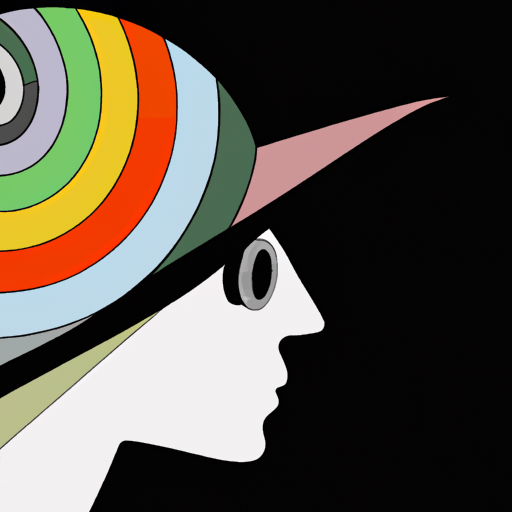
Example of visual style of Aldous Huxley

Aldous Huxley

The Aldous Huxley visual style represents a blend of dystopian themes, surrealistic elements, and intellectual perspectives prevalent during the early to mid-20th century. Inspired by Aldous Huxley's literary works, such as Brave New World, this style emerged as a reflection of the author's exploration of societal and technological advancements. It gained prominence in the 1930s and remains influential today for its critique of scientific progress, societal control, and the human condition.

View StyleExplore Style
Example of visual style of Bong Joon Ho

Bong Joon Ho

Bong Joon Ho is a South Korean filmmaker known for his distinctive visual style that combines elements of dark humor, social commentary, and genre-bending storytelling. He gained international recognition in the 2000s and 2010s with films such as 'Memories of Murder' (2003), 'The Host' (2006), 'Snowpiercer' (2013), and 'Parasite' (2019). Bong's visual style often features meticulous and atmospheric cinematography, long takes, and a juxtaposition of realistic and surrealistic elements. He is renowned for his ability to seamlessly blend different genres and create thought-provoking narratives that tackle social issues. Bong Joon Ho's films have received critical acclaim and have been celebrated for their innovative storytelling, making him one of the most influential directors in modern cinema.

View StyleExplore Style
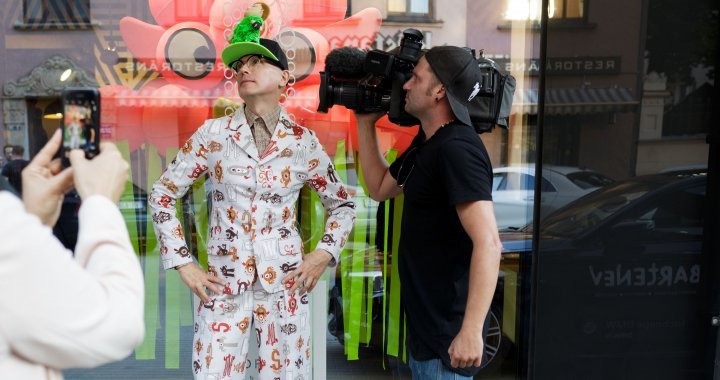
Example of visual style of David LaChapelle

David LaChapelle

David LaChapelle is a renowned American photographer known for his hyper-realistic and surrealistic style. His career began in the 1980s when he moved to New York City and started working for Andy Warhol's Interview magazine. LaChapelle's style became famous for its vibrant colors, bold compositions, and larger-than-life subjects. His photographs often combine pop culture references, religious imagery, and themes of glamour and consumerism. LaChapelle's work gained widespread recognition in the 1990s and early 2000s, with his iconic celebrity portraits and groundbreaking editorial campaigns.

View StyleExplore Style
Example of visual style of King Crimson

King Crimson

The visual style of King Crimson emerged in the late 1960s and is characterized by psychedelic and surrealistic elements. It became particularly famous during the 1970s with the release of their iconic album covers designed by artists such as Barry Godber and Peter Sinfield. The style often incorporates vivid colors, intricate illustrations, and mystical or surreal imagery, creating visually captivating and thought-provoking artwork that reflects the band's progressive rock music.

View StyleExplore Style
Example of visual style of Melissa Adams

Melissa Adams

Melissa Adams is known for her unique visual style that emerged in the early 2000s. Her style is characterized by vibrant colors, bold shapes, and a surrealistic touch. Melissa's work often combines elements of nature and fantasy, creating dreamlike and whimsical compositions. Her use of intricate details and intricate patterns has made her style instantly recognizable. Melissa Adams gained fame for her innovative approach to digital art and her ability to create visually stunning and captivating imagery.

View StyleExplore Style
Example of visual style of Yoshiki Haruhana

Yoshiki Haruhana

Yoshiki Haruhana is a Japanese visual artist best known for his unique and surrealistic style. With his bold use of colors and intricate details, Haruhana's work often combines elements of fantasy, science fiction, and nature. His art gained significant recognition in the late 1980s and 1990s, representing a time when Japanese artists were exploring new mediums and pushing the boundaries of traditional art. Haruhana's ability to blend traditional Japanese art techniques with contemporary themes made him a notable figure in the art world.

View StyleExplore Style

Home