
Ag Cook
The visual style of Ag Cook is vibrant, colorful, and whimsical, often incorporating elements of digital art and surrealism. It became famous in the 2010s for his work with artists like Charli XCX and PC Music.
View StyleExplore Style Stylopedia
A visual encyclopedia of surrealism styles – use as prompt inspiration for Midjourney, Gemini, or ChatGPT AI when making surrealism images
The visual style of Ag Cook is vibrant, colorful, and whimsical, often incorporating elements of digital art and surrealism. It became famous in the 2010s for his work with artists like Charli XCX and PC Music.
View StyleExplore Style
Airbrush Art is a style of painting that emerged in the mid-20th century and became popular in the 1970s and 1980s. It is known for its smooth, gradient-like textures created using an airbrush tool. This technique allows artists to achieve a high level of realism and precision. Airbrush Art gained fame for its use in automotive customization, album covers, and fantasy artwork. The style became synonymous with hyperrealism and surrealism, creating dreamlike images that captivated viewers.
View StyleExplore Style
The Alexander Calder visual style is characterized by abstract and kinetic sculptures. Calder's works became famous in the mid-20th century for their use of bold colors, organic shapes, and the ability to move and create dynamic effects. His signature mobiles, which are suspended sculptures that move with the airflow, became iconic. Calder's style combined elements of modernism and surrealism, and he is considered one of the pioneers of kinetic art.
View StyleExplore Style
Alix Sharkey is known for her vibrant, colorful paintings that often feature whimsical characters and dreamlike landscapes. Her work became famous in the early 2000s for its unique blend of surrealism and fantasy.
View StyleExplore Style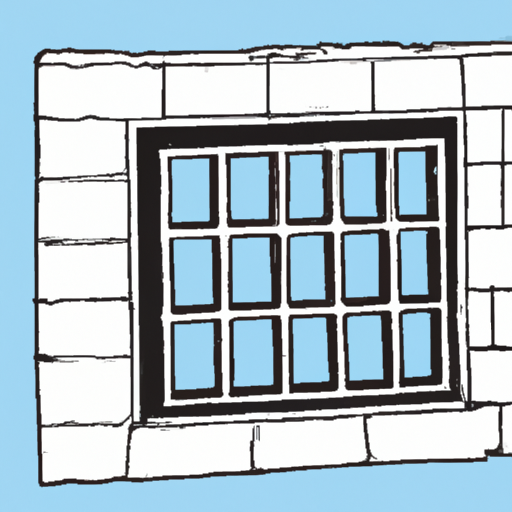
Am Cassandre is a visual style created by Adolphe Jean-Marie Mouron, who is better known by his pseudonym, Cassandre. This style emerged in the early 20th century and gained prominence in the 1920s and 1930s. Cassandre was renowned for his innovative and avant-garde approach to graphic design, particularly in the realm of poster art. He revolutionized the field by incorporating elements of Cubism, Futurism, and Surrealism into his work. His bold use of colors, sharp geometric shapes, and dynamic compositions made his posters instantly recognizable and highly influential. Cassandre's iconic designs for companies like Dubonnet, Nord Express, and Normandie solidified his status as one of the most important graphic designers of his time.
View StyleExplore Style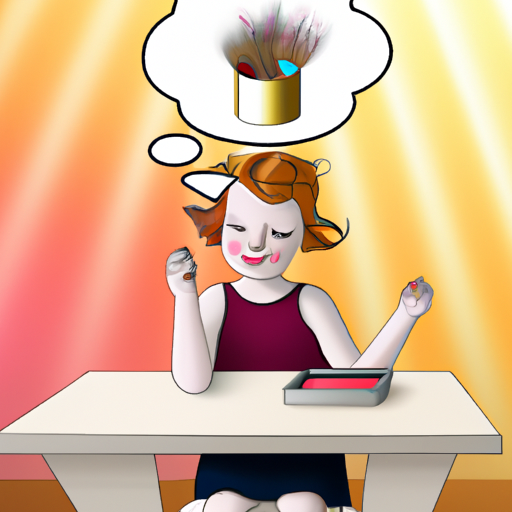
Amelie Poulain is a visual style that became famous after the release of the French film 'Amelie' in 2001. It is known for its whimsical, vintage-inspired aesthetic with a touch of nostalgia. The style features vibrant colors, playful compositions, and dreamlike imagery. It often incorporates elements of retro and surrealism, creating a magical and romantic atmosphere. The film's success and critical acclaim contributed to the popularity of this style in contemporary art and design.
View StyleExplore Style
Arca is a visual style known for its futuristic and avant-garde aesthetics, blending elements of surrealism, cyberpunk, and glitch art. Popularized in the 2010s by artist and musician Arca, known for pushing boundaries in music and visual art.
View StyleExplore Style
Arik Brauer's visual style is characterized by vibrant colors, intricate details, and fantastical scenes depicting dream-like worlds. Influenced by Surrealism and Viennese Fantastic Realism, his work often combines elements of fantasy, folklore, and the subconscious. Brauer rose to fame in the 1960s with his unique blend of Jewish mysticism and Austrian culture.
View StyleExplore Style
Barbara Carrasco's visual style is characterized by vibrant colors, intricate details, and a mix of realism and surrealism. She is known for her large-scale murals that address social and political issues, particularly those affecting the Latino community in the United States.
View StyleExplore Style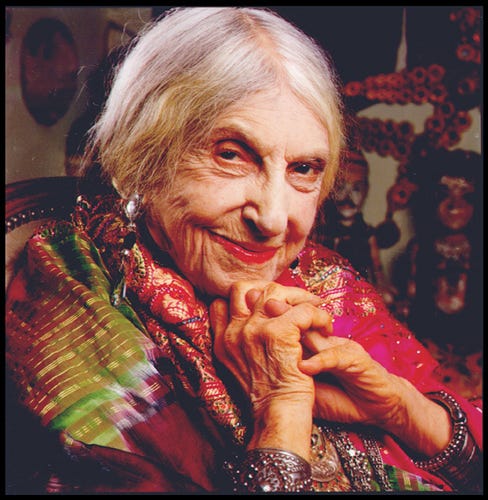
Beatrice Wood was known for her whimsical and colorful ceramic pieces created during the early to mid-20th century. Her unique style combined elements of surrealism and modernism, capturing a sense of playfulness and creativity.
View StyleExplore Style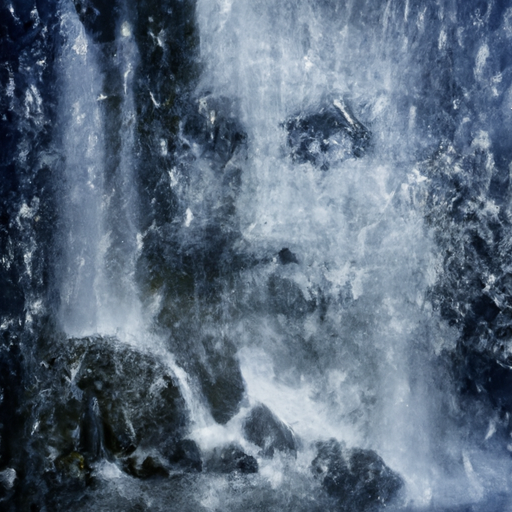
Beksinski is a gothic and surrealist visual style that emerged in the late 20th century. It is named after the Polish artist Zdzislaw Beksinski, who gained prominence in the 1980s and 1990s. Beksinski's works are characterized by dark, atmospheric landscapes, abstract forms, and distorted figures. Known for his dystopian and apocalyptic themes, Beksinski's art often evokes feelings of melancholy and despair. His unique style combines elements of surrealism, expressionism, and fantasy, creating haunting and otherworldly imagery.
View StyleExplore Style
The Bjork visual style emerged in the late 1990s and became famous for its avant-garde, futuristic, and eclectic aesthetic. Incorporating elements of surrealism, art-pop, and experimental fashion, this style captivated audiences with its imaginative and otherworldly visuals. Bjork's visual style often featured vibrant colors, unconventional costumes, fantastical sets, and visually stunning music videos. Key years include the late 1990s and early 2000s when Bjork collaborated with renowned designers and directors to create visually groundbreaking works like the 'All Is Full of Love' music video and the 'Biophilia' multimedia project.
View StyleExplore Style
Haruki Murakami's writing style is characterized by surreal elements, magical realism, and a focus on the mundane aspects of life. His works often blend genres such as mystery, fantasy, and literary fiction. Murakami rose to fame in the 1980s with novels like 'Norwegian Wood' and 'Kafka on the Shore'.

Carmi Grau is a visual artist known for his intricate and fantastical illustrations, characterized by detailed line work and vibrant colors. His work gained popularity in the early 2000s for its unique blend of fantasy and surrealism.
View StyleExplore Style
Christian Schad was a German painter and photographer known for his exploration of the New Objectivity movement in the 1920s. His visual style was characterized by sharp lines, angular shapes, and a precise attention to detail. Schad's works often depicted urban scenes, portraits, and still lifes, using a combination of realism and surrealism. He gained fame for his influential contributions to the art world during the interwar period.
View StyleExplore Style
The Dali visual style is defined by dream-like, surreal imagery characterized by melting clocks, distorted figures, and bizarre landscapes. Salvador Dali, a prominent Spanish Surrealist artist, popularized this style in the 1920s-40s.
View StyleExplore Style
Danny Boyle's visual style is characterized by dynamic camerawork, vivid color palettes, and fast-paced editing. His films often feature gritty realism with moments of surrealism, creating a distinctive and energetic atmosphere. Boyle gained fame for his work on films like Trainspotting (1996) and Slumdog Millionaire (2008).
View StyleExplore Style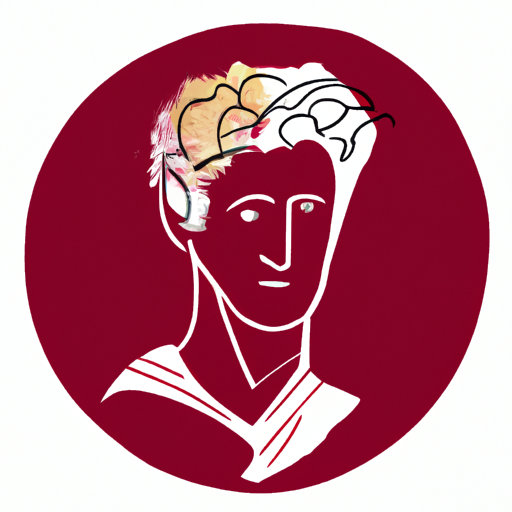
The visual style of David Byrne is characterized by its bold, eclectic and unconventional nature. It emerged in the late 1970s and gained prominence during the 1980s. Known for his work as a musician, artist, and performer, David Byrne's visual style became famous through his collaborations with various artists and designers. Byrne's style is a fusion of avant-garde, post-punk, and pop art, incorporating elements of surrealism and minimalism. His use of vibrant colors, geometric patterns, and the juxtaposition of seemingly unrelated objects create visually captivating and thought-provoking compositions. This style gained a significant following due to its innovative and boundary-pushing approach to visual expression.
View StyleExplore Style
David Lynch is a visionary filmmaker known for his unique and enigmatic visual style. His style emerged in the 1980s and gained widespread recognition through his acclaimed film 'Eraserhead' released in 1977 and the TV series 'Twin Peaks' in the early 1990s. Lynch's visual style is characterized by surrealism, psychological depth, and a sense of mystery. He often juxtaposes light and dark elements, creating a dreamlike atmosphere that blurs the lines between reality and imagination. Through the use of unconventional camera angles, eerie lighting, and haunting sound design, Lynch's work embodies a haunting and unsettling beauty.
View StyleExplore Style
Delicatessen is a darkly comedic and visually striking film directed by Jean-Pierre Jeunet and Marc Caro. Released in 1991, it gained fame for its unique and whimsical visual style. The film is set in a post-apocalyptic world, where food is scarce and a butcher lures unsuspecting victims to use as meat in his deli. The visual style of Delicatessen combines elements of surrealism, steampunk, and dark comedy, creating a captivating and macabre atmosphere.
View StyleExplore Style
Surrealist artist known for her dreamlike, mysterious, and often unsettling paintings and sculptures. Active in the mid-20th century, Tanning's work often explores themes of femininity, identity, and the subconscious.
View StyleExplore Style
Ed Paschke was an American painter known for his vibrant, figurative works that often depicted distorted and surreal human figures. Emerging in the 1960s, Paschke's style combined elements of Pop Art, Surrealism, and Expressionism, making him a prominent figure in the Chicago Imagists group.
View StyleExplore Style
Elsa Mora's visual style is characterized by intricate paper cutouts that evoke a sense of fantasy and surrealism. Her work gained popularity in the early 2000s for its delicate craftsmanship and whimsical subject matter.
View StyleExplore Style
Elsa Schiaparelli was an influential fashion designer known for her bold and avant-garde style. She rose to prominence in the 1920s-1930s, challenging the traditional notions of fashion with her innovative designs. Schiaparelli's use of vibrant colors, unconventional materials, and daring motifs made her famous. Her collaborations with artists like Salvador Dalí and Jean Cocteau contributed to her distinctive style. Schiaparelli's designs exuded a sense of surrealism and wit, pushing the boundaries of fashion and captivating the fashion world.
View StyleExplore Style
The Eric Idle visual style refers to the distinctive aesthetic associated with British comedian and actor Eric Idle. It emerged during the 1970s and gained prominence through his work with the comedy group Monty Python. Eric Idle's visual style is characterized by a combination of absurdity, eccentricity, and surrealism. His comedic performances often showcase flamboyant costumes, exaggerated facial expressions, and frenetic physicality, creating a unique and highly entertaining experience for audiences.
View StyleExplore Style
Ernst Fuchs was an Austrian artist known for his highly detailed and fantastical paintings. His style, known as fantastic realism, combines elements of surrealism, religious symbolism, and intricate details. Fuchs gained fame in the 1960s as a leading figure of the Vienna School of Fantastic Realism.
View StyleExplore Style
Eugene Ionesco's visual style is characterized by surrealism, absurdity, and the use of exaggerated, distorted figures. He gained fame in the mid-20th century for his innovative theater designs that challenged traditional norms.
View StyleExplore Style
Eugenio Caballero is a Mexican production designer known for his visually striking and imaginative style. His work often blends surrealism, symbolism, and vivid colors to create fantastical and dreamlike environments. Caballero rose to fame in 2006 when he won an Academy Award for Best Art Direction for his work on the film 'Pan's Labyrinth'. His meticulously crafted sets and attention to detail have made him one of the most sought-after production designers in the industry.
View StyleExplore Style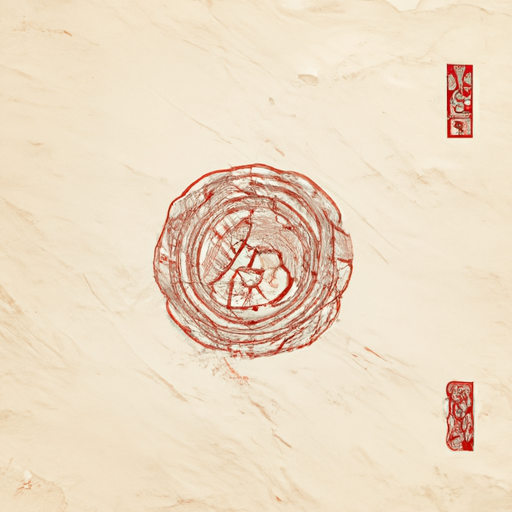
Fiona Tang is a contemporary artist known for her stunning large-scale charcoal drawings. Her style combines realistic and surreal elements, creating immersive and visually captivating pieces. Tang gained significant recognition for her work in 2012 when she started incorporating trompe l'oeil techniques in her drawings. This technique, along with her meticulous attention to detail and skilled shading, gives her artwork a three-dimensional feel, as if the subjects are emerging from the paper. Tang's art often features animals, emphasizing the connection between humans and the natural world.
View StyleExplore Style
Francis Picabia was a French artist known for his eclectic and constantly evolving style. His work spanned multiple art movements including Cubism, Dadaism, and Surrealism. He gained fame for his whimsical and satirical approach to art, often creating provocative and controversial works.
View StyleExplore Style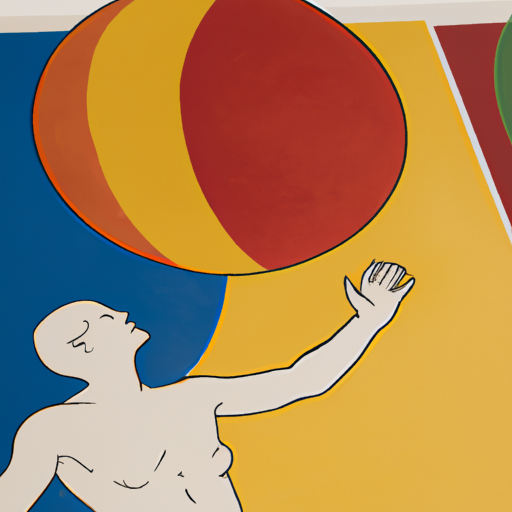
The Franco Belgian Comic Artists style emerged in the mid-20th century and gained popularity in the 1950s and 1960s. It is characterized by its unique combination of detailed and expressive artwork, strong storytelling, and a sense of humor. The style is famous for its iconic characters like Tintin, Asterix, and The Smurfs, which have become cultural phenomena. The Franco Belgian Comic Artists style was primarily influenced by the storytelling traditions of European comics and the art movements of the time, such as ligne claire (clear line) and surrealism.
View StyleExplore Style
Gary Baseman is a visual artist known for his unique and highly imaginative style which blends elements of pop art, surrealism, and street art. His style became famous in the late 90s and early 2000s through his creation of the character 'Toby', a mischievous and introspective alter ego. Baseman's work often features vibrant colors, intricate patterns, and a sense of whimsy, while exploring themes of identity, memory, and human connection.
View StyleExplore Style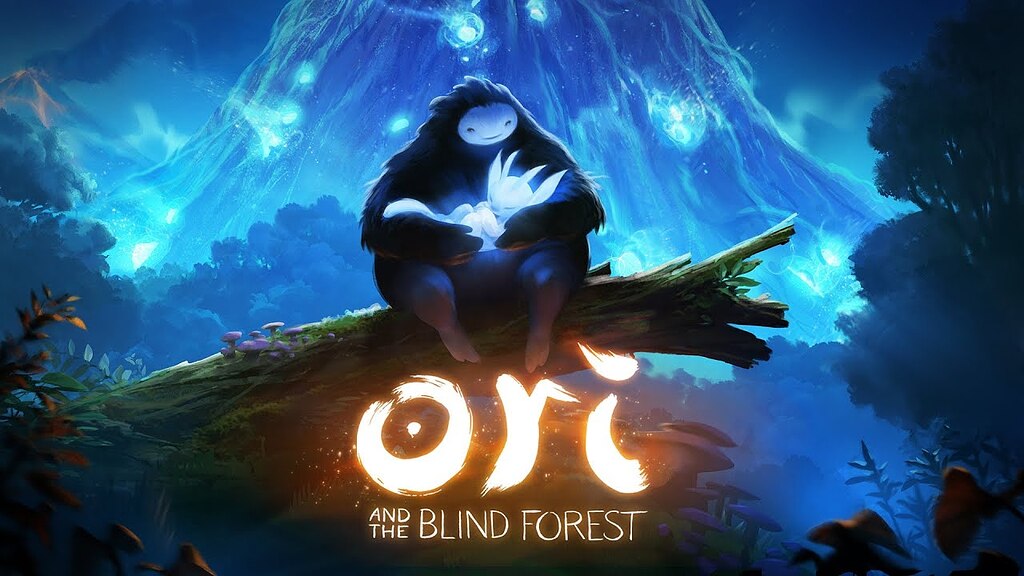
Gennadiy Korol's visual style is characterized by bold, vibrant colors, surreal and dreamlike imagery, and intricate details. Known for his unique approach to surrealism, his work gained fame in the 1970s and continues to inspire contemporary artists.
View StyleExplore Style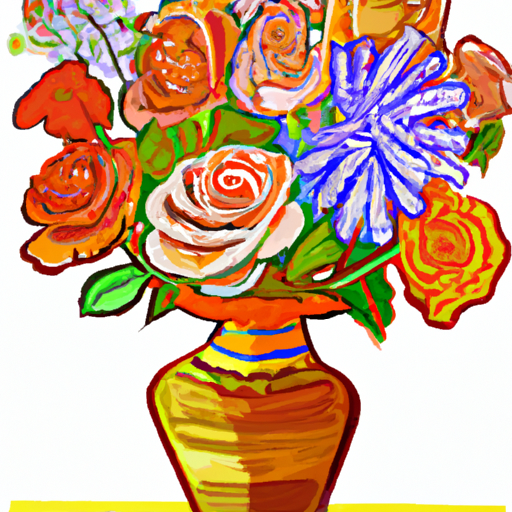
Gerald Casale is known for his avant-garde visual style that combines elements of surrealism, pop culture, and postmodernism. He gained fame in the late 1970s as a member of the band Devo, known for their quirky music and distinctive visual aesthetic.
View StyleExplore Style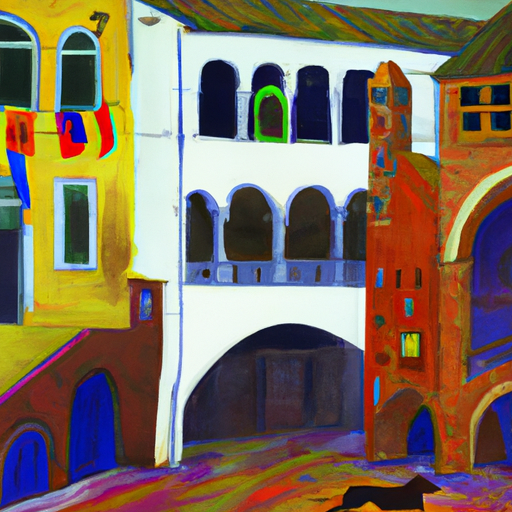
Giorgio De Chirico was an Italian artist known for his style of metaphysical painting, which emerged in the early 20th century. His works are characterized by eerie, dreamlike landscapes with deserted squares, arcades, and classical architecture. De Chirico's art often featured sharp contrasts of light and shadow, as well as unexpected perspectives and juxtapositions. His iconic work 'The Melancholy of Departure' painted in 1914 became famous and helped establish his reputation as a leading figure in the Surrealist movement.
View StyleExplore Style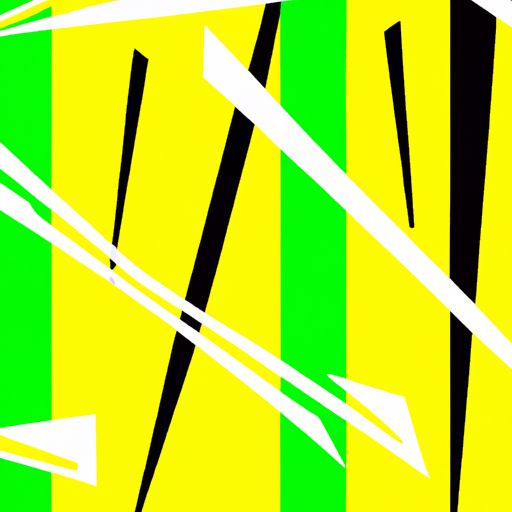
Graphic Design in the 90s was characterized by bold, vibrant, and eclectic designs. It was a period of graphic experimentation and the rebirth of digital design. The style emerged in the early 1990s and continued throughout the decade, renowned for its use of bold colors, geometric shapes, grunge textures, and a mix of typography styles. The rise of desktop publishing and software like Adobe Photoshop contributed to the popularity of this style. Designers often embraced a postmodern aesthetic with a focus on surrealism, collage, and deconstructed layouts. This style gained fame for its unique blend of digital and analog elements that reflected the fast-paced, technologically advanced nature of the era.
View StyleExplore Style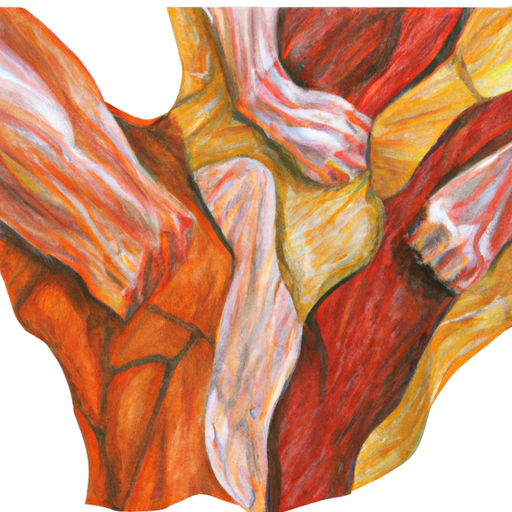
Guido Crepax was an Italian comics artist known for his distinctive style that emerged in the 1960s. His illustrations featured intricate linework, bold black and white contrasts, and a unique blend of eroticism and surrealism. Crepax's work became famous for its association with the adult-oriented comic genre and for his iconic character Valentina, a strong and independent female protagonist. His visual storytelling techniques, such as innovative panel layouts and use of psychedelic imagery, greatly influenced the comic art of his time and beyond.
View StyleExplore Style
Hans Arp was a German-French artist and poet known for his abstract and organic visual style. He played a key role in the development of Dadaism and Surrealism. Arp's artistic career spanned from the early 1900s to the 1960s, during which he explored unconventional forms, biomorphic shapes, and the integration of chance in art. His works often showcased a playful and whimsical approach, blurring the distinction between nature and abstraction. Hans Arp's unique style and contributions to the art movement made him a prominent figure in modern art history.
View StyleExplore Style
Hans Bellmer's visual style is characterized by surrealistic and erotic imagery, featuring distorted and fragmented female mannequins in provocative poses. Active during the mid-20th century, Bellmer's work challenged conventional ideas of beauty and gender roles.
View StyleExplore Style
Hans Ruedi Giger's visual style is characterized by biomechanical imagery, surrealism, and dark, nightmarish themes. His style gained fame in the 1970s and 1980s due to his work on the film Alien, which featured his distinctive creature design.
View StyleExplore Style
Henry Selick's visual style is known for its dark and eccentric charm, combining fantastical elements with a touch of surrealism. He gained prominence in the late 20th century, particularly in the 1990s, for his innovative stop-motion animation techniques. His works often feature intricate and meticulously crafted sets, evoking a sense of tactile realism. Selick's fame comes from directing iconic films like 'The Nightmare Before Christmas' (1993) and 'James and the Giant Peach' (1996), which showcased his unique style and storytelling abilities.
View StyleExplore Style
Hideshi Hino's visual style is known for its grotesque and macabre imagery, characterized by detailed and disturbing illustrations. His work gained fame in the 1980s for its unique blend of horror and surrealism.
View StyleExplore Style
Hiroshi Teshigahara was a Japanese filmmaker and artist known for his avant-garde visual style that combined surrealism, minimalism, and abstraction. He gained fame for his work in the 1960s and 1970s with films like Woman in the Dunes.
View StyleExplore Style
Igor Khawrin is known for his highly detailed and fantastical digital paintings, often featuring surreal landscapes and imaginative creatures. His work gained popularity in the early 2000s for its unique blend of realism and fantasy.
View StyleExplore Style
Ilya and Emilia Kabakov is a visual style created by the artist duo Ilya and Emilia Kabakov. They emerged in the late 20th century and gained recognition for their installations, sculptures, and paintings. The Kabakovs are known for their conceptual and narrative approach to art, often creating immersive environments that incorporate elements of Soviet-era nostalgia and social critique. Their works explore themes of memory, dreams, and the human condition, often inviting viewers to reflect on personal and collective experiences. Their unique fusion of conceptualism, surrealism, and social commentary has made the Ilya and Emilia Kabakov style famous around the world.
View StyleExplore Style
Iu is a visual style that emerged in the 2000s, characterized by its vibrant colors, whimsical patterns, and intricate details. It gained popularity for its playful and quirky designs that often incorporate elements of fantasy and surrealism.
View StyleExplore Style
James Ferraro's visual style is characterized by glitchy, hyper-realistic digital imagery, inspired by consumer culture and technology. His work gained popularity in the 2010s for its unique blend of pop art and surrealism.
View StyleExplore Style
Jan Svankmajer is a Czech filmmaker and artist known for his distinctive surrealist style. His work, which reached its peak in the 1960s and 1970s, is characterized by a unique blend of live-action and stop-motion animation, creating a dark and disturbing atmosphere. Svankmajer's genius lies in his ability to transform ordinary objects and materials, such as clay, into uncanny and grotesque forms, blurring the line between reality and fantasy. His exploration of the subconscious and the irrational has earned him international recognition and made him a key figure in the world of experimental cinema.
View StyleExplore Style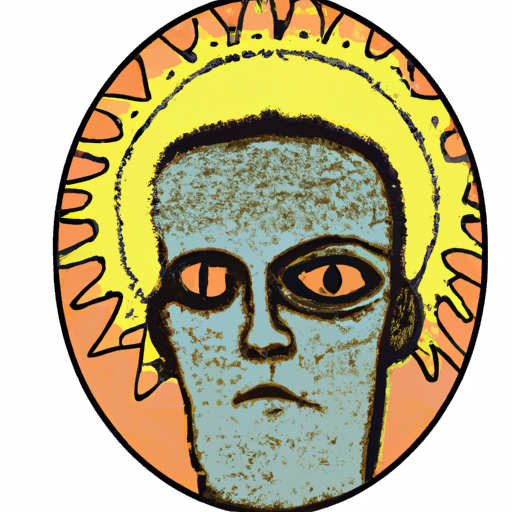
The visual style of Jean Cocteau, a French artist and filmmaker, is characterized by surrealism, fluidity, and elegance. Cocteau's style emerged in the early 20th century and became famous through his collaborations with artists like Pablo Picasso and Igor Stravinsky. Cocteau's work often showcases dreamlike and fantastical elements, blurring the boundaries between reality and imagination.
View StyleExplore Style
Jean Giraud, also known as Moebius, was a French artist known for his highly detailed and imaginative science fiction and fantasy artwork. His distinctive style, which blended surrealism, minimalism, and intricate line work, gained popularity in the 1960s and influenced a generation of artists.
View StyleExplore Style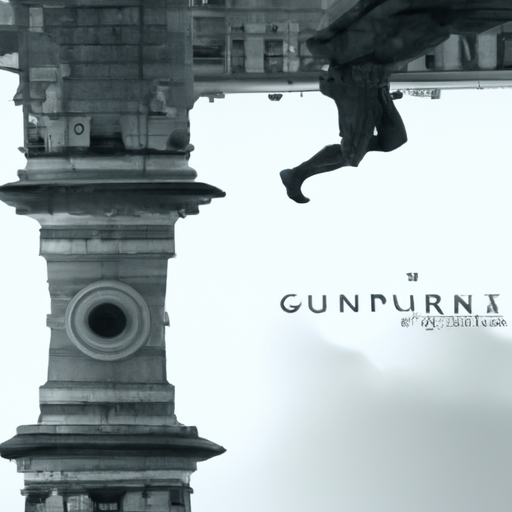
Jean Pierre Jeunet is a French director known for his distinctive visual style characterized by whimsical, dreamlike settings and quirky characters. He gained international recognition for his film 'Amélie' (2001), which became a cultural phenomenon. Jeunet's style is often described as whimsical, romantic, and fantastical. His films are filled with vibrant colors, intricate set designs, and imaginative cinematography. He often incorporates elements of surrealism and magical realism to create a sense of wonder and enchantment. Jean Pierre Jeunet is renowned for his attention to detail and his ability to create visually stunning worlds that are both visually captivating and emotionally resonant.
View StyleExplore Style
The visual style of Jenn Rayes Artist is a modern and vibrant approach to art. Combining bold colors, intricate details, and a touch of surrealism, Jenn Rayes has gained recognition in recent years for her unique style. Her use of vibrant hues and imaginative compositions create visually striking pieces that captivate the viewer. Jenn Rayes became famous for her distinctive style in the late 2010s, as her artworks started gaining popularity on social media platforms and in various art exhibitions.
View StyleExplore Style
Jess Collins, also known as Jess, was an American visual artist known for his collage and assemblage work. Active in the 20th century, Jess became famous for his intricate and surreal compositions that combined elements of pop art, surrealism, and psychedelic aesthetics.
View StyleExplore Style
Job Smeets is known for his bold and colorful designs that combine elements of surrealism, pop art, and baroque. His work became famous in the early 2000s for its playful and extravagant aesthetic.
View StyleExplore Style
John Gibson's visual style is characterized by his use of bold, vibrant colors, geometric shapes, and abstract forms. He gained recognition in the 1950s for his unique blend of modernist design elements with a touch of surrealism, creating visually striking and dynamic compositions.
View StyleExplore Style
Kyoko Okazaki is a Japanese manga artist known for her bold and edgy artwork, exploring themes of youth culture, sexuality, and societal issues. Her style emerged in the 1980s and gained fame for its unique blend of realism and surrealism.
View StyleExplore Style
The visual style of 'Labyrinth' is characterized by intricate and fantastical designs, blending elements of fantasy, puppetry, and surrealism. Made famous by the 1986 film directed by Jim Henson, this style is known for its whimsical and elaborate set designs.
View StyleExplore Style
Ladislav Fialka was a Czech painter known for his colorful and abstract compositions in the early to mid-20th century. His work often featured geometric shapes and bold colors, showing influences of both cubism and surrealism.
View StyleExplore Style
Lee Krasner was an American abstract expressionist artist known for her unique visual style characterized by bold gestural brushwork, vibrant colors, and expressive compositions. Her style emerged in the late 1940s and continued throughout her career until her death in 1984. Krasner's work gained recognition for its energy and emotional intensity, drawing inspiration from her personal experiences and inner struggles. She was famous for incorporating elements of cubism and surrealism into her abstract paintings, creating a dynamic visual language that challenged traditional notions of representation. Krasner's innovative techniques and pioneering spirit made her a key figure in the development of abstract expressionism.
View StyleExplore Style
Lee Scratch Perry's visual style is colorful, psychedelic, and vibrant, often incorporating elements of reggae, Rastafarian culture, and surrealism. His style became famous in the 1970s and is known for its bold patterns, intricate details, and playful use of color.
View StyleExplore Style