StylopediaStylopedia

Surreal styles on Stylopedia

A visual encyclopedia of surreal styles – use as prompt inspiration for Midjourney, Gemini, or ChatGPT AI when making surreal images

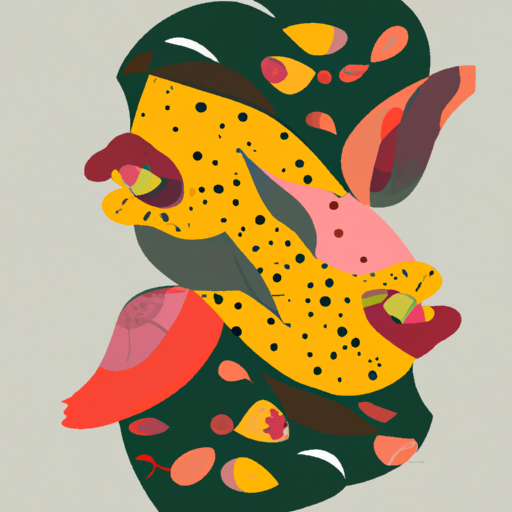
Example of visual style of Adventure Time

Adventure Time

Adventure Time is a visually distinct animated television series that aired from 2010 to 2018. It is famous for its unique, vibrant and surreal visuals, which combine bright and bold colors, geometric shapes, and abstract designs. The style incorporates a mix of 2D and 3D animation techniques to create a visually stunning and immersive world. Adventure Time gained fame for its quirky and imaginative characters, whimsical settings, and its ability to appeal to both children and adults, thus becoming a cult hit.

View StyleExplore Style
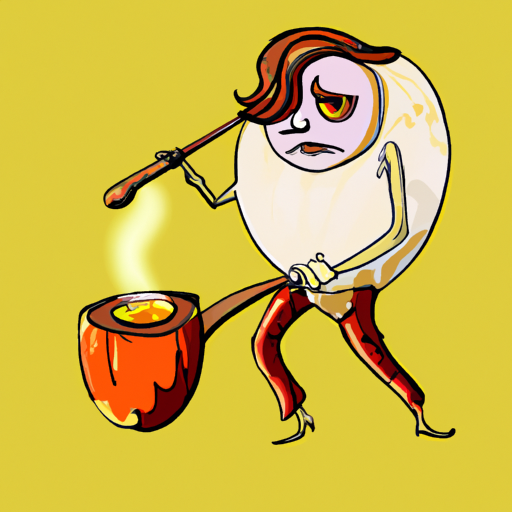
Example of visual style of Alejandro Jodorowsky

Alejandro Jodorowsky

Alejandro Jodorowsky is a visual stylist known for his surreal and avant-garde approach to filmmaking. His style emerged in the 1970s and gained popularity through films like 'El Topo' (1970) and 'The Holy Mountain' (1973). Jodorowsky's visual style is characterized by its dreamlike and hallucinatory imagery, combining elements of mysticism, religious symbolism, and psychological exploration. His use of vibrant colors, elaborate set designs, and unconventional narratives made his work highly influential in the realm of surreal cinema.

View StyleExplore Style
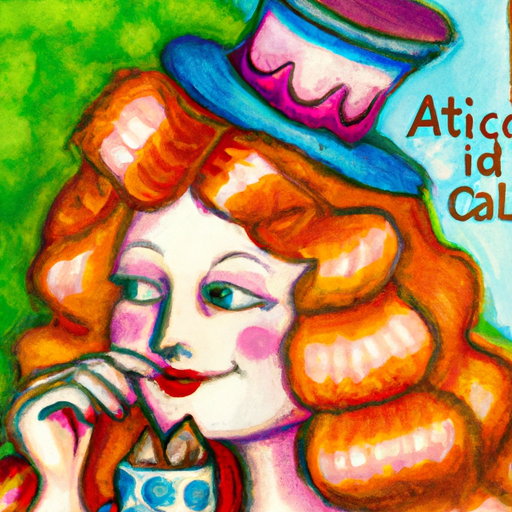
Example of visual style of Alice In Wonderland

Alice In Wonderland

Alice In Wonderland is a whimsical and fantastical visual style that gained popularity in the mid-19th century. It became famous through Lewis Carroll's novel 'Alice's Adventures in Wonderland' and its subsequent adaptations. This style is characterized by surreal and exaggerated elements, vivid and vibrant colors, anthropomorphic creatures, intricate patterns, and a sense of playfulness. It is inspired by the Victorian era and often incorporates elements of fantasy and imagination.

View StyleExplore Style
Example of visual style of Aubrey Powell

Aubrey Powell

Aubrey Powell is a British graphic designer and one of the co-founders of the design company Hipgnosis. He is best known for his revolutionary album cover designs in the 1960s and 1970s, which helped define the visual identity of rock and roll. Powell's style was characterized by surreal and imaginative concepts, combining photography, illustration, and graphic design to create visually stunning and iconic album covers. Some of his most famous works include covers for Pink Floyd's 'The Dark Side of the Moon' and Led Zeppelin's 'Houses of the Holy'. Powell's innovative approach to album cover design revolutionized the industry and made him a pioneer in the field.

View StyleExplore Style
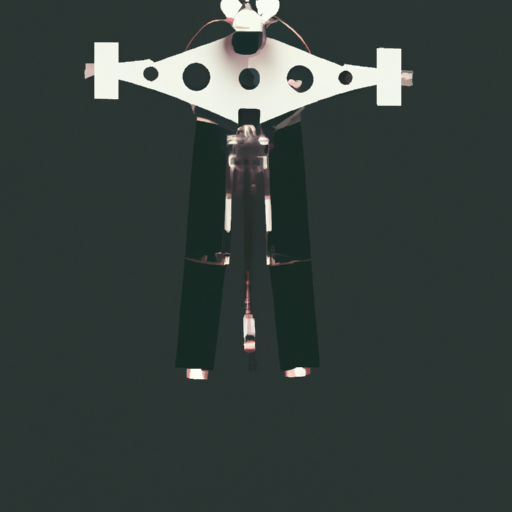
Example of visual style of Biomechanical Art

Biomechanical Art

Biomechanical Art is a visual style that emerged in the late 1970s and gained fame and recognition in the 1980s. It combines elements of organic and mechanical imagery to create surreal and often disturbing artworks. The style became famous through the works of Swiss artist H.R. Giger, who introduced his biomechanical designs in the sci-fi horror film 'Alien'. Biomechanical Art is characterized by intricate and detailed depictions of biomechanical creatures, merging human and machine, exploring themes of transformation, sexuality, and a dystopian future.

View StyleExplore Style

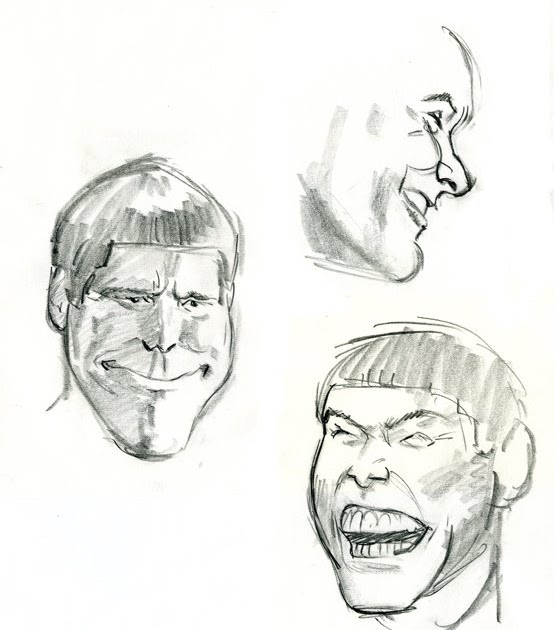
Example of visual style of Bob Camp

Bob Camp

Bob Camp is a visual artist known for his unique and distinct style in animation and comics. He gained fame in the 1990s with his work on the popular animated television series 'The Ren & Stimpy Show'. Camp's style is characterized by exaggerated and cartoony characters, bold and vibrant colors, and a quirky and surreal sense of humor. His work often features highly detailed and zany backgrounds, as well as expressive and energetic character designs. Bob Camp's style revolutionized the world of animation and is considered a hallmark of the 90s animation era.

View StyleExplore Style
Example of visual style of Camille Rose Garcia

Camille Rose Garcia

Camille Rose Garcia is known for her dark and whimsical style, often depicting surreal and fantastical scenes with a combination of innocence and darkness. Her art is heavily influenced by fairy tales, vintage cartoons, and popular culture. Garcia gained recognition in the early 2000s, particularly with her illustrations for the book "Alice's Adventures in Wonderland". Her unique style, characterized by vibrant colors, intricate details, and juxtaposition of elements, has since gained a cult following.

View StyleExplore Style
Example of visual style of Charles Burns

Charles Burns

The Charles Burns style is a unique blend of dark, surreal and grotesque imagery. Burns gained fame in the late 20th century through his distinctive black and white illustrations in comics and graphic novels. His work is characterized by its intricate linework, stark contrast, and distorted, often unsettling characters. Burns became particularly famous for his graphic novel series 'Black Hole', published from 1995 to 2005, which explored themes of adolescence, sexuality, and body horror.

View StyleExplore Style
Example of visual style of Charlie Kaufman

Charlie Kaufman

Charlie Kaufman is known for his unique and thought-provoking visual style in film. Starting in the late 1990s, Kaufman's work gained recognition for its surreal and introspective elements. His films often blur the boundaries between reality and fantasy, challenging viewers to question their own perception of the world. Kaufman became famous for his screenplays, such as 'Being John Malkovich' (1999) and 'Eternal Sunshine of the Spotless Mind' (2004), which explore themes of identity, memory, and existentialism. With his unconventional storytelling techniques and intricate plot structures, Kaufman has left an indelible mark on the film industry.

View StyleExplore Style
Example of visual style of Chiho Aoshima

Chiho Aoshima

Chiho Aoshima is a Japanese contemporary artist known for her vibrant and surreal digital art. Her style emerged in the early 2000s and gained popularity for its unique combination of traditional Japanese art influences, manga aesthetics, and digital technology. Aoshima's works often depict dreamlike landscapes populated by fantastical creatures and young female characters. Her pieces are characterized by intricate details, bold use of colors, and a distinctive blend of traditional and modern elements. Aoshima's art gained international recognition and has been exhibited in numerous galleries and museums worldwide.

View StyleExplore Style
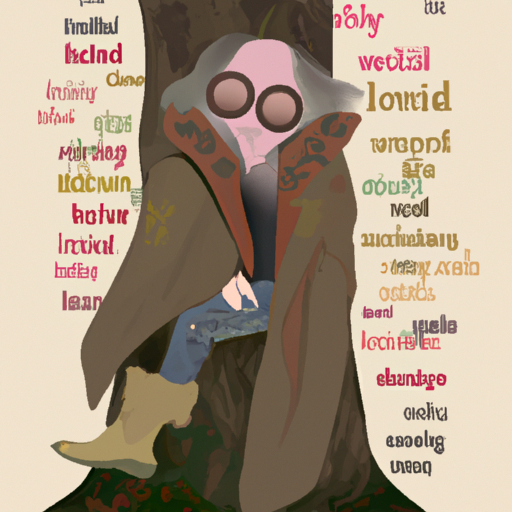
Example of visual style of Clive Barker

Clive Barker

The Clive Barker style can be described as dark, macabre, and fantastical. It emerged in the 1980s and gained fame through Barker's works as a writer, filmmaker, and visual artist. Known for his horror fiction, Barker created a unique and visually striking aesthetic that blends elements of fantasy, surrealism, and grotesque imagery. His vivid imagination and storytelling abilities made him a prominent figure in the horror genre. Barker's style often explores themes of sexuality, body horror, and the blurred lines between the real and the supernatural.

View StyleExplore Style
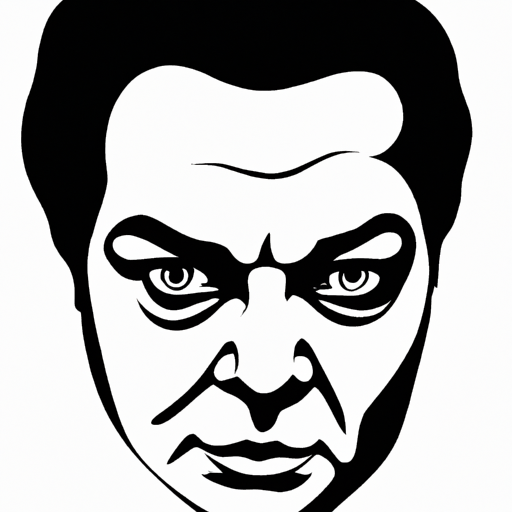
Example of visual style of Death Note

Death Note

The visual style of Death Note is dark and moody, with high contrast lighting and heavy use of shadows. The color palette is mostly muted tones of black, gray, and white, enhancing the intense and suspenseful atmosphere of the story. The distinct character designs and detailed backgrounds contribute to the overall gritty and surreal aesthetic, making Death Note a standout in the anime genre. The anime series was released in 2006 and gained widespread popularity for its unique visual style and compelling narrative.

View StyleExplore Style
Home