StylopediaStylopedia

Supernatural styles on Stylopedia

A visual encyclopedia of supernatural styles – use as prompt inspiration for Midjourney, Gemini, or ChatGPT AI when making supernatural images

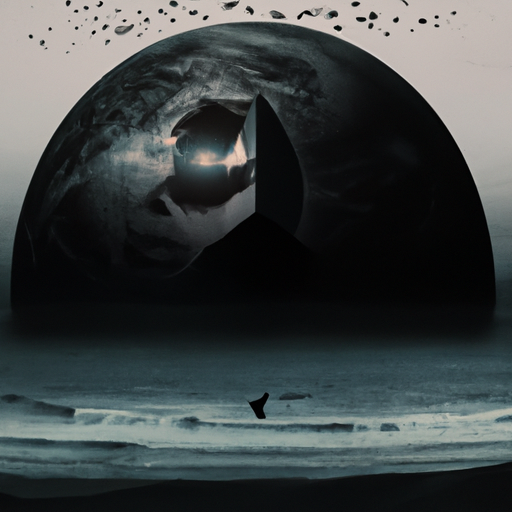
Example of visual style of Dark Fantasy

Dark Fantasy

Dark Fantasy is a visual style characterized by its eerie and mysterious atmosphere, combining elements of fantasy and horror. It emerged in the late 18th century with the Gothic literature movement, gaining popularity in the 19th and early 20th centuries. Dark Fantasy is often associated with macabre and supernatural themes, featuring haunted landscapes, grotesque creatures, and dramatic lighting. Its fame grew through the works of authors like Edgar Allan Poe and artists like Hieronymus Bosch.

View StyleExplore Style
Example of visual style of Ghostbusters

Ghostbusters

The visual style of Ghostbusters emerged in the 1980s and gained popularity through its unique blend of supernatural elements and comedy. This style became famous due to its iconic imagery and memorable characters, such as the Ghostbusters logo, the Ectomobile, and the proton packs. With its vibrant color palette, retro aesthetics, and a mix of horror and humor, Ghostbusters established a distinct visual identity that continues to be recognized and referenced today.

View StyleExplore Style

Example of visual style of Gothic Horror

Gothic Horror

Gothic Horror is a visual style that emerged in the late 18th and early 19th centuries. It became famous through literature and later extended to other art forms. This style is characterized by its macabre and gloomy atmosphere, combining elements of horror, suspense, and the supernatural. Gothic Horror often features eerie castles, dark forests, graveyards, and haunted mansions as settings. It explores themes of death, decay, madness, and the unknown, making use of dramatic lighting, exaggerated shadows, and grotesque or supernatural creatures. Prominent examples include Mary Shelley's 'Frankenstein' published in 1818 and Bram Stoker's 'Dracula' published in 1897.

View StyleExplore Style
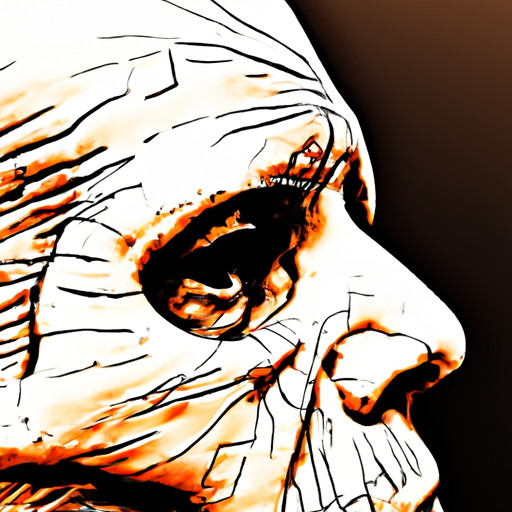
Example of visual style of Gothic Literature

Gothic Literature

Gothic Literature is a style of writing that emerged in the late 18th century and gained popularity in the 19th century. It is characterized by a dark, mysterious, and supernatural atmosphere, often set in medieval or gloomy settings. Gothic Literature explores themes of horror, death, madness, and the supernatural. Some famous Gothic literature works include Mary Shelley's 'Frankenstein' (1818) and Bram Stoker's 'Dracula' (1897). This style became famous for its ability to evoke strong emotions and tap into the readers' deepest fears and desires.

View StyleExplore Style
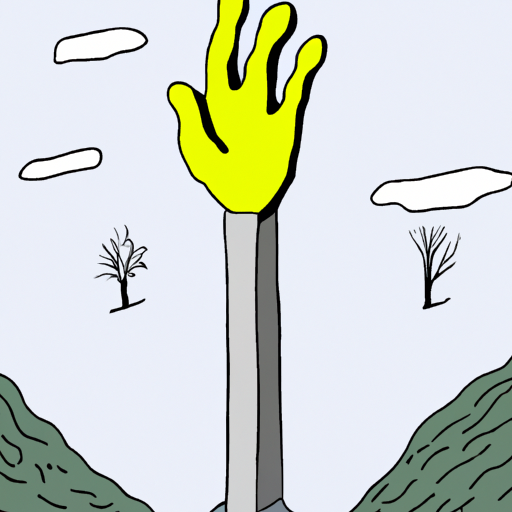
Example of visual style of Hellboy

Hellboy

Hellboy is a visual style that emerged in the comic book series of the same name, created by Mike Mignola in 1993. It is characterized by its dark and gritty aesthetic, blending elements of supernatural horror, pulp fiction, and occult folklore. The visuals often feature heavy use of shadows, contrast, and bold linework to create a sense of atmospheric and moody settings. Hellboy became famous for its unique blend of horror, fantasy, and adventure genres, along with its distinct art style that has influenced numerous artists and illustrators in the comic book industry.

View StyleExplore Style
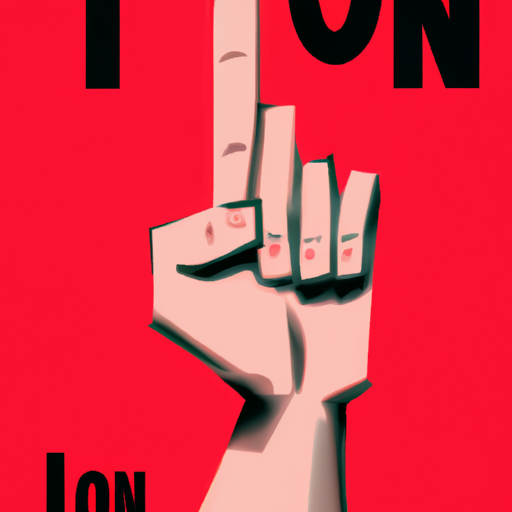
Example of visual style of Horror Art

Horror Art

Horror Art is a visual style that emerged in the late 18th century and gained popularity in the 19th and 20th centuries. It is characterized by its dark and macabre themes, often depicting supernatural elements, monsters, and eerie atmospheres. The style became famous through the works of renowned artists like Francisco Goya, Hieronymus Bosch, and H.R. Giger, who explored the darker aspects of human nature and the unknown. Horror Art delves into our deepest fears, presenting them in a visually unsettling and evocative manner.

View StyleExplore Style
Example of visual style of Horror Fiction

Horror Fiction

Horror Fiction is a visual style that aims to depict fear, terror, and the supernatural in a captivating and unsettling manner. It gained popularity in the late 18th century with the emergence of Gothic literature, with influential works like Mary Shelley's 'Frankenstein' and Bram Stoker's 'Dracula'. This style became particularly famous during the 20th century with the rise of horror movies and iconic authors such as H.P. Lovecraft and Stephen King. Horror Fiction often employs dark and intense color palettes, dramatic lighting, grotesque and macabre imagery, and eerie atmospheres to evoke feelings of suspense and horror.

View StyleExplore Style
Example of visual style of Horror Film

Horror Film

Horror Film is a visual style that is characterized by its ability to induce fear, terror, and suspense in its audience. It emerged in the early 20th century and gained prominence in the 1960s and 1970s through films like Psycho (1960) and The Exorcist (1973). Horror films often incorporate elements such as darkness, shadows, distorted visuals, eerie music, and shocking imagery to create a terrifying atmosphere. The use of jump scares, supernatural elements, and psychological horror are common in this style, which became famous for its ability to elicit strong emotional reactions from viewers.

View StyleExplore Style
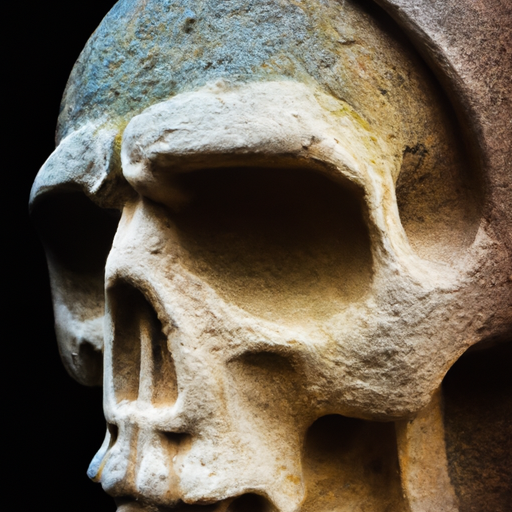
Example of visual style of Italian Horror

Italian Horror

Italian Horror, also known as Italian Gothic Horror, is a subgenre of horror films that emerged in Italy in the late 1950s and gained popularity in the 1960s and 1970s. It is characterized by its distinct visual style, combining elements of gothic horror, supernatural themes, and psychological terror. Italian horror films became famous for their atmospheric settings, intricate and suspenseful plots, and graphic violence. Directors such as Mario Bava, Dario Argento, and Lucio Fulci played a significant role in establishing this genre and making it globally recognized.

View StyleExplore Style
Example of visual style of Monster Film

Monster Film

Monster Film is a visual style that emerged in the early 20th century and gained popularity in the 1930s and 1940s. It is known for its portrayal of monstrous creatures, supernatural beings, and terrifying creatures that evoke fear and horror in the audience. This style became famous through iconic monster films such as Universal Studios' 'Frankenstein' (1931) and 'Dracula' (1931), as well as Toho's 'Godzilla' (1954). The use of elaborate creature designs, atmospheric lighting, and suspenseful cinematography contributed to the success and recognition of this style.

View StyleExplore Style
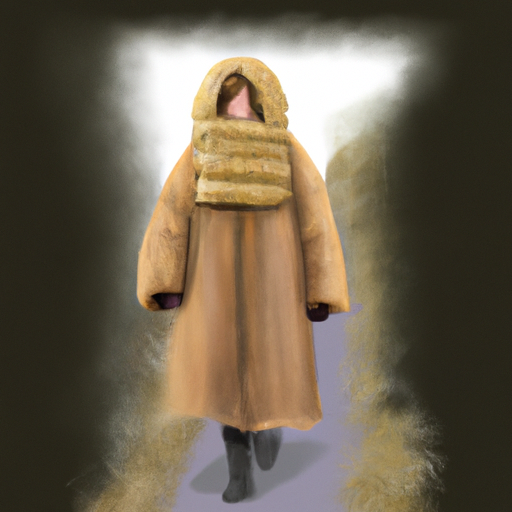
Example of visual style of Robert Kirkman

Robert Kirkman

Robert Kirkman is not a visual style, but rather a renowned comic book writer and creator. He is best known for his work in the horror genre, particularly for his long-running series 'The Walking Dead'. Kirkman's style is characterized by its gritty and realistic storytelling, focusing on human drama in apocalyptic and supernatural settings. His ability to craft compelling narratives and create complex, relatable characters has made him a prominent figure in the comic book industry.

View StyleExplore Style
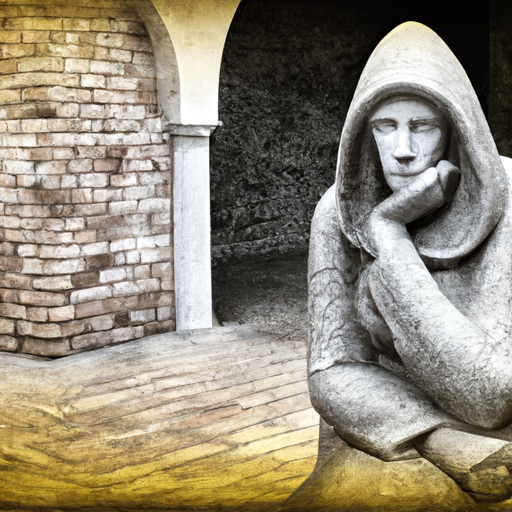
Example of visual style of Romantic Artists

Romantic Artists

Romantic Artists was a visual style that emerged in the late 18th to mid-19th centuries. It was characterized by an emphasis on emotion, imagination, and the sublime. This style was famous for its exploration of nature, landscapes, and the supernatural, often depicting dramatic and awe-inspiring scenes. Romantic Artists sought to evoke strong emotional responses from viewers, using vivid colors, dynamic compositions, and expressive brushwork. Some famous Romantic Artists include Caspar David Friedrich, J.M.W. Turner, and Eugène Delacroix.

View StyleExplore Style
Example of visual style of Romanticism

Romanticism

Romanticism was a 19th-century artistic and intellectual movement characterized by a focus on emotion, imagination, and individualism. It emerged as a reaction against the Industrial Revolution and Enlightenment ideals, gaining prominence from the late 18th century to the mid-19th century. Romanticism emphasized subjective expression, sublime landscapes, and an appreciation of nature's beauty. It celebrated the heroic and the passionate, often portraying tales of love, tragedy, and the supernatural. Famous artists associated with Romanticism include William Turner, Caspar David Friedrich, and Eugène Delacroix.

View StyleExplore Style
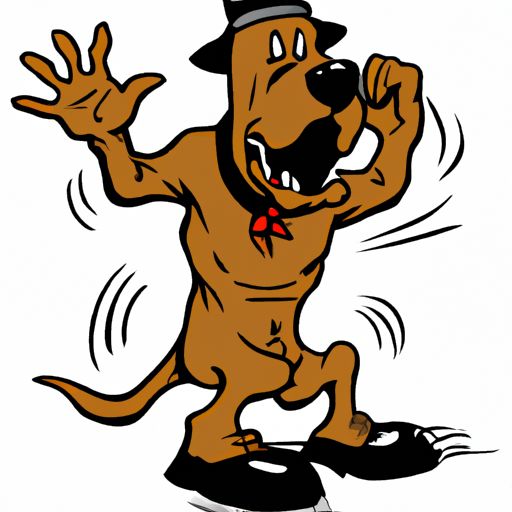
Example of visual style of Scooby Doo

Scooby Doo

The Scooby Doo visual style emerged in the late 1960s and became famous for its unique blend of animation and mystery-solving. This iconic style features colorful, cartoony characters with exaggerated features, set against backgrounds that incorporate spooky locations and haunted themes. Scooby Doo's popularity grew through the 1970s and beyond, with several animated series, movies, and spin-offs. The show's combination of humor, suspense, and supernatural elements has made it a beloved classic for generations.

View StyleExplore Style
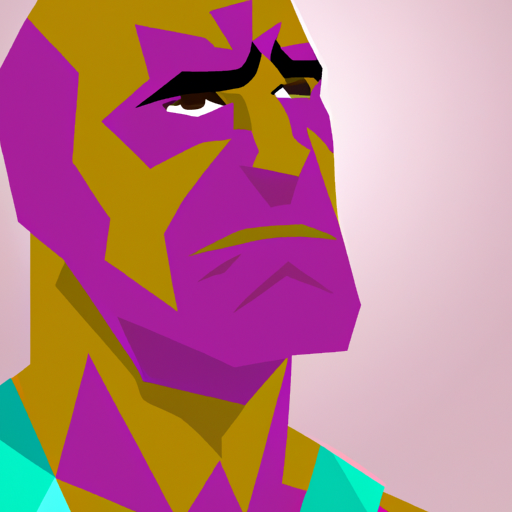
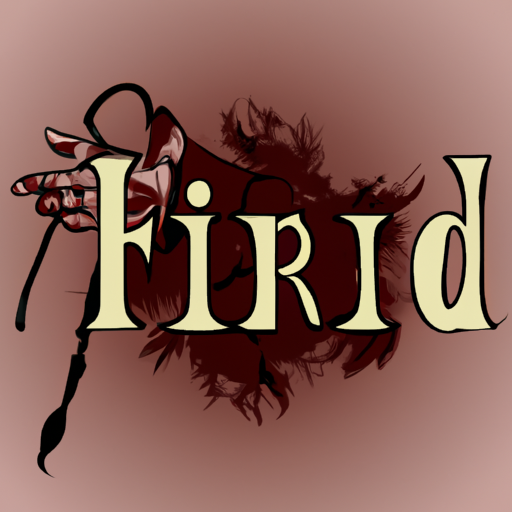
Example of visual style of Sergei Lukyanenko

Sergei Lukyanenko

Sergei Lukyanenko is a Russian science fiction and fantasy author. His visual style can be described as imaginative and captivating. With a focus on blending reality and fantasy, Lukyanenko's works became famous in the late 1990s and early 2000s. He is best known for his Night Watch series, which encompasses a dark urban fantasy world filled with supernatural beings and explores moral and philosophical themes. Lukyanenko's style combines vivid descriptions, intricate world-building, and thought-provoking narratives to create a unique and immersive reading experience.

View StyleExplore Style
Example of visual style of Thriller

Thriller

Thriller is a visual style that emerged in the 1980s and became famous through Michael Jackson's music video 'Thriller'. It is characterized by a dark and suspenseful atmosphere with elements of horror, mystery, and suspense. The style often incorporates eerie lighting, dramatic camera angles, supernatural elements, and intense storytelling. Thriller style gained popularity due to its unique blend of music, dance, and storytelling, creating a captivating and thrilling visual experience.

View StyleExplore Style
Example of visual style of Tsukioka Yoshitoshi

Tsukioka Yoshitoshi

Tsukioka Yoshitoshi was a Japanese ukiyo-e artist who lived from 1839 to 1892. He is widely recognized as the last great master of the traditional ukiyo-e style and is known for his vivid and imaginative prints. Yoshitoshi's works became famous for their exaggerated and dramatic depictions, often exploring themes of violence, fantasy, and supernatural beings. He gained popularity during the late Edo period and continued his artistic contributions during the Meiji era.

View StyleExplore Style
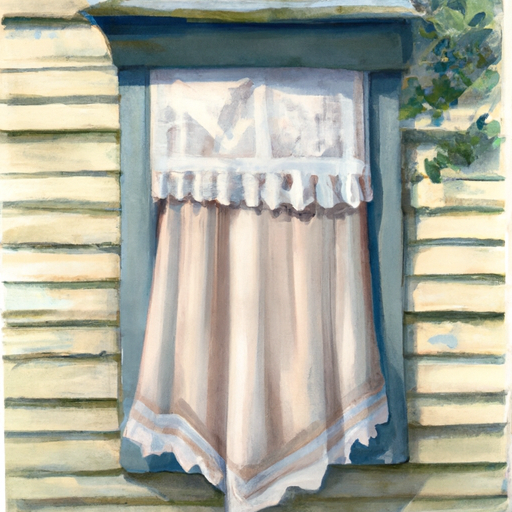
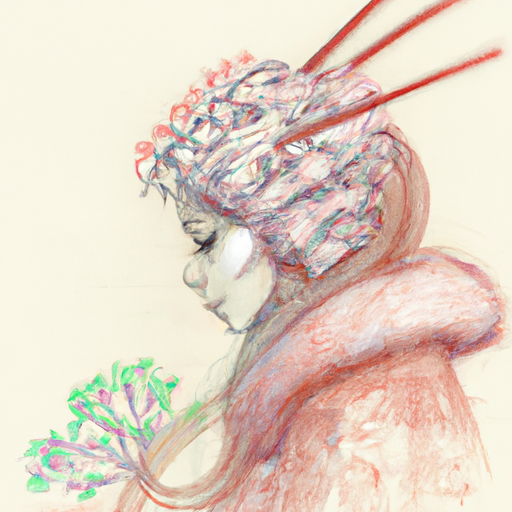
Example of visual style of Yoshitaka Amano

Yoshitaka Amano

Yoshitaka Amano is a Japanese artist known for his distinctive visual style characterized by delicate and intricate linework, ethereal and dreamlike compositions, and a focus on fantastical and supernatural subjects. His style became famous in the 1980s through his work on the popular Final Fantasy video game series, where his illustrations and character designs brought a unique and imaginative aesthetic to the games. Amano's art combines elements of traditional Japanese ukiyo-e woodblock prints with a modern sensibility, and his detailed and intricate designs have captivated audiences around the world.

View StyleExplore Style
Home