StylopediaStylopedia

Subversive styles on Stylopedia

A visual encyclopedia of subversive styles – use as prompt inspiration for Midjourney, Gemini, or ChatGPT AI when making subversive images

Example of visual style of Luis Buñuel

Luis Buñuel

Luis Buñuel's visual style is characterized by his surreal and subversive approach to filmmaking. He is known for challenging societal norms and conventions through his provocative narratives and imagery. Buñuel rose to prominence during the 1920s and 1930s with his surrealist films, such as 'Un Chien Andalou' (1929) and 'L'Age d'Or' (1930), which were collaborations with Salvador Dalí. These films became famous for their dreamlike sequences, shocking and provocative imagery, and unconventional storytelling techniques. Buñuel's style evolved over the decades, but his consistent themes of social critique, exploration of human desires, and dark humor remained prominent throughout his career.

View StyleExplore Style
Example of visual style of Paul Verhoeven

Paul Verhoeven

Paul Verhoeven's visual style is characterized by its explosive and provocative nature. With films like 'RoboCop' (1987), 'Total Recall' (1990), and 'Starship Troopers' (1997), Verhoeven created a signature style that blends science fiction, satire, and extreme violence. His films often include dark humor, social commentary, and overt sexuality, pushing boundaries and challenging the audience's expectations. Verhoeven's visual style became famous for its slick and stylized action sequences, gritty dystopian settings, and a subversive approach to storytelling.

View StyleExplore Style
Example of visual style of Underground Comix

Underground Comix

Underground Comix is a visual style that emerged in the 1960s and became famous throughout the 1970s. It is characterized by its countercultural and subversive nature, often exploring taboo topics and challenging mainstream social norms. Underground Comix gained popularity due to its bold and irreverent approach to storytelling, often focusing on themes such as drugs, sexuality, and political activism. This style pushed the boundaries of traditional comic book storytelling and paved the way for alternative and independent comic artists.

View StyleExplore Style
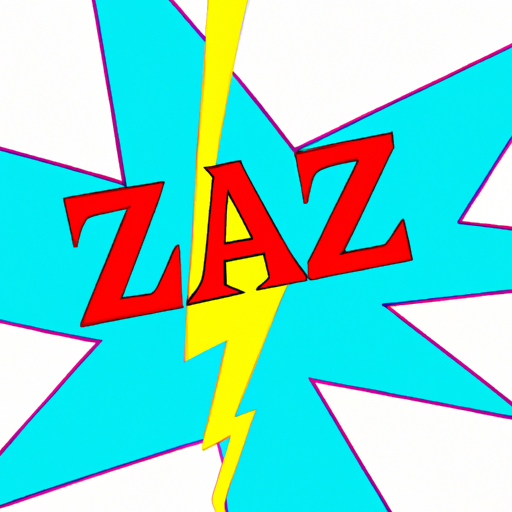
Example of visual style of Zap Comix

Zap Comix

Zap Comix is a style of underground comix that emerged in the late 1960s and early 1970s. It was made famous by its subversive and countercultural content, often exploring taboo subjects and pushing the boundaries of censorship. The style became a prominent voice of the underground comix movement, with artists like Robert Crumb, S. Clay Wilson, and Gilbert Shelton gaining recognition for their provocative and satirical illustrations. Zap Comix played a crucial role in the democratization of comics, allowing for non-mainstream voices and artistic expression to flourish.

View StyleExplore Style
Home